Foundation Repair: What Every Homeowner Should Know
Got cracks in your walls, doors that won’t close, or a floor that feels like a trampoline? Those are classic signs that something’s off with your foundation. Ignoring them can turn a small hassle into a big, costly headache. This guide walks you through the basics – from spotting trouble early to choosing the right fix – so you can keep your home solid and avoid surprise expenses.
How to Spot Trouble Early
The first step is simple: look for the warning signs. Hairline cracks in plaster are usually harmless, but wider cracks that jump a few millimetres, especially those that appear in a stair‑step pattern, often mean the foundation is moving. Check the basement for water seepage, bulging walls, or uneven floors. If you notice doors that stick or windows that jam, measure the gap; a shift of more than a quarter inch points to a problem. Trust your gut – if something feels off, it probably is.
Repair Options: DIY vs Professional
Not every crack needs a crew of experts. Small, non‑structural cracks can be sealed with epoxy or polyurethane foam – a quick DIY job if you’re comfortable handling a drill and a caulking gun. But once the crack widens, water starts leaking, or the floor sags, it’s time to call a pro. Professionals bring tools like steel piers, underpinning rigs, and soil‑stabilisation systems that a weekend warrior simply can’t match. Trying to fix a major issue yourself could make things worse and cost more in the long run.
Cost is another big factor. Basic crack sealing runs under £200, while piering or underpinning can climb into the thousands. The most expensive methods – deep concrete piers and full foundation replacement – are usually reserved for severe cases where the soil has shifted dramatically. Get at least three quotes, ask about warranties, and weigh the long‑term savings of a durable fix against the upfront price.
Insurance can help, but it’s not a free pass. Most homeowner policies cover sudden damage, like a burst pipe that damages the foundation, but they often exclude gradual settlement or soil movement. Review your policy’s wording, note any exclusions, and file a claim promptly if you suspect covered damage. Knowing the fine print ahead of time saves you from nasty surprises when you need the payout.
What about resale value? A well‑documented foundation repair can actually boost buyer confidence. Real estate agents and appraisers look for a clear report showing the problem, the solution, and any warranties. A home with a repaired foundation often sells for more than one with hidden, unresolved issues. Skip the repair, and you might see the price dip or the sale stall.
Long‑term durability matters too. Good repairs – like correctly installed steel piers or proper underpinning – can last decades if the soil stays stable and drainage is handled correctly. Regular maintenance, such as keeping gutters clean, directing water away from the foundation, and monitoring moisture levels, prolongs the life of any fix.
If you’re considering a DIY fix, start with a reality check. Do you have the right tools, safety gear, and a clear understanding of the underlying cause? A simple seal might look easy, but if the crack keeps re‑opening, the problem was deeper than you thought. In those cases, pulling the plug on a DIY attempt and hiring a pro is the smarter move.
Bottom line: watch for cracks, test doors, and keep an eye on water. When you see a sign, act fast – either seal a small crack yourself or call in a specialist for bigger issues. Check your insurance, get multiple quotes, and keep all paperwork. With the right steps, you’ll protect your home’s structure, avoid costly surprises, and keep its value solid for years to come.
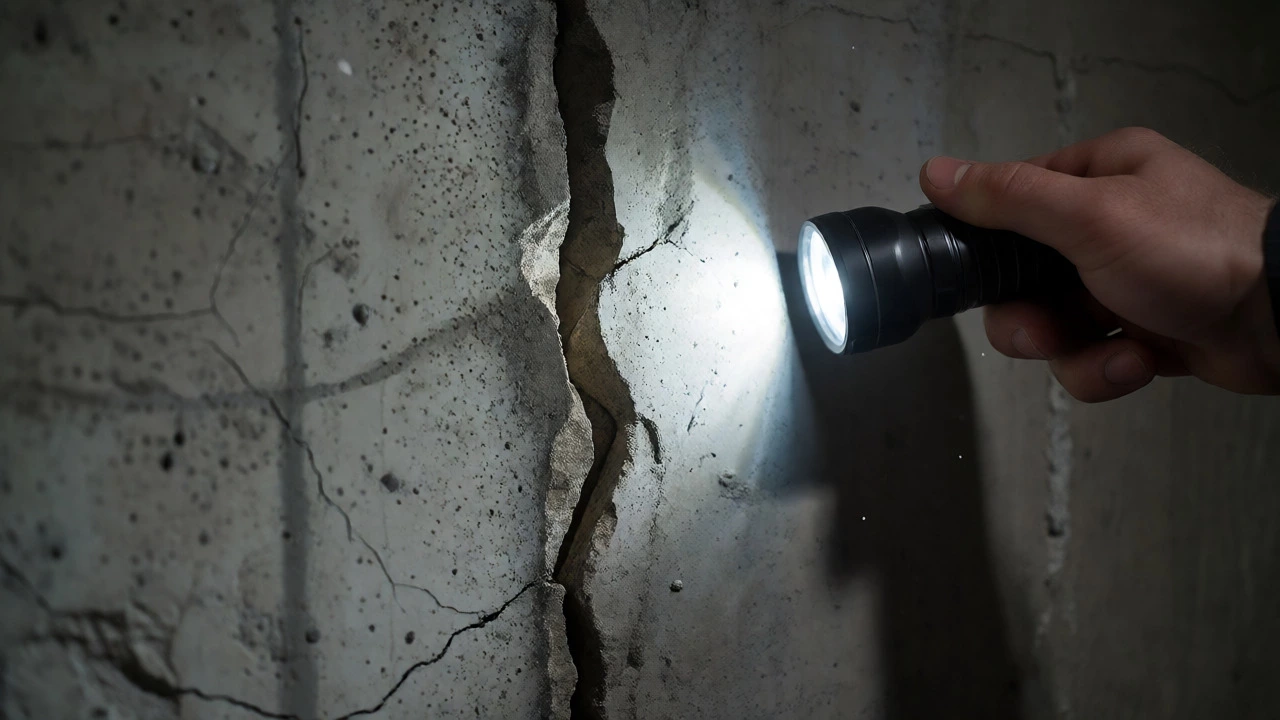
How Long Does It Take to Fix a Foundation Crack? Real Timelines
- Gavin Whitaker
- |
- |
- 0
Discover realistic timelines for fixing foundation cracks. Learn why most repairs take hours, not weeks, and what factors influence the total project duration.
View more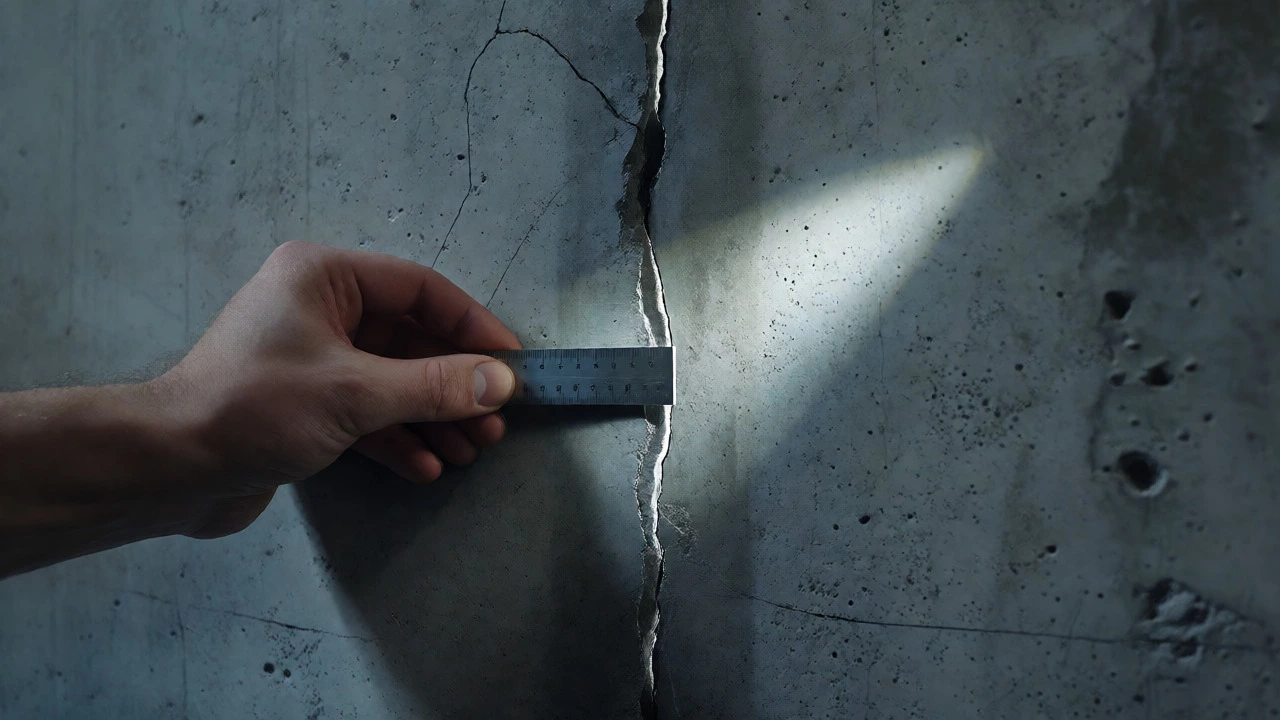
Foundation Cracks: What Size Is Acceptable and When to Worry?
- Gavin Whitaker
- |
- |
- 0
Learn which foundation crack sizes are acceptable and when to worry. Discover how width, direction, and activity determine structural risk.
View more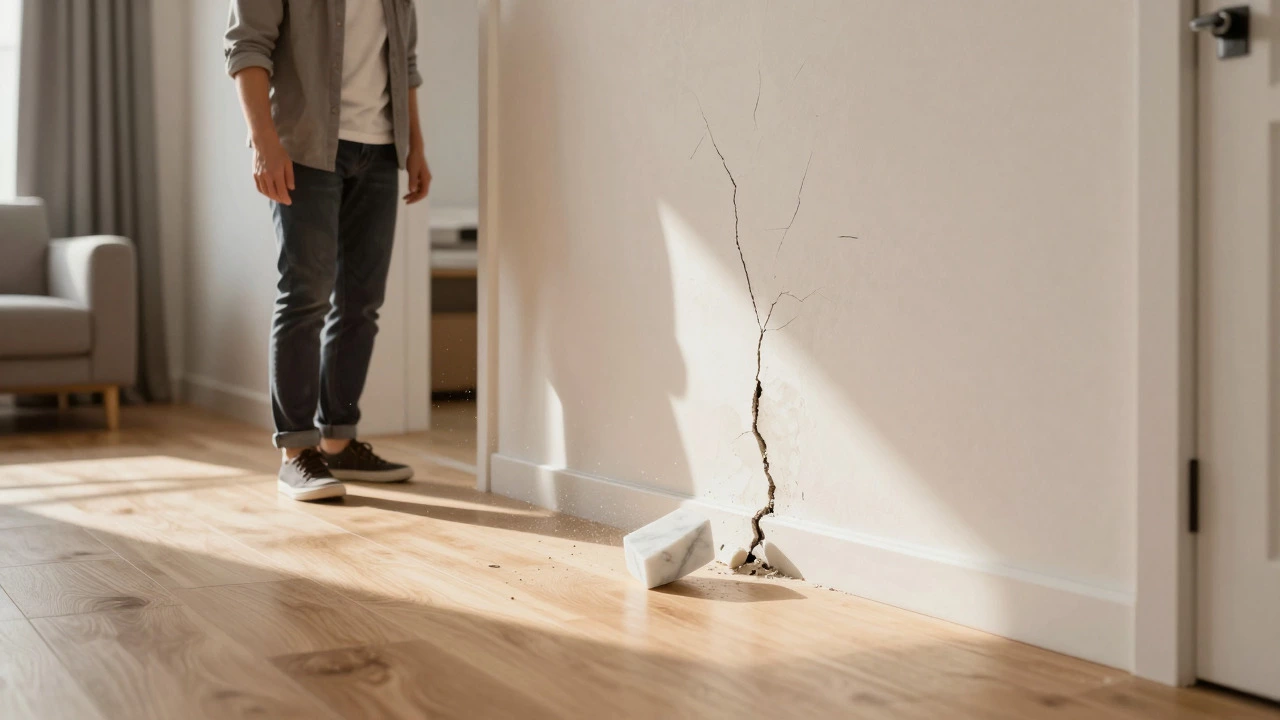
Can You Live in a House With a Cracked Foundation? Safety, Risks & Repair Guide
- Gavin Whitaker
- |
- |
- 0
Discover if it's safe to live in a house with a cracked foundation. Learn to identify dangerous cracks, understand health risks, and explore repair options to protect your home.
View more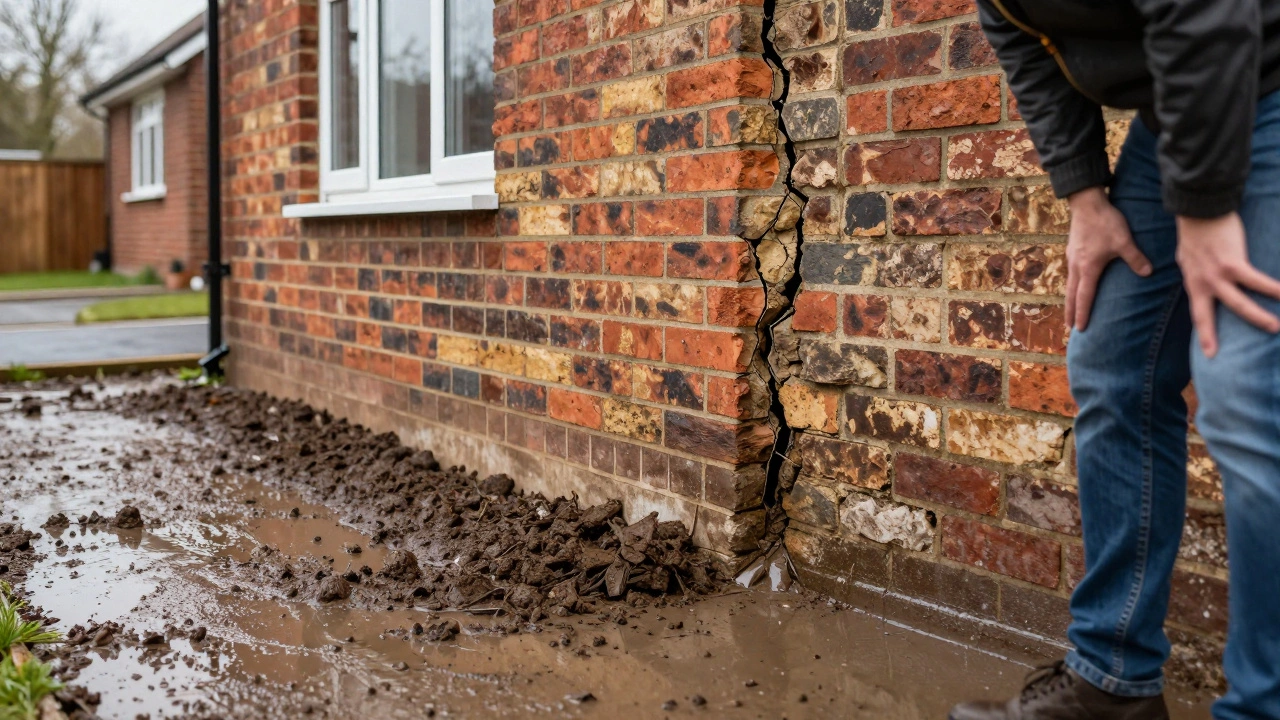
Best Time for Foundation Repair: Seasonal Guide & Cost Tips
- Gavin Whitaker
- |
- |
- 0
Discover the best time of year for foundation repair. Learn how seasons affect soil, costs, and repair methods to protect your home's structural integrity.
View more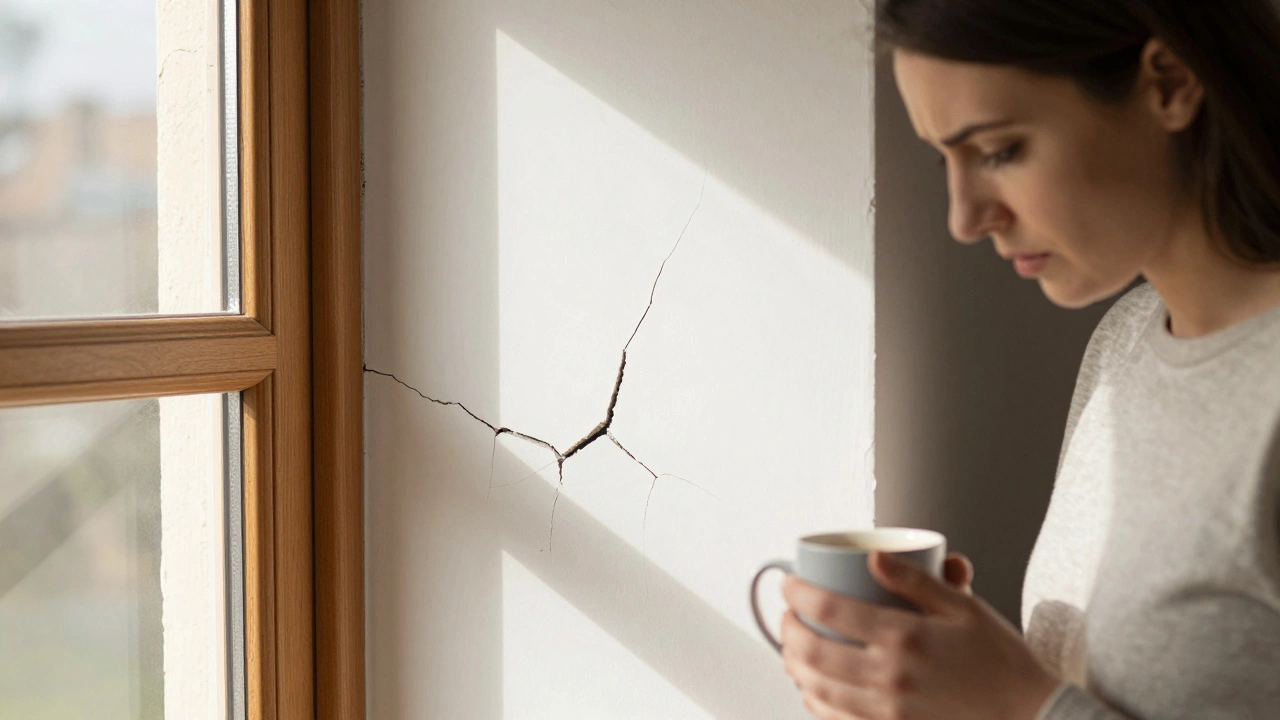
How to Fix Foundation Without Lifting a House: Methods, Costs & DIY Tips
- Gavin Whitaker
- |
- |
- 0
Learn how to fix a sinking or cracked foundation without the hassle of lifting your house. Explore modern methods like polyurethane foam injection, slabjacking, and helical piers.
View more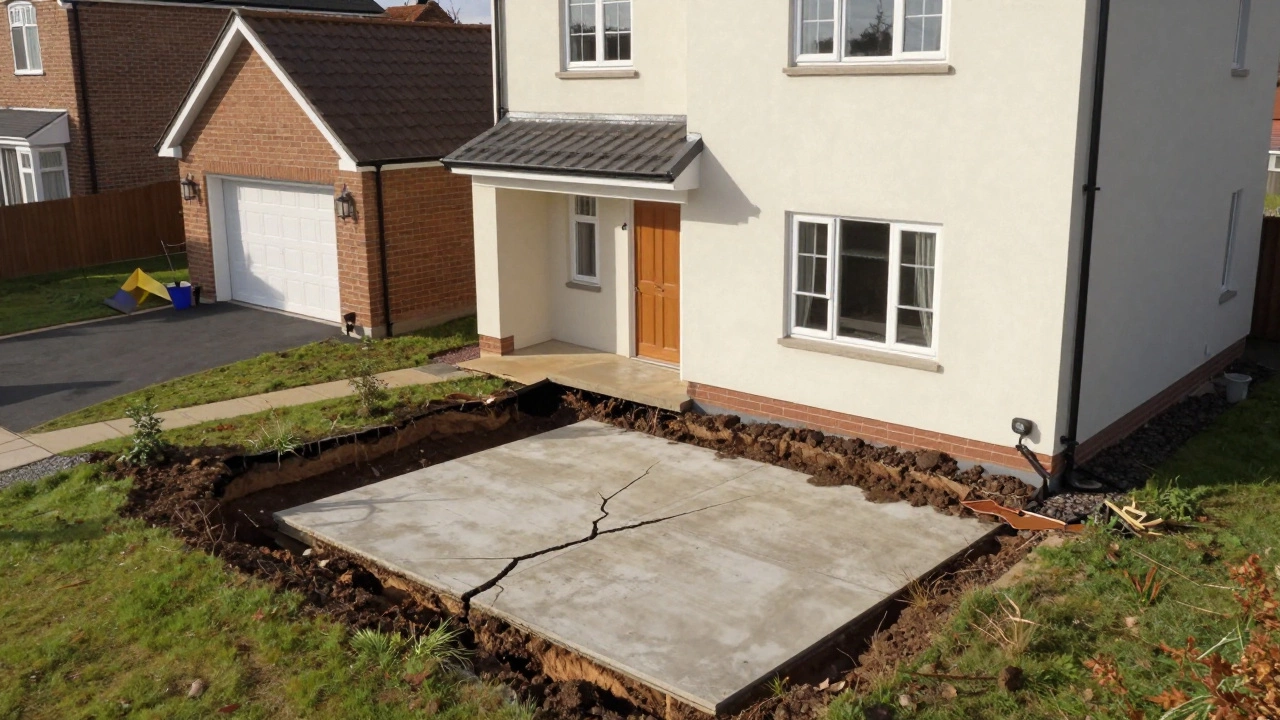
Buying a House with Foundation Issues: When to Walk Away
- Gavin Whitaker
- |
- |
- 0
Wondering if you should buy a house with foundation issues? Learn how to spot red flags, evaluate repair costs, and know exactly when to walk away from the deal.
View more
DIY Foundation Repair: How to Fix Common Concrete Cracks and Settling
- Gavin Whitaker
- |
- |
- 0
Learn how to fix foundation cracks and settling yourself. A practical guide on using epoxy and polyurethane to seal concrete and stop basement leaks.
View more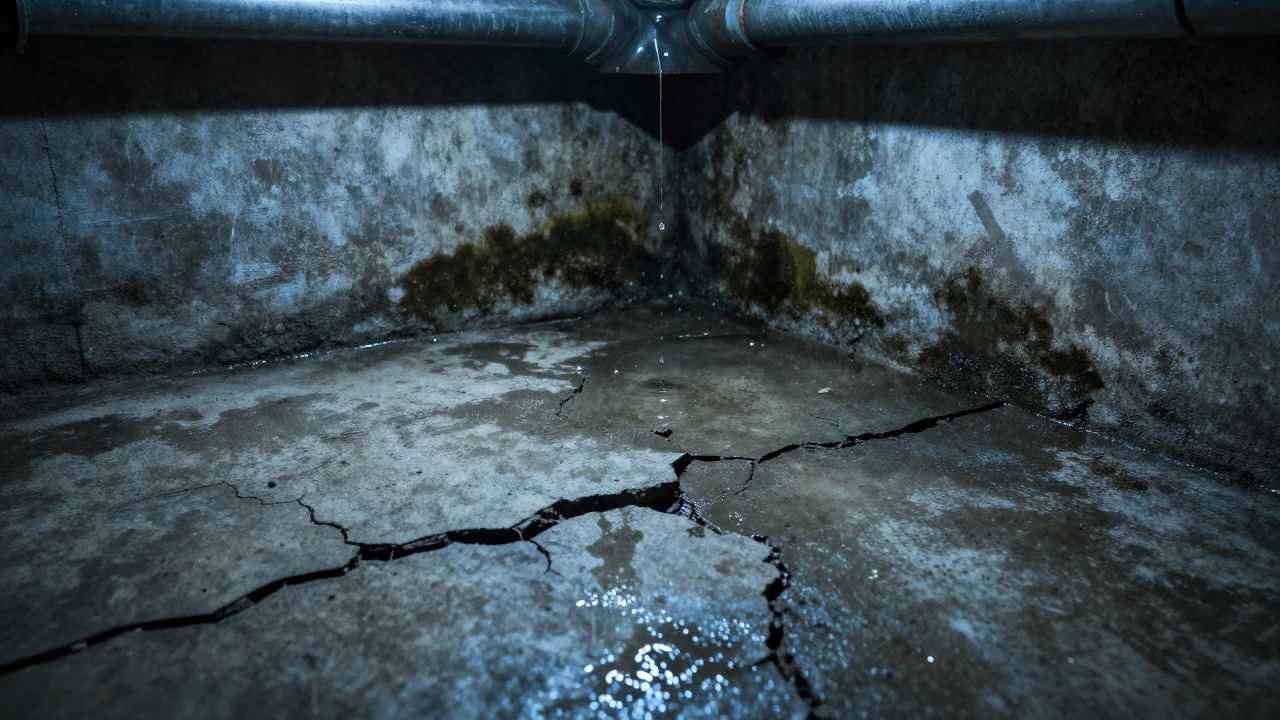
Does Homeowners Insurance Cover Foundation Leaks? What You Need to Know
- Gavin Whitaker
- |
- |
- 0
Most homeowners insurance policies don't cover foundation leaks caused by gradual water damage or soil movement. Learn what situations might be covered, what's always excluded, and how to improve your chances of getting a claim approved.
View more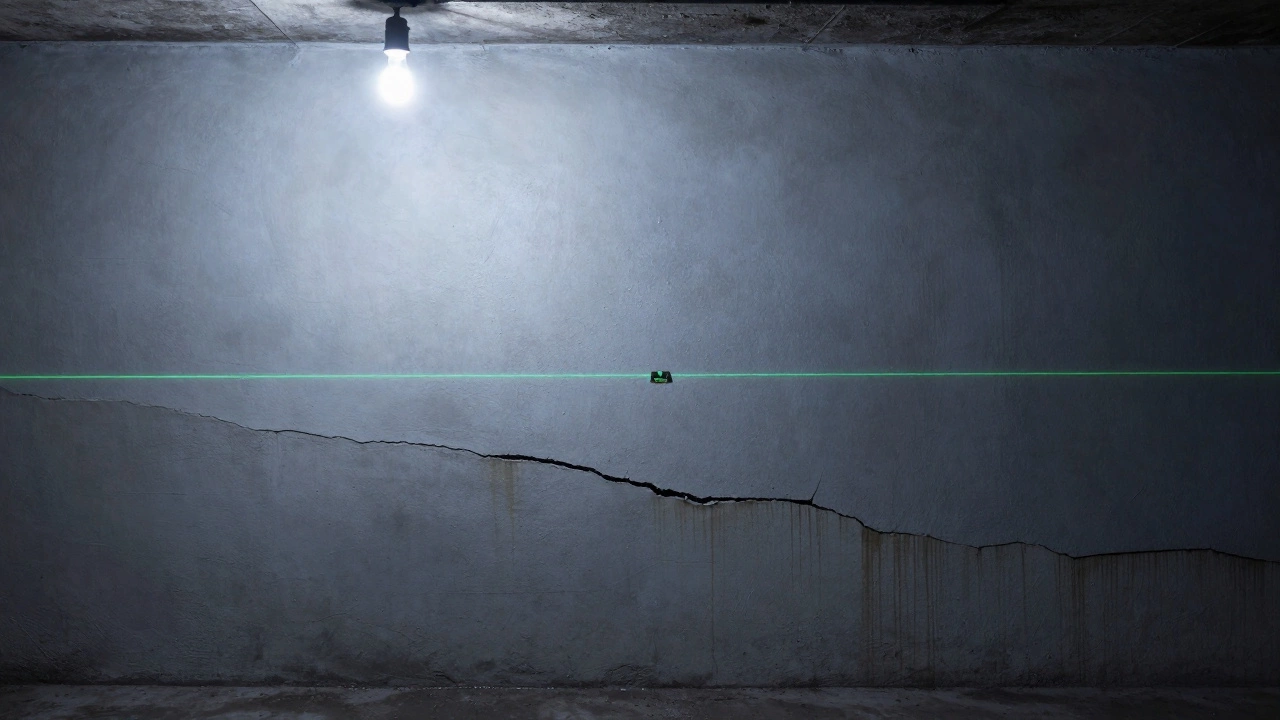
How Serious Are Horizontal Foundation Cracks? What You Need to Know Now
- Gavin Whitaker
- |
- |
- 0
Horizontal foundation cracks are a serious sign of structural stress, especially in London's clay soil. Unlike minor cracks, they indicate pressure from outside soil and can lead to wall bowing or collapse if ignored. Early detection and proper drainage can prevent costly repairs.
View more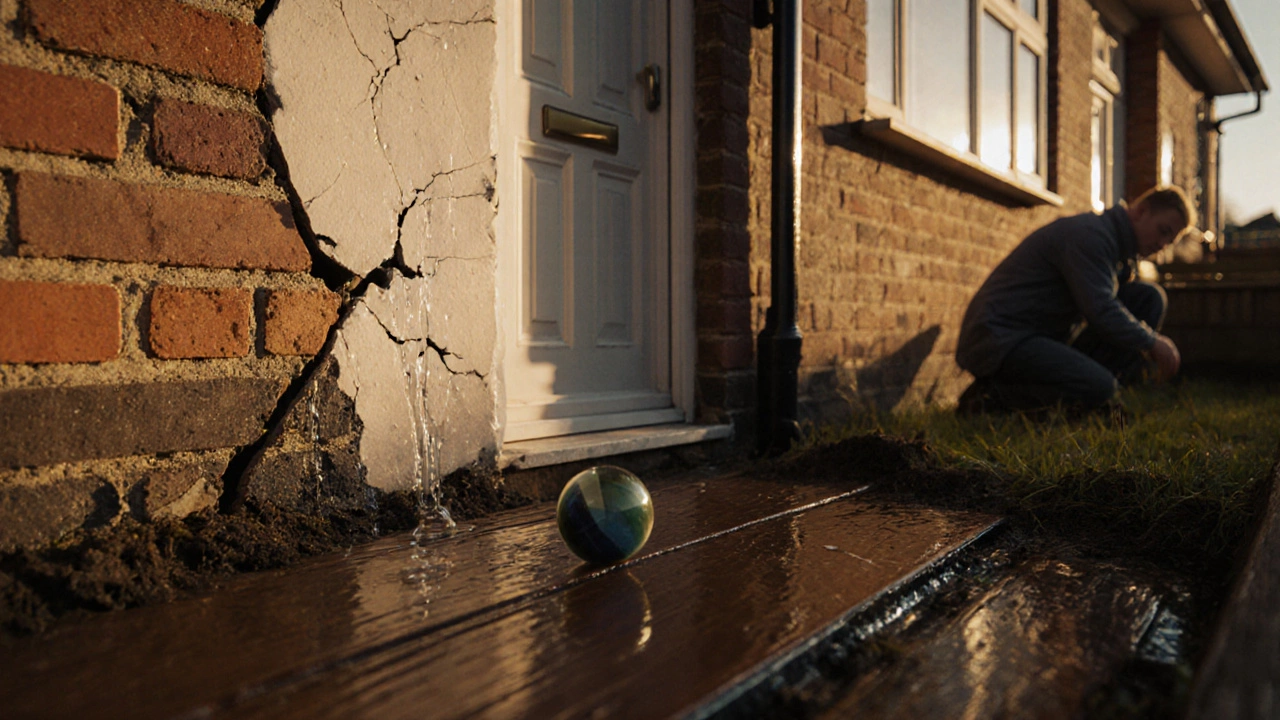
How to Fix a Sinking Foundation: Step-by-Step Solutions for Homeowners
- Gavin Whitaker
- |
- |
- 0
Learn how to fix a sinking foundation with proven methods, cost estimates, and prevention tips. Stop further damage before it becomes a costly emergency.
View more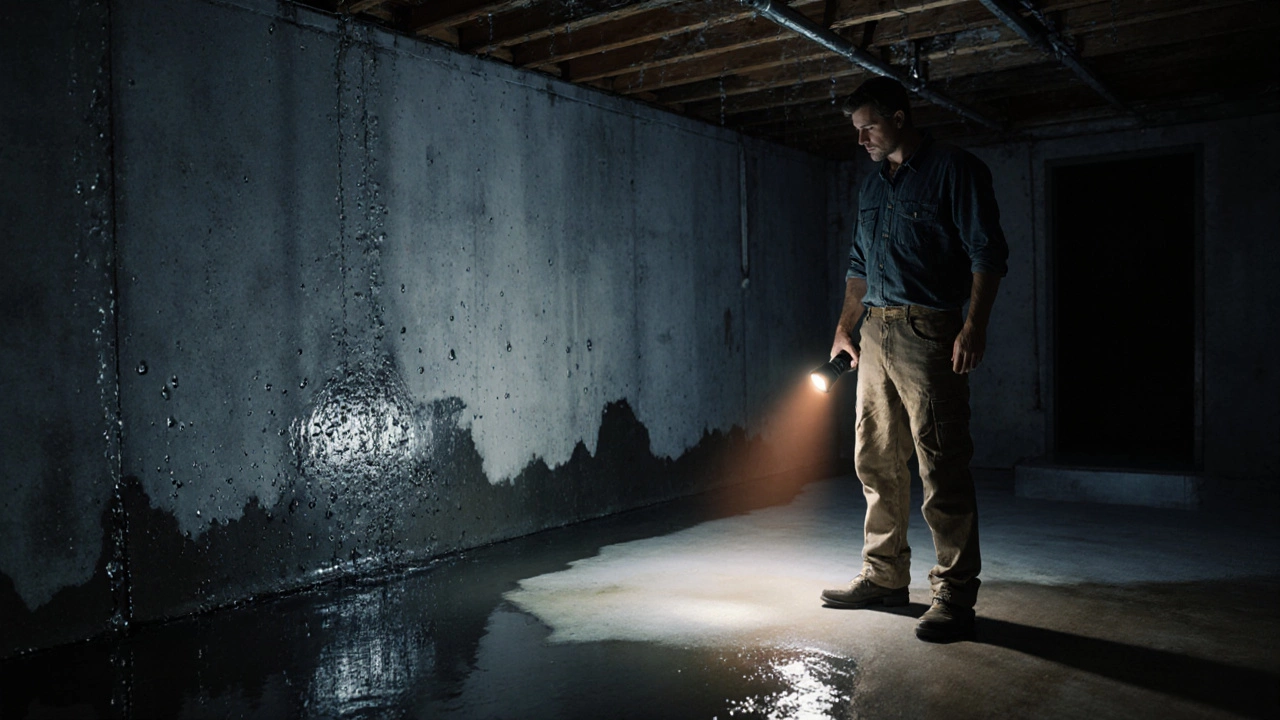
Stop Interior Foundation Leaks: Proven Repair Methods & DIY Guide
- Gavin Whitaker
- |
- |
- 0
Learn practical ways to stop interior foundation leaks-diagnose the cause, install sump pumps, French drains, crack injection, and improve drainage with clear step‑by‑step guidance.
View more
Buying a Home with Foundation Issues: Risks, Costs & How to Decide
- Gavin Whitaker
- |
- |
- 0
Learn how to evaluate, negotiate, and finance a house with foundation problems, with clear steps, cost ranges, and a handy decision checklist.
View more