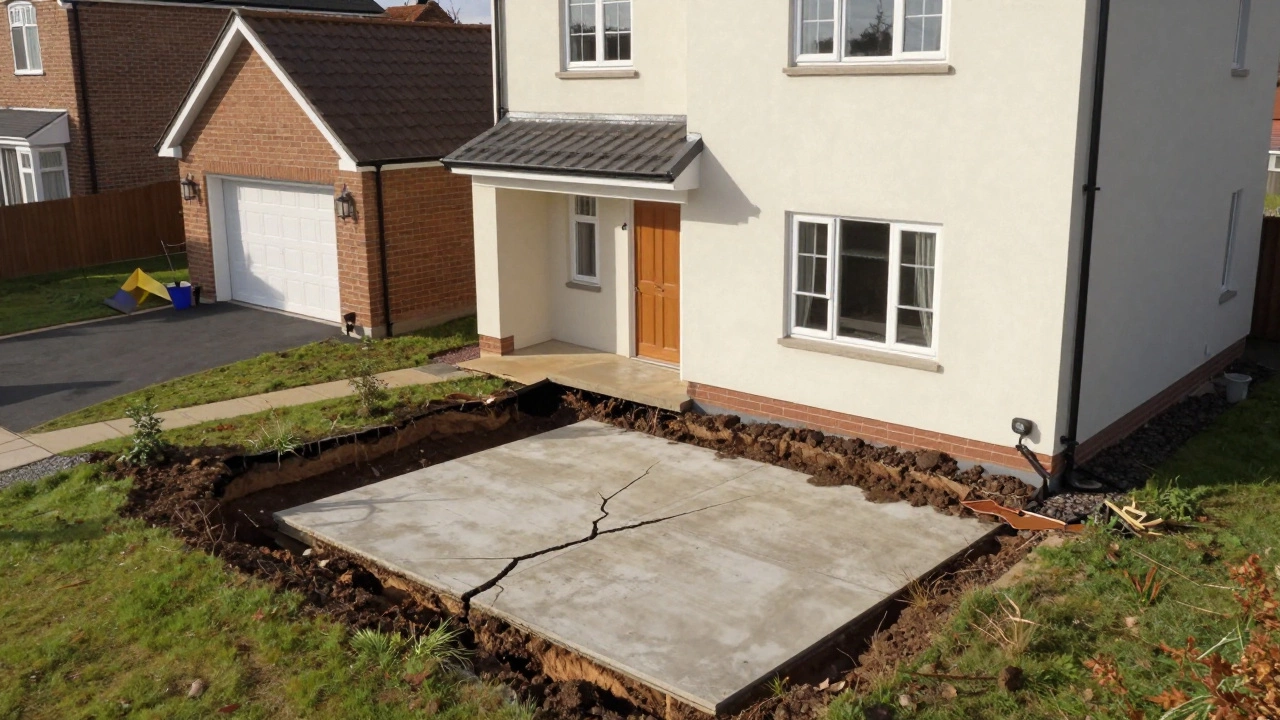
Foundation Deal Analyzer & Cost Estimator
- Walk away if: There are massive horizontal cracks in the basement, the home is tilting visibly, or the cost of repair exceeds 10% of the home's value.
- Consider it if: You see minor "settling" cracks, the issues are localized to one area, and you have a guaranteed quote from a licensed specialist.
- The Golden Rule: Never buy a house with structural issues without a dedicated foundation repair specialist's report-a general home inspector isn't enough.
First, let's get a handle on what we're dealing with. Foundation is the lowest part of a building that transfers the weight of the structure to the ground. Whether it is a slab-on-grade or a crawl space, its job is to keep the house level and dry. When the soil beneath it shifts, shrinks, or washes away, the house moves. That's where the trouble starts.
Spotting the Red Flags
Not every crack is a disaster. Houses settle; it's what they do. But there's a big difference between a hairline fracture in the drywall and a structural failure. You need to look for patterns. If you see doors that won't close or windows that stick, that's a sign the frame is twisting because the base is shifting.
Look at the exterior. Are there "stair-step" cracks in the brickwork? That usually means the corner of the house is sinking. Inside, look for gaps between the wall and the ceiling or floors that slope toward one side of the room. If you put a marble on the floor and it races toward the wall, you've got a slope problem.
| Crack Type | Common Cause | Risk Level |
|---|---|---|
| Vertical/Hairline | Natural shrinkage/drying | Low - Monitoring usually suffices |
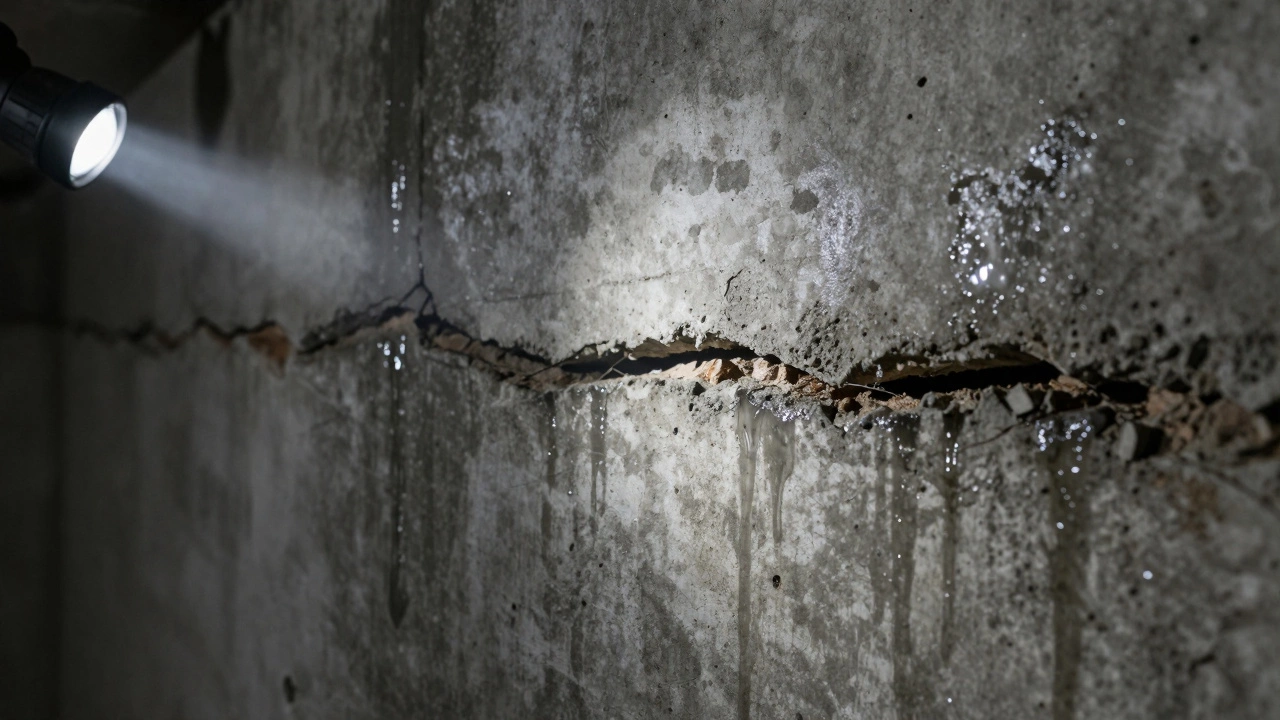
| Horizontal (Basement) | Hydrostatic pressure from soil | High - Potential wall collapse |
| Stair-step (Brick/Block) | Differential settlement | Moderate to High - Requires stabilization |
The Hidden Culprit: Soil and Water
The house isn't usually the problem; the ground is. Expansive Soil is a type of clay-rich soil that swells when wet and shrinks when dry. If a house is built on this without proper drainage, the foundation will constantly move up and down, cracking the concrete. This is a nightmare because you can't just "fix" the soil; you have to manage it forever.
Then there's the Slab Leak, which is a rupture in the water pipes running beneath the concrete floor. This sounds like a plumbing issue, but it's a foundation disaster. Water leaking under a slab erodes the soil, creating voids. Eventually, the concrete loses support and sags. If you see a wet spot on the carpet in a house with a slab foundation, be very careful.
Evaluating Repair Options
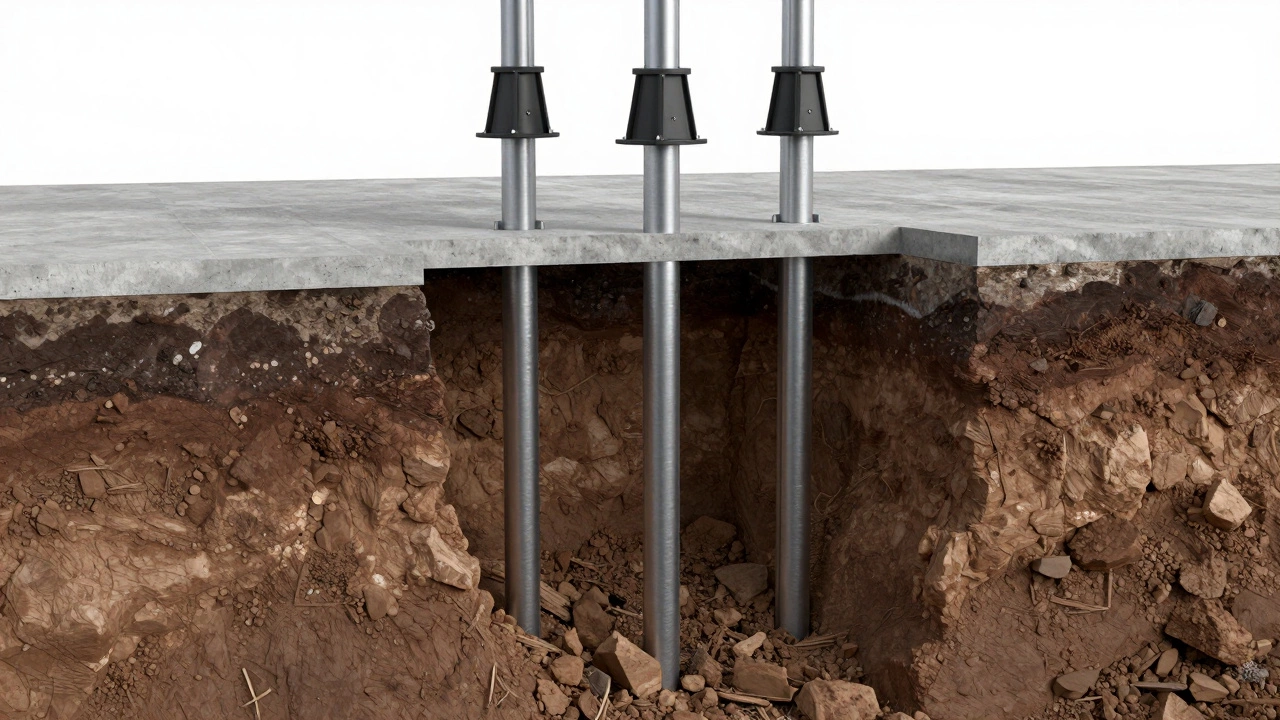
If you're still considering the house, you need to know how these things get fixed. It's not as simple as pouring more concrete. Most professionals use Piering, which involves driving steel or concrete piles deep into the earth to reach stable soil or bedrock. Once the piers are in, they use hydraulic jacks to lift the house back to level.
Another common fix is Underpinning. This is the process of strengthening the existing foundation by extending it deeper into the ground. It's effective, but it's invasive. You'll likely see your yard dug up and your basement walls disrupted. These repairs aren't cheap. A full-house piering job can easily cost between $15,000 and $50,000 depending on the severity.
The Financial Calculation
Here is where you stop thinking about the house and start thinking about the math. A foundation issue is a "capital expense," not a maintenance item. You shouldn't just ask for a price reduction; you should ask for a credit based on a certified engineer's quote.
If the repair cost is $30,000, don't just ask for $30,000 off the price. You're taking on the risk. If the repair fails or reveals more problems, you're the one paying. A common rule of thumb is to ask for the cost of the repair plus a 20% "risk premium." If the seller won't budge, or if the cost of the repair makes the home overpriced for the neighborhood, walk away. There are too many other houses to gamble on a sinking slab.
When to Definitely Walk Away
There are some scenarios where no amount of money makes the house worth it. First, if the seller is offering a "quick fix" like filling cracks with epoxy without fixing the underlying cause. That's just hiding the symptoms. Second, if the house is built on a steep slope with evidence of soil creep-where the whole hillside is slowly moving downward. You can't fight gravity.
Finally, watch out for the "lipstick on a pig" syndrome. If you see fresh paint over cracks in the basement or new baseboards that don't quite fit the wall, the seller knows there's a problem and is trying to mask it. That lack of transparency is a huge red flag for everything else in the house.
Can a foundation ever be truly "fixed"?
Yes, but "fixed" usually means "stabilized." Techniques like push piers or helical piers stop the house from sinking further and can even lift it back to its original position. However, you must address the root cause-like fixing a leaking gutter or grading the yard-or the problem could eventually return in a different spot.
Will a house with a repaired foundation be harder to sell later?
It depends on the documentation. If you have a transferable warranty from a reputable company and a signed-off report from a structural engineer, most buyers won't mind. If you did a DIY fix or used an unlicensed contractor, it will definitely hurt your resale value and might even scare off buyers during the inspection phase.
What is the difference between a home inspector and a structural engineer?
A home inspector is a generalist; they spot a problem and tell you it's there. A structural engineer is a specialist who can tell you *why* it's happening and *how* to fix it. Never rely on a general inspection for foundation decisions; always hire a licensed engineer who doesn't make money from the repairs themselves.
Are horizontal cracks in a basement more dangerous than vertical ones?
Generally, yes. Vertical cracks are often caused by the concrete shrinking as it cures. Horizontal cracks usually indicate that the soil outside is pushing against the wall with immense pressure (hydrostatic pressure), which can lead to the wall bowing inward and eventually collapsing.
How do I know if the seller is lying about the foundation?
Check for "masking" signs: fresh patches of mortar that don't match the old stuff, new flooring over an old slab, or heavy-duty shelving placed strategically in front of basement walls. Most importantly, ask for the property's disclosure form and then verify those claims with your own independent structural engineer.
Next Steps and Troubleshooting
If you've decided to move forward, your first step is to hire a licensed structural engineer. Do not hire a "foundation repair company" for the initial assessment, as they have a financial interest in selling you a repair package. An engineer's report is an unbiased medical record of your house.
Once you have the report, get at least three quotes for the work. Some companies might suggest simple carbon fiber straps for wall reinforcement, while others will want to dig up your whole yard for piers. Compare the methods, not just the price. If one quote is significantly lower, they might be cutting corners on the depth of the piers.
For those already living in a home with these issues, start by managing your water. Ensure your gutters discharge at least five feet away from the foundation and that the ground slopes away from the house. Sometimes, simply stopping the water infiltration can slow down the settlement enough to buy you time to save for a professional repair.