Foundation Crack Risk & Cost Estimator
Select the characteristics of the crack you have observed to receive an immediate risk assessment and estimated repair guidance.
Enter details above
Click 'Assess Risk Level' to see your specific situation analysis.
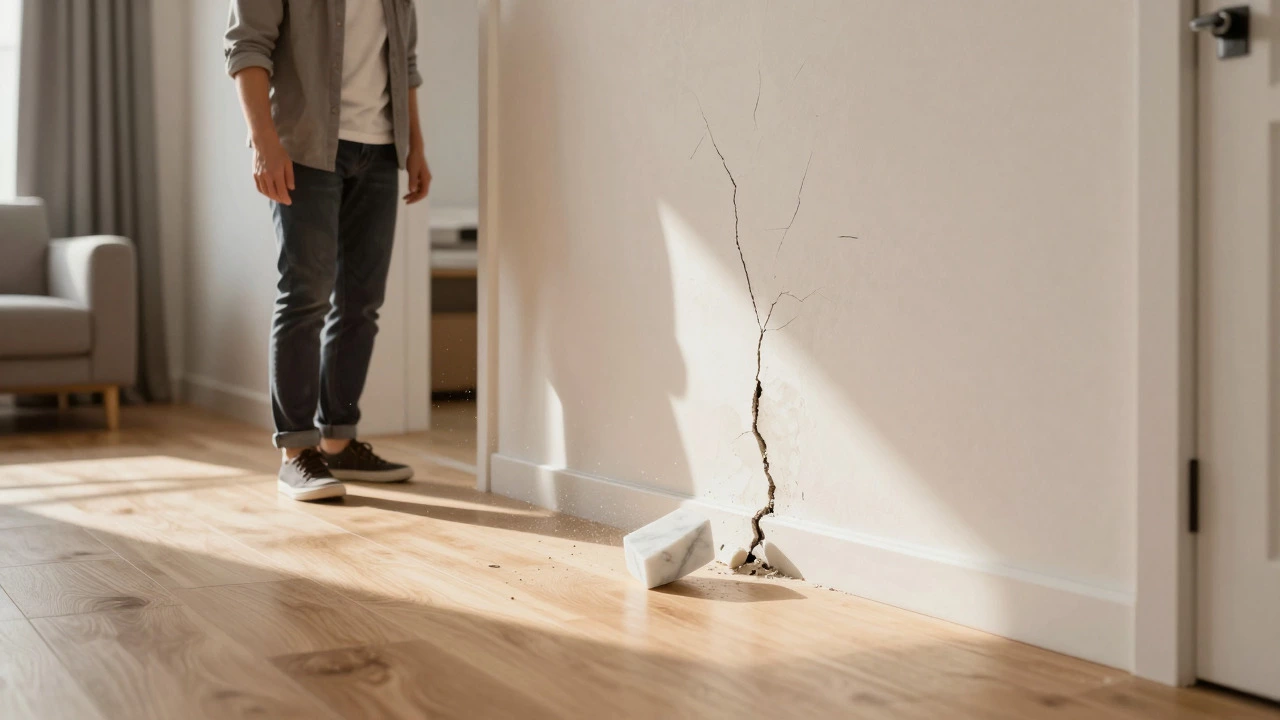
Imagine coming home after a long day, only to notice a jagged line running through your living room wall. Your heart sinks. Is the house falling apart? Are you and your family in danger? This is the exact moment of panic many homeowners face when they discover a cracked foundation is a fracture or split in the concrete slab, basement walls, or footings that support a building's weight. The immediate question isn't just about aesthetics; it’s about survival. Can you actually live there?
The short answer is yes, but with major caveats. Not every crack is a death sentence for your home. In fact, hairline fractures are common in older properties and often harmless. However, ignoring significant structural shifts can lead to catastrophic failure, expensive repairs, and health hazards. Understanding the difference between a cosmetic nuisance and a structural emergency is the key to making the right decision.
Decoding the Crack: What Type Do You Have?
Before you pack your bags or call an emergency contractor, you need to assess the severity. Not all cracks are created equal. The direction, width, and location of the crack tell a story about what’s happening beneath your feet.
Vertical cracks are often the least alarming. These usually result from concrete shrinkage during the curing process. If the crack is less than 1/8 inch wide and doesn’t seem to be widening, it’s typically cosmetic. It might look ugly, but it rarely compromises the structural integrity of the house.
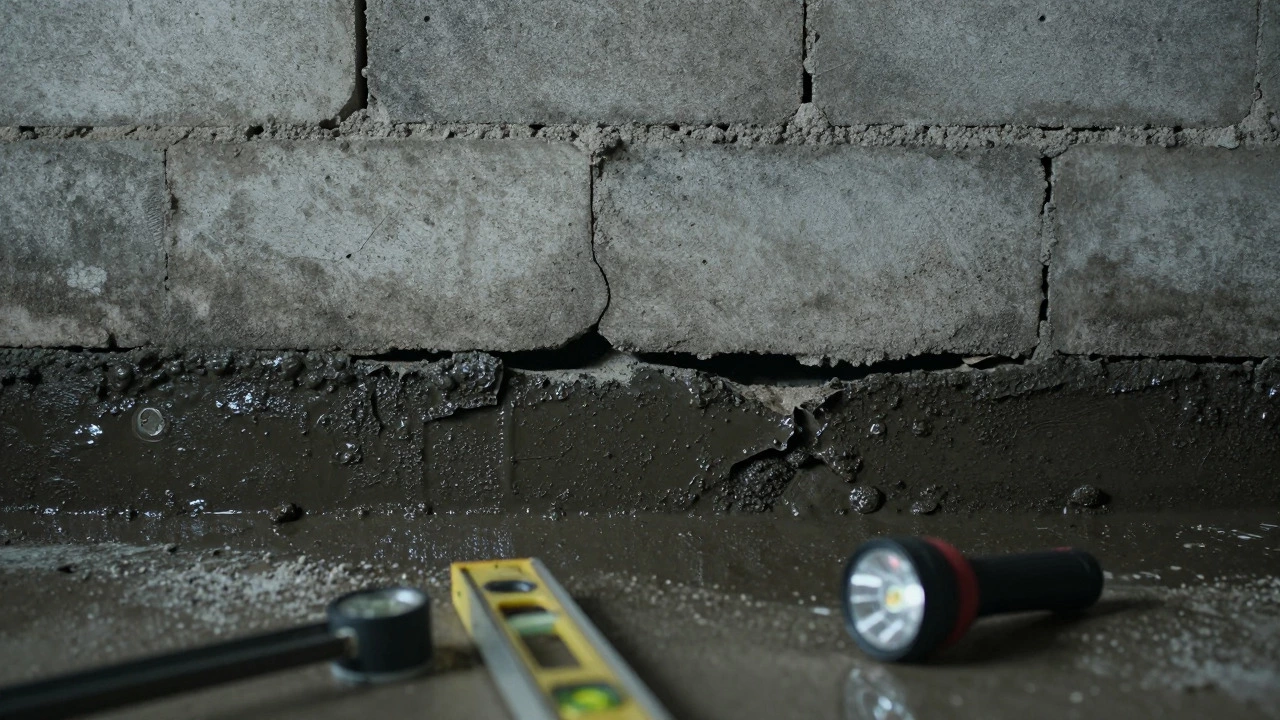
Horizontal cracks, on the other hand, should set off alarm bells. These are frequently caused by hydrostatic pressure-essentially, water pushing against the outside of your basement walls. This pressure can bow the walls inward, leading to collapse if left untreated. If you see horizontal cracking, especially in block foundations, treat it as urgent.
Stair-step cracks appear in brick or concrete block foundations, following the mortar lines. While small stair-step cracks might just be settling, wider ones indicate that the foundation is shifting unevenly. This differential settlement puts immense stress on the structure above.
Diagonal cracks starting at corners of doors or windows suggest that the foundation is moving vertically or horizontally. If these cracks are wider at one end than the other, the movement is ongoing. This is a clear sign that the soil beneath your home is unstable.
| Crack Type | Typical Cause | Risk Level | Action Required |
|---|---|---|---|
| Vertical (Hairline) | Concrete shrinkage | Low | Monitor and seal |
| Vertical (Wide) | Settlement or frost heave | Medium | Professional inspection |
| Horizontal | Hydrostatic pressure | High | Immediate repair |
| Stair-Step | Differential settlement | Medium to High | Structural engineer assessment |
| Diagonal | Soil movement | Medium | Monitor for widening |
Safety First: When to Evacuate Immediately
Living in a house with a cracked foundation is generally safe if the crack is stable and minor. However, certain signs indicate imminent danger. If you observe any of the following, consider vacating the affected area or the entire home until a professional evaluation is complete.
- Large gaps around door frames: If doors no longer close properly or stick significantly, the frame has shifted due to foundation movement.
- Floor sloping or sagging: Place a marble on the floor. If it rolls consistently in one direction, your floors are uneven, indicating severe structural issues.
- Bowing walls: Walls that bulge inward are under extreme pressure and could collapse.
- Water intrusion: Significant leaks accompanying cracks suggest soil saturation, which weakens the foundation further.
- New cracks appearing rapidly: If you notice new cracks forming within weeks, the problem is active and worsening.
In London, where clay soils are prevalent, ground movement is a known issue. Clay expands when wet and shrinks when dry, causing foundations to heave and settle. This makes regular inspections crucial for homeowners in this region.
Health Hazards Beyond Structure
A cracked foundation isn’t just a structural problem; it’s a potential health hazard. Cracks provide entry points for moisture, pests, and radon gas.
Mold and mildew thrive in damp environments. Water seeping through foundation cracks creates ideal conditions for mold growth, which can trigger respiratory issues, allergies, and asthma attacks. Poor indoor air quality becomes a silent threat to your family’s health.
Pests like ants, termites, and rodents exploit these openings. Termites, in particular, can cause extensive damage to wooden structures, compounding the structural problems caused by the foundation itself.
Radon gas is another invisible danger. This radioactive gas seeps from the ground into homes through cracks in the foundation. Long-term exposure to high levels of radon is the second leading cause of lung cancer. Testing your home for radon is essential if you have foundation cracks.
The Financial Reality of Delaying Repairs
Many homeowners choose to live with a cracked foundation because they underestimate the cost of repairs. They think, "It’s not getting worse, so why fix it now?" This mindset is costly. Minor repairs today can save tens of thousands of pounds tomorrow.
Ignoring a small vertical crack might cost you £500-£1,000 to seal. But if that crack widens and causes differential settlement, you might need pier installation or underpinning. These procedures can range from £5,000 to over £30,000 depending on the severity and size of the property.
Furthermore, a house with a known foundation issue is hard to sell. Buyers will demand discounts or require repairs before closing. Disclosing foundation problems is legally required in most jurisdictions, including England and Wales. Hiding them can lead to lawsuits later.
Repair Options: From DIY to Professional Intervention
If you decide to stay, you need a plan. The repair method depends on the type and severity of the crack.
Epoxy or polyurethane injection is suitable for non-structural cracks. A professional injects resin into the crack to seal it and restore strength. This is relatively affordable and minimally invasive.
Carbon fiber straps are used for bowing walls. Straps are bonded to the wall with epoxy, providing reinforcement without removing interior finishes. This is a popular solution for moderate horizontal cracks.
Wall anchors involve drilling into the stable soil outside the home and connecting it to the interior wall with a steel rod. This pulls the wall back into place over time. It’s effective but more expensive and disruptive.
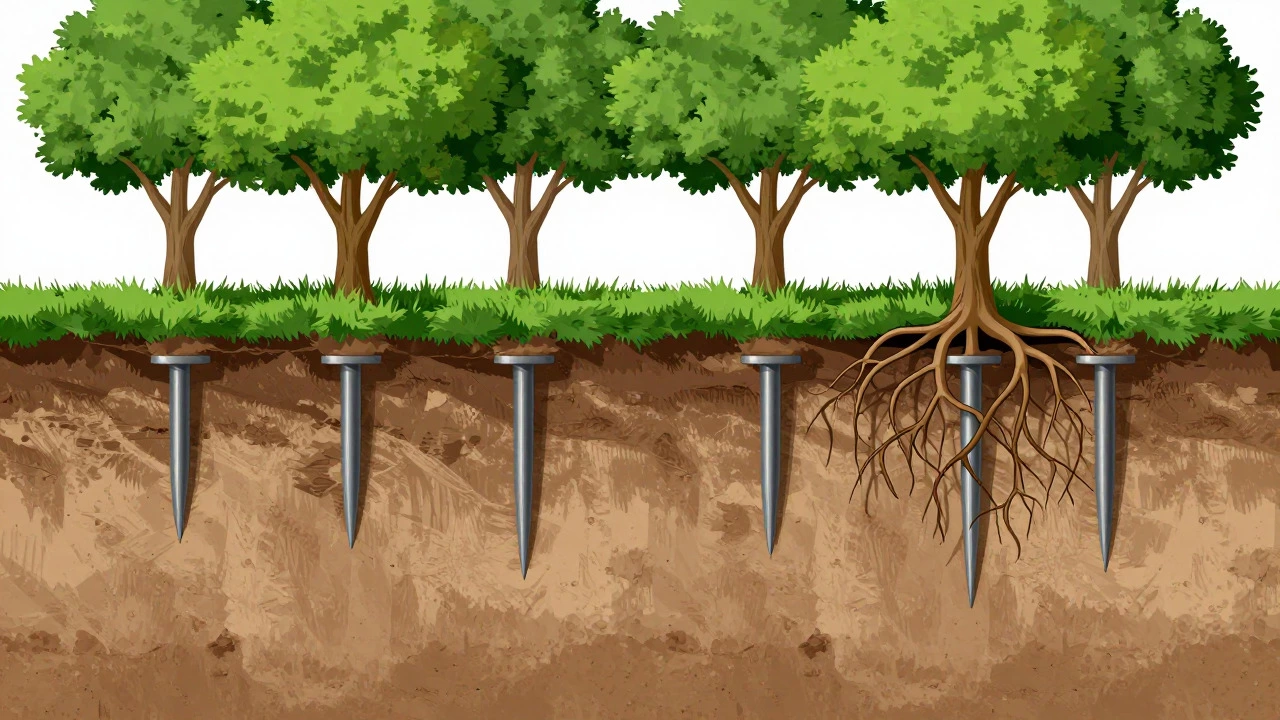
Underpinning is the heavy-duty solution. Steel piers are driven deep into the ground until they reach stable soil or bedrock. The foundation is then lifted and supported by these piers. This is necessary for severe settlement issues.
For homeowners in London, finding a specialist familiar with clay soil dynamics is critical. Standard repair methods might not account for the unique challenges posed by expansive clays.
Preventing Future Damage
Once repaired, maintaining your foundation is key to preventing recurrence. Proper drainage is the most important factor. Ensure gutters and downspouts direct water away from the house. Grade your yard so water flows away from the foundation, not toward it.
Keep vegetation away from the foundation. Tree roots can absorb large amounts of water, causing soil shrinkage and subsequent settling. Conversely, keeping the soil evenly moist during dry periods can prevent excessive shrinking.
Regular inspections are vital. Check for new cracks annually, especially after extreme weather events. Early detection saves money and stress.
How big of a crack is dangerous?
Any crack wider than 1/4 inch is considered potentially dangerous. Horizontal cracks of any width should be inspected immediately due to the risk of wall collapse. Stair-step cracks wider than 1/8 inch also warrant professional attention.
Can I fix a foundation crack myself?
You can seal small, non-structural hairline cracks with epoxy or polyurethane kits available at hardware stores. However, structural cracks requiring stabilization, such as horizontal or wide stair-step cracks, need professional intervention to ensure safety.
Does home insurance cover foundation cracks?
Standard home insurance policies often exclude gradual settling or wear and tear. However, if the crack results from a sudden event like a tree falling on the house or a burst pipe, it may be covered. Flood insurance might cover water-related damage, but not the structural repair itself. Always check your specific policy terms.
How much does foundation repair cost in the UK?
Costs vary widely based on severity. Simple sealing costs £500-£1,500. Carbon fiber reinforcement ranges from £2,000-£5,000. Underpinning can exceed £30,000 for larger properties. Getting multiple quotes from certified specialists is recommended.
Will a cracked foundation lower my home value?
Yes, unrepained foundation issues significantly reduce market value. Even with repairs, disclosure requirements can make buyers wary. Obtaining a warranty for the repair work can help mitigate concerns and preserve value.