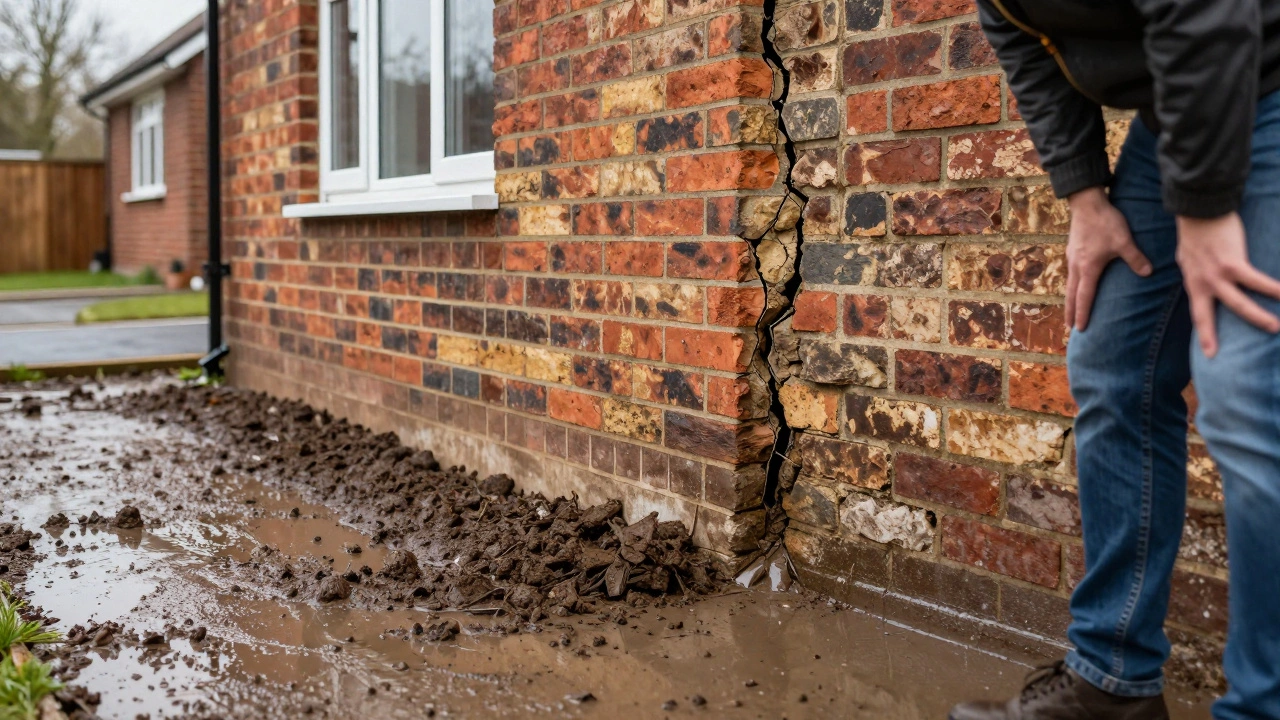
Foundation Repair Timing & Cost Estimator
Click a season below to see specific conditions and adjust your estimated cost:
Spring
Thawing Ground
Summer
Dry & Shrinkage
Autumn
Stable Conditions
Winter
Frozen Ground
Spring Analysis
Conditions
Estimated Cost Impact
Cracks in your basement walls or doors that stick when you open them are never good signs. They usually mean your house is moving, and the ground beneath it is shifting. If you have noticed these issues, you might be wondering if you should wait for a specific season to get it fixed. The short answer is: don't wait too long. However, timing does matter for cost, speed, and effectiveness.
Many homeowners believe there is a perfect "magic month" for foundation repair, which is the process of stabilizing and leveling a building's base to prevent structural damage. While winter isn't ideal due to frozen ground, and summer can bring dry soil challenges, the truth is more nuanced. The best time depends on your local climate, the type of soil under your home, and the severity of the problem.
The Myth of the "Perfect" Season
You might hear contractors say spring is the best time because the ground thaws. Others argue autumn is better because the weather is mild. Both have points, but neither is a universal rule. Your house sits on soil, and soil behaves differently depending on water content. When soil expands (swells) or shrinks, it pushes or pulls on your foundation. This movement causes cracks and settling.
If you ignore the problem hoping for better weather, you risk making it worse. A small crack can become a large structural issue if the shift continues unchecked. Delaying repair by six months or a year can double or triple the final bill. So, while seasonal factors influence the *method* of repair, they shouldn't dictate *when* you start the process.
Spring: Thawing Ground and Rising Water
In regions with cold winters, spring brings the thaw. As snow melts and rain falls, the soil absorbs water. Clay soils, common in many parts of the US and UK, expand significantly when wet. This expansion can push against foundation walls, causing bowing or cracking.
- Pros: The ground is workable after the frost melts. Contractors are available as their schedules clear up from winter delays. You can see active water intrusion issues clearly.
- Cons: Heavy rains can delay excavation work. Mud makes access difficult for heavy machinery. Soil pressure is at its highest, so repairs need to account for maximum load.
If you live in an area with high rainfall in spring, like Seattle or London, you might face scheduling conflicts. But if your foundation is actively leaking or shifting, waiting for drier weather could lead to mold growth or further structural compromise. In these cases, immediate intervention with interior drainage systems or wall anchors is often the right move.
Summer: Dry Soil and Shrinkage
Summer brings heat and drought. When soil loses moisture, especially clay, it shrinks. This shrinkage creates voids under your foundation, leading to settling. Your house literally sinks into the empty space left by the shrinking earth. This is why you often see new cracks appear in late summer or early autumn.
- Pros: Dry conditions make excavation easier and faster. No mud means cleaner worksites. Concrete cures well in warm temperatures.
- Cons: High demand for contractors leads to higher prices and longer wait times. Extreme heat can cause rapid drying of fresh concrete if not managed properly.
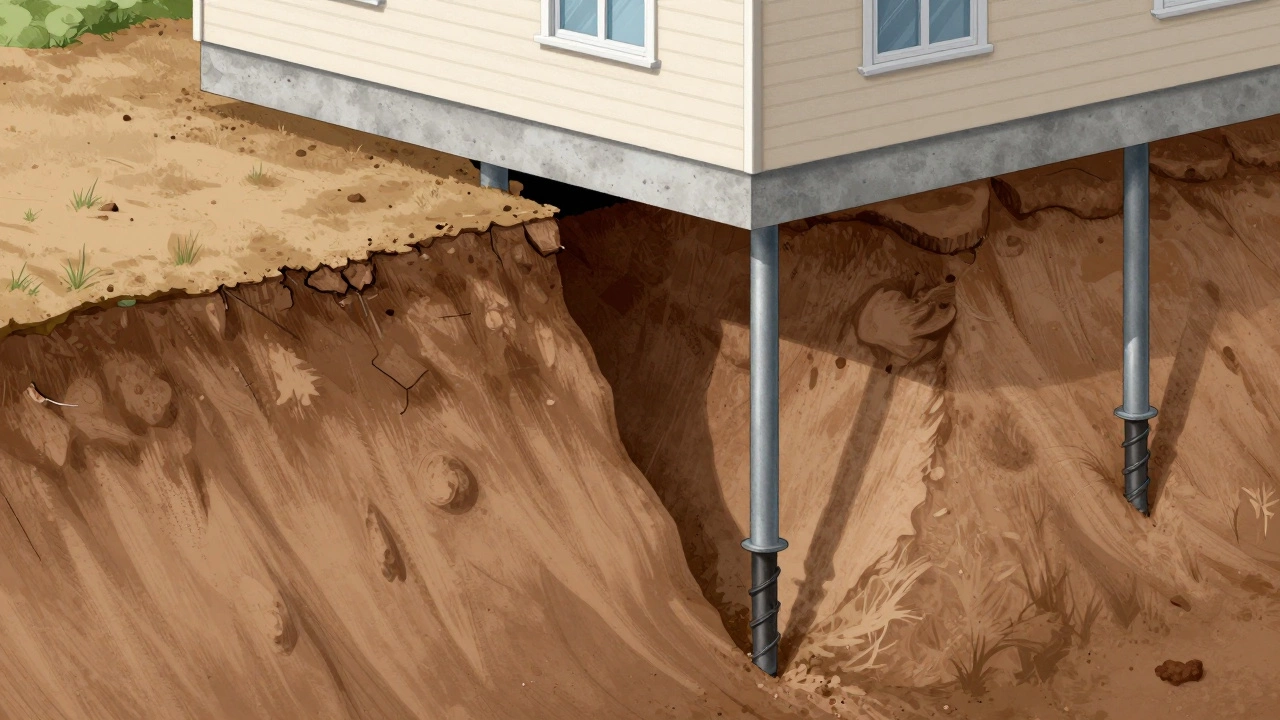
For homes on expansive clay soils, summer is a critical observation period. If your foundation has settled during the dry months, repairing it then ensures the structure is stabilized before the rainy season returns. Hydraulic piers or helical piers are commonly used here to lift and support the foundation back to level.
Autumn: Mild Weather and Stable Conditions
Many experts consider autumn the most balanced season for foundation work. The ground is no longer saturated from spring rains, nor is it completely dry from summer heat. Temperatures are moderate, which is ideal for both workers and materials.
- Pros: Ideal working conditions for crews. Soil moisture is relatively stable. Prices may drop slightly as contractors try to fill schedules before winter.
- Cons: Unpredictable weather in some regions can still cause delays. Shorter daylight hours can slow progress.
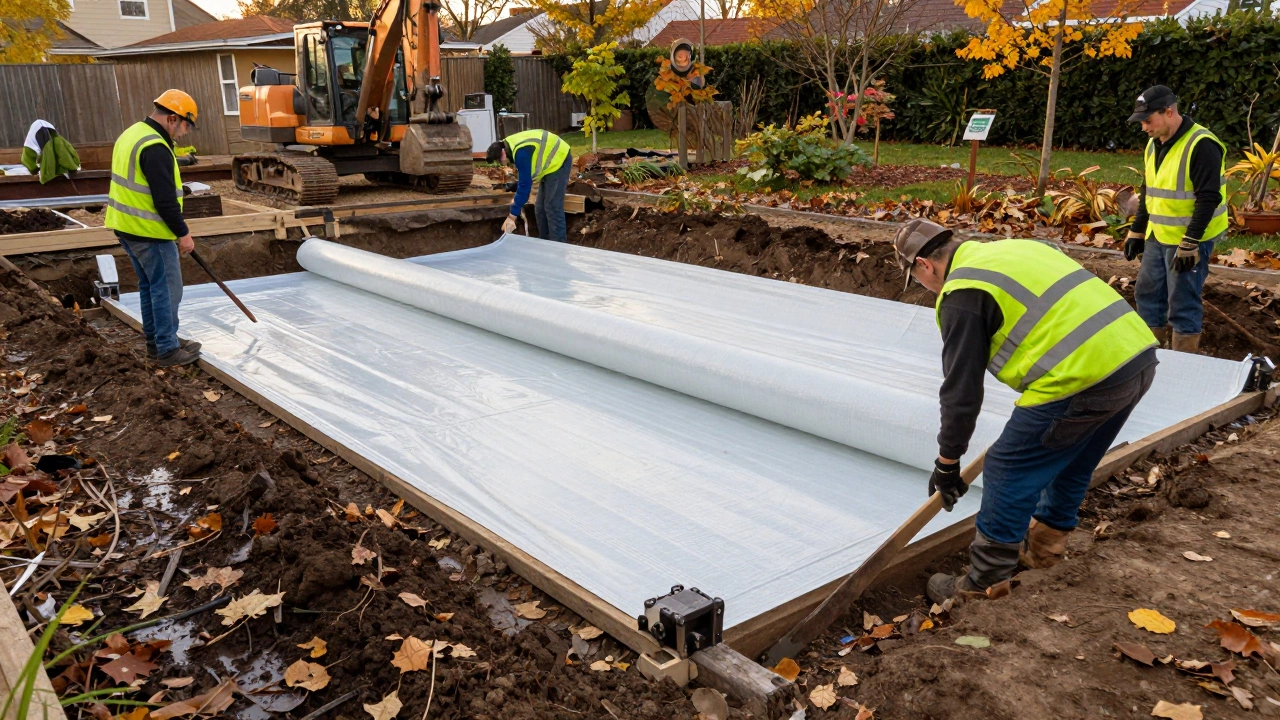
Autumn is particularly good for exterior repairs, such as installing waterproofing membranes or improving grading around your home. Since the ground isn't frozen, excavators can dig trenches easily. It’s also a smart time to address gutters and downspouts, ensuring water is directed away from the foundation before the heavy rains arrive.
Winter: Frozen Ground and Limited Options
Winter is generally the least desirable time for major foundation repairs. Frozen ground is hard as rock, making excavation nearly impossible without specialized equipment. Snow and ice create safety hazards and logistical nightmares.
- Pros: Lower demand might mean faster response times for emergency assessments. Some interior repairs (like epoxy injection for cracks) can be done regardless of outside temperature.
- Cons: Excavation is extremely difficult and expensive. Concrete curing is slowed by cold temperatures. Access to the site is limited.
However, if you discover a severe issue in winter, don’t just wait. Call a professional immediately. They can perform temporary shoring or install interior solutions to stabilize the structure until spring. Ignoring a collapsing wall in January because you want to wait for March is a dangerous gamble.
Soil Type Matters More Than Calendar Dates
Your location dictates your soil type, which in turn dictates your foundation risks. Understanding this helps you time your repairs more effectively.
| Soil Type | Behavior | Best Repair Window | Risk Period |
|---|---|---|---|
| Expansive Clay | Swells when wet, shrinks when dry | Autumn (stable moisture) | Late Summer (drought), Spring (rain) |
| Sandy Soil | Drains quickly, less movement | Any time (low risk) | Heavy flooding events |
| Silt | Holds water, prone to erosion | Dry seasons | After heavy rains |
| Rocky | Very stable, minimal movement | Any time | Seismic activity |
If you live in Texas or Oklahoma, where expansive clay is common, you’ll experience significant seasonal movement. Repairs done in late autumn, after the soil has dried out from summer but before winter freezes, often provide the most accurate baseline for leveling. In contrast, if you live in Florida with sandy soil, timing matters less because the soil doesn’t swell or shrink dramatically.
Cost Considerations Across Seasons
Money talks. If budget is your primary concern, timing can save you thousands. Foundation repair is not cheap, averaging between $5,000 and $15,000 depending on the method and extent of damage.
- Peak Season (Spring/Early Summer): Demand is high. Contractors are busy. Prices are at their standard rate. Expect to pay full price.
- Off-Season (Late Autumn/Winter): Demand drops. Some contractors offer discounts to keep crews working. You might save 10-20%.
- Emergency Repairs: Regardless of season, emergency stabilization costs extra due to overtime labor and expedited material delivery.
However, be cautious of deep discounts in winter. Ensure the contractor isn’t cutting corners on materials or labor. Always check reviews and ask for references. A cheap repair that fails in two years is far more expensive than a properly done job upfront.
How to Prepare Your Home for Any Season
While you decide on the timing, there are steps you can take immediately to mitigate further damage. These actions are effective year-round and show contractors that you’re proactive.
- Improve Grading: Ensure the ground slopes away from your house. At least 6 inches of drop over the first 10 feet is recommended. This prevents water from pooling near the foundation.
- Clean Gutters: Clogged gutters overflow and dump water directly next to your foundation. Clean them twice a year, ideally in spring and autumn.
- Extend Downspouts: Use extensions to direct water at least 5 feet away from your home. Splash blocks help but aren’t enough on their own.
- Monitor Cracks: Use a piece of tape across cracks or mark them with a date. Check monthly to see if they are widening. Take photos for documentation.
- Control Vegetation: Large trees close to your house can suck moisture from the soil, causing shrinkage. Keep roots at a safe distance or consult an arborist.
When to Call a Professional Immediately
Some signs indicate urgent action is needed, regardless of the season. Don’t wait for the "right" time if you notice:
- Sticking Doors and Windows: If multiple doors jam suddenly, your frame is twisting.
- Large Horizontal Cracks: In basement walls, horizontal cracks suggest external pressure and potential failure.
- Floor Sloping: If you feel like you’re walking downhill in your living room, the slab is sagging.
- Gaps Around Frames: Visible separation between walls and ceilings or floors indicates significant movement.
In these cases, call a licensed structural engineer or foundation specialist within 48 hours. They can assess the stability and recommend temporary measures if necessary.
Is it cheaper to fix a foundation in winter?
Potentially, yes. Contractors may offer discounts during winter to maintain cash flow. However, excavation costs can rise if special equipment is needed for frozen ground. Always compare quotes carefully and ensure the discount doesn’t compromise quality.
Can I do foundation repairs myself?
No. Foundation repair requires heavy machinery, engineering knowledge, and specialized skills. DIY attempts can worsen the problem and void your home insurance. Always hire a licensed professional.
How long does foundation repair take?
Most residential repairs take 1 to 3 days. Complex projects involving extensive excavation or pier installation may take up to a week. Weather delays can extend this timeline.
Does foundation repair increase home value?
Yes, a repaired foundation restores structural integrity and marketability. Homes with unresolved foundation issues are hard to sell. Providing documentation of the repair can reassure buyers and justify the asking price.
What is the most common foundation repair method?
Hydraulic piers and helical piers are among the most common methods for lifting and stabilizing settling foundations. Wall anchors and carbon fiber straps are frequently used for bowing basement walls.