Foundation Crack Severity Calculator
Crack Measurement
Result & Recommendations
Enter the crack width to assess severity and receive recommendations.
If you’ve noticed a horizontal crack in your foundation, it’s not just a cosmetic issue. Unlike stair-step cracks or hairline fractures, horizontal cracks are a red flag - and they’re often more dangerous than people realize. They don’t show up overnight, but when they do, they’re usually telling you something serious is happening beneath your home. In London, where older homes sit on clay-rich soil and seasonal moisture swings are common, horizontal cracks are one of the top reasons homeowners call foundation specialists. The good news? You don’t have to panic. The better news? You need to act fast.
Why Horizontal Cracks Are Different
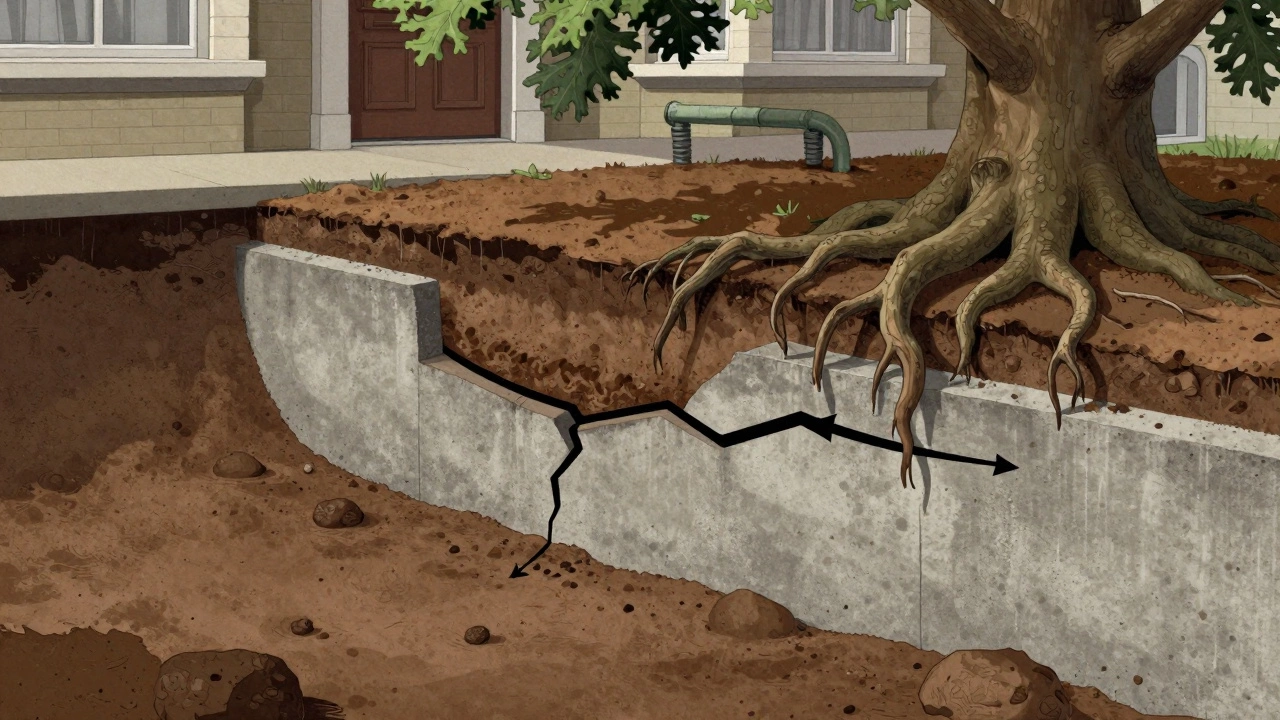
Most foundation cracks are vertical or diagonal. These happen because concrete shrinks as it cures, or because of minor settling. They’re common, usually harmless, and often sealed with epoxy or polyurethane. But horizontal cracks? They’re not about shrinkage. They’re about pressure. A horizontal crack runs parallel to the ground, typically along the bottom third of a basement wall. It means the wall is bending inward under pressure from outside soil. That pressure comes from waterlogged soil after heavy rain, frozen ground in winter, or poor drainage around the foundation. In clay soils - which make up much of London’s subsoil - this pressure can build up over months. The wall doesn’t just crack; it bows. And once it starts to bow, it doesn’t stop unless you intervene.What Level of Damage Are You Looking At?
Not all horizontal cracks are created equal. Size matters, but so does shape and location.- Less than 1/8 inch wide: Might be early warning. Still needs monitoring, but not immediately critical.
- 1/8 to 1/4 inch: Moderate damage. The wall is under stress. This is where most homeowners start seeing doors stick or floors slope.
- Over 1/4 inch: Severe. The wall is significantly bent. Risk of collapse increases. Immediate professional assessment is required.
Also look for other signs: is the crack wider at the top than the bottom? That means the wall is bowing inward. Is there a visible bulge? That’s even worse. If you can see daylight through the crack, or if water leaks in during storms, you’re past the point of DIY fixes.
What Causes Horizontal Cracks in London Homes?
London’s foundation problems aren’t random. They’re tied to the city’s geology and climate.- Clay soil expansion: Clay swells when wet and shrinks when dry. This movement puts constant pressure on basement walls. Homes built in the 1930s-1970s often have thin, unreinforced concrete walls that can’t handle this.
- Poor drainage: Downspouts that empty too close to the house, or gutters that are clogged, let water pool next to the foundation. One heavy winter storm can push enough water into the soil to crack a wall.
- Tree roots: Mature trees - especially oaks and maples - can grow roots that push against foundations. This is common in garden terraces and older suburbs like Hampstead or Richmond.
- Old construction: Many London homes built before 1980 used unreinforced concrete or block walls. These don’t have steel rebar to hold them together under pressure.
One real case from a home in Ealing: a 1/3-inch horizontal crack appeared after three weeks of heavy rain. The homeowner ignored it for months. By the time they called a specialist, the wall had bowed 1.5 inches inward. Repairs cost over £8,000. A simple drainage fix two years earlier would’ve cost £800.
What Happens If You Ignore It?
Ignoring a horizontal crack is like ignoring a leaky pipe behind a wall. At first, it’s just damp. Then the drywall swells. Then the structure shifts. Then the whole thing becomes unstable.- Doors and windows stick or won’t close.
- Floors slope noticeably - especially on the ground floor.
- Plumbing lines crack or leak as the foundation moves.
- Wall tiles and plaster crack in a spiderweb pattern.
- In extreme cases, the wall collapses inward - which can bring down part of the floor above.
Insurance rarely covers foundation damage unless it’s caused by a sudden event like a burst pipe. Most policies exclude gradual damage from soil pressure. So if you wait too long, you’re on the hook for the full cost.
How to Fix It - And What Not to Do
There are two paths: temporary fixes and permanent repairs.Don’t:
- Just seal the crack with caulk or epoxy. That’s like putting a bandage on a broken bone.
- Ignore it because “it hasn’t gotten worse.” Cracks don’t heal. They only get worse.
- Try to brace it yourself with wood or metal beams. This can make things worse by masking the real problem.
Do:
- Check drainage: Make sure gutters are clean and downspouts extend at least 6 feet from the house. Install French drains if needed.
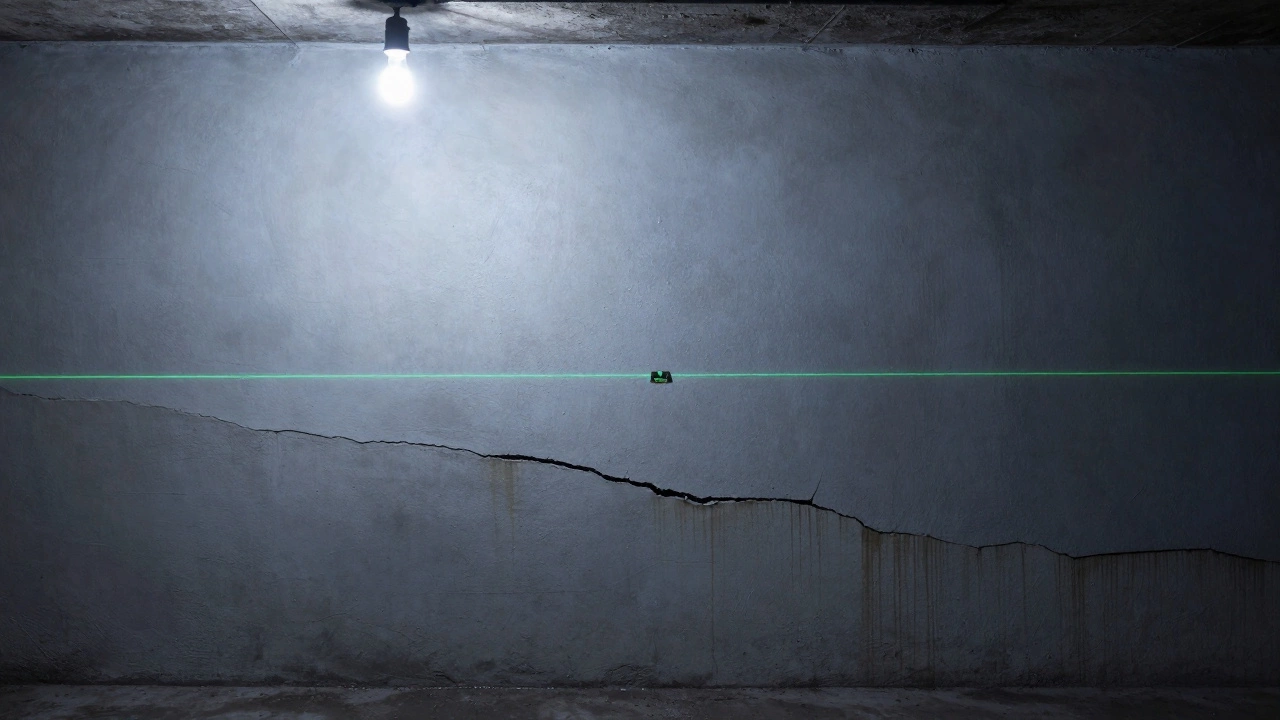
- Get a professional inspection: A structural engineer or certified foundation specialist will measure the crack, check for bowing with a laser level, and assess soil moisture. Many offer free estimates.
- Install wall anchors or carbon fiber strips: For moderate cracks, carbon fiber strips (installed with epoxy) can stop further movement. For severe cases, steel wall anchors or helical piers are used to pull the wall back into place.
- Improve exterior waterproofing: If the crack is due to water pressure, installing a drainage system outside the foundation and sealing the exterior wall with waterproof membrane is the most effective long-term fix.
One homeowner in Croydon had a 1/4-inch crack. A specialist installed carbon fiber strips and regraded the yard. The repair took two days. Cost: £2,200. No further movement in two years.
When to Call a Professional
You don’t need to wait for disaster. Call a foundation specialist if:- The crack is wider than 1/8 inch.
- You notice bowing, bulging, or leaning walls.
- Doors or windows are sticking, especially on the ground floor.
- There’s water leaking in during rain.
- The crack is growing - even slowly.
Most reputable firms in London offer free inspections. They’ll use tools like laser levels, moisture meters, and crack gauges to measure movement over time. Don’t trust a company that wants to replace your entire foundation on day one. The best solutions are targeted and minimally invasive.
Prevention Is Cheaper Than Repair
The best way to avoid horizontal cracks? Stop the pressure before it starts.- Keep gutters clean every autumn.
- Extend downspouts away from the house.
- Grade soil away from the foundation - at least 1 inch per foot for 6 feet.
- Plant trees at least 10 feet from the house.
- Check basement walls once a year - especially after heavy rain or freezing spells.
Simple habits like these can save you thousands. One family in Brixton started checking their basement every spring. They caught a tiny crack in 2024. A £300 sealant job and improved drainage stopped it cold. Two years later, the crack hasn’t changed.
Final Thought: It’s Not a Matter of If - But When
Horizontal foundation cracks don’t disappear. They don’t heal. And they don’t stay the same. Left alone, they get worse. The longer you wait, the more expensive and invasive the fix becomes. But if you catch it early - and act with the right solution - you can stop it before it becomes a crisis.Your foundation holds up everything else. Don’t wait until the walls start leaning.
Are horizontal foundation cracks always serious?
Not always - but they’re always a warning. Hairline horizontal cracks under 1/8 inch might be from minor settling and can be monitored. But any crack wider than that, especially if it’s growing, bowing, or letting in water, indicates structural stress. In London’s clay soil, even small cracks can expand over time due to seasonal moisture changes. Don’t assume it’s harmless.
Can I fix a horizontal foundation crack myself?
You can seal the surface with epoxy or polyurethane to stop water, but that doesn’t fix the underlying cause. Horizontal cracks are caused by pressure from outside soil - sealing the crack is like taping a broken bone. If the wall is bowing or the crack is wider than 1/8 inch, you need structural repairs like carbon fiber strips, wall anchors, or underpinning. DIY fixes won’t stop further movement.
How much does it cost to repair a horizontal foundation crack in London?
Costs vary based on severity. Minor cracks with carbon fiber strips: £1,500-£3,000. Moderate bowing with wall anchors: £4,000-£7,000. Severe cases requiring underpinning or excavation: £8,000-£15,000. Drainage improvements alone (gutters, French drains) can cost £800-£2,000 and often prevent further damage. Always get at least two quotes.
Will my home insurance cover foundation crack repairs?
Almost never. Most home insurance policies in the UK exclude damage from gradual ground movement, soil pressure, or poor drainage - which are the main causes of horizontal cracks. Insurance only covers sudden events like a burst pipe or landslide. If your crack developed over months or years, you’ll likely pay out of pocket. That’s why early detection and drainage maintenance are so important.
How can I tell if a crack is getting worse?
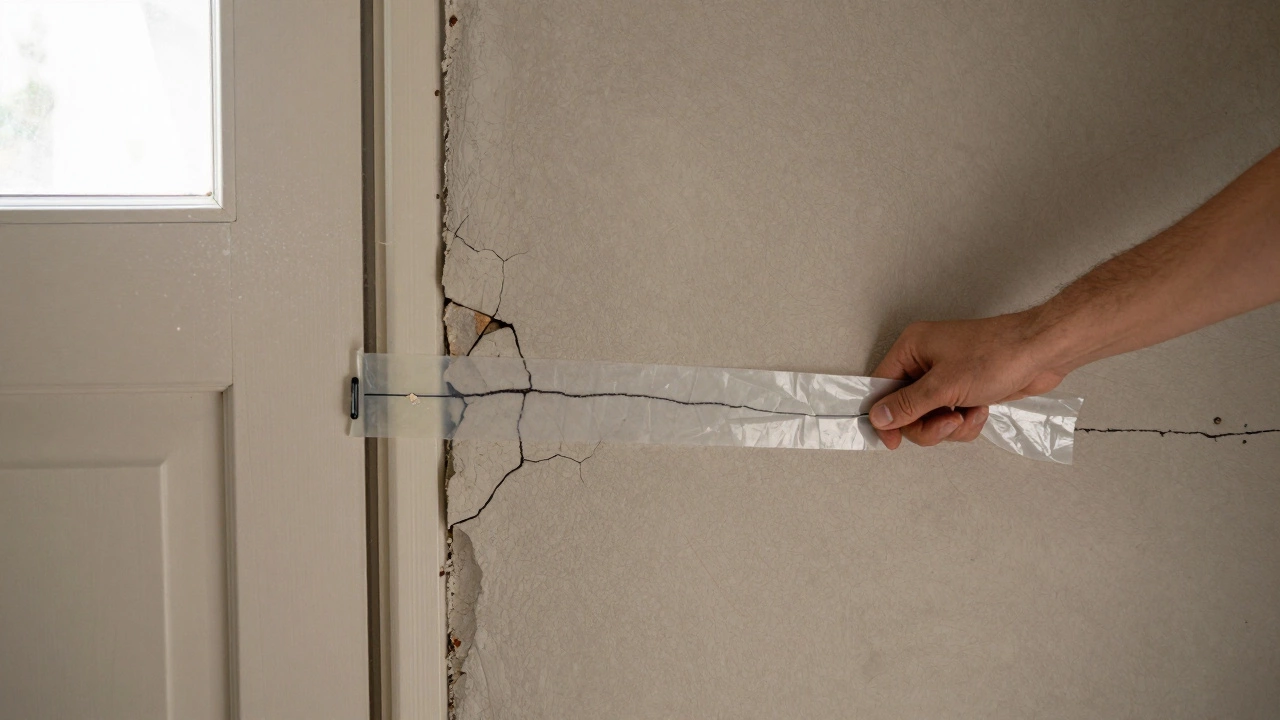
Use a simple method: place a piece of tape across the crack and mark the edges with a pen. Check it every month. If the tape tears or the gap widens, the crack is active. For more precision, use a crack gauge (available online for under £20). If the crack grows more than 1 mm per month, it’s time to call a professional. Movement over time is the biggest red flag.