Foundation Crack Severity Assessor
Measure your crack and select its characteristics to determine the appropriate action plan.
Crack Characteristics
Enter Details
Please enter your crack measurements and observations above, then click "Assess Risk Level" to see the recommended actions.
You spot a jagged line snaking across your basement wall or running diagonally from a window corner. Your stomach drops. Is this the beginning of the end for your home? Before you call in the heavy machinery, take a breath. Most cracks are cosmetic nuisances, not catastrophic failures. But knowing the difference between a harmless shrinkage mark and a warning sign of structural damage requires understanding specific measurements and patterns.
The short answer? A hairline crack under 1/8 inch (3 mm) is usually fine. Anything wider than 1/4 inch (6 mm) demands attention. But size isn't the only story. The direction, location, and whether the crack is active matter just as much. Let's break down exactly what those numbers mean for your property.
The Golden Rule of Crack Widths
Structural engineers use specific thresholds to categorize risk. It’s not arbitrary; these limits come from how concrete and masonry behave under stress. Here is the breakdown you need to memorize:
- Hairline Cracks (< 1/16 inch or 1.5 mm): These are virtually invisible without a magnifying glass. They are almost always caused by concrete curing shrinkage. Ignore them unless they start widening.
- Minor Cracks (1/16 to 1/8 inch / 1.5-3 mm): Common in older homes. These can be sealed with caulk or epoxy injection for aesthetics and moisture prevention. No structural threat here.
- Moderate Cracks (1/8 to 1/4 inch / 3-6 mm): This is the gray zone. You should monitor these closely. If they stay stable, they might remain cosmetic. If they grow, they indicate movement that needs professional assessment.
- Severe Cracks (> 1/4 inch / 6 mm): Stop guessing. Call a structural engineer. Cracks this wide often signal significant soil movement, settling, or heaving that compromises load-bearing capacity.
Why 1/4 inch? Because at this width, water infiltration becomes a major issue, and the concrete loses its ability to transfer loads effectively across the crack. In London, where clay soils expand and contract with seasonal moisture changes, even smaller cracks can be deceptive if they show signs of activity.
Direction Matters More Than Width Sometimes
A narrow vertical crack might be less concerning than a slightly wider horizontal one. Why? Because the orientation tells you the force causing it.
| Crack Type | Likely Cause | Risk Level | Action Required |
|---|---|---|---|
| Vertical | Concrete shrinkage during curing | Low | Monitor; seal if leaking |
| Horizontal | Bowing walls due to soil pressure | High | Immediate engineering review |
| Diagonal (Stair-step) | Differential settlement | Medium-High | Check for door/window sticking |
| Map-pattern | Surface drying/curing issues | Low | Cosmetic repair only |
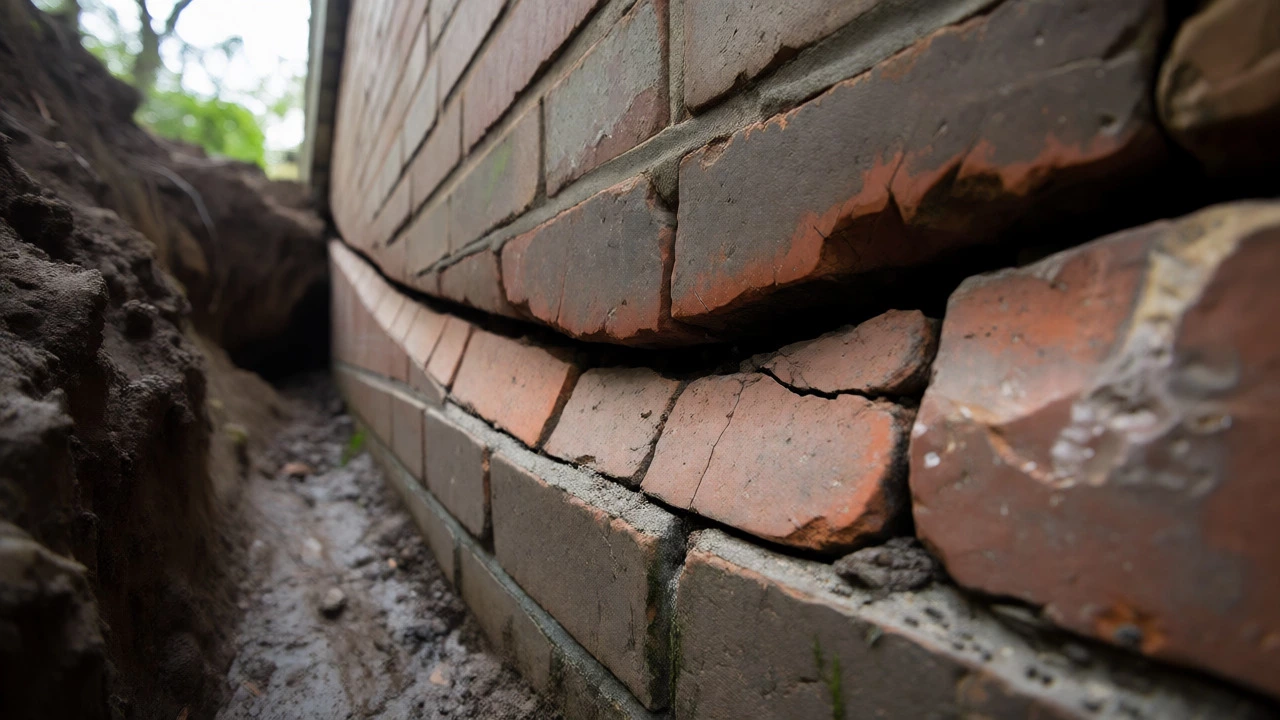
Horizontal cracks are the red flags of the foundation world. They usually appear on block or brick walls when wet soil outside pushes against the foundation, causing it to bow inward. Even if the crack is only 1/8 inch wide, if it’s horizontal and located near the top third of the wall, treat it as serious. Vertical cracks, conversely, are typically benign. Concrete shrinks as it dries, creating tension that snaps the material vertically. Unless it’s extremely wide, it’s rarely a structural concern.
Active vs. Dormant: The Tape Test
Size alone doesn’t tell you if a crack is dangerous. An old, dormant 1/4-inch crack might be stable and safe, while a new, growing 1/8-inch crack could be accelerating toward failure. How do you know if a crack is "active"?
Perform the tape test. Clean the area around the crack thoroughly. Apply a piece of masking tape or paper tape directly over the crack. Write today’s date on it. Wait two to four weeks. Check back.
If the tape is broken or wrinkled, the crack has moved. That means the foundation is still shifting. Active movement is far more critical than static width because it implies ongoing stress. If the tape remains intact and flat, the crack is likely dormant. While you should still monitor it, immediate panic isn’t necessary.
In regions like London, seasonal changes play a huge role. Clay soils swell in winter and shrink in summer. You might see cracks open up in dry months and close slightly in wet ones. If your tape test spans a season change, you’ll get a clearer picture of true structural movement versus thermal expansion.
When Cosmetic Becomes Structural
Sometimes, the crack itself isn’t the problem-it’s the symptom of a larger issue. Look for these accompanying signs inside your home:
- Doors and windows that stick: If frames no longer sit square, the house frame has twisted.
- Floors that slope: Use a marble or ball bearing. If it rolls consistently to one side, you have differential settlement.
- Gaps around baseboards: Separation between floors and walls indicates movement.
- Chimney tilting: A leaning chimney often points to foundation failure on that side of the house.
If you see a 1/8-inch crack alongside a sticking front door, the context elevates the risk. The crack is confirming that the structure is moving enough to affect interior finishes. Conversely, an isolated 1/4-inch crack in a detached garage slab with no other symptoms is likely just poor compaction during construction, not a crisis.
Repair Strategies Based on Severity
Once you’ve assessed the width and activity, choose the right fix. Using the wrong method wastes money and time.
For Hairline and Minor Cracks (< 1/8 inch): Use a flexible silicone or polyurethane caulk. This keeps moisture out but allows slight movement. For interior aesthetics, paintable acrylic latex works well. Do not use rigid cement patches here; they will pop out as the house moves.
For Moderate Cracks (1/8 to 1/4 inch): Epoxy injection is the gold standard. Epoxy bonds stronger than the concrete itself and restores structural integrity. You drill small ports into the crack and inject low-viscosity epoxy resin. This fills the void completely. Polyurethane foam is another option, especially if water leakage is the primary concern, as it expands to fill gaps.
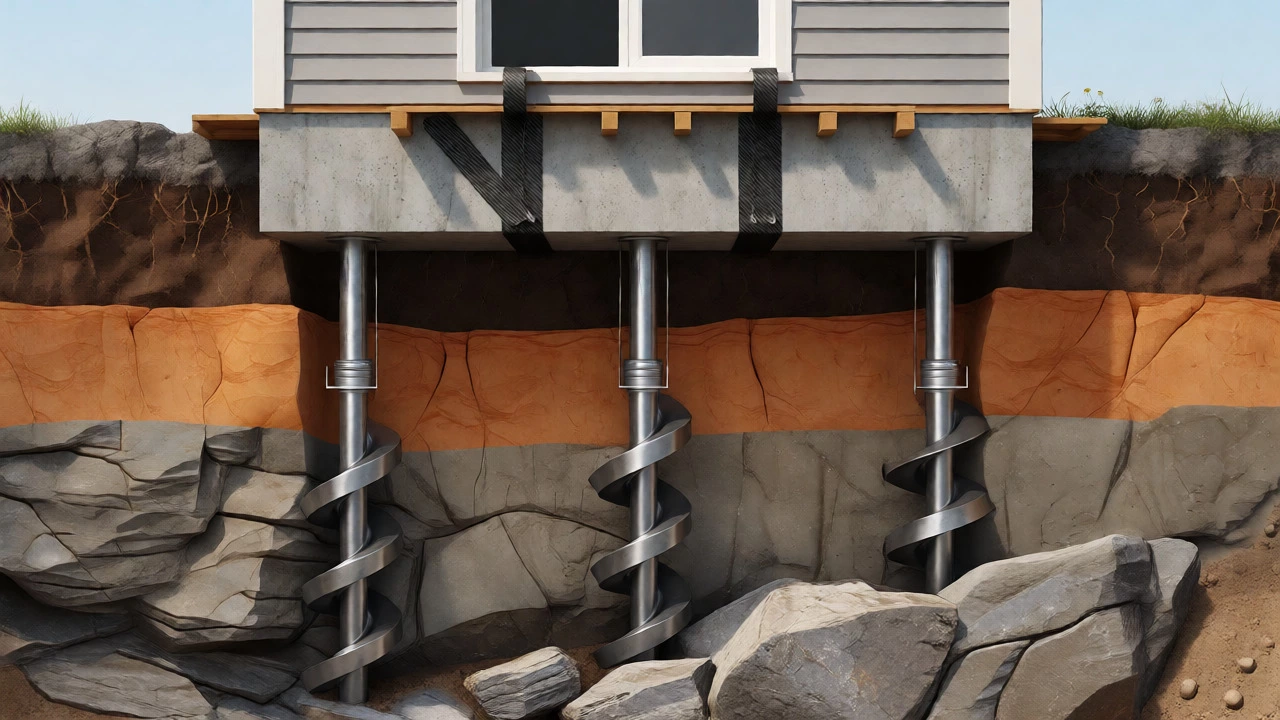
For Severe Cracks (> 1/4 inch) or Bowing Walls: Simple patching won’t cut it. You likely need mechanical stabilization. This might involve carbon fiber straps to resist tensile forces or steel I-beams to push the wall back straight. In cases of severe settlement, helical piers or push piers may be driven deep into stable soil to lift and support the foundation.
Preventing Future Cracks
You can’t stop all movement, but you can control the variables. Most foundation issues stem from water management. Keep gutters clean and extend downspouts at least six feet away from the foundation. Ensure the ground slopes away from your house (positive grading). During dry spells, especially in summer, consider using soaker hoses around the perimeter to keep the soil moisture consistent. This prevents the extreme swelling and shrinking cycles that tear foundations apart.
Remember, early detection saves thousands. A $200 epoxy job today can prevent a $15,000 pier installation five years from now. Measure your cracks. Track their progress. Act before the 1/4-inch threshold turns into a nightmare.
Is a 1/8 inch foundation crack bad?
A 1/8 inch (3 mm) crack is generally considered minor. It is often cosmetic and can be sealed for moisture protection. However, if the crack is horizontal, widening, or accompanied by sticking doors/windows, it warrants a professional inspection to rule out underlying settlement.
How much does it cost to fix a foundation crack?
Costs vary widely based on severity. DIY caulking for hairline cracks costs under $50. Professional epoxy injection typically ranges from $250 to $800 per linear foot. Major structural repairs involving piers or wall anchors can cost between $5,000 and $15,000 or more, depending on the extent of the damage.
Do all foundation cracks mean my house is sinking?
No. Many cracks result from normal concrete shrinkage during curing or temperature fluctuations. Only cracks associated with differential settlement-where parts of the foundation move at different rates-indicate sinking. Vertical hairline cracks are rarely signs of sinking.
Can I live in a house with foundation cracks?
Yes, most houses with foundation cracks are perfectly habitable. Small to moderate cracks affect value and aesthetics but don’t necessarily compromise safety. Severe structural failure requiring evacuation is rare and usually involves obvious signs like collapsed walls or extreme tilting.
What is the best way to measure a foundation crack?
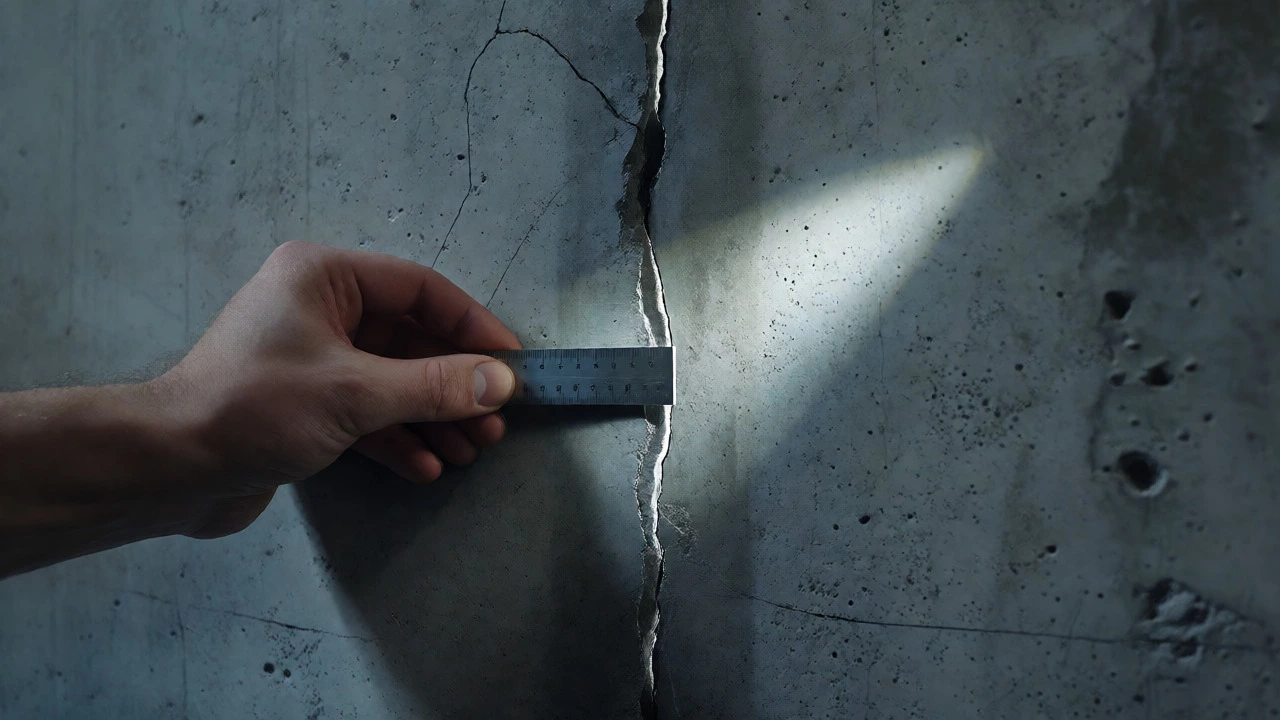
Use a crack gauge or a simple ruler held perpendicular to the surface. For accuracy, measure at several points along the crack, as width can vary. Record the widest point. For monitoring growth, apply a tape bridge across the crack and check regularly for breaks or wrinkles.