Civil Construction: What It Is and How It Shapes Your Community
When you drive on a road, walk across a bridge, or turn on your tap, you’re using the results of civil construction, the process of designing, building, and maintaining public infrastructure. Also known as public works, it’s not about houses or offices—it’s about the systems that keep towns and cities running. This isn’t glamorous work, but without it, nothing else works. You can’t have a supermarket if the delivery trucks can’t reach it. You can’t have safe drinking water if the pipes are cracked or outdated. Civil construction handles all of that.
It includes things like roads, sewers, storm drains, dams, bridges, and water treatment plants. These are built to last decades, often under strict building codes, government rules that ensure safety, durability, and environmental protection. Unlike residential or commercial construction, where you’re building for a single client, civil projects serve entire communities. They’re funded by local or national governments, and they follow long-term plans—not quick turnarounds. That’s why you’ll see projects like highway expansions or flood control systems taking years to complete. The infrastructure, the physical systems that support daily life built through civil construction doesn’t just connect places—it connects people.
Some of the posts here dig into how these systems affect your home. For example, fixing a sinking foundation isn’t just about your basement—it’s part of the larger picture of ground stability that civil engineers plan for. When you hear about new drainage systems or road resurfacing in your area, that’s civil construction at work. It’s the reason your street doesn’t flood after heavy rain, or why your local school has safe access roads. It’s also why you can’t just dig a trench in your yard without checking for buried pipes or cables—those are part of the public network.
What you’ll find in this collection isn’t a list of how-to guides for building a bridge. It’s a look at how civil construction touches your life in ways you don’t always notice. From the materials used in public buildings to how zoning laws shape development, these posts connect the dots between large-scale projects and your everyday experience. Whether you’re a homeowner dealing with ground shifts, a curious resident wondering why a road is closed, or someone considering a career in construction, this is where the real foundation of your environment is laid.
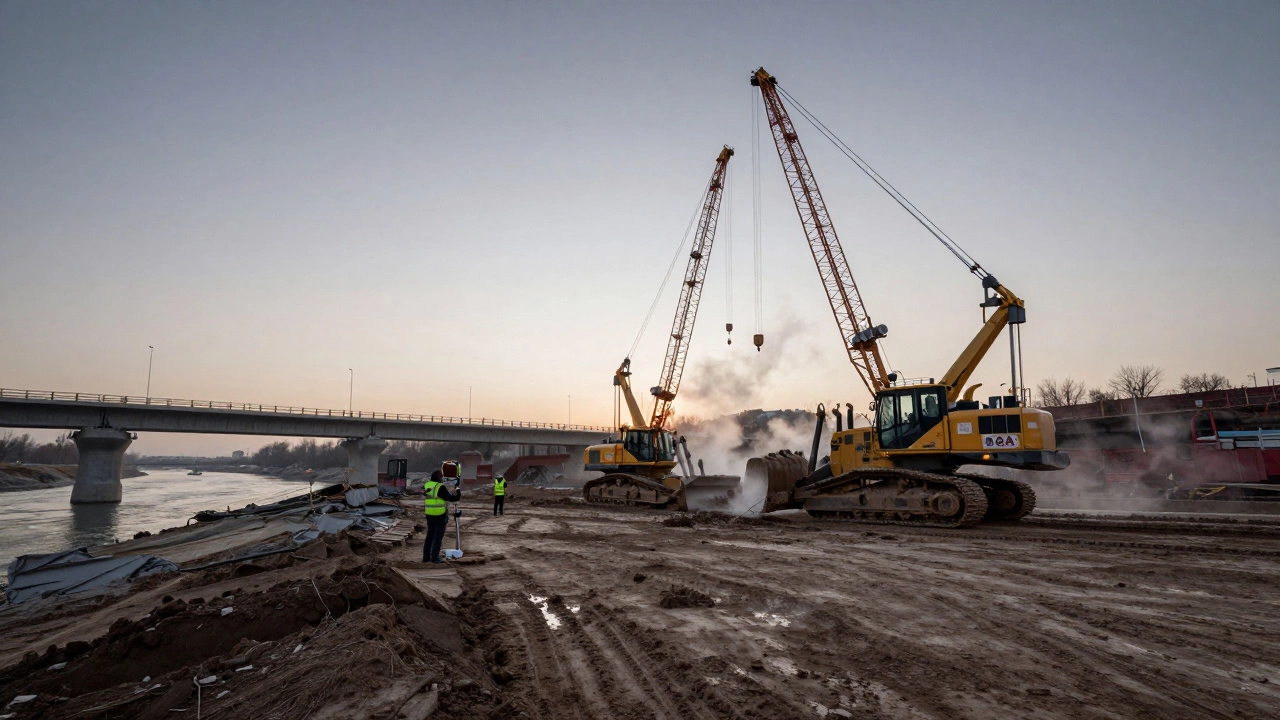
What Is the Difference Between Civil and Commercial Construction?
- Gavin Whitaker
- |
- |
- 0
Civil construction builds infrastructure like roads and bridges, while commercial construction creates buildings for business use like offices and stores. Learn how their goals, regulations, timelines, and teams differ.
View more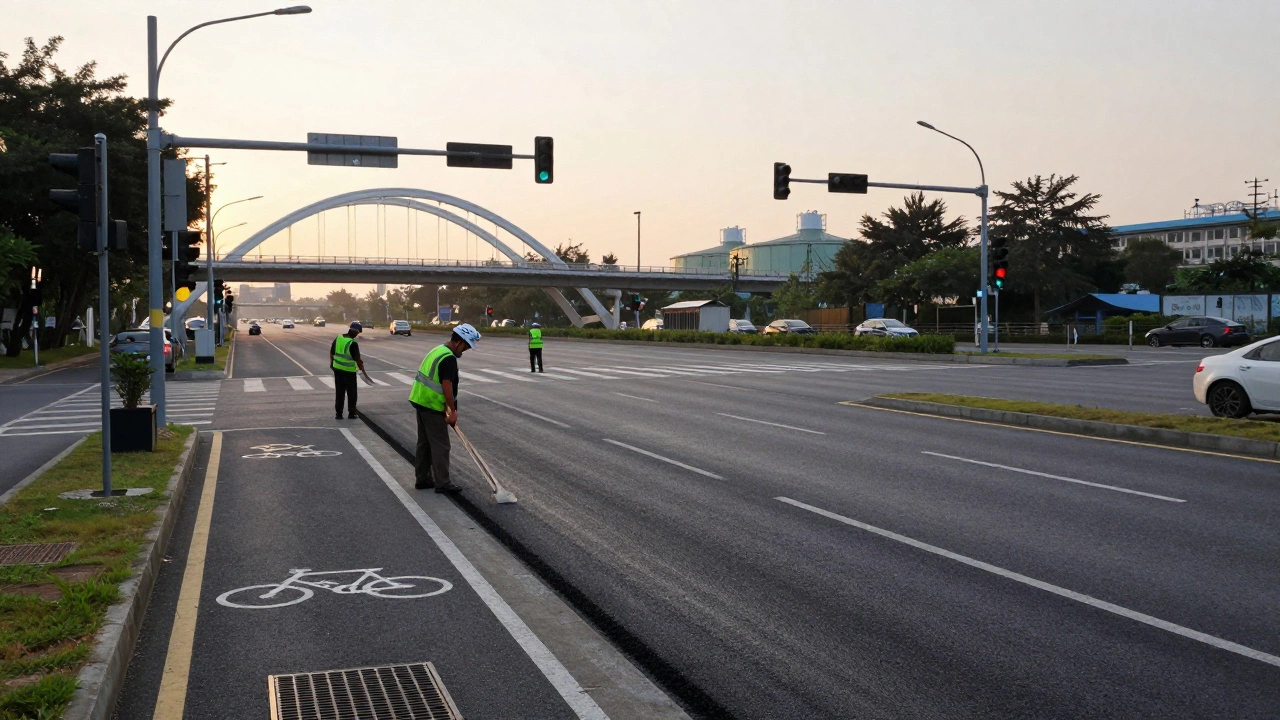
What Does Civil Construction Include? A Clear Breakdown of Key Components
- Gavin Whitaker
- |
- |
- 0
Civil construction includes roads, bridges, water systems, sewage networks, and public transit - the essential infrastructure that keeps cities running. Learn what’s included and how it differs from commercial building projects.
View more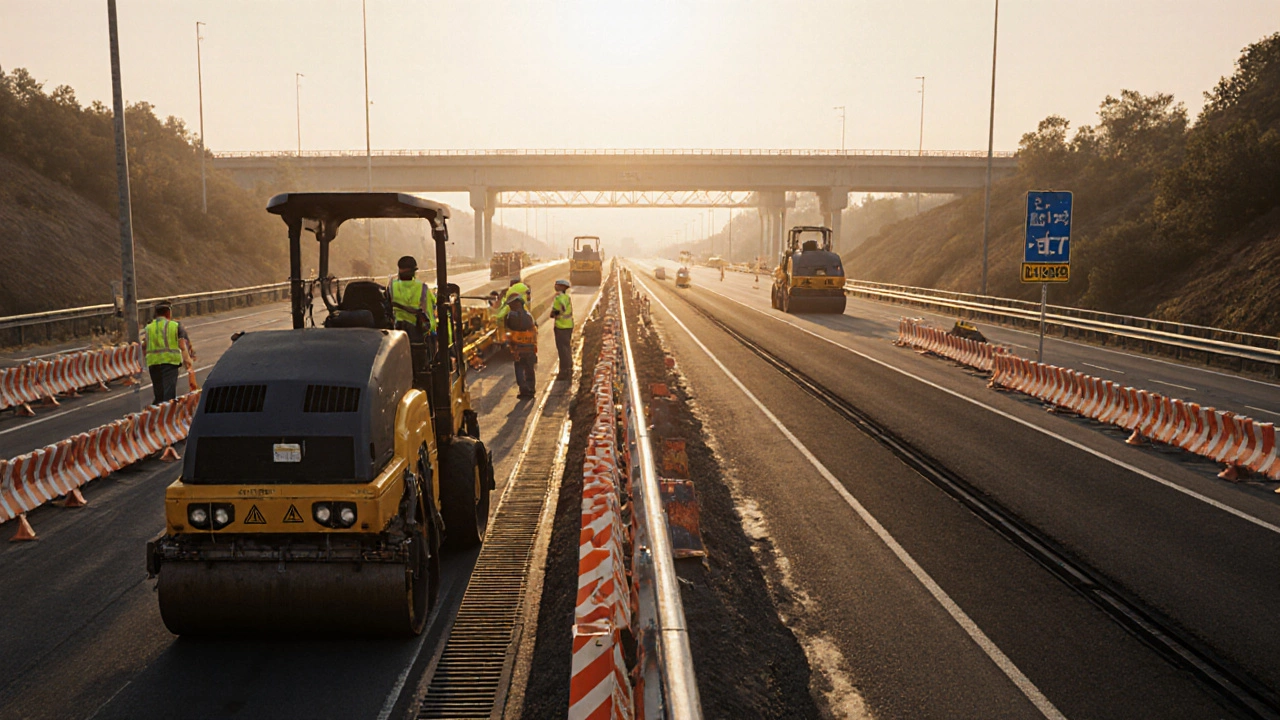
What Does Civil Construction Include? A Clear Breakdown of Key Components
- Gavin Whitaker
- |
- |
- 0
Civil construction includes roads, bridges, water systems, stormwater control, and public utilities. It's the infrastructure that keeps communities running, built by public funds and designed for long-term safety and function.
View more