Civil Construction Project Identifier
Use this tool to determine if a project falls under civil construction based on the key criteria from the article:
- 1. Is it funded by government or public agencies?
- 2. Does it serve the general public, not a single business or homeowner?
- 3. Is it part of core infrastructure (water, transport, drainage, energy)?
Civil construction isn’t just about building houses or offices. It’s the backbone of everything that keeps cities running - the roads you drive on, the water pipes under your feet, the bridges that connect neighborhoods, and the sewage systems that keep communities healthy. If you’ve ever wondered what falls under civil construction, the answer isn’t just one thing. It’s a whole system of projects designed to serve the public, not private owners.
What Exactly Is Civil Construction?
Civil construction refers to the planning, design, and building of physical infrastructure that supports public life. Unlike commercial construction, which focuses on buildings for business use - like retail stores, hotels, or office towers - civil construction is about the public realm. These are projects funded by governments or public agencies, meant to serve everyone, not just a single tenant or investor.
Think of it this way: when you turn on your tap and clean water comes out, that’s civil construction. When your bus arrives on time because the road was repaved last summer, that’s civil construction. It’s the invisible work that makes daily life possible.
Key Components of Civil Construction
Civil construction covers a wide range of projects. Here are the main ones you’ll find across cities and towns:
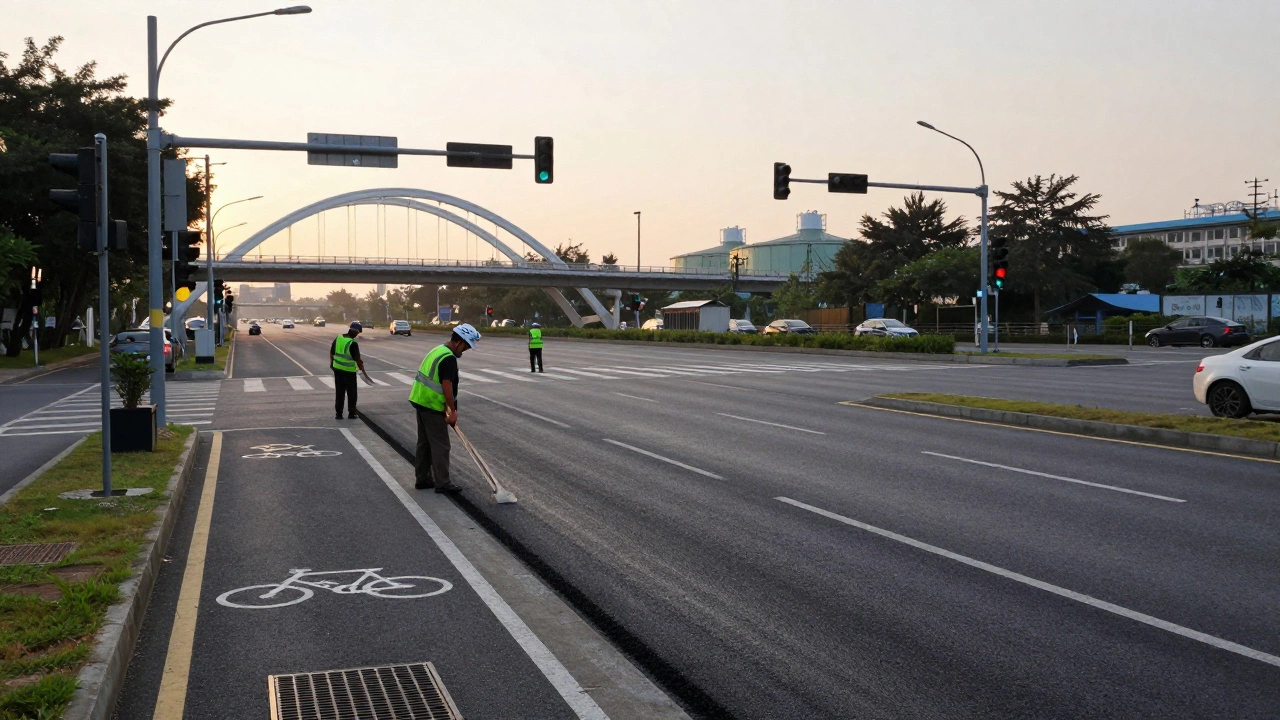
- Roads and highways - From local streets to multi-lane freeways, these are the most visible part of civil construction. They include pavement, drainage, signage, lighting, and bike lanes.
- Bridges and tunnels - These structures connect areas separated by rivers, valleys, or urban barriers. They require precise engineering to handle heavy loads and weather over decades.
- Water supply systems - This includes reservoirs, treatment plants, pipelines, and pumping stations that deliver clean drinking water to homes and businesses.
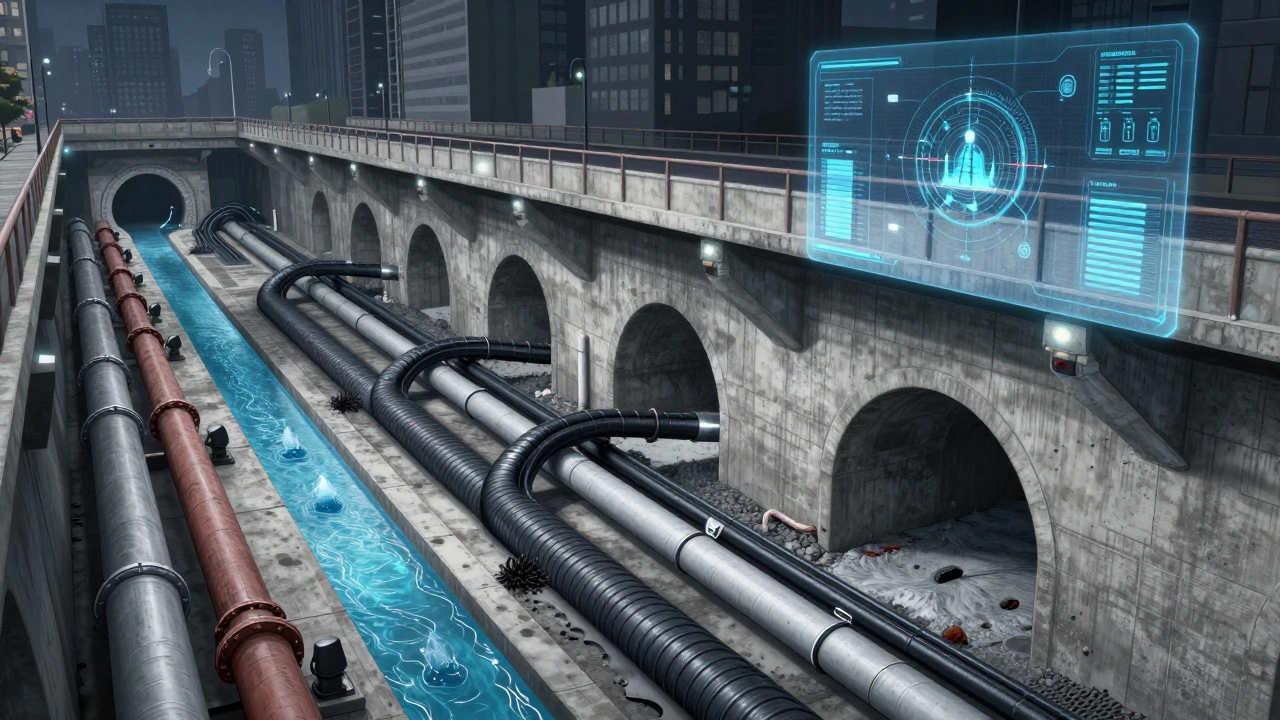
- Sewage and wastewater systems - Underground networks that collect and treat waste water before it’s safely returned to the environment. This is critical for public health.
- Stormwater management - Drainage channels, retention ponds, and green infrastructure designed to prevent flooding during heavy rain.
- Public transit systems - Rail lines, bus terminals, subway stations, and bike-sharing hubs that move people efficiently through urban areas.
- Dams and flood control - Structures built to regulate water flow, generate hydroelectric power, or protect communities from river overflow.
- Airports and seaports - Runways, taxiways, cargo terminals, and docking facilities that support national and international trade and travel.
These aren’t just isolated projects. They’re connected. A new housing development needs roads, water pipes, and storm drains. A new shopping center needs access roads and public transit stops. Civil construction makes sure all these pieces work together.
Civil vs. Commercial Construction: What’s the Difference?
People often confuse civil construction with commercial construction. Here’s how they differ:
| Feature | Civil Construction | Commercial Construction |
|---|---|---|
| Purpose | Serves the public | Serves private business |
| Primary Funder | Government or public agencies | Private companies or investors |
| Examples | Roads, bridges, water systems | Office buildings, malls, hotels |
| Design Focus | Function, safety, durability | Aesthetics, tenant needs, profitability |
| Regulations | Strict public safety and environmental codes | Building codes, zoning, fire safety |
Commercial construction is about creating spaces where people work, shop, or stay. Civil construction is about making sure those spaces can be reached, supplied with water, and safely connected to the rest of the city.
Who Does Civil Construction Work?
Civil construction projects are usually led by large contractors with experience in infrastructure. These firms work with engineers, urban planners, environmental consultants, and government agencies. You won’t typically see small homebuilders working on highways or water treatment plants - those require specialized equipment, permits, and decades of experience.
Projects often take years to complete. A new highway might take five years from planning to opening. A water main replacement can disrupt traffic for months. That’s why planning is just as important as building. Delays cost money. Poor design can lead to safety risks or environmental damage.
Why Civil Construction Matters
When civil construction fails, life gets harder. Broken water pipes mean no clean drinking water. Flooded streets after rain mean cars stuck and businesses closed. Crumbling bridges mean longer commutes and higher transport costs.
In London, for example, the Thames Tideway Tunnel - a massive underground sewer project - is being built to stop raw sewage from flowing into the river during heavy rain. It’s a $4.5 billion project that will protect the city’s water supply for the next 120 years. That’s civil construction at its most vital.
Good civil infrastructure also boosts the economy. Better roads mean faster deliveries. Reliable public transit means more people can get to work. Clean water means fewer health problems and lower medical costs.
What’s New in Civil Construction?
Civil construction is changing fast. Modern projects now use:
- Smart sensors embedded in bridges and roads to detect cracks or stress before they become dangerous.
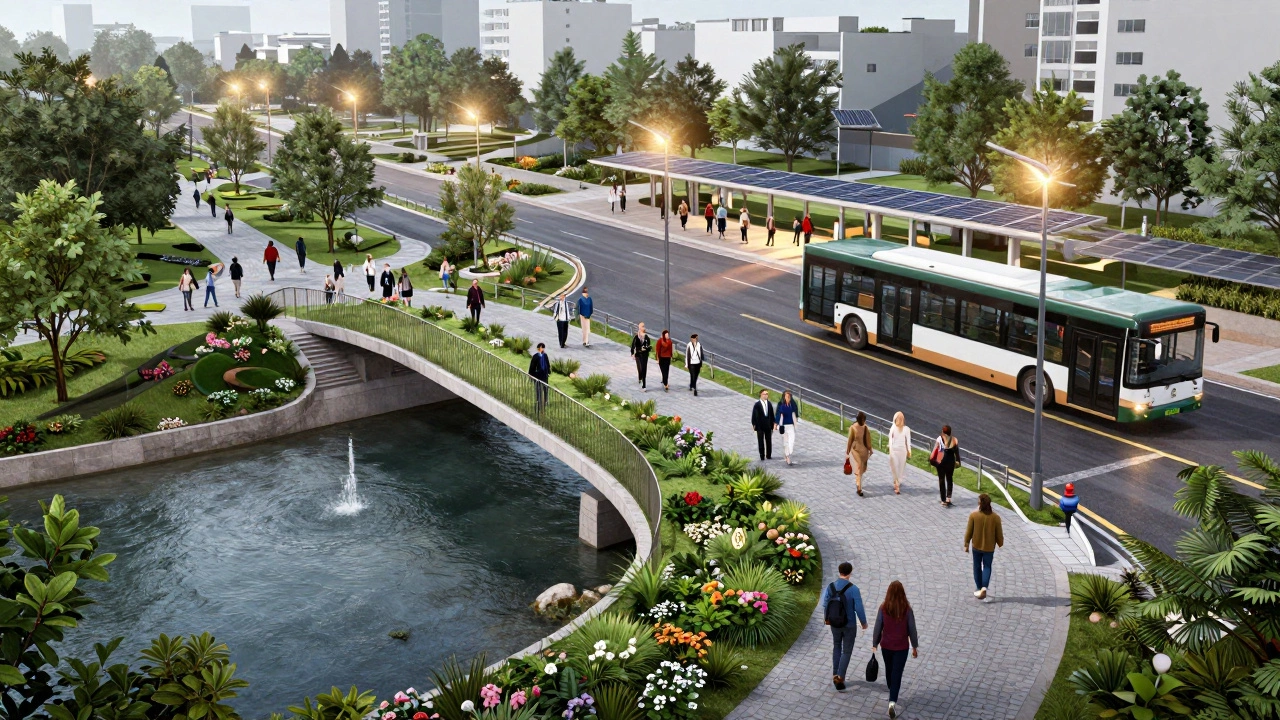
- Green infrastructure like permeable pavements and rain gardens that absorb stormwater instead of overwhelming drains.
- Prefabricated components built off-site and assembled quickly, reducing traffic disruption.
- Digital twins - virtual models of infrastructure that help engineers test repairs or upgrades before touching the real thing.
These innovations aren’t just fancy tech. They make projects cheaper, safer, and longer-lasting. A bridge built with smart sensors might last 80 years instead of 50. A storm drain system using green design cuts flood damage by 40%.
What’s Not Included in Civil Construction?
It’s just as important to know what civil construction doesn’t cover:
- Office buildings, retail stores, or hotels - those are commercial construction.
- Homes, apartments, or condos - those are residential construction.
- Interior finishes like flooring, lighting, or cabinetry - those happen after the structure is built.
- Landscaping for private gardens - unless it’s part of a public park design.
If you’re hiring a contractor for a new restaurant or a home renovation, you’re not hiring for civil construction. You’re looking for someone who specializes in commercial or residential work.
How to Tell If a Project Is Civil Construction
Ask yourself these three questions:
- Is it funded by the city, county, or national government?
- Does it serve the general public, not a single business or homeowner?
- Is it part of the city’s core infrastructure - water, transport, drainage, or energy?
If the answer is yes to all three, it’s civil construction. If any answer is no, it’s likely something else.
Common Misconceptions
Many people think civil construction means "big, boring projects." But it’s not just concrete and steel. It’s about quality of life. A well-designed pedestrian bridge can reconnect a divided neighborhood. A new bike lane can reduce traffic and pollution. A modern water treatment plant can prevent disease outbreaks.
It’s also not always about new builds. A lot of civil construction is maintenance - fixing old pipes, upgrading signals, reinforcing dams. In fact, most civil projects today are repairs or upgrades to aging systems built 50-70 years ago.
Is civil construction the same as public works?
Yes, civil construction and public works are often used interchangeably. Public works is the term governments use to describe the department or agency that manages these projects. Civil construction is the actual building process. So public works plans and funds the projects; civil construction companies build them.
Do civil construction projects require permits?
Yes, and they’re more complex than for private buildings. Civil projects need environmental impact assessments, traffic management plans, utility relocation approvals, and sometimes public hearings. Permits can take months to get because these projects affect so many people.
Can private companies do civil construction?
Absolutely. Most civil projects are built by private contractors hired by the government. Companies like Bechtel, Skanska, or Balfour Beatty specialize in this. The government owns the project, but private firms do the work - often under strict oversight.
How long do civil construction projects take?
It varies. A small road resurfacing might take a few weeks. A new subway line can take 10 years or more. Most medium-sized projects - like a water treatment upgrade or a bridge replacement - take 3 to 7 years from planning to completion.
What skills do you need to work in civil construction?
You need a mix of technical and practical skills. Engineers design the systems. Surveyors map the land. Heavy equipment operators handle bulldozers and cranes. Project managers coordinate teams and timelines. Electricians, plumbers, and welders all play roles too. Many start as laborers and train up through apprenticeships.
Final Thoughts
Civil construction is the quiet foundation of modern life. You don’t notice it until it breaks. But when it works well - when your water is clean, your bus is on time, and your roads are safe - that’s the result of thousands of hours of planning, engineering, and hard labor. It’s not glamorous, but it’s essential. And in a world where cities are growing faster than ever, civil construction is more important than it’s ever been.