Wall Structure in New Build: What You Need to Know
When you build a new home, the wall structure, the framework and layers that form the vertical barriers of a building, including insulation, cladding, and internal finishes. Also known as building envelope, it’s not just about holding up the roof—it’s what keeps your home warm, dry, and quiet. In the UK, most new builds use either cavity walls or timber stud frames, and choosing the right one affects everything from energy bills to resale value.
Most new homes in the UK use a cavity wall, a two-layer wall with a gap between the outer brick or block and the inner block or plasterboard, filled with insulation. This design helps stop moisture from getting inside and cuts heat loss by up to 40% compared to solid walls. The outer layer handles rain and weather, while the inner layer supports the floors and ceilings. Inside, you’ll find a stud wall, a lightweight frame made of wooden or metal vertical posts, spaced 400mm or 600mm apart, covered with plasterboard. This is where your sockets, shelves, and pictures go—and it’s also where insulation gets tucked in for sound and temperature control. Underneath it all, the foundation wall, the base that transfers the weight of the building to the ground, often made of concrete and built to specific depth and width rules. Without a solid foundation wall, even the best wall structure will crack or shift over time. These three elements work together: the foundation holds everything steady, the cavity wall keeps the weather out, and the stud wall lets you finish the space without adding unnecessary weight.
What you don’t see matters just as much as what you do. Building regulations in England and Wales require minimum insulation levels in new wall structures—usually 100mm of rigid foam or mineral wool in the cavity. The gap between the two layers must be at least 50mm to prevent moisture bridging. And every wall must be tied together with metal wall ties, spaced no more than 900mm apart. Skip any of these, and you risk damp, cold spots, or even structural failure down the line.
It’s not just about following rules. A well-built wall structure makes your home easier to heat, quieter from street noise, and more comfortable year-round. It also affects how fast you can fit out the interior—timber stud walls go up quicker than brick, which is why they’re common in extensions and loft conversions. If you’re buying a new build, ask for the wall specification sheet. It should list the insulation type, wall thickness, and whether it’s cavity or stud framed. Don’t just take the sales pitch—know what’s inside the walls.
Below, you’ll find real-world breakdowns from UK builders and homeowners who’ve dealt with wall structure choices in new builds—from insulation problems in cavity walls to how stud framing affects renovation plans. These aren’t theory pieces. They’re lessons from actual projects, with costs, mistakes, and fixes you can use.
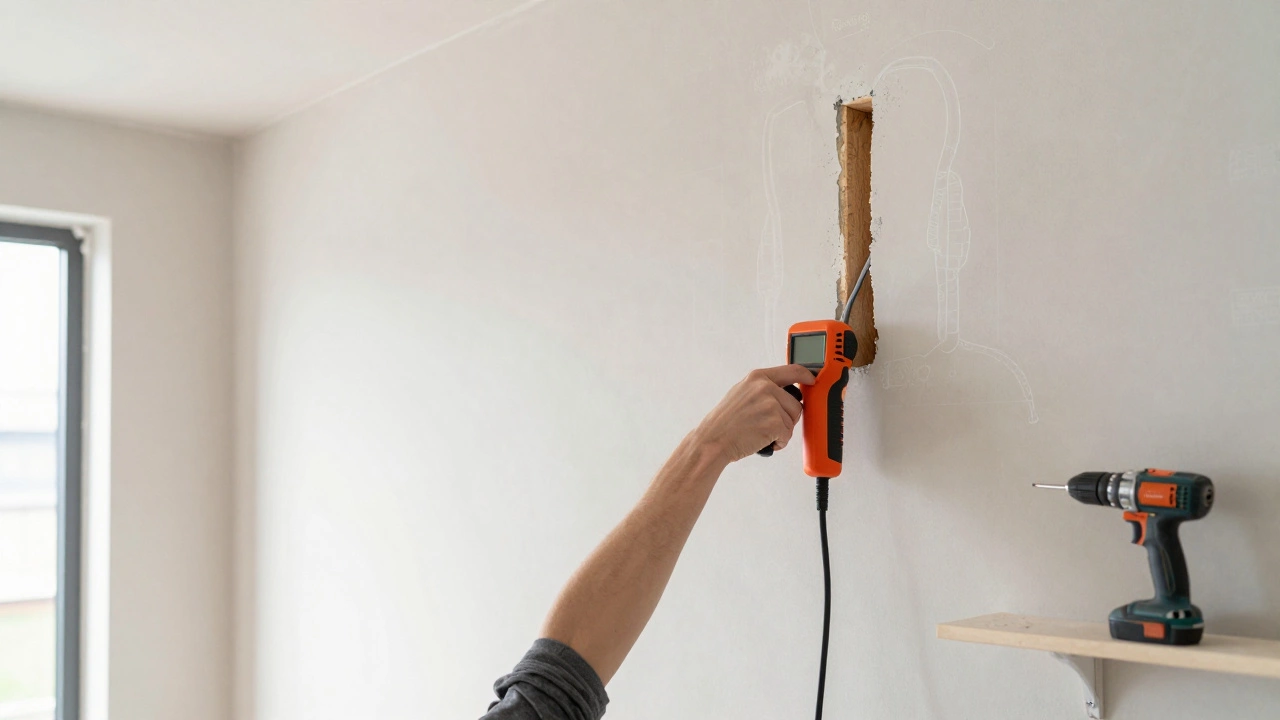
Can You Drill Into New Build Walls? What You Need to Know Before You Start
- Gavin Whitaker
- |
- |
- 0
Drilling into new build walls can be dangerous if you don't know what's inside. Learn how to safely drill into plasterboard walls, avoid hidden pipes and wires, and protect your warranty with the right tools and steps.
View more