New Build Wall Drill Safety Checker
Drill Safety Result
Drilling into new build walls sounds simple-until you hit something you weren’t expecting. Maybe it’s a cable, a pipe, or worse, the structural frame that holds the whole house together. If you’ve just moved into a new build, you’re probably excited to hang shelves, mount a TV, or install shelves for your books. But new build walls aren’t like older homes. They’re built fast, with different materials and hidden systems you might not know exist.
What Are New Build Walls Made Of?
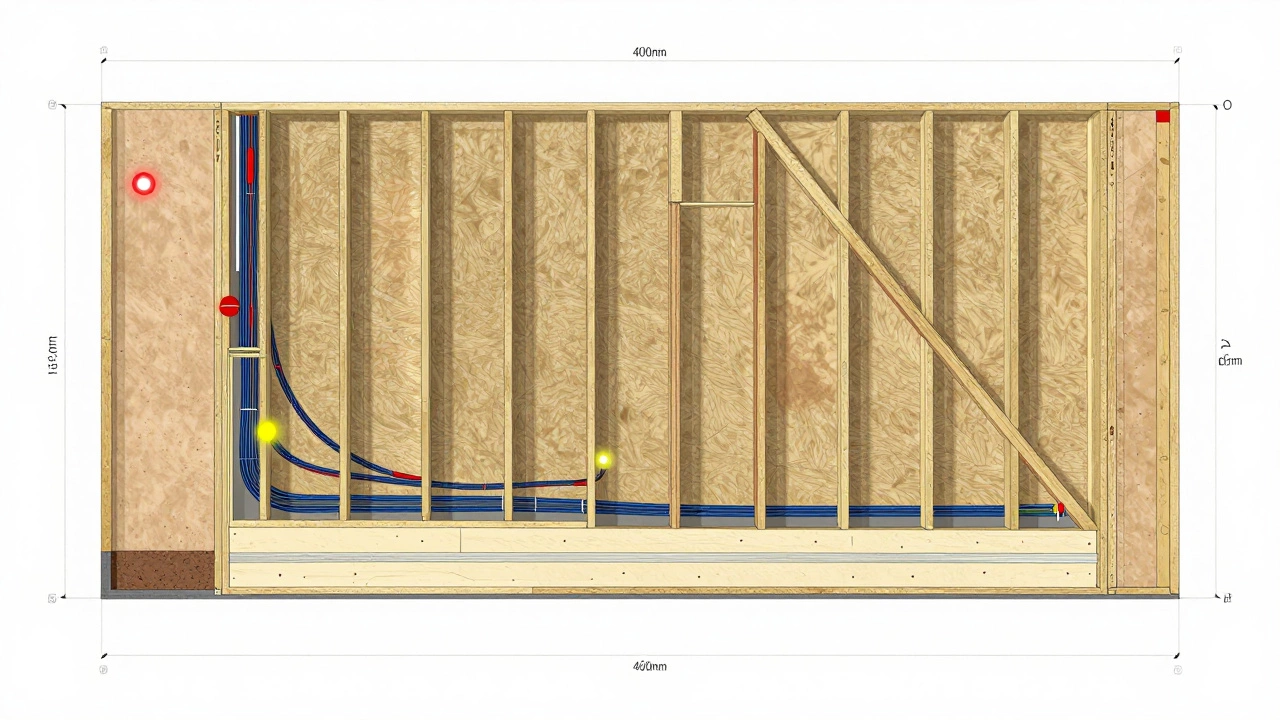
New builds in the UK, especially those constructed after 2010, mostly use lightweight construction methods. The most common wall type is timber frame with plasterboard on both sides. This isn’t solid brick or block like in older houses. It’s thin, hollow, and built for speed, not durability. The plasterboard is usually 12.5mm thick on each side, with a 100-150mm gap in between for insulation and services.
Inside that gap? Wires, pipes, ducts, and sometimes even structural steel studs. The wall might look like drywall, but it’s actually a maze of hidden components. In some cases, especially in high-end builds, you’ll find insulated concrete forms or structural insulated panels (SIPs), which are even trickier to drill into without the right tools and knowledge.
Why Drilling Into New Build Walls Is Risky
One in five homeowners who drill into new build walls without checking first end up hitting something they shouldn’t. That’s not a guess-it’s based on data from the UK’s Building Research Establishment (BRE) after surveying over 1,200 new build properties between 2020 and 2024.
Common mistakes:
- Drilling into electrical wiring running vertically from the fuse box
- Cutting through water pipes feeding the bathroom or kitchen
- Damaging the vapor barrier, which leads to condensation and mold
- Breaking through load-bearing studs, weakening the wall’s structure
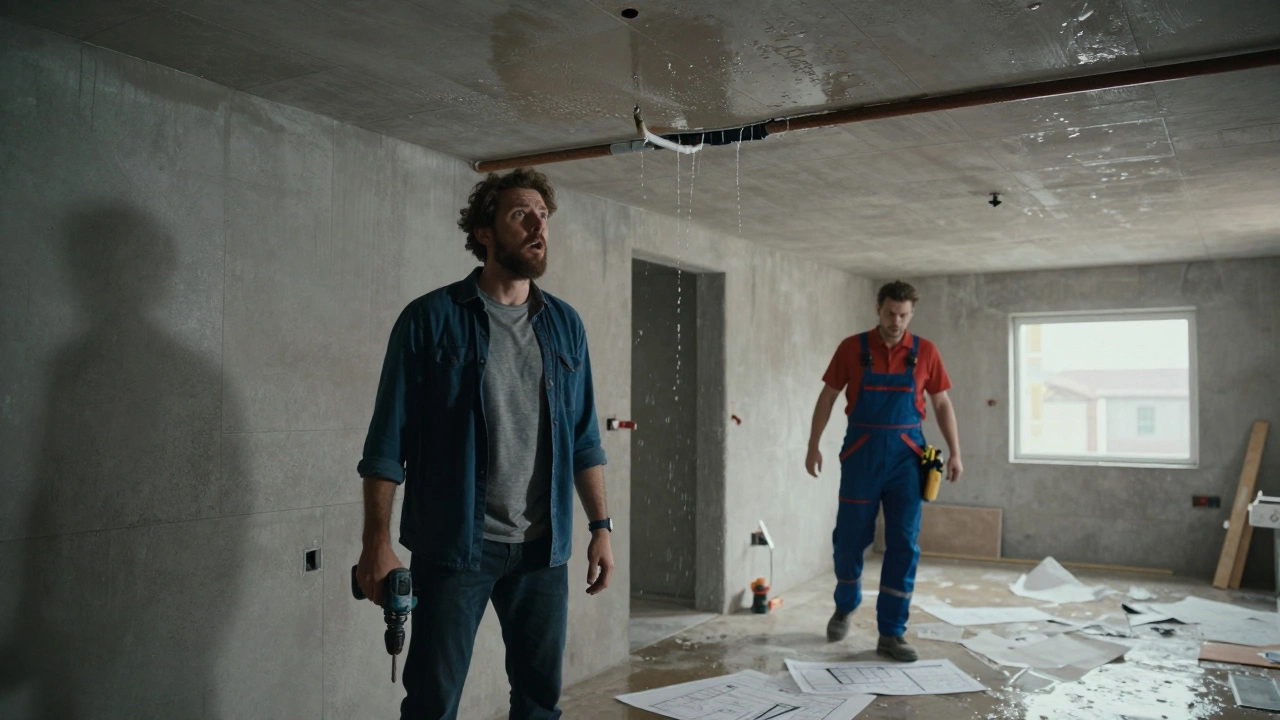
These aren’t theoretical risks. In London alone, over 300 calls to emergency plumbers and electricians in 2024 came from new build homeowners who drilled without checking. One case in Bromley involved a homeowner drilling a hole for a shelf-only to flood their downstairs neighbor’s ceiling because they hit a pressurized hot water pipe.
How to Find What’s Inside Before You Drill
You don’t need to be an electrician or plumber to stay safe. Here’s how to check what’s behind your wall before you touch a drill.
- Ask for the as-built drawings. When you completed your purchase, your builder should have given you a set of technical drawings. These show where pipes, wires, and structural elements run. If you didn’t get them, contact the builder immediately. Legally, they’re required to provide them.
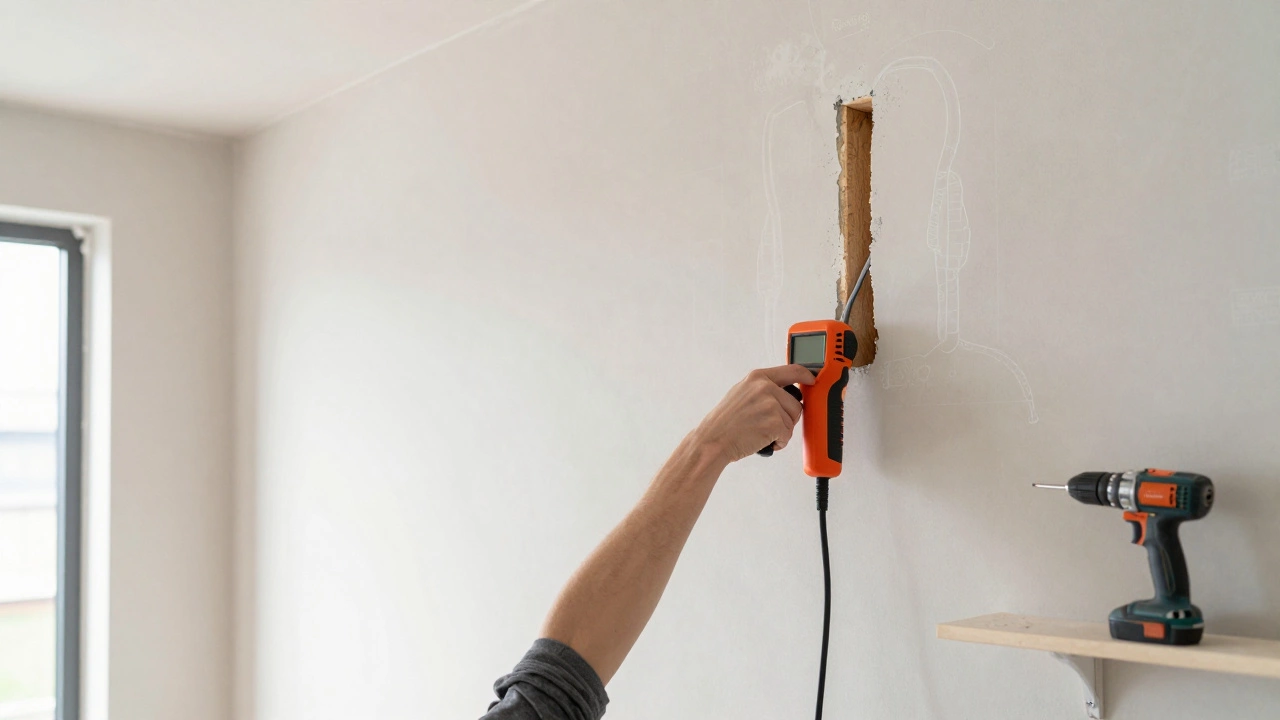
- Use a stud and cable detector. Buy a reliable multi-function detector like the Bosch GMS120 or the Zircon MultiScanner A30. These can find studs, live wires, and even pipes behind plasterboard. Don’t use cheap £10 models-they’re unreliable. Test the detector on a known outlet first to make sure it works.
- Look for clues. Power outlets, light switches, and sockets usually run vertically from the floor or ceiling. Avoid drilling directly beside them. If you see a water tap or radiator on the other side of the wall, don’t drill near it. Pipes often run straight up or down, not sideways.
- Tap the wall. A hollow sound means plasterboard over framing. A solid, dull thud might mean a stud, pipe, or concrete block. Practice on a known area first-like a kitchen cabinet wall-to learn the difference.
What’s Safe to Drill Into?
It’s not all risky. You can drill into new build walls safely-if you know where and how.
Safe zones:
- Between studs-usually 400mm or 600mm apart, depending on the build standard
- At least 100mm away from any visible outlet, switch, or pipe
- On walls that aren’t adjacent to bathrooms, kitchens, or utility rooms
Always drill slowly with a standard twist bit (6-8mm), not a hammer drill. Hammer drills can crack plasterboard or damage hidden pipes. Use a pilot hole first, then check with your detector again before enlarging the hole.
For heavy items like TVs or shelves, always fix into the timber stud. Use a stud finder to locate it, then drill directly into the center. A 4mm screw into a timber stud holds up to 20kg. If you can’t hit a stud, use heavy-duty wall plugs designed for plasterboard-like the Fischer DUO or Rawlplug Multi-Grip. Never use standard plastic plugs. They pull out under light load.
What Happens If You Drill Into Something You Shouldn’t?
If you accidentally hit a wire or pipe, turn off the electricity or water supply immediately. Don’t try to fix it yourself unless you’re qualified.
For electrical damage:
- Switch off the circuit at the fuse box
- Call a qualified electrician
- Do not touch the exposed wire
For plumbing damage:
- Turn off the main water valve
- Place a bucket under the leak
- Call a plumber-don’t wait for the builder
Many new build warranties (like the NHBC 10-year warranty) cover structural defects, but not DIY damage. If you cause a leak or electrical fault by drilling without checking, your warranty could be voided. That means you pay for repairs yourself-even if the builder installed the pipe wrong in the first place.
When to Call a Professional
Some jobs aren’t worth the risk. If you’re mounting a large TV, installing a home cinema system, or adding a new light fixture, hire a professional. Electricians and builders who work on new builds know exactly where services run. They use thermal imaging cameras and advanced detectors that can map out wiring and pipes before a single hole is drilled.
It costs between £80 and £150 for a professional to assess and drill safely. That’s cheaper than a flooded living room or a rewired house.
Pro Tips for New Build Homeowners
- Take photos of your walls before you start drilling. This helps if you need to prove you didn’t cause damage later.
- Keep your as-built drawings in a waterproof folder. They’re your legal protection.
- Wait at least 6 months after moving in before drilling. Walls can shift slightly as they dry out. Drilling too soon can cause cracks around fixings.
- Use low-profile fixings where possible. No need for long screws in a 25mm-thick wall.
Drilling into new build walls isn’t forbidden-it’s just not as simple as it looks. With the right tools, knowledge, and caution, you can hang what you need without breaking anything. Skip the guesswork. Check first. Drill smart.
Can I drill into new build walls at all?
Yes, you can drill into new build walls, but only after checking what’s behind them. Most new walls are made of plasterboard over timber framing, with wires and pipes running in between. Always use a stud and cable detector, avoid areas near outlets or plumbing, and drill into studs for heavy items.
What happens if I drill into a pipe or wire?
If you hit a water pipe, turn off the main water supply and call a plumber immediately. If you hit a live wire, switch off the electricity at the fuse box and call a qualified electrician. Never try to fix electrical or plumbing damage yourself. You could face serious injury, flooding, or fire. Your new build warranty may also be voided if the damage is caused by DIY work.
Do new build walls have studs?
Yes, most new build walls in the UK use timber studs spaced either 400mm or 600mm apart. These are the vertical wooden frames that hold up the plasterboard. They’re strong enough to support shelves and TVs if you drill into them. Use a stud finder to locate them before drilling.
Are plasterboard walls strong enough to hold shelves?
Plasterboard alone isn’t strong enough. But if you fix your shelf brackets into the timber studs behind the plasterboard, they can hold up to 20kg per screw. For heavier shelves, use multiple fixings into multiple studs. If you can’t hit a stud, use heavy-duty plasterboard anchors like Fischer DUO or Rawlplug Multi-Grip-never standard plastic plugs.
How do I get the as-built drawings for my new build?
Your builder is legally required to provide as-built drawings when you complete your purchase. These show the exact location of pipes, wires, and structural elements. If you didn’t receive them, contact your builder or the warranty provider (like NHBC or LABC). Without these drawings, you’re guessing-and that’s risky.
If you're planning to hang anything heavy or install new fixtures, don’t rush. Take the time to check what’s behind the wall. It takes 10 minutes to use a detector and review your drawings-but it could save you thousands in repairs and stress.