Single Storey Extension: Costs, Design, and What You Need to Know
A single storey extension, a ground-level addition to a home that doesn’t go up a floor. Also known as a house extension, it’s one of the most common ways UK homeowners gain extra space without moving. Whether you’re adding a bigger kitchen, a sunroom, or a home office, a single storey extension gives you room to breathe—without the mess and cost of a full house rebuild.
It’s not just about square footage. A well-planned extension changes how you live. It connects your indoor space to the garden, brings in more light, and can turn a cramped layout into something that actually works. But it’s not just slap a room on the back of your house and call it done. You need to think about building regulations, the legal rules that control how extensions are built in the UK, including height, materials, and safety. These aren’t suggestions—they’re enforced by local councils. Then there’s extension design, how the layout, windows, and flow match your home’s existing structure and your daily needs. A bad design looks tacked on. A good one feels like it was always meant to be there.
Costs vary wildly. A basic 3m x 4m extension might start around £25,000. But if you want high-end finishes, underfloor heating, or large glass walls? That can push it to £50,000 or more. It’s not just bricks and mortar—it’s foundations, plumbing, electrics, and the time it takes to get approval. And don’t forget the disruption. Most projects take 8 to 12 weeks. You’ll need a plan for where you’ll sleep, cook, or even shower during that time.
Some people think they can skip an architect. You can, but you’re risking mistakes that cost more later. A good design catches issues before they become expensive fixes—like blocking a neighbour’s light or putting a window where a drain runs. And while some extensions fall under permitted development rights, others need full planning permission. It depends on your location, your home’s size, and what you’re building. Local rules in London, Manchester, or rural Devon can be totally different.
What you’ll find below are real guides on what actually matters: how to avoid common mistakes, how to talk to builders without getting ripped off, what materials hold up best in UK weather, and how to make your extension feel like part of the house—not a bolt-on. These aren’t theory pieces. They’re written by people who’ve done it, fixed it, or lived through it. You’ll see what works, what doesn’t, and what no one tells you until it’s too late.
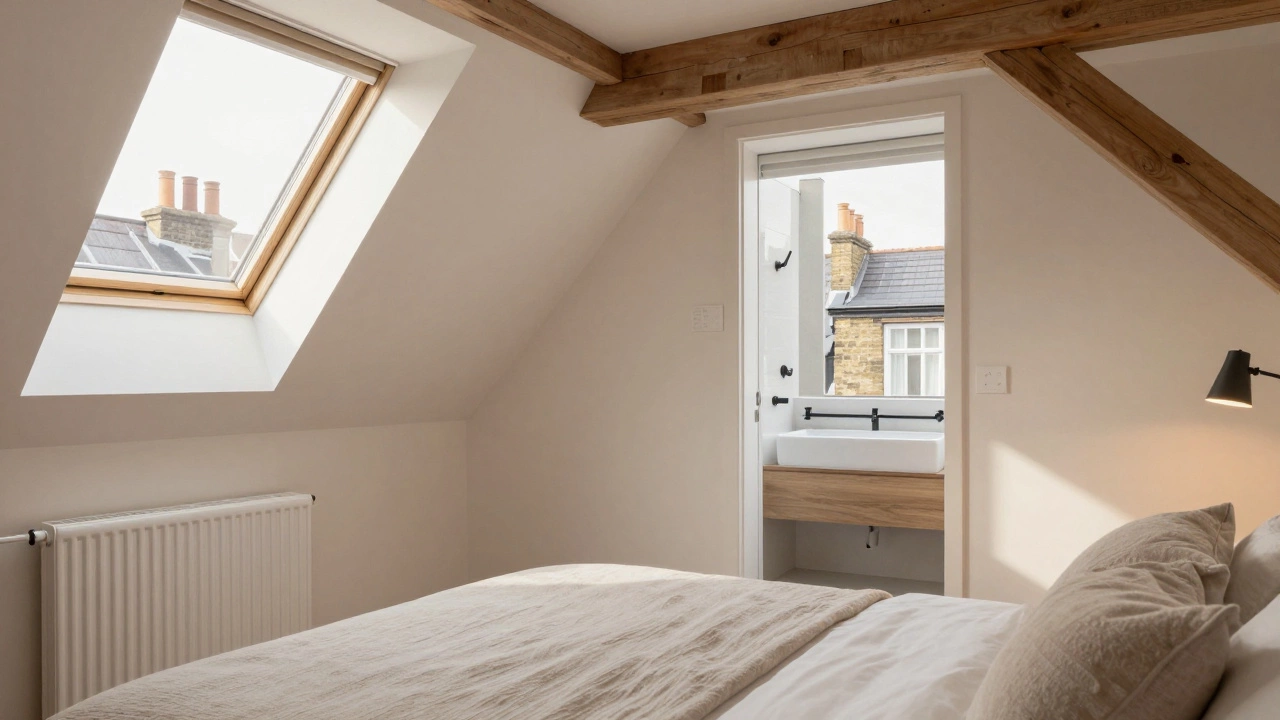
Is It Cheaper to Build Up or Expand? Home Extension Costs Explained
- Gavin Whitaker
- |
- |
- 0
Is it cheaper to build up or expand your home in London? Learn the real costs of loft conversions vs side extensions, hidden expenses, planning rules, and which option adds more value in 2025.
View more