Long-lasting house construction: What makes a home stand the test of time
When you think about long-lasting house construction, the process of building homes designed to endure for decades with minimal structural issues. Also known as durable residential construction, it’s not just about using expensive materials—it’s about how everything fits together: the foundation, the framing, the drainage, and the way the builder anticipates problems before they happen. Too many homes look great at closing day but start showing cracks, leaks, or settling within five years. That’s not bad luck—it’s usually poor construction choices hidden behind pretty finishes.
What separates a house that lasts from one that needs constant repairs? It starts with the foundation, the hidden base that supports the entire structure and must handle soil movement, water pressure, and seasonal shifts. A sinking foundation isn’t just a repair job—it’s a sign the whole build didn’t account for local ground conditions. Then there’s the building materials, the actual wood, concrete, steel, and insulation choices that determine how well the house resists rot, pests, and weather over time. Cheap drywall might save money upfront, but it won’t hold up in damp basements. Poorly installed flashing leads to leaks that rot framing from the inside out. And let’s not forget ventilation—homes that trap moisture are breeding grounds for mold and structural decay.
Good long-lasting house construction doesn’t rely on luck. It follows proven practices: proper drainage away from the foundation, treated lumber in contact with soil, high-quality waterproofing under floors and around windows, and structural framing that meets or exceeds local building codes. It’s the difference between a house that looks nice on Instagram and one that still stands strong after 50 years of UK winters and wet weather.
Below, you’ll find real-world guides on what actually goes wrong in new builds, how to spot hidden structural risks before you buy, and how foundation repairs, wall systems, and construction methods affect your home’s lifespan. Whether you’re planning an extension, buying a property, or just wondering why your walls are cracking—these posts give you the facts, not the fluff.
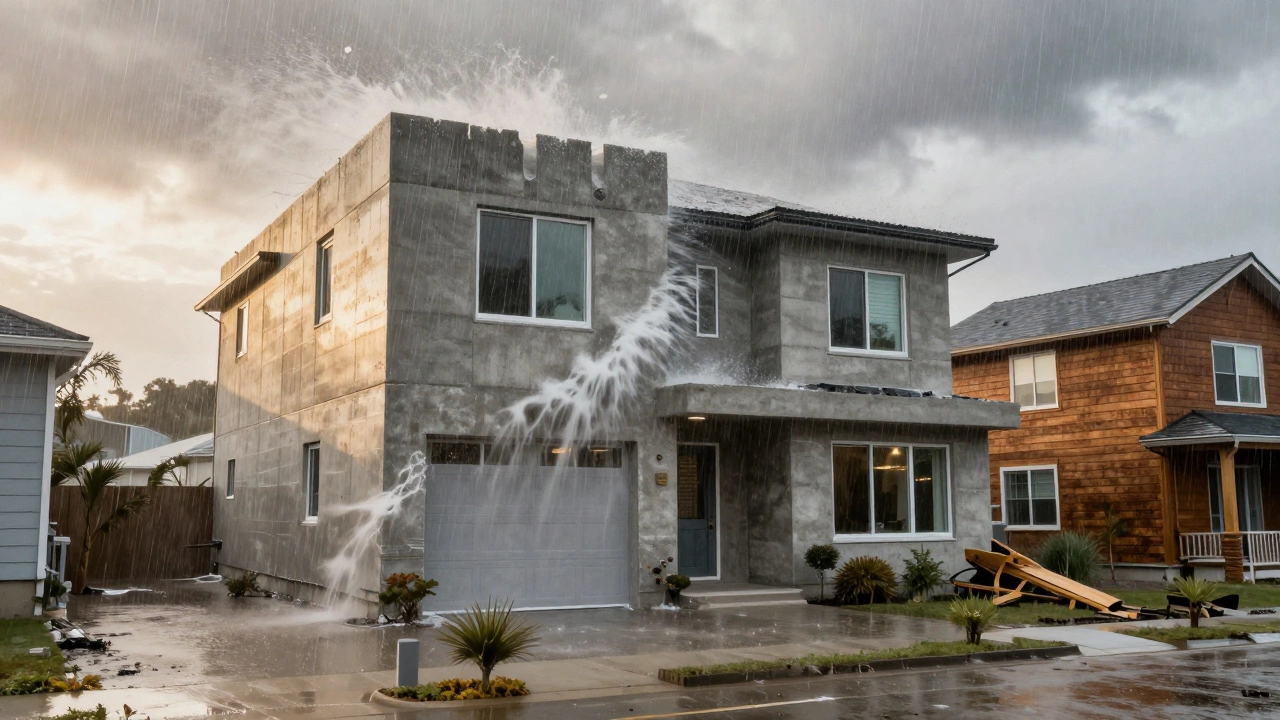
What Is the Most Durable House to Build? Top Materials and Designs for Long-Lasting Homes
- Gavin Whitaker
- |
- |
- 0
The most durable house to build uses reinforced concrete, ICF walls, steel framing, and a metal roof. These materials resist fire, storms, pests, and decay-lasting 100+ years with minimal upkeep.
View more