Dining Room Layout: Smart Ideas for Space, Flow, and Style
When you think about a dining room layout, the arrangement of furniture and space used for eating meals, often centered around a table and chairs. Also known as dining area design, it’s not just about fitting a table in a corner—it’s about how people move, talk, and feel while eating. A good dining room layout makes meals easier, guests more comfortable, and your home feel bigger—even if you’re working with a tight space.
Many UK homes now combine the dining area with the kitchen or living room, creating an open plan. That means your dining table placement, where you position your table relative to walls, doors, and other furniture. Also known as table positioning, it directly affects how smoothly people walk through the room. You need at least 36 inches of clearance around the table for chairs to pull out and people to pass. If your space is narrow, a round table works better than a long one—it cuts down on awkward corners and lets people reach across without stretching.
Don’t forget the connection to your kitchen dining connection, how the dining area links to the kitchen for serving, cleaning, and socializing. Also known as kitchen-dining flow, this is where most homes win or lose functionality. If your table is far from the counter or island, you’re making meal prep and cleanup harder. A breakfast bar or small peninsula can double as a dining spot and save space. And if you’re in a smaller home, using the same flooring material from kitchen to dining area makes the space feel larger and more unified.
Lighting matters too. A pendant light over the table should hang about 30 to 36 inches above the surface—low enough to feel cozy, high enough to avoid bumping heads. Avoid placing the table right under a window if it blocks natural light or causes glare on plates. And if you’re using a rug under the table, make sure it’s big enough so all four chair legs stay on it when pulled out. A rug that’s too small looks messy and feels unstable.
Some people think they need a formal dining room. But in most UK homes today, the dining spot is wherever the table fits best—next to the kitchen, in a bay window, even tucked into a corner of the living room. The key isn’t having a separate room. It’s having a clear spot for meals that works with your daily rhythm. Think about how you eat: Do you need room for kids’ chairs? Do you host big dinners? Do you use the table for homework or mail too? Your layout should serve your life, not the other way around.
Below, you’ll find real examples and fixes from homeowners who’ve tackled awkward dining spaces, turned small nooks into cozy eating areas, and made their layouts work better without a full renovation. Whether you’re starting from scratch or just tweaking what you’ve got, these posts give you the practical steps—not just ideas, but what actually works in UK homes.
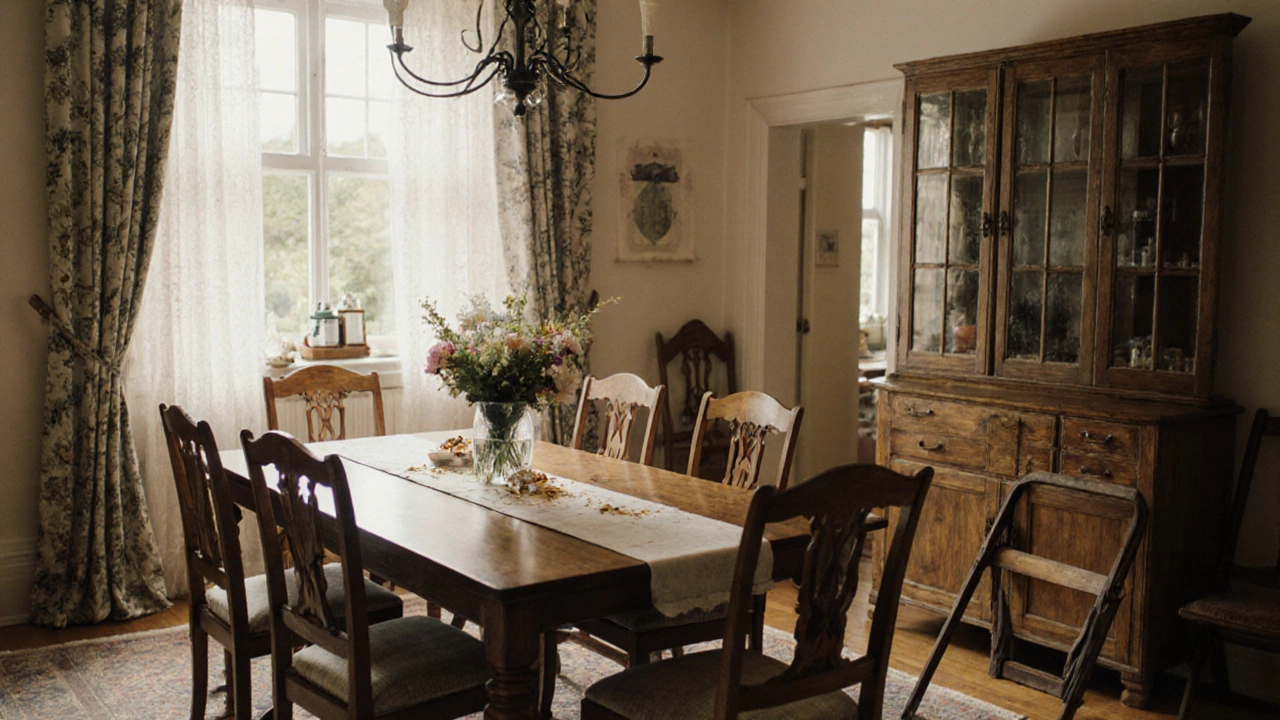
How Many Chairs Should a Dining Room Table Have? Practical Guide for 2025
- Gavin Whitaker
- |
- |
- 0
Learn how to choose the right number of chairs for your dining table based on size, room layout, and how you actually use the space. Practical advice for 2025.
View more