Commercial Building: What You Need to Know About Construction, Codes, and Costs
When we talk about a commercial building, a structure designed for business use like retail stores, offices, or clinics. Also known as non-residential construction, it’s built to handle foot traffic, equipment, and long-term operational demands—not just daily living. Unlike homes, commercial buildings follow stricter rules on fire safety, accessibility, and structural load. In the UK, these rules aren’t suggestions—they’re legally enforced, and skipping them can cost you thousands in fines or shutdowns.
A Type 5 construction, a wood-framed system used for small commercial spaces like pop-up shops or medical clinics is common because it’s fast and affordable. But don’t assume it’s the same as building a house. Type 5 buildings must still meet fire-rated wall standards, have proper exit routes, and use treated lumber in high-risk zones. Meanwhile, commercial construction, the process of erecting business-focused structures involves more permits, inspections, and coordination with multiple trades than residential work. You’re not just laying floors—you’re planning for HVAC systems that run 16 hours a day, commercial-grade electrical loads, and flooring that survives high heels, carts, and spills.
Many people think a builder and a construction company are the same, but they’re not. A builder, typically a smaller contractor focused on single projects might handle your home renovation. A construction company, a larger firm with teams for design, permits, and project management handles the full scope of a commercial build—from zoning approvals to safety certifications. The difference shows up in timelines, budgets, and who’s liable if something goes wrong.
And then there’s the flooring. Commercial spaces need materials that last under heavy use—think vinyl plank in a dentist’s office, epoxy in a warehouse, or polished concrete in a café. Residential carpet? Not a good fit. The right floor isn’t just about looks; it’s about safety, maintenance, and compliance with building codes. That’s why so many commercial projects start with a flooring plan before the walls even go up.
Whether you’re opening a new shop, leasing an office, or renovating a retail space, understanding these basics saves time, money, and stress. You’ll find real examples here—from how to spot a poorly built Type 5 structure to why civil construction rules don’t apply to your small business unit. No fluff. Just what you need to know before you sign a contract, pick a material, or hire a contractor.
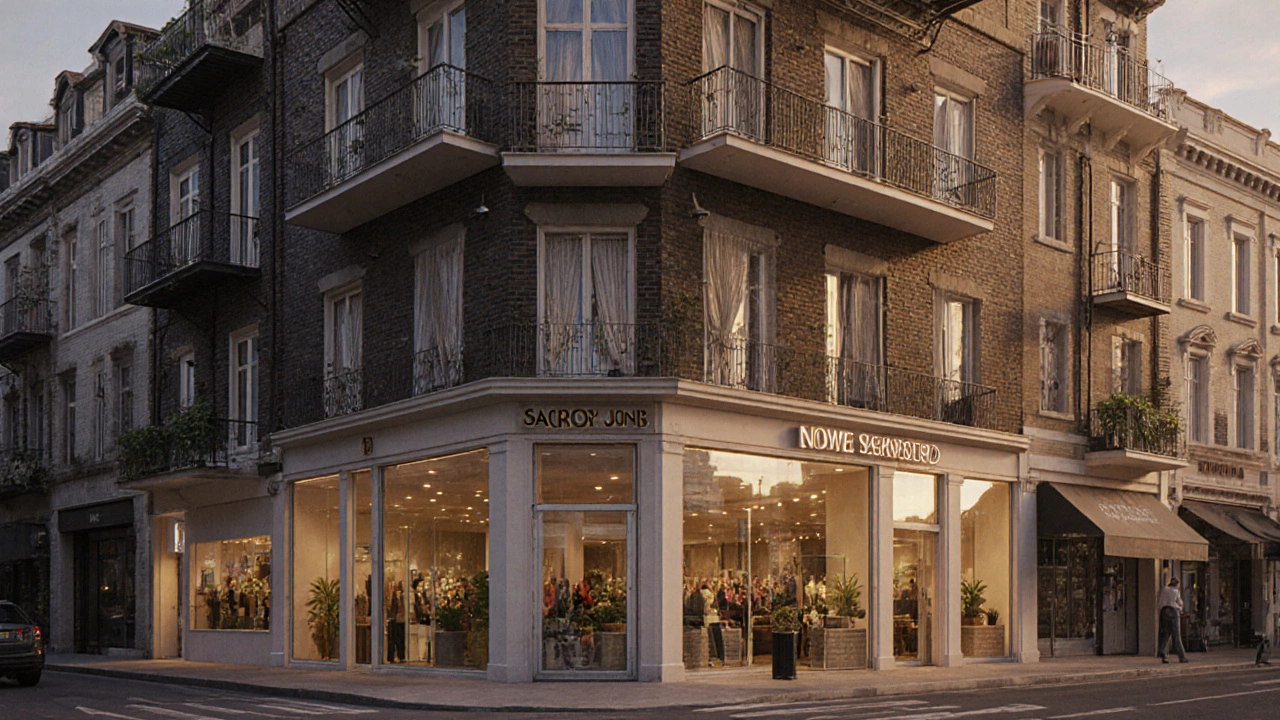
What Makes a Building Commercial? Key Features That Define Commercial Properties
- Gavin Whitaker
- |
- |
- 0
A building becomes commercial not by how it looks, but by how it's used - for profit-driven activities like retail, offices, or hospitality. Zoning, building codes, and insurance all change when a space crosses from residential to commercial use.
View more