Commercial Property Classification Checker
Is Your Building Commercial?
This tool helps you determine if your property qualifies as commercial based on key factors from real estate regulations and building codes.
What is the primary business activity?
What is the zoning classification?
What type of building is this?
Special features
Classification Result
Not every building that looks like an office or a store is automatically commercial. You can walk into a brick-and-mortar shop with big windows and a sign out front, but if it’s just a home-based business run by one person, it’s not truly commercial in the eyes of the law, zoning rules, or building codes. So what actually makes a building commercial? It’s not just what’s inside - it’s how it’s used, who uses it, and how it’s built to support that use.
It’s About Use, Not Appearance
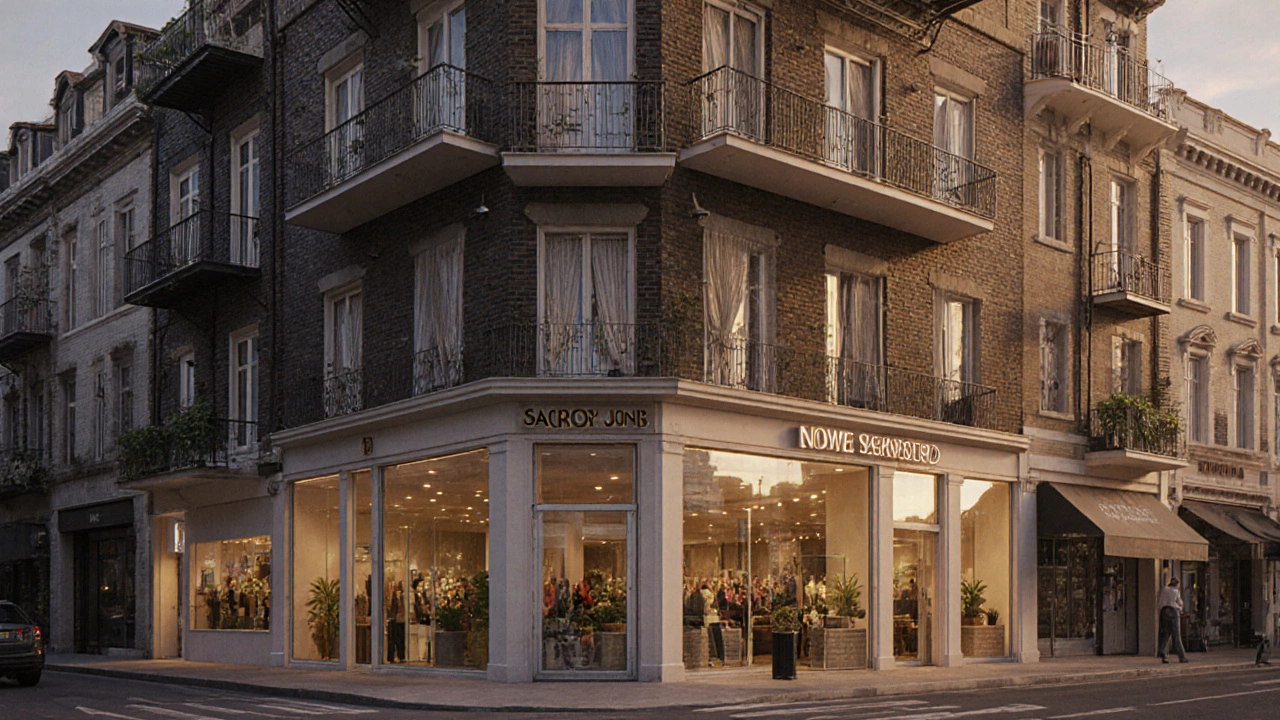
A commercial building is defined by its purpose, not its looks. A two-story structure with glass façades could be a private residence, a co-working space, or a retail store. Only one of those counts as commercial. The key is whether the space is designed and operated to generate income through business activities. That means selling goods, providing services, or housing operations that serve the public or other businesses.
Think about a building with five retail units on the ground floor and apartments above. The retail side is commercial because it’s renting space to shops. The apartments are residential, even if they’re in the same structure. Zoning laws treat them separately. That’s why you’ll often see signs like “Mixed-Use” - it’s a legal way of saying, “Part of this building is commercial, part isn’t.”
Commercial Use Includes These Activities
Here’s what counts as commercial use in most jurisdictions:
- Retail stores - grocery shops, clothing boutiques, pharmacies
- Office spaces - law firms, accounting firms, tech startups renting desks
- Hospitality - hotels, motels, bed and breakfasts with more than five rooms
- Restaurants and bars - from food trucks to fine dining
- Healthcare clinics - private dental offices, physical therapy centers
- Warehouses and distribution centers - even if they’re not open to the public
- Entertainment venues - cinemas, bowling alleys, live music venues
- Service centers - car washes, dry cleaners, auto repair shops
These aren’t just places where people go. They’re places where money changes hands regularly, where customers expect consistent service, and where operations run on a schedule designed for profit. A home-based graphic designer working from a spare room? That’s not commercial. A studio that hires five freelancers and takes on clients from across the country? That’s a commercial office.
Building Codes Are Different for Commercial Spaces
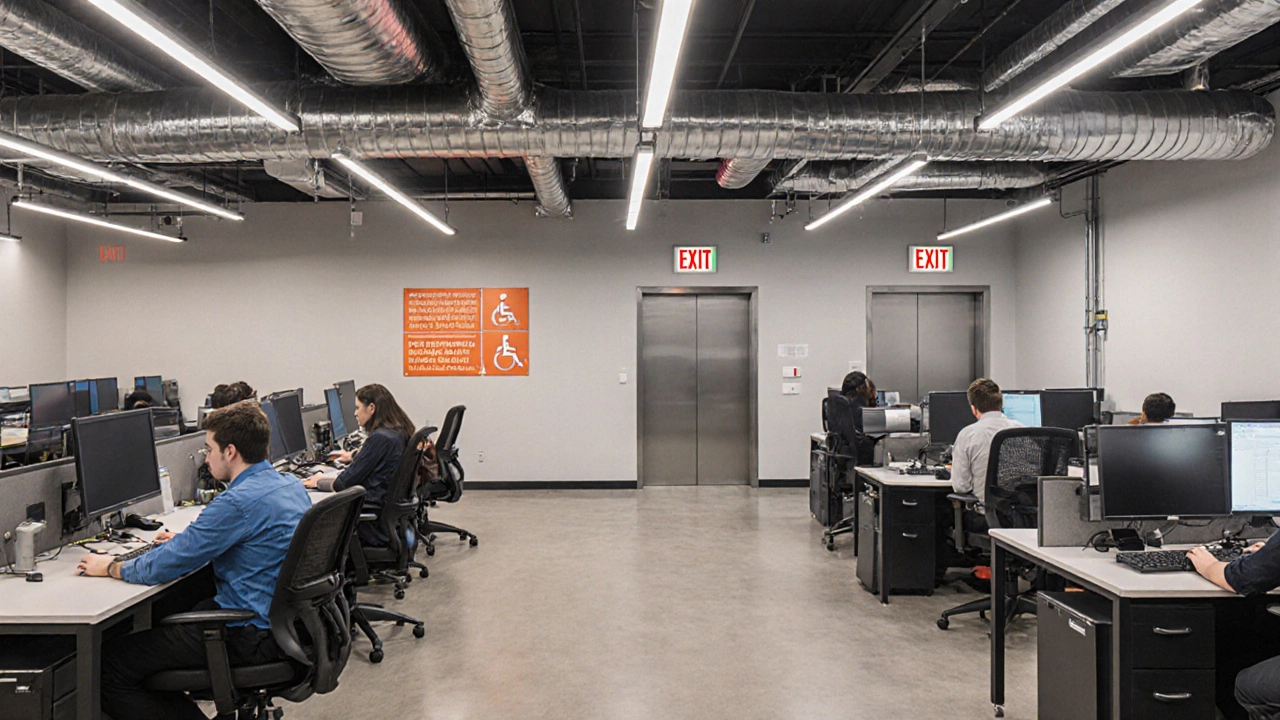
Commercial buildings don’t just look different - they’re built differently. The International Building Code (IBC) and local regulations treat commercial structures as high-risk environments because they’re occupied by the public, often in large numbers. That means stricter rules on:
- Fire safety - multiple exits, sprinkler systems, fire-rated walls, emergency lighting
- Accessibility - ramps, wider doorways, ADA-compliant restrooms, elevators in multi-story buildings
- Structural load - floors must handle heavier equipment, crowds, or storage than residential floors
- HVAC systems - larger capacity to handle more people, higher ventilation standards
- Electrical systems - higher amperage, dedicated circuits for heavy machinery, backup generators
Residential buildings might need one exit. A commercial office building with 50 employees needs at least two, often three, with clearly marked paths and emergency lighting that lasts 90 minutes after a power outage. A house doesn’t need a sprinkler system. A restaurant serving 200 people a day does.
Zoning Laws Decide What’s Allowed
Even if a building is built for commercial use, it can’t operate that way unless the land is zoned for it. In many cities, zoning separates areas into residential, commercial, industrial, or mixed-use. If you own a building in a zone labeled “R-1” (single-family residential), you can’t legally open a coffee shop there - even if you’ve got the perfect space.
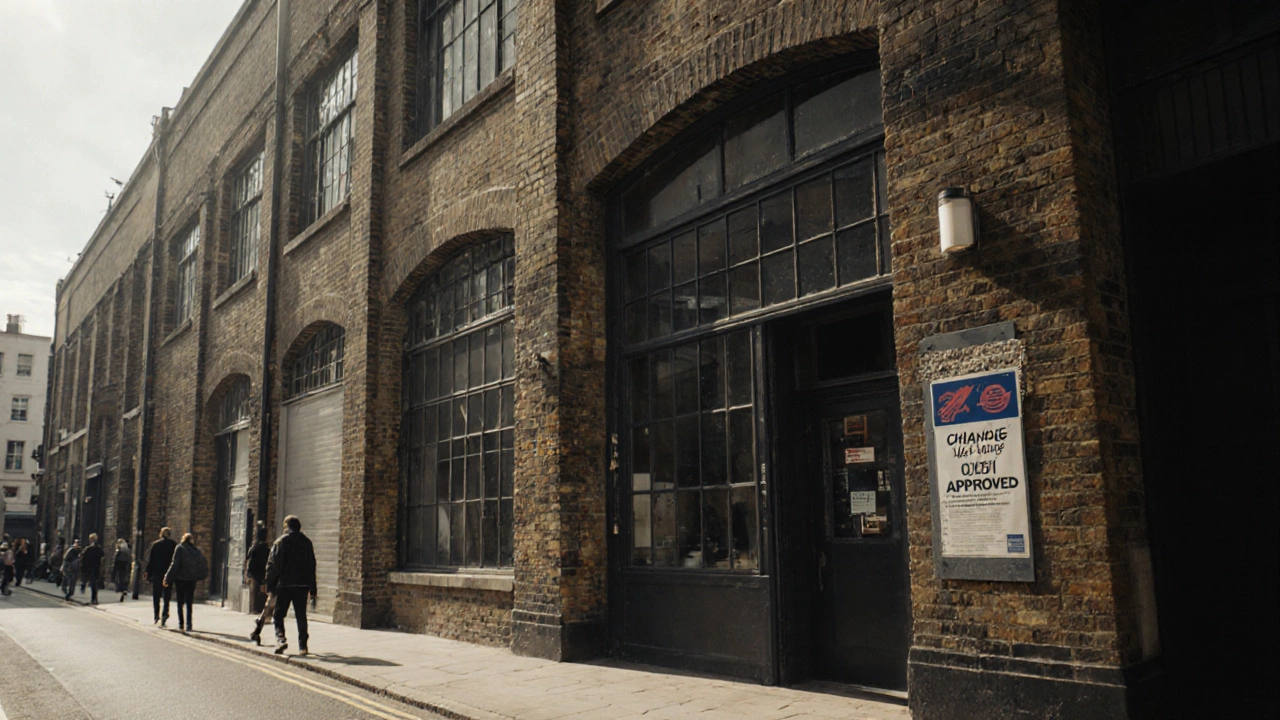
Some cities have “conditional use permits” that let you apply for exceptions. But that’s not automatic. You’ll need to prove your business won’t cause noise, traffic, or safety issues for neighbors. In London, for example, changing a property from residential to commercial use requires planning permission from the local council. The process can take months and often involves public consultations.
That’s why you see so many converted warehouses in East London turned into co-working spaces or art galleries - the buildings were already built to handle heavy loads and large open spaces. The zoning was changed to allow commercial use, not the other way around.
Financing and Insurance Are Tied to Classification
Commercial buildings aren’t just built differently - they’re paid for and protected differently. A home loan and a commercial mortgage are two completely different products.
Residential mortgages usually have lower interest rates, longer terms (up to 30 years), and are based on your personal credit. Commercial loans? They’re shorter (5-20 years), have higher rates, and lenders look at the building’s income potential. If the coffee shop next door goes out of business, your loan payment might still be due - the bank cares about the property’s cash flow, not your salary.
Insurance is even more different. Homeowners insurance won’t cover a business inventory, liability from customers slipping on your floor, or damage from equipment failure. Commercial property insurance covers those risks - and costs significantly more. A small retail store might pay £2,000-£5,000 a year in insurance. A similar-sized home? Maybe £500.
What Doesn’t Count as Commercial
There are gray areas. Here are common misconceptions:
- A home office - Even if you run a business from home, unless you’ve legally converted part of the house into a commercial space (and changed zoning, insurance, and utilities), it’s still residential.
- A daycare in a house - In many places, small family daycares (under six children) are allowed in homes under special exemptions. But if you expand to 10+ kids and hire staff, you’re now operating a commercial childcare center.
- A rental property - Renting out apartments is residential, even if you own multiple units. You’re not selling a service - you’re renting space. That’s classified as residential investment, not commercial use.
- A church or school - These are often classified as “institutional” or “non-profit” use, not commercial, even though they serve the public.
These distinctions matter because breaking them can lead to fines, forced shutdowns, or insurance denial after a claim.
Why This Matters to You
If you’re thinking of buying or renting a space for your business, misclassifying it can cost you dearly. You might sign a lease thinking it’s “commercial-ready,” only to find out the building lacks fire exits or proper drainage for a restaurant. Or you might buy a property thinking you can open a shop, only to be told the zoning doesn’t allow it.
On the flip side, if you own a building and want to turn it into a commercial space, understanding these rules helps you plan properly. You’ll know whether you need to upgrade the electrical system, install elevators, or apply for a change of use permit. Skipping these steps might save money now - but it could shut you down later.
Commercial buildings are not just structures. They’re legal, financial, and operational systems wrapped in concrete and glass. Getting it right means understanding the rules - not just the square footage.
Can a building be both residential and commercial?
Yes, but only if it’s legally designated as mixed-use. Many urban buildings have retail or offices on the ground floor and apartments above. Each part must meet its own building codes. The residential portion follows housing regulations; the commercial side follows commercial codes. Zoning laws must allow this combination, and separate utilities or insurance may be required.
Is a hotel always a commercial building?
Yes. Hotels are classified as commercial because they provide temporary lodging for paying guests as a business. Even small bed and breakfasts with more than five rooms are typically considered commercial under building and zoning codes. The key is whether the operation is profit-driven and open to the general public.
What happens if I run a business in a residential building without permission?
You risk fines, forced closure, or being sued by neighbors or the city. Local authorities can issue stop-work orders, and insurance claims may be denied if they find your business was operating illegally. In some cases, you may be required to pay back taxes or retrofit the building to meet commercial codes - which can cost tens of thousands of pounds.
Do I need a special permit to convert a house into a commercial space?
Yes. Changing the use of a building from residential to commercial almost always requires planning permission. You’ll need to submit plans, pay fees, and sometimes hold public consultations. The process varies by city, but in places like London, it can take 8-12 weeks. You’ll also need to update your insurance, utilities, and possibly install fire safety systems.
Can a warehouse be commercial even if no customers come in?
Absolutely. Warehouses and distribution centers are commercial because they support business operations - storing goods, shipping products, or housing equipment. Even if the public never enters, the building’s purpose is income generation through logistics or storage services. That qualifies it as commercial under zoning and building codes.