Build Up vs Expand: What’s the Real Difference in Construction?
When you’re thinking about growing your space, you’re usually faced with two basic choices: build up, adding another level to an existing structure, or expand, extending outward into your yard or available land. These aren’t just words—they’re major decisions that affect your budget, your daily life, and even your home’s value. Build up means working with what’s already standing—your walls, foundation, and roof—while expand means breaking ground, dealing with new footings, and often navigating zoning rules for setbacks and lot coverage.
Most people assume expanding is simpler because it feels more straightforward: just knock down a wall and add a room. But that’s not always true. Expanding often requires new drainage, utility lines, and sometimes even a new foundation. On the flip side, building up demands a structural assessment. Is your current foundation strong enough to hold another floor? Can your walls support the extra weight? In older homes, this can mean reinforcing beams, upgrading electrical, or even reconfiguring stairs. Neither option is cheap, but the hidden costs differ. Build up usually costs more upfront because of structural work, while expand can get expensive fast if you’re adding square footage far from existing utilities.
Then there’s the impact on your daily life. Building up means dealing with dust and noise from above—your living room becomes a construction zone under a roof. Expanding might mean losing part of your garden, your driveway, or your privacy. In urban areas, building up is often the only option because of tight plots and strict zoning. In the suburbs, expanding feels more natural—but you still need to check if your property allows it. Local building codes, neighborhood covenants, and even your HOA can shut down an expansion before you start digging.
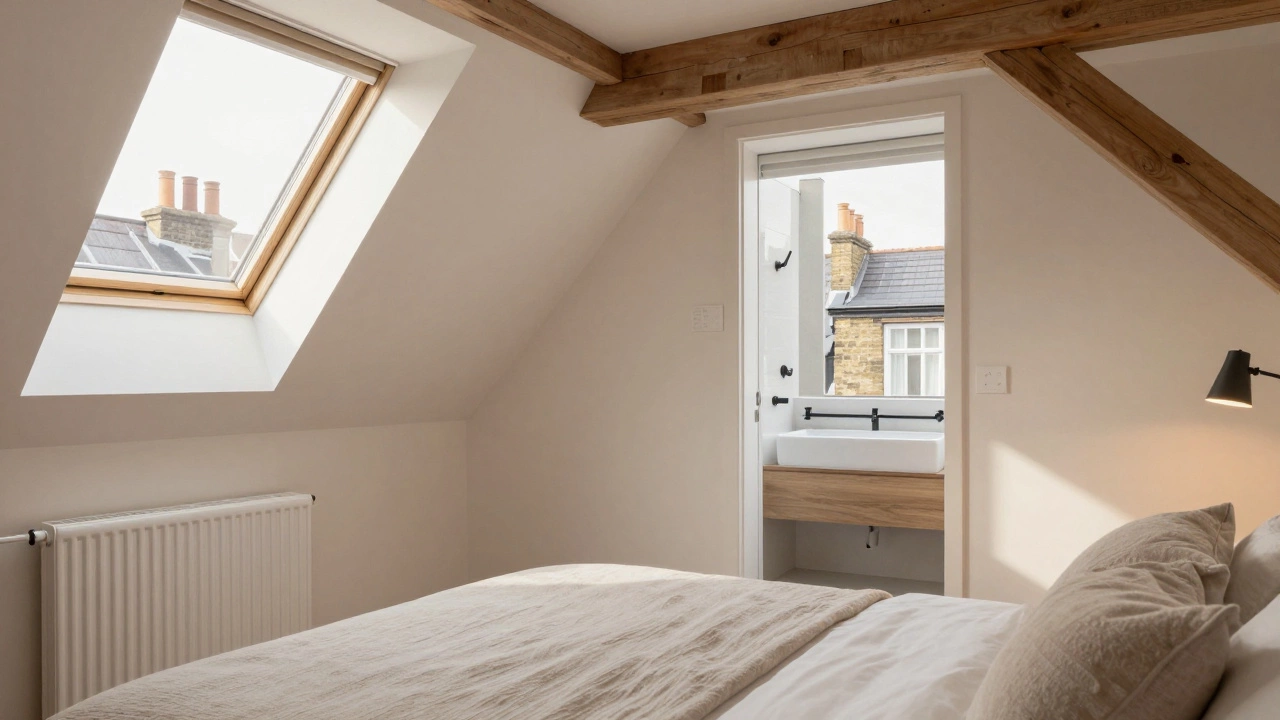
What you’ll find in the posts below are real examples of both paths. From how a commercial building, a structure designed for business use like a retail store or office might choose to expand horizontally to save on vertical engineering, to how a homeowner in London added a second story instead of sacrificing their tiny backyard. You’ll see how civil construction, the infrastructure work behind roads, bridges, and public utilities handles large-scale expansion differently than a single-family home tackles a bump-out. And you’ll get clear breakdowns of what each approach really costs, how long it takes, and what surprises you might not see coming.
There’s no one-size-fits-all answer. But understanding the difference between build up and expand helps you ask the right questions before you sign a contract. Whether you’re adding a bedroom, opening up a retail space, or just trying to make your home work better, the path you choose changes everything. Let’s look at what others have done—and what you should watch out for.
Is It Cheaper to Build Up or Expand? Home Extension Costs Explained
- Gavin Whitaker
- |
- |
- 0
Is it cheaper to build up or expand your home in London? Learn the real costs of loft conversions vs side extensions, hidden expenses, planning rules, and which option adds more value in 2025.
View more