Foundation Issue Assessment Tool
Check all that apply:
Assessment Result
UnknownLikely Cause
Analyzing...
Recommended Action
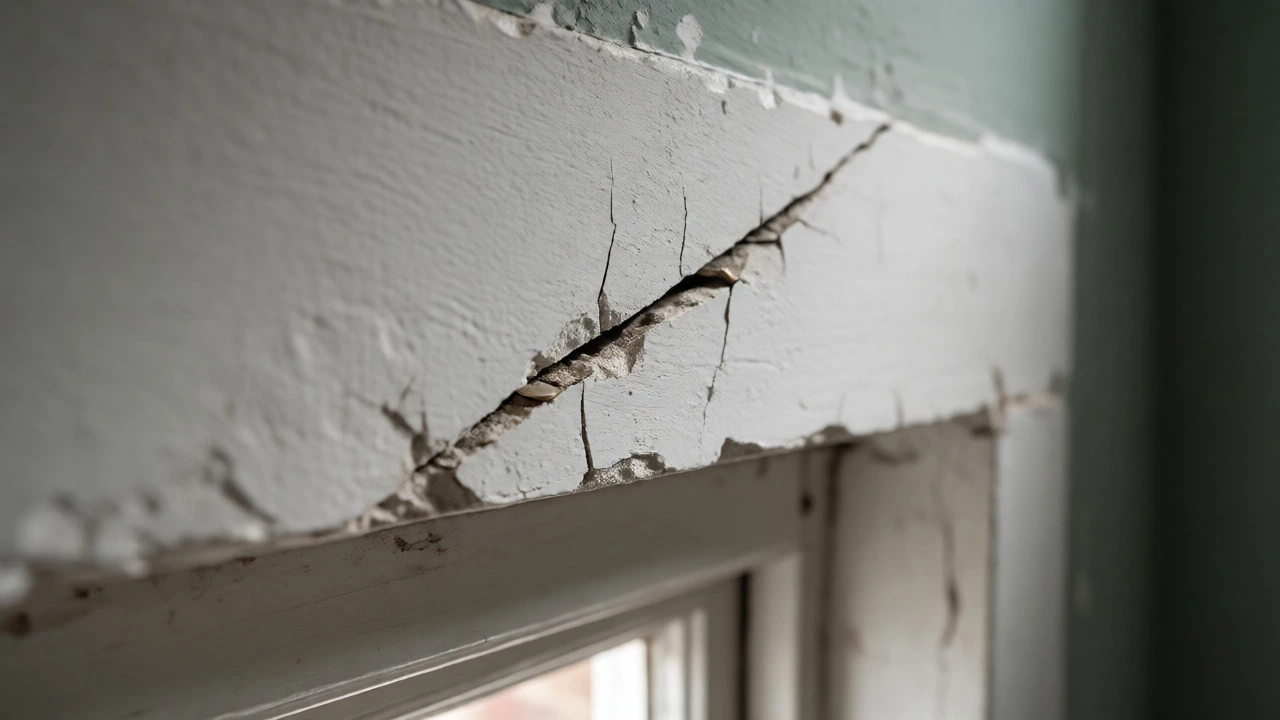
You notice a crack in the plaster above your window. It’s thin at first, barely noticeable. Then it widens. Doors start sticking. Floors feel uneven when you walk across them. Your heart sinks because you know what this might mean: foundation problems. In the UK, where clay soils expand and contract with moisture changes, this is more common than you think. But panic helps no one. Knowing exactly what steps to take can save you thousands of pounds and prevent minor issues from becoming major structural failures.
Spotting the Early Warning Signs
Before you call anyone, you need to confirm whether these signs actually point to foundation movement or just normal settling. Not every crack means disaster. Hairline cracks in brickwork that are less than 1mm wide often happen as a new house settles into its site during the first few years. That’s usually fine. The trouble starts when cracks widen beyond 3mm, especially if they follow a diagonal pattern from the corner of windows or doors. These are classic indicators of subsidence, which occurs when the ground beneath your home shrinks or collapses, pulling the foundation down with it.
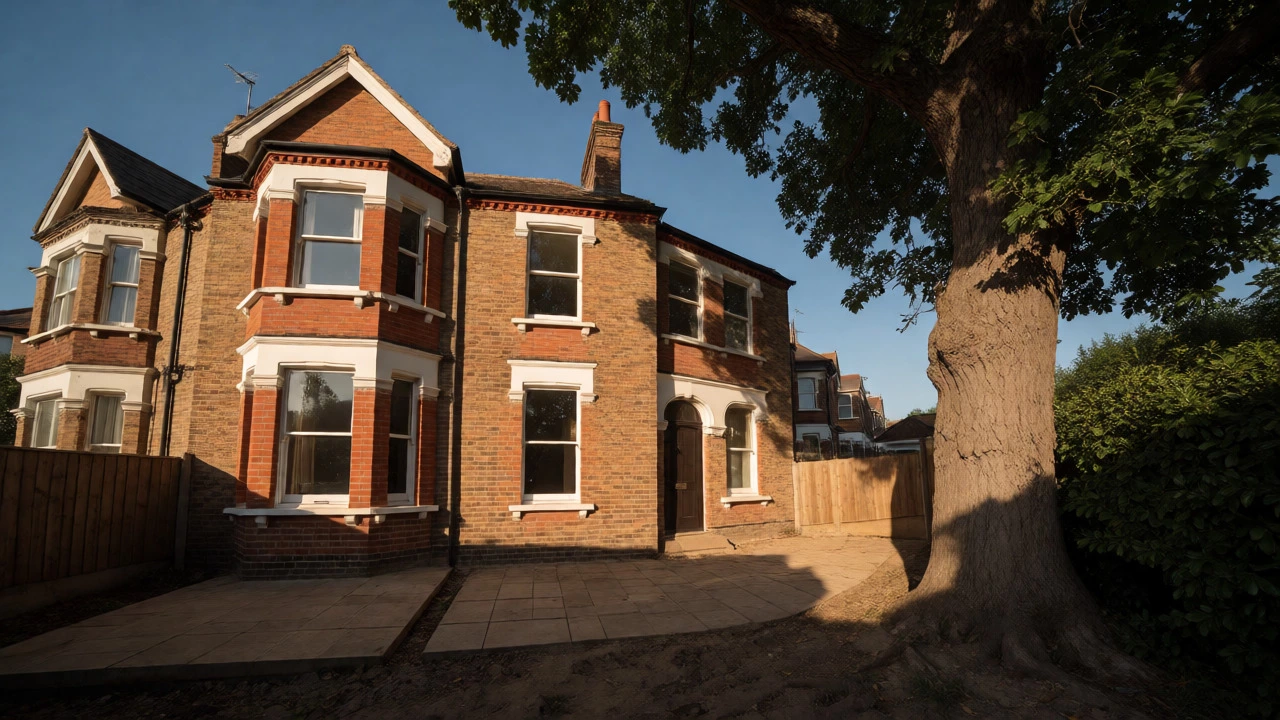
Look for other clues inside the house. Gaps between skirting boards and floors suggest the floor structure has shifted. If tiles in your kitchen or bathroom have cracked without any impact, that’s another red flag. Outside, check for leaning fences, gaps around garage doors, or patios that seem to slope away from the house. In London specifically, large trees like oaks and willows planted too close to the property can drink up vast amounts of water from the soil during dry spells, causing the clay to shrink and the foundation to dip. This process, known as tree-related subsidence, accounts for a significant portion of claims handled by insurers here.
Immediate Actions to Take
Once you suspect foundation movement, don’t wait months to act. Start documenting everything immediately. Take photos of all cracks, noting their width using a coin or ruler for scale. Date each photo. If possible, install simple crack monitors-small plastic gauges available at hardware stores-that track how much the crack widens over weeks. This data is gold for surveyors later on. If you’re a homeowner, notify your buildings insurance provider right away. Most policies cover subsidence, but they require prompt notification. Delaying could jeopardize your claim.
Check your drainage. A leaking pipe under the house can wash away soil, creating voids that cause the foundation to sink. This is called soil erosion. Look for damp patches on walls near ground level or unexplained increases in your water bill. If you find a leak, get it fixed instantly. Sometimes, repairing a burst drain resolves the issue entirely without needing expensive structural work.
Getting Professional Assessment
DIY diagnosis only goes so far. You need a qualified expert to tell you the extent of the damage and the best course of action. Who do you call? Avoid general builders who might jump straight to quoting for massive repairs. Instead, hire a Chartered Structural Engineer or a Building Surveyor accredited by the Royal Institution of Chartered Surveyors (RICS). They understand soil mechanics and structural loads better than most contractors.
The engineer will likely recommend a geotechnical investigation. This involves drilling boreholes into the ground around your property to analyze soil composition and depth. They’ll check for tree roots, moisture content, and potential voids. Expect this phase to cost between £500 and £1,500 depending on complexity. It’s an investment, but skipping it risks misdiagnosis. For example, treating a problem caused by poor drainage with underpinning would be a waste of money.
Understanding Repair Options
If the assessment confirms serious movement, you’ll face choices about repair methods. The right solution depends on the severity, access to the site, and budget. Here’s a breakdown of common techniques used in the UK market today.
| Method | Best For | Approximate Cost (UK) | Disruption Level |
|---|---|---|---|
| Resin Injection | Mild to moderate subsidence; limited access sites | £15,000 - £30,000 | Low (no excavation) |
| Micro-piling | Severe subsidence; high-rise extensions | £40,000+ | Medium (drilling required) |
| Traditional Underpinning | Older properties; deep foundations needed | £30,000 - £60,000 | High (extensive digging) |
| Drainage Repair Only | Issues caused solely by leaking pipes | £500 - £2,000 | Low to Medium |
Resin injection has gained popularity recently because it requires minimal excavation. Engineers inject expanding resin into the soil beneath the foundation, which stabilizes the ground and lifts the slab slightly. It’s cleaner and faster than traditional methods, though not suitable for every soil type.
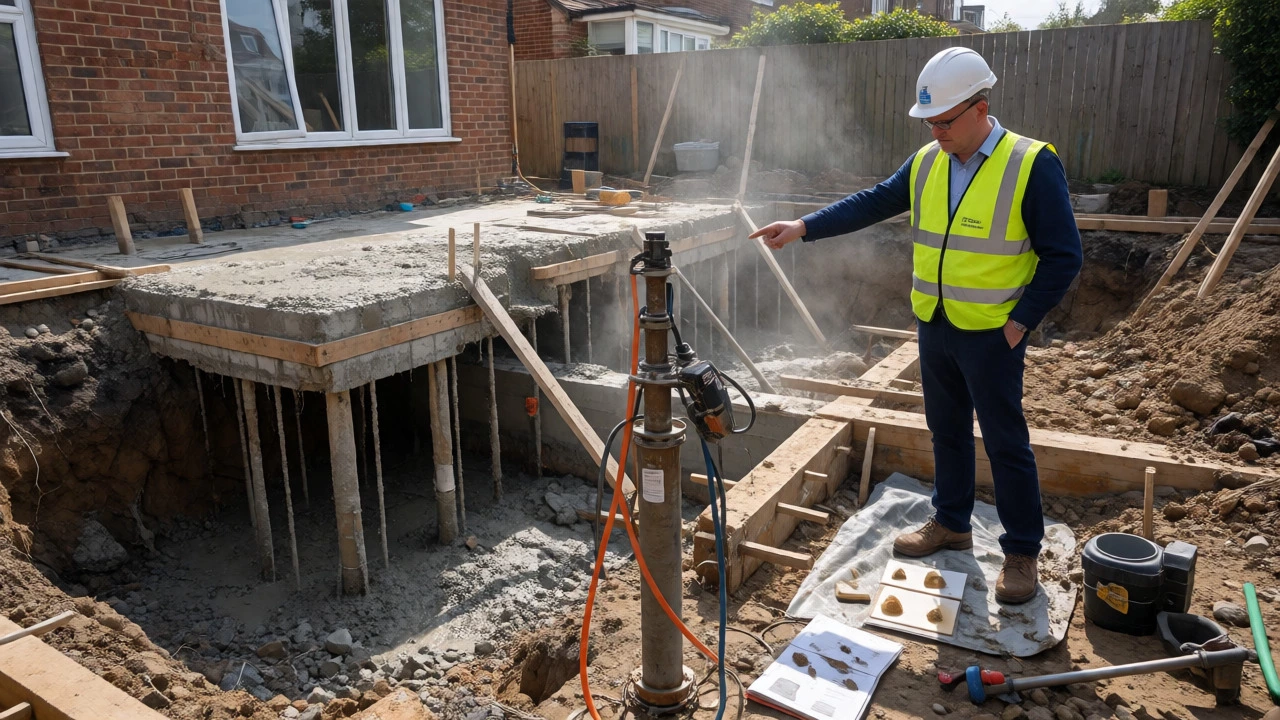
Underpinning remains the gold standard for severe cases. Traditional mass concrete underpinning involves digging sections under the existing footing and filling them with concrete to deepen the foundation. Micro-piling uses steel piles driven deep into stable strata, ideal when space is tight or vibrations must be minimized.
Navigating Insurance and Costs
Who pays for this? If you have buildings insurance, check your excess. Subsidence claims often carry a higher excess than other types, sometimes ranging from £1,000 to £2,500. Once the excess is met, the insurer covers the rest, provided the cause is covered (e.g., natural ground movement vs. lack of maintenance).
Be prepared for additional costs beyond the structural repair. You’ll likely need redecoration. Cracks will reappear until the movement stops completely, so wait at least six to twelve months after repairs before repainting or replastering. Insurers may also cover temporary accommodation if the house becomes unsafe, but this varies by policy. Always keep receipts for all related expenses, including independent survey fees, as some insurers reimburse these upon approval.
Preventing Future Movement
After repairs, prevention is key. Manage vegetation carefully. Remove large trees within 5-10 meters of the house if they pose a risk, or prune them regularly to reduce water uptake. Maintain consistent moisture levels in the soil. During droughts, lightly watering the perimeter of your home can prevent excessive shrinkage. Conversely, ensure surface water drains away from the foundation. Blocked gutters or downpipes directing water against the wall can saturate the soil, leading to heave-the opposite of subsidence, where wet soil expands and pushes the foundation up.
Regular inspections help catch small issues early. Walk around your property twice a year, looking for new cracks or shifts. Keep records of any changes. If you live in a conservation area or listed building, consult heritage specialists before undertaking external works, as restrictions may apply to visible alterations.
How long does foundation repair take?
The actual physical repair work typically takes 2 to 6 weeks, depending on the method and size of the property. However, the entire process from initial inspection to final decoration can take 6 to 12 months. This includes time for the engineer's report, insurance approval, and allowing the structure to stabilize before cosmetic fixes.
Is foundation repair covered by home insurance?
Yes, most buildings insurance policies cover subsidence and structural movement, provided it wasn't caused by neglect or gradual wear and tear. Check your policy for specific exclusions and note that the excess for subsidence claims is usually higher than for other claims.
Can I sell my house with foundation problems?
You can, but it complicates the sale. Buyers' lenders may refuse mortgages if unresolved structural issues exist. Ideally, complete repairs and provide warranties before listing. If selling 'as-is', expect offers below market value and cash buyers rather than mortgage-dependent purchasers.
What is the difference between subsidence and settlement?
Settlement happens naturally as a new building compresses the ground beneath it, usually within the first two years. Subsidence is downward movement of the foundation due to ground instability, such as shrinking clay soil or leaking drains. Settlement is often cosmetic; subsidence can be structural.
Do I need planning permission for underpinning?
Generally, no, unless your home is a listed building or in a conservation area. Underpinning is considered maintenance or improvement rather than development. However, always check with your local council if you're unsure, especially for historic properties.