Oprah's Interior Design Style Selector
Select a designer profile below to see how their philosophy translates into practical tips for your own home.
Adam Tihany
Modern Classic"Quiet Luxury" & Symmetry
Nate Berkus
EclecticPersonal Storytelling & Soul
Select a Designer
Click on one of the cards above to reveal their specific design principles and how to apply them to your space.
Key Focus Areas
- Waiting for selection...
Practical Application Tips
The Golden Rule for Both Styles:
70% Timeless / 30% Trendy: Keep large investments (sofas, rugs) neutral and durable. Use accessories (pillows, art, lamps) to inject personality and follow trends. This ensures longevity while keeping the space fresh.
You scroll through Instagram, see a photo of Oprah Winfrey’s living room, and think: "I want that." It’s not just about having a billion dollars; it’s about knowing exactly who to call when you have one. The question isn't really about the furniture-it’s about the access. When you ask, "Who is Oprah's interior designer?" you’re actually asking for a masterclass in how to blend comfort with grandeur.
The short answer? There isn’t just one person. Oprah’s homes are a rotating gallery of top-tier talent. But if you had to name the heavy hitters, two names come up again and again: Adam Tihany and Nate Berkus. These aren’t just decorators; they are architects of lifestyle. Let’s break down who did what, why it matters, and how you can steal their secrets without needing a private island.
The Master of Modern Luxury: Adam Tihany
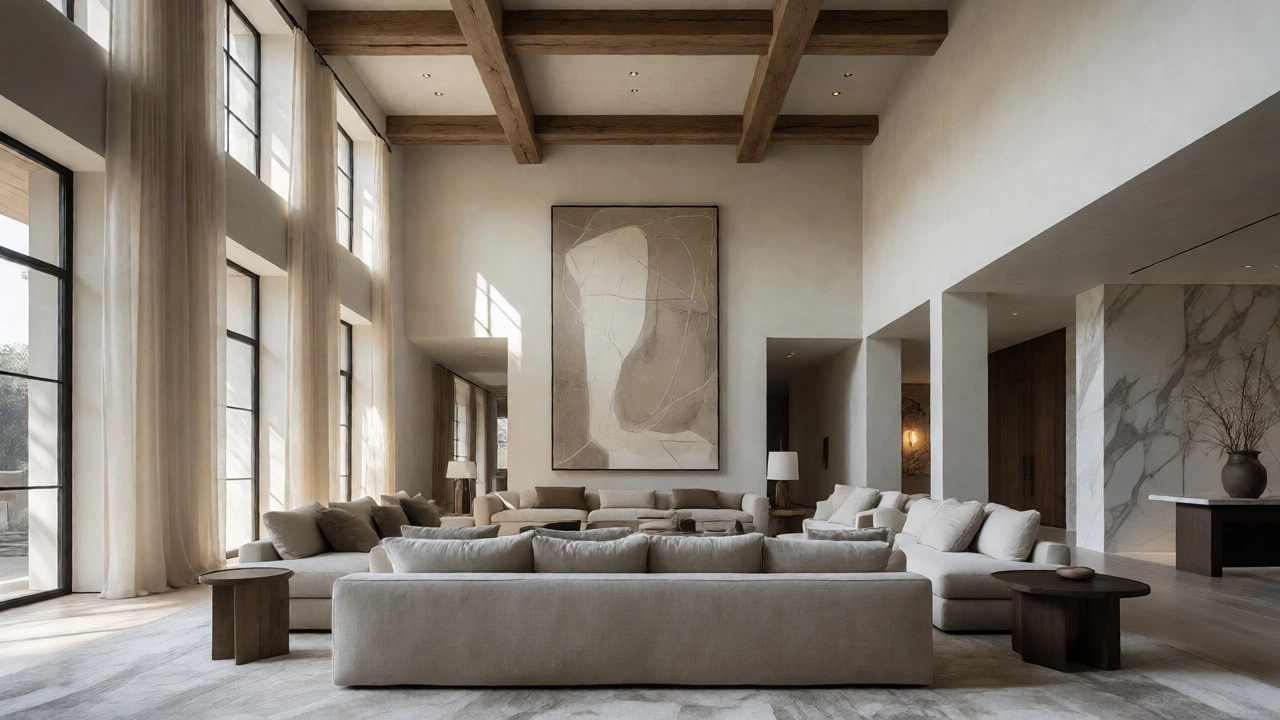
If you’ve seen photos of Oprah’s Montecito estate, you’ve likely seen the work of Adam Tihany. He’s a Hungarian-American designer known for blending classic elegance with modern sensibilities. Think high ceilings, rich textures, and an overwhelming sense of calm. Tihany doesn’t just pick paint colors; he curates experiences.
Tihany’s approach to Oprah’s spaces focuses on "quiet luxury." This isn’t the flashy, gold-trimmed opulence of the 1980s. It’s understated. In her main residence, he utilized neutral palettes-creams, taupes, and soft grays-to create a backdrop that lets art and family memories take center stage. Why does this work? Because when your net worth is public knowledge, you don’t need to shout. You whisper.
One key attribute of Tihany’s style is his use of scale. Oprah’s homes are massive. If you put small, delicate furniture in a 20-foot ceiling room, it looks like dollhouse furniture. Tihany solves this by using oversized sofas, large-scale artwork, and substantial wooden beams. He understands that volume needs weight.
| Designer | Primary Style | Key Feature | Best For |
|---|---|---|---|
| Adam Tihany | Modern Classic / Quiet Luxury | Symmetry and Scale | Formal entertaining spaces |
| Nate Berkus | Eclectic / Personal Storytelling | Mixing High/Low | Cozy, lived-in bedrooms |
The Storyteller: Nate Berkus
While Tihany handles the grand gestures, Nate Berkus often steps in for the more personal touches. Berkus is famous for his ability to make a space feel like it has a soul. He doesn’t believe in showroom perfection. He believes in life.
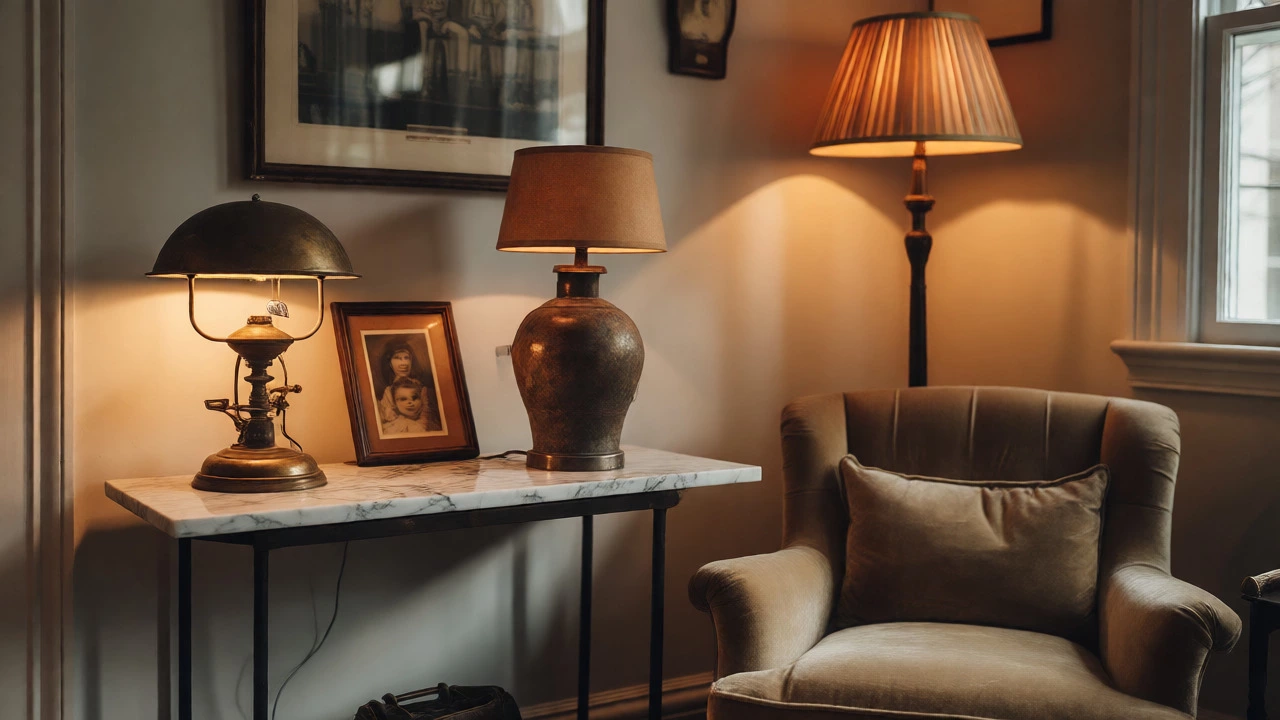
Berkus worked on Oprah’s previous residences and continues to influence her aesthetic. His signature move? Mixing vintage finds with custom pieces. You’ll see a $10,000 sofa next to a thrifted lamp or a family heirloom sitting on a marble console. This creates visual interest. It stops the room from feeling sterile.
For those trying to replicate this look, here is the rule of thumb: 70% timeless, 30% trendy. Berkus keeps the big items (sofas, rugs) neutral and durable. Then, he uses accessories to inject personality. It’s a safer bet than going all-in on a passing fad. If you buy a bright yellow velvet chair today, you might hate it in three years. If you buy a gray linen sectional, you can change the pillows and call it new.
Why Celebrity Designers Are Different
You might wonder, "Can’t I just hire my local decorator?" Sure, but there is a difference between decorating a house and designing a sanctuary for someone whose face is on magazine covers weekly. Celebrity designers like Tihany and Berkus specialize in privacy engineering.
They know how to arrange furniture so that cameras can’t easily peer into private zones. They select fabrics that hide stains because these homes host hundreds of guests. They choose lighting that flatters faces because video calls and TV appearances are part of daily life. This functional layer is often invisible to the average homeowner but critical for the client.
Another factor is procurement power. When Oprah wants a specific Italian marble slab, she doesn’t wait six months. Her team, led by designers with decades of connections, gets it expedited. As a regular homeowner, you can leverage this insight: build relationships with local vendors. Ask them, "What do you wish you had more of?" Often, they have access to off-market materials or artisan makers who aren’t advertising online.
Stealing the Look: Practical Tips for Your Home
You don’t need a Montecito mansion to borrow from Oprah’s playbook. Here are four concrete ways to apply these principles right now.
- Invest in Lighting Layers: Both Tihany and Berkus avoid single-source overhead lighting. Instead, they use floor lamps, table lamps, and sconces. This allows you to control the mood. Want to relax? Turn off the big light and keep the warm glow of a side table lamp. It instantly makes a standard apartment feel expensive.
- Create Conversation Zones: Don’t push all your furniture against the walls. Pull seating groups toward the center of the room. Face chairs toward each other, not just toward the TV. This encourages interaction, a core value in Oprah’s hosting style.
- Use Textural Contrast: If your sofa is smooth leather, add a chunky knit throw. If your rug is flat-weave, add a plush velvet pillow. Texture adds depth without adding color chaos. It’s the easiest way to make a budget room look curated.
- Declutter with Intention: Oprah’s spaces are clean, but not empty. Every object has a purpose or a story. If you can’t explain why an item is on your shelf, move it. This isn’t about minimalism; it’s about intentionality.
The Evolution of Oprah’s Aesthetic
It’s worth noting that Oprah’s taste has shifted over the decades. In the early days of her show, her sets were bold, colorful, and busy-reflecting the energy of daytime television. Today, her homes reflect a mature desire for peace. The shift from "look at me" to "feel good here" mirrors a broader trend in modern home interiors.
We are seeing a global move away from stark minimalism toward "warm minimalism." People are tired of cold, white boxes. They want warmth, wood tones, and organic shapes. Even if you aren’t hiring a celebrity designer, aligning your home with this cultural shift ensures your space feels current and inviting.
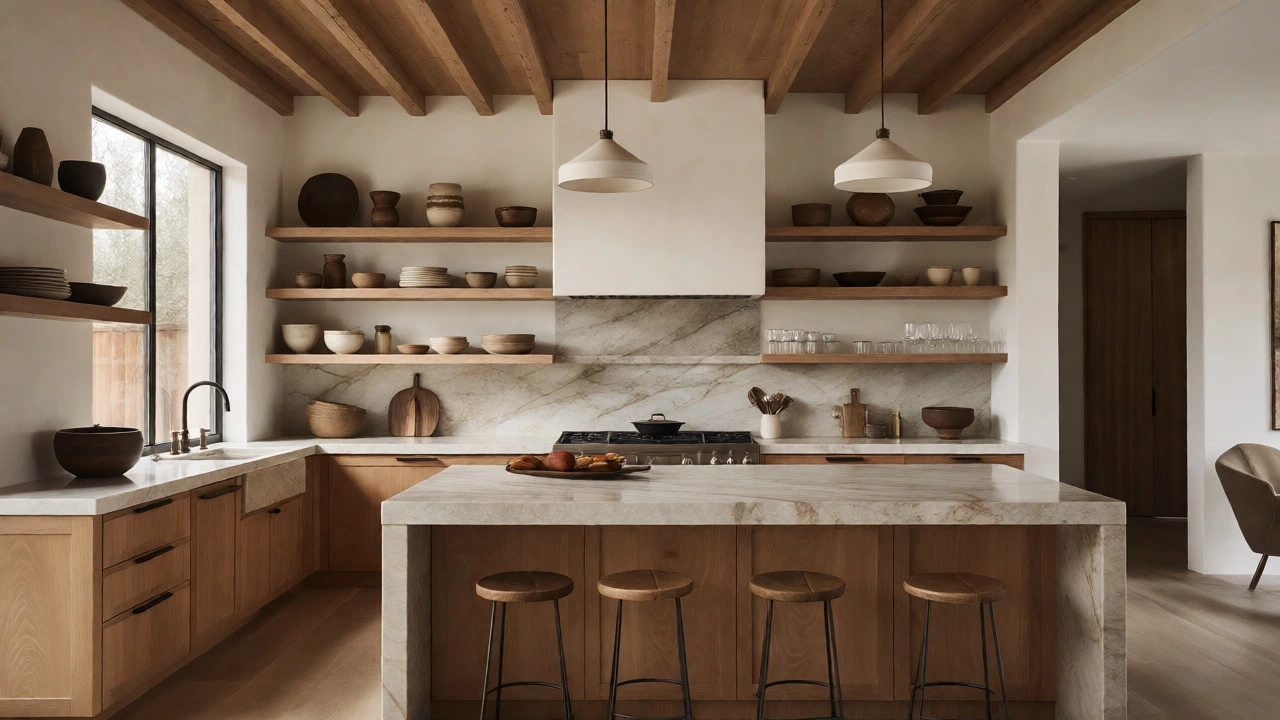
Consider the layout of her kitchen. It’s not just a place to cook; it’s the heart of the home. Large islands, open shelving, and durable stone countertops dominate. This reflects a lifestyle where cooking is social, not solitary. If you spend hours alone in your kitchen, maybe it’s time to rethink the flow. Can you pull up a stool? Can you chat while chopping onions?
Hiring Your Own "Celebrity" Eye
So, should you hire a designer? If your budget allows, yes. But you don’t need a name brand. Look for a designer who listens more than they talk. During consultations, watch out for professionals who immediately start selling you their favorite brands. Good designers ask questions about how you live. Do you have kids? Pets? Do you read in bed? Do you host dinner parties?
Ask potential hires for references specifically regarding communication and problem-solving. Did they stay on budget? How did they handle delays? The relationship is as important as the vision. Remember, even Oprah didn’t pick her first designer based on fame alone; she picked people who understood her voice.
Ultimately, the secret to Oprah’s interiors isn’t the price tag. It’s the consistency. Every room tells the same story: comfort, dignity, and warmth. You can achieve that in a studio apartment in London or a suburban house in Ohio. Start with one room. Pick one principle-maybe the lighting layers or the texture contrast-and execute it well. That’s how you build a home that feels like yours, not just a replica of someone else’s.
Did Oprah use the same designer for all her homes?
No. While Adam Tihany and Nate Berkus are prominent names associated with her properties, Oprah has worked with various designers throughout her career, including Michael S. Smith and others, depending on the specific project and location.
What is Adam Tihany’s design style?
Adam Tihany is known for "quiet luxury," blending modern lines with classic elegance. His style features neutral palettes, high-quality materials, and an emphasis on symmetry and scale to create serene, sophisticated environments.
How much does it cost to hire a designer like Nate Berkus?
Top-tier celebrity designers typically charge hourly rates ranging from $500 to $1,000+ or require minimum project fees starting in the tens of thousands. However, many offer product lines or design services that are more accessible to the general public.
Can I copy Oprah’s decor exactly?
You can copy elements, but exact replication is difficult due to custom-made pieces and architectural specifics. Focus on replicating the principles-such as mixing textures, using layered lighting, and prioritizing comfort-rather than buying identical furniture.
What is the most important element in Oprah’s home design?
Comfort and functionality are paramount. Whether it’s deep-seated sofas or durable flooring, every choice supports a lifestyle of relaxation and hospitality. The design serves the inhabitant, not the other way around.