Room Decluttering Strategy Finder
Answer these three questions to get a personalized recommendation for where to start your decluttering journey.
You stare at the mess in your hallway, then glance at the kitchen counters covered in mail, and finally look toward the bedroom door that’s slightly ajar. You want to clean, but you’re paralyzed by choice. Where do you even start? Most people pick the easiest room or the one that embarrasses them the most. But here is a secret professional organizers know: starting in the wrong room can actually make your whole house feel more chaotic.
If you are looking to refresh your bedroom decor, choosing the right room to tackle first isn't just about cleaning-it's about momentum. The goal isn't just to hide stuff; it's to create a system that sticks. So, which room should you declutter first? The answer depends on your personality type, your schedule, and what kind of peace you are trying to buy back into your life.
The Quick Verdict: Start With the Bedroom
| Room | Best For | Effort Level | Impact on Mood | Time Required |
|---|---|---|---|---|
| Bedroom | Mental clarity, sleep quality, visual calm | Low to Medium | High (Immediate) | 1-3 Hours |
| Kitchen | Daily functionality, cooking efficiency | Medium to High | Medium (Delayed) | 3-5 Hours |
| Living Room | Social confidence, family gathering space | Medium | Medium | 2-4 Hours |
| Bathroom | Hygiene, quick wins, small spaces | Low | Low to Medium | 1 Hour |
| Garage/Attic | Deep storage, long-term projects | Very High | Low (Initially) | Days/Weeks |
For most people, especially those interested in improving their living space aesthetics, the bedroom is the undisputed champion for the first decluttering session. Why? Because you spend roughly eight hours a day there. If your sanctuary is cluttered, your brain never fully switches off. Clearing this space gives you an immediate dopamine hit and a visible result you can enjoy every single night. It sets a high standard for the rest of the house.
Why the Bedroom Wins the Psychological Battle
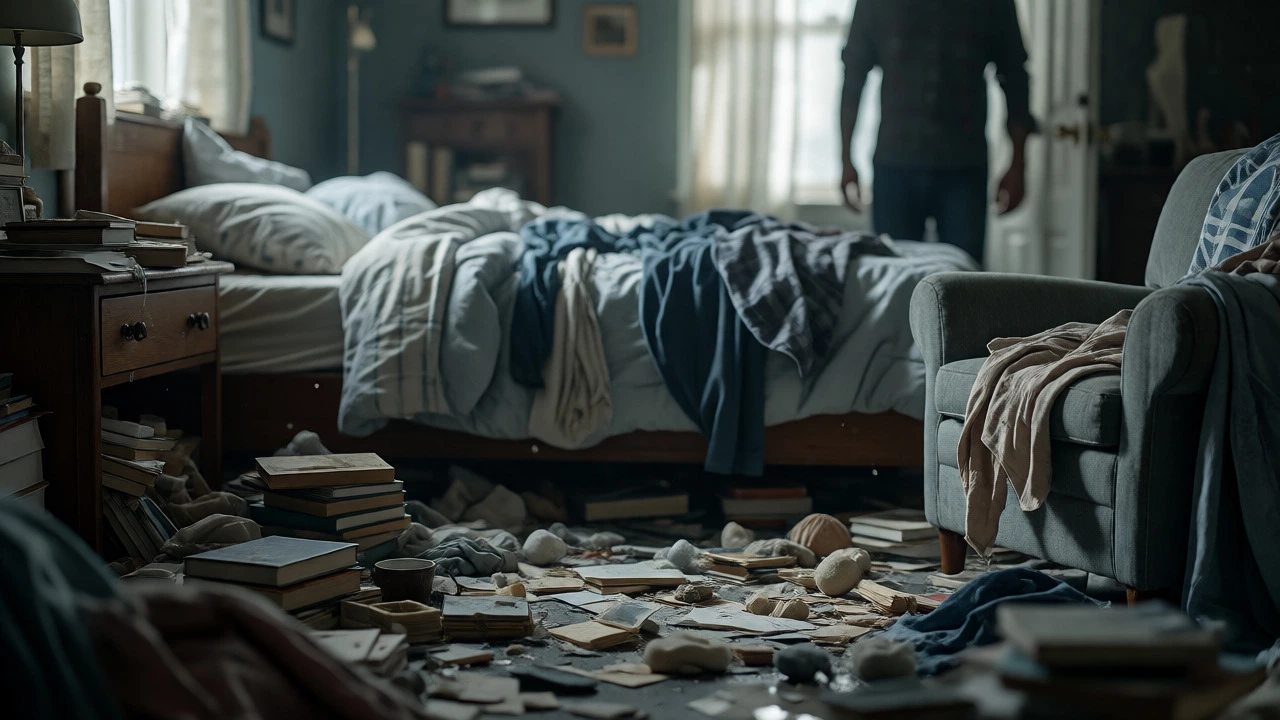
Think about how you feel when you walk into a messy kitchen versus a messy bedroom. A messy kitchen feels like work waiting to be done. A messy bedroom feels like stress. Your bedroom is your retreat. When it’s filled with clothes on chairs, stacks of books on nightstands, and random objects from other rooms, it signals to your subconscious that your life is out of control.
Decluttering the bedroom offers a unique advantage: low stakes. Unlike the kitchen, where you need tools and appliances to function, or the garage, which requires heavy lifting, the bedroom mostly involves sorting soft goods. Clothes, bedding, papers, and knick-knacks. These items are easy to move. You don’t need a dolly. You don’t need to worry about grease traps. You just need bags and boxes.
Furthermore, minimalism starts visually. Once you clear the floor in your bedroom, you see the actual size of the room. You realize you have more space than you thought. This realization fuels the motivation to keep going. You think, "If I could fix this, I can definitely handle the bathroom." That momentum is crucial. Starting with the garage often leads to burnout because the project seems endless. Starting with the bedroom gives you a win in under three hours.
Step-by-Step: How to Declutter Your Bedroom Effectively
Don’t just start throwing things in trash bags. That’s how you end up with piles that just move the mess around. Follow this structured approach to ensure you actually finish.
- Clear the Surfaces: Start with the nightstands and dresser tops. Remove everything. Wipe down the surfaces. Only put back items you use daily (lamp, phone charger, book). Everything else goes into a "Relocate" box.
- The Closet Audit: Take everything out of your closet. Yes, everything. Sort into four categories: Keep, Donate, Sell, Trash. Be ruthless with the "Maybe" pile. If you haven’t worn it in a year, it’s gone.
- Under the Bed Check: This is the black hole of clutter. Pull out the bins. Do you really need those old college notes? Probably not. Recycle paper, toss broken items, and consolidate keepsakes into one labeled bin.
- Furniture Reassessment: Look at your furniture. Does that oversized armchair actually get used? Or is it just a clothes hanger? If it doesn’t serve a purpose, sell it or donate it. Removing bulky furniture opens up the room instantly.
- Style Refresh: Now that the clutter is gone, look at your remaining items. Do they match your current taste? Maybe swap out a few decorative pillows or update your artwork. This step turns cleaning into decorating.
When to Choose the Kitchen Instead
Is the bedroom always the right choice? Not necessarily. If your primary source of stress is meal preparation, start with the kitchen. Some people find mental clarity through functional order rather than aesthetic calm. If you dread coming home because you can’t find a clean pan or your counters are buried in junk mail, the kitchen is your priority.
However, the kitchen is harder to declutter quickly. It involves expiration dates, duplicate utensils, and gadgets you swore you’d use. It takes longer. If you choose the kitchen, block out a full Saturday morning. Bring music, order lunch, and commit to finishing before dinner. Don’t half-do the kitchen. A half-cleaned kitchen looks worse than a dirty one because the contrast highlights the remaining mess.
The Bathroom: The Best Quick Win
If you only have 45 minutes, skip the bedroom and hit the bathroom. Bathrooms are small. You can declutter a bathroom in less time than it takes to watch a TV episode. This is perfect for busy parents or professionals who can’t spare a weekend.
Focus on the vanity drawers and the shower shelf. Toss expired medications, dried-out nail polish, and empty shampoo bottles. Use clear containers for cotton swabs and makeup. The visual impact is huge because bathrooms are often tiled and reflective. Clutter reflects everywhere. Cleaning it makes the whole space feel larger and brighter. It’s a low-effort, high-reward task that gets you ready for bigger projects.
Avoid the Garage Trap
Many people make the mistake of starting with the garage. They think, "I’ll get all this big junk out, and then the rest will be easy." Wrong. The garage is the hardest room to declutter. It contains sentimental items, dangerous chemicals, heavy equipment, and items from every other room in the house.
If you start with the garage, you risk getting stuck. You might spend six hours moving boxes from one side of the garage to the other without actually removing anything. By the time you stop, you’re exhausted. You look at your bedroom, still messy, and think, "I’m too tired to deal with that now." And so the cycle continues. Save the garage for last. Let it be the final boss battle after you’ve built up your decluttering muscles in smaller, manageable rooms.
Tools and Techniques for Success
To make sure your decluttering session sticks, you need the right setup. Here are some heuristics that work:
- The Four-Box Method: Always have four containers ready: Trash, Donate, Relocate, Keep. Never sort directly onto the floor. If you don’t have a box, you don’t have a plan.
- The One-Year Rule: If you haven’t used it, worn it, or looked at it in twelve months, let it go. Exceptions apply for seasonal gear and emergency supplies.
- Timer Technique: Set a timer for 20-minute intervals. Work hard, then take a five-minute break. This prevents decision fatigue. After four cycles, stop. Call it a day. Consistency beats intensity.
- Photograph Sentimental Items: Struggling to part with a childhood toy? Take a photo of it. Keep the memory, release the object. This reduces guilt significantly.

How Decluttering Impacts Decor
You might wonder, "What does cleaning have to do with design?" Everything. Interior design relies on negative space. Negative space is the empty area around objects. When you declutter, you increase negative space. This allows your eye to rest. It highlights the items you chose to keep.
Imagine a gallery wall. If you hang twenty pictures in a two-foot square, it looks chaotic. If you hang three well-chosen frames with breathing room between them, it looks curated. Decluttering is the process of finding your personal gallery wall. Once the noise is gone, you can see what style you actually like. Maybe you realize you love mid-century modern but hate boho chic. You can’t figure that out when your shelves are stuffed with random souvenirs from trips you took ten years ago.
Common Pitfalls to Avoid
Even with the best intentions, people fall into traps. Watch out for these common mistakes:
- The "One Day" Myth: Thinking you can declutter the whole house in one weekend is unrealistic. Aim for one room per week. Slow and steady wins the race.
- Buying Storage Before Sorting: Don’t buy new bins until you’ve finished decluttering. Otherwise, you’ll just organize your junk. Measure your space after you’ve decided what stays.
- Ignoring Digital Clutter: While you’re clearing physical space, consider your phone photos and email inbox. Digital clutter adds to mental load. Delete screenshots you no longer need. Unsubscribe from newsletters you never read.
- Lack of Maintenance Plan: Decluttering is a reset button, not a permanent state. Establish a "one-in, one-out" rule. If you buy a new shirt, donate an old one. If you bring home a magazine, recycle an old one.
Next Steps: Building a Habit
Once you’ve cleared your first room, don’t stop. Pick the next target based on energy levels. Feeling energetic? Hit the living room. Feeling lazy? Do the bathroom. The key is to keep the wins coming. Each completed room reinforces your identity as someone who maintains their home.
Remember, the goal isn’t a magazine-perfect home. It’s a home that supports your life. If your bedroom is calm, you sleep better. If your kitchen is functional, you eat better. If your living room is inviting, you connect better. Start small. Start today. Pick the bedroom, set a timer, and begin.
Should I declutter my kids' rooms first?
Generally, no. Kids' rooms are chaotic by nature and require constant maintenance. Unless you are doing a major overhaul, focus on adult spaces first. Adult rooms provide immediate psychological relief and are easier to maintain independently. Once you have established systems in your own spaces, apply those lessons to the kids' areas.
How much time should I allocate for decluttering one room?
It varies by room size and clutter level. A bathroom typically takes 45-60 minutes. A bedroom usually takes 2-4 hours. A living room can take 3-5 hours. Kitchens and garages often require multiple sessions. It is better to do short, consistent bursts than one marathon session that leaves you burnt out.
What if I can't decide whether to keep an item?
Use the "Purgatory Box" method. Place undecided items in a sealed box labeled with the date. Store it out of sight. If you haven’t opened the box in six months, donate it unopened. This removes the pressure of making a final decision immediately while ensuring the item doesn’t return to your active living space.
Does decluttering help with anxiety?
Yes, studies and anecdotal evidence suggest a strong link between visual clutter and increased cortisol levels. Reducing visual stimuli helps lower cognitive load, allowing the brain to relax. Many people report feeling lighter and more focused after decluttering their primary living spaces, particularly bedrooms and offices.
Can I declutter without buying new organizers?
Absolutely. In fact, you should avoid buying organizers until the sorting phase is complete. Use existing boxes, baskets, or shelves you already own. Often, simply grouping similar items together and removing excess duplicates creates enough order without any new purchases. Organizers are solutions, not prerequisites.