Window Treatment Selector Tool
Use this tool to determine the best window treatment for your specific needs based on space, environment, and lifestyle factors.
| Treatment | Space Req. | Maintenance | Insulation | Pet Friendly |
|---|
There is a lingering belief that every window in your home demands a pair of heavy, swaying drapes. For decades, interior design rules dictated that fabric panels were the only way to dress a window properly. But if you have ever tried to vacuum under floor-length velvet or cleaned mildew from a curtain rod after a humid summer, you know this rule is flawed. Sometimes, drapes are not just unnecessary; they are actively working against your comfort, budget, and aesthetic goals.
Choosing the right window treatment is less about following tradition and more about solving specific problems related to light, space, privacy, and maintenance. In many scenarios, rigid shutters, sleek roller shades, or even bare windows offer a superior solution. Understanding when to skip the fabric can save you hundreds of pounds and result in a cleaner, more functional living space.
The Space-Saver’s Dilemma: Small Rooms and Narrow Walls
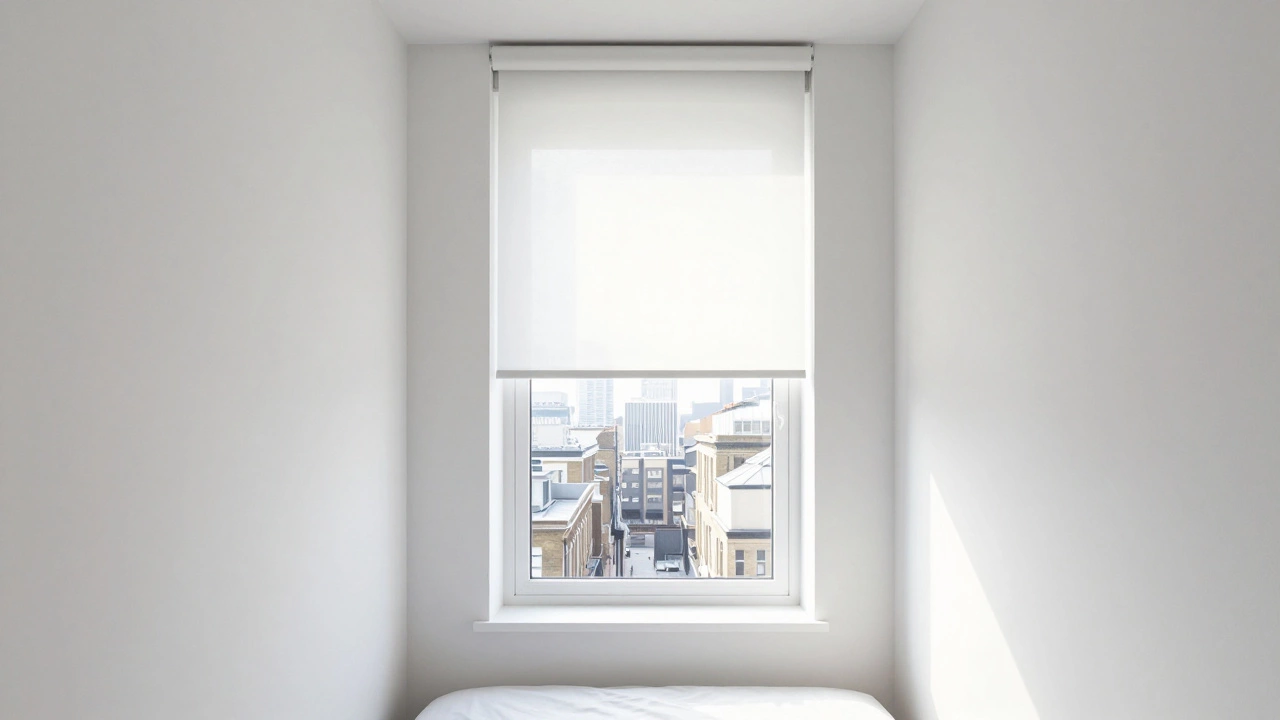
If you live in a compact flat in London or any city with premium square footage, wall space is a luxury. Standard drapes require significant horizontal clearance. To hang them correctly, you need to place the rod at least four to six inches outside the window frame on each side so the fabric stacks back without blocking the glass. In a narrow bedroom or a small bathroom, this stack often covers half the window, defeating the purpose of letting light in.
In these tight spaces, vertical blinds or roller shades are far more effective. They mount directly inside or just outside the recess, taking up minimal visual weight. When raised, they disappear into a compact housing at the top of the window. This keeps the view unobstructed and makes the room feel larger. If you use drapes here, the bulky fabric creates a sense of clutter and darkness that smaller rooms cannot afford.
High-Moisture Environments: Bathrooms and Kitchens
Fabric is porous. It absorbs moisture, odors, and grease. Hanging traditional cotton or linen drapes in a bathroom or near a kitchen stove is a recipe for rapid deterioration. In a bathroom, steam from showers settles into the fibers, leading to mold growth and musty smells that are nearly impossible to remove without professional cleaning. In the kitchen, cooking oils and smoke cling to the material, turning white curtains yellow over time.
For these high-humidity and high-grease zones, non-porous materials are essential. vinyl blinds, faux wood shutters, or water-resistant cellular shades are designed to withstand these conditions. You can wipe them down with a damp cloth in seconds. Using fabric drapes in these areas requires constant dry cleaning or replacement, which adds unnecessary cost and hassle to your home maintenance routine.
The Pet Owner’s Reality Check
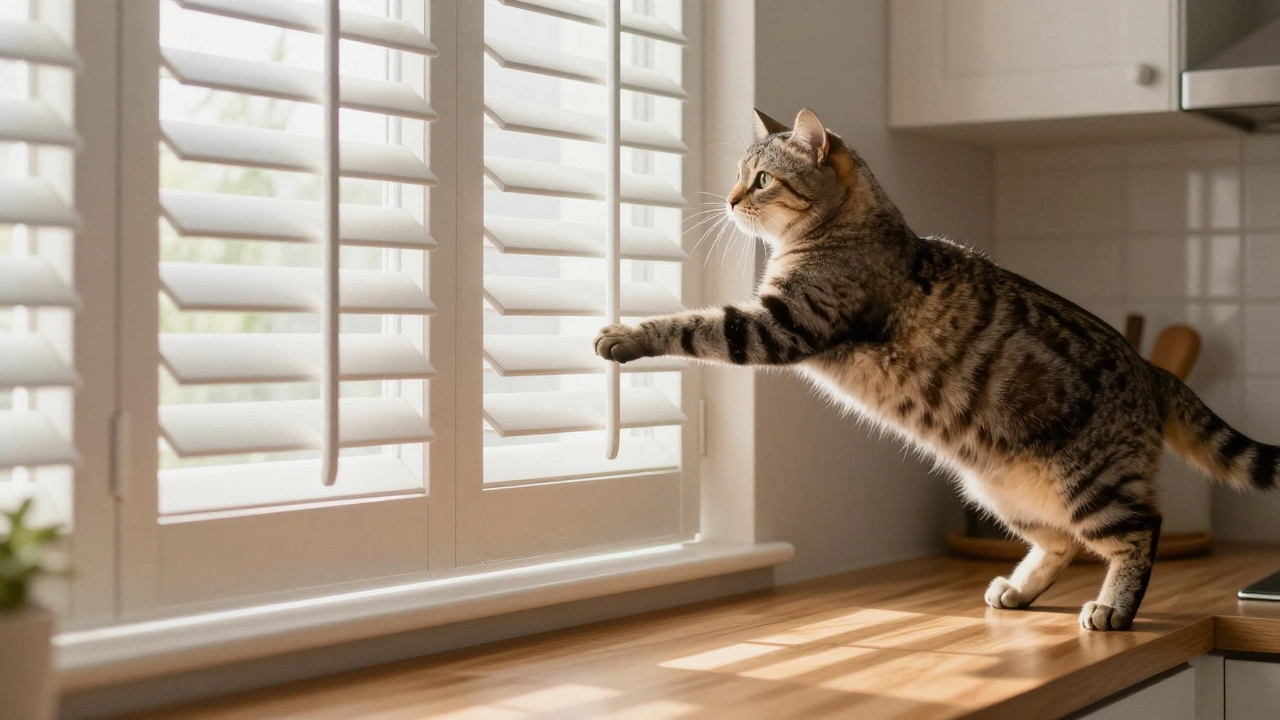
If you share your home with dogs or cats, you already know the struggle of keeping furniture clean. Adding long, flowing drapes to the mix introduces another surface for pet hair, dander, and claws to attack. Cats, in particular, are drawn to the movement of hanging fabric. A playful swipe from a cat can snag threads, unravel hems, or pull entire rods off the wall. Dogs may scratch at the bottom of the panels as they pass by, creating permanent creases and tears.
While you can choose pet-friendly fabrics like microfiber or synthetic blends, they still trap allergens. Hard window treatments like plantation shutters or aluminum blinds do not hold fur or dander. A quick dusting removes any debris. If you prioritize easy cleaning and durability in a pet-filled household, skipping soft textiles for hard surfaces is a practical decision that protects both your eyesight and your wallet.
Modern Minimalism and Architectural Integrity
Some homes are designed with clean lines, large glass panes, and an emphasis on natural light. In modern minimalist interiors, ornate drapes with tassels, linings, and heavy headers can look out of place. They disrupt the visual flow and add unnecessary ornamentation to a space that thrives on simplicity. The goal here is to frame the view, not hide it behind layers of fabric.
For contemporary homes, consider sheer roller shades or minimalist tension rods with simple linen panels. Even better, some architects recommend leaving certain windows entirely bare to maximize the connection between indoors and outdoors. If your home features large picture windows or sliding glass doors, bulky drapes block the architectural feature you paid extra for. Sleek, motorized shades that retract completely offer privacy without compromising the modern aesthetic.
Energy Efficiency and Insulation Needs
While thick thermal drapes can help insulate a window, they are not the most efficient solution for extreme climates. In very cold winters or hot summers, air leakage around standard curtain tracks allows drafts to enter. Fabric alone does not create an airtight seal. If energy efficiency is your primary concern, passive solar design and specialized window films often outperform decorative fabrics.
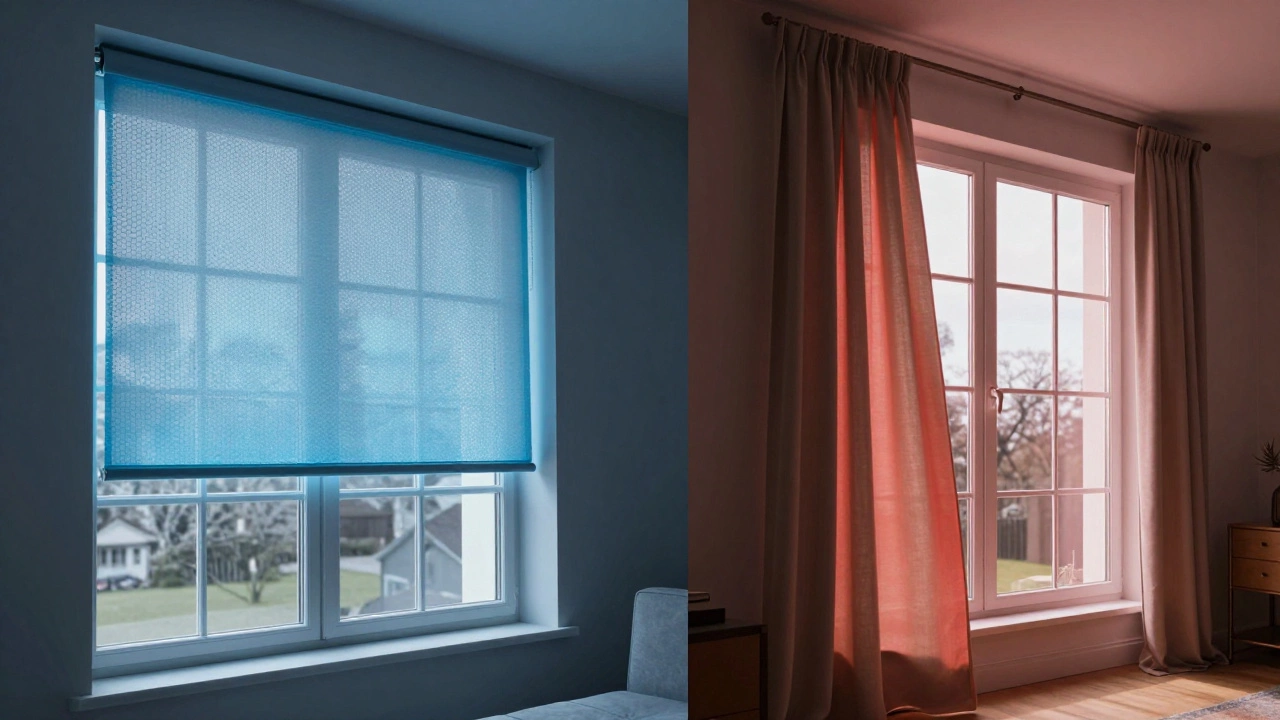
cellular (honeycomb) shades are engineered specifically for insulation. Their hexagonal structure traps air, creating a barrier that reduces heat transfer significantly more than standard drapes. Additionally, interior shutters provide a solid physical barrier against drafts. If you are trying to lower your heating and cooling bills, investing in high-performance shades rather than decorative drapes yields a faster return on investment through reduced energy consumption.
Privacy Without Darkness: The Office and Home Study
In a home office, you need light for your screen but privacy from neighbors or passersby. Heavy drapes, when closed, plunge the room into darkness, causing eye strain and fatigue. When open, they may still allow silhouettes to be seen from the outside, especially at night with interior lights on. This binary choice-total light or total dark-is rarely suitable for a workspace.
transitional shades or Venetian blinds offer precise control. You can tilt slats to let in diffused daylight while maintaining privacy. Top-down/bottom-up shades allow you to keep the bottom half covered for street-level privacy while letting sunlight stream in from the top. This flexibility supports productivity and comfort in ways that static fabric panels cannot match.
Maintenance and Cleaning Constraints
Let’s be honest: cleaning drapes is a chore. Most fabric curtains cannot go in a washing machine. They require removal, professional dry cleaning, or careful hand-washing and re-hanging. For busy households or people with mobility issues, this process is daunting. Over time, neglected drapes accumulate dust, pollen, and dirt, contributing to poor indoor air quality.
Hard window treatments are low-maintenance champions. Blinds and shutters can be dusted with a feather duster or wiped with a microfiber cloth. Many modern blinds are made from stain-resistant materials that repel dirt. If you value your time and prefer a home that stays clean with minimal effort, choosing washable or wipeable alternatives over delicate fabrics is a smart lifestyle choice.
| Feature | Traditional Drapes | Roller Shades | Plantation Shutters | Cellular Shades |
|---|---|---|---|---|
| Space Required | High (stack width) | Low | Medium | Low |
| Maintenance | High (dry clean) | Low (wipe) | Low (dust) | Low (vacuum/wipe) |
| Insulation | Moderate | Low | High | Very High |
| Pet Friendly | No | Yes | Yes | Yes |
| Moisture Resistance | Poor | Good (synthetic) | Excellent (faux wood) | Moderate |
When Drapes Still Make Sense
This is not to say drapes are obsolete. They excel in formal living rooms, master bedrooms where blackout is critical, and spaces where sound absorption is needed. Fabric adds warmth, texture, and softness to a room that hard surfaces lack. If you have large, drafty windows in a historic home, lined drapes can help dampen noise and retain heat. The key is intentionality. Use drapes where their aesthetic and functional benefits outweigh their drawbacks, not because it is expected.
Can I use drapes in a bathroom?
It is generally not recommended. Moisture from showers causes fabric to mildew and smell. Instead, use vinyl blinds, faux wood shutters, or water-resistant cellular shades that can be easily wiped clean and resist mold growth.
What is the best window treatment for small rooms?
Roller shades or vertical blinds are ideal for small rooms. They take up minimal wall space when open, allowing maximum light entry and making the room appear larger. Avoid wide drapes that stack heavily on either side of the window.
Are shutters better than curtains for energy efficiency?
Yes, plantation shutters and cellular shades often provide better insulation than standard drapes. Shutters create a solid air barrier, while cellular shades trap air in their honeycomb structure, reducing heat loss in winter and heat gain in summer.
How do I choose window treatments for a home with pets?
Choose hard treatments like aluminum blinds or faux wood shutters. They do not trap pet hair or dander and are resistant to claw damage. If you prefer fabric, opt for short, sturdy roman shades rather than long, flowing drapes that invite scratching.
Do I need drapes for privacy in my office?
Not necessarily. Venetian blinds or top-down/bottom-up shades offer adjustable privacy without blocking all light. This allows you to maintain visibility and reduce eye strain while keeping prying eyes out, which is crucial for a productive workspace.