Window Treatment Cost & Benefit Calculator
Compare the costs and benefits of installing curtains versus keeping windows bare based on your specific needs.
Analysis Results
Recommendation:
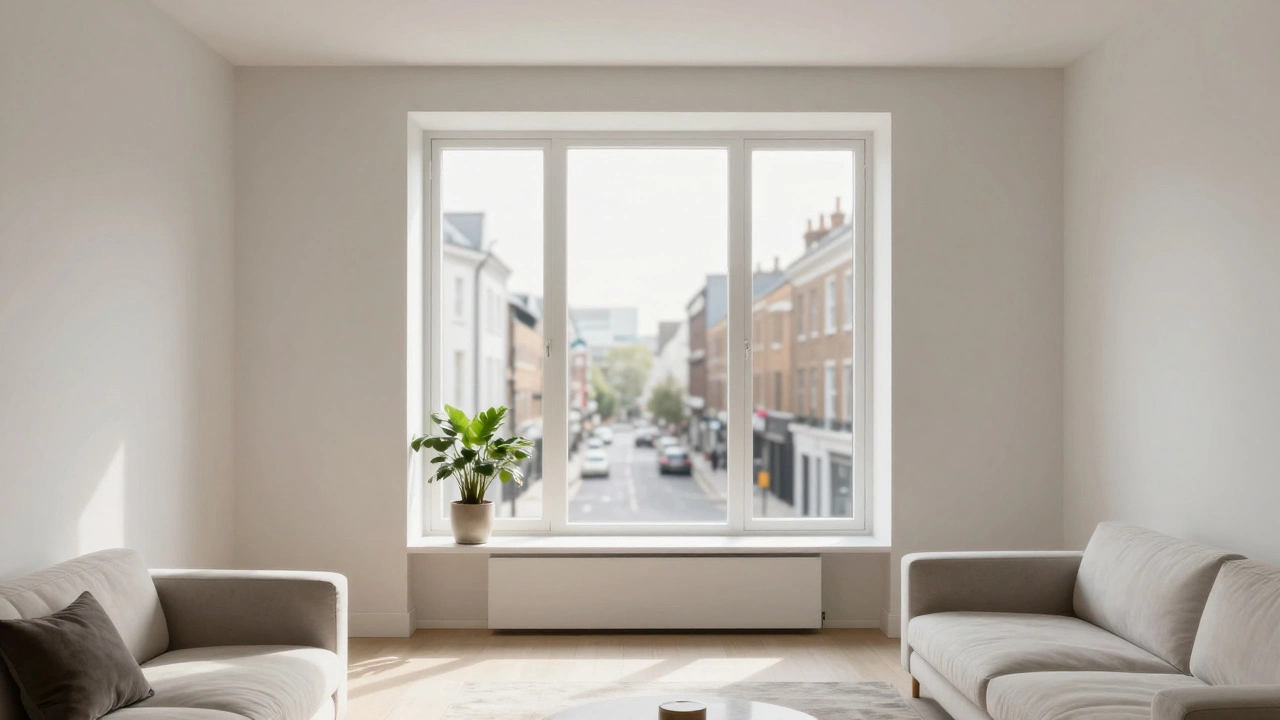
For decades, we’ve been told that every window needs a frame. If you leave your glass naked, it looks unfinished, cold, or worse-like you forgot to finish the room. But walk through any high-end gallery in London or browse modern architectural digests from 2025 and 2026, and you’ll see something different. You’ll see bare windows. Lots of them.
Skipping curtains isn’t just a lazy shortcut; it’s a deliberate design choice that can transform how light moves through your home, how much space you feel you have, and even how easy your life is on a daily basis. Before you buy another rod and bolt, ask yourself if fabric is actually solving a problem-or creating one.
The Minimalist Advantage: Visual Space and Light
The most obvious reason to ditch drapes is visual weight. Heavy fabrics, thick linings, and bulky tie-backs eat up wall space. In smaller rooms, particularly in urban apartments where square footage is premium, this matters more than you think.
When you remove curtains, you remove the visual barrier between the inside and outside. This creates an illusion of depth. Your eye travels straight through the window instead of stopping at the fabric. It makes a cramped living room feel airy and connected to the street or garden beyond. Plus, natural light hits the floor directly without being filtered or blocked by layers of cloth. In northern climates like the UK, maximizing that diffuse daylight during winter months is crucial for mood and energy efficiency.
Do bare windows make a room look cheap?
Not if done intentionally. Bare windows look "unfinished" only when the rest of the room lacks definition. If your walls are painted well, the trim is clean, and the furniture is arranged with purpose, bare windows look sophisticated and gallery-like. The key is intentionality.
Architectural Integrity: Letting Windows Breathe
Some windows are too good to hide. If you live in a period property with original sash windows, or a modern build with floor-to-ceiling glazing, covering them with standard off-the-shelf curtains can feel like putting a sock over a sculpture.
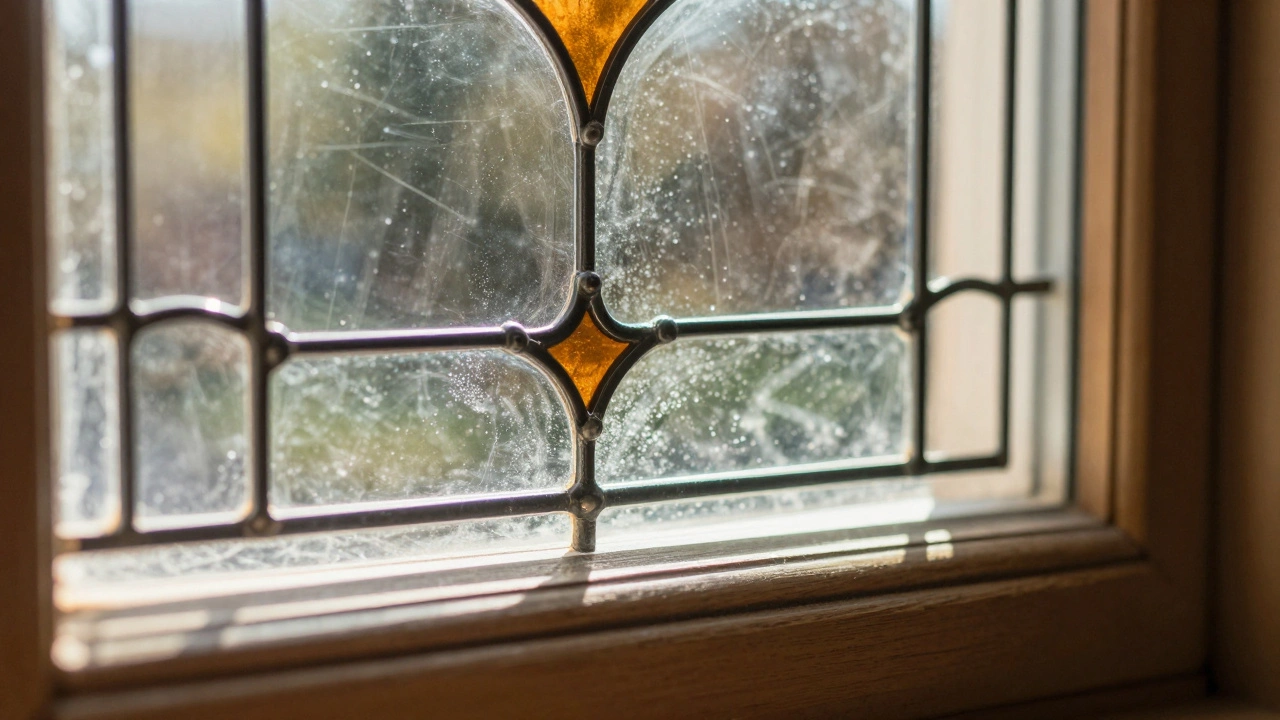
Consider the architecture first. A beautiful arched window, a unique leaded glass pane, or a sleek black-framed industrial opening deserves to be seen. When you hang heavy drapes, you obscure these details. Instead of framing the view, you’re hiding the building’s character. In many cases, the window itself is the focal point. Leaving it bare respects the craftsmanship and allows the structure to speak for itself.
This approach also aligns with the "less is more" philosophy popular in contemporary interior design. By stripping back unnecessary elements, you highlight what truly matters-the quality of materials, the play of light, and the spatial layout.
Maintenance and Hygiene: The Hidden Cost of Fabric
Let’s talk about dust. Curtains are essentially giant air filters. They trap dust, pet dander, pollen, and smoke particles. Over time, they become reservoirs for allergens. If you or anyone in your household suffers from allergies, asthma, or respiratory issues, removing curtains can significantly improve indoor air quality.
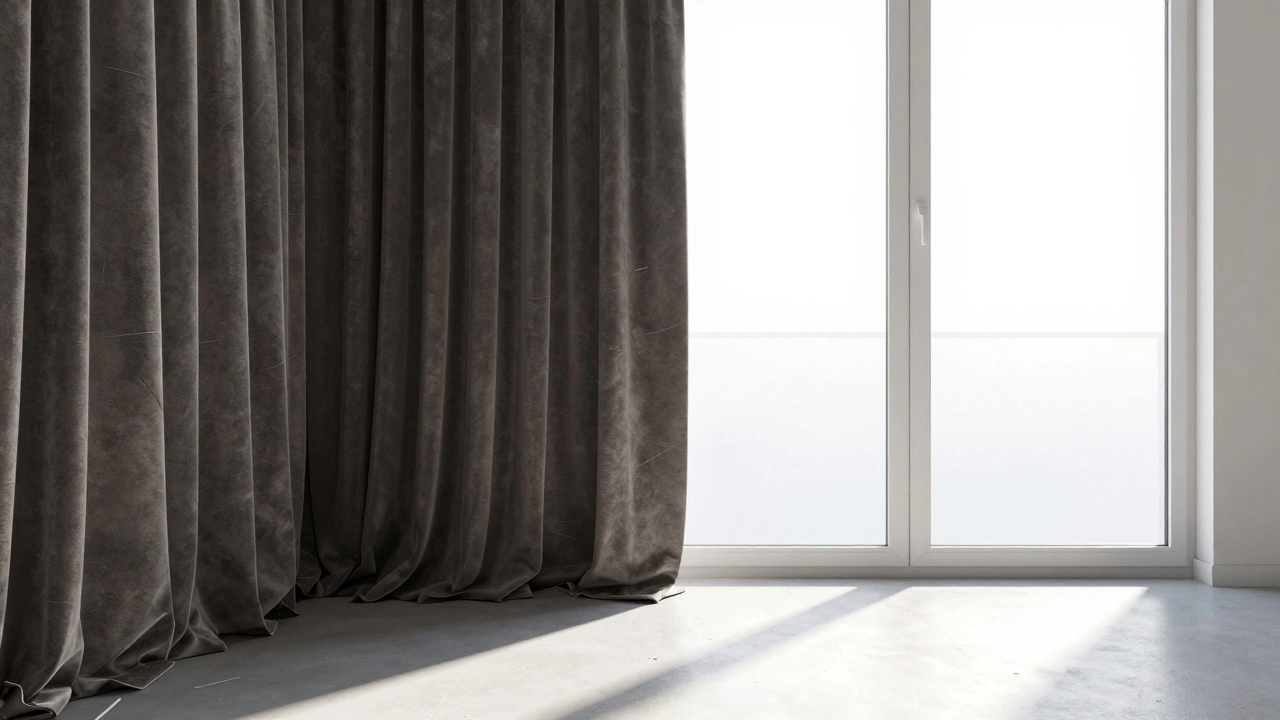
Cleaning curtains is a nightmare. Most require dry cleaning (expensive and environmentally taxing) or careful hand-washing (time-consuming and risky for delicate fabrics). Even machine-washable ones often shrink, fade, or lose their shape after repeated laundering. Without curtains, you eliminate this chore entirely. Wiping down a window sill takes two minutes. Washing a set of heavy velvet drapes takes hours and costs money.
In kitchens and bathrooms, moisture and grease make curtains impractical. Steam from showers coats fabric in mildew risk, while cooking splatters stain linen instantly. In these wet zones, going curtain-free isn’t just stylish-it’s sanitary.
Privacy Alternatives That Work Better
The biggest objection to no curtains is privacy. "People can see right in," people say. True, but there are smarter solutions than opaque fabric that blocks all light when closed.
- Frosted Film is a static-cling vinyl applied directly to glass that diffuses light while obscuring views. It’s cheap, reversible, and comes in various patterns.
- Smart Glass is electrochromic glass that turns opaque with a switch. Ideal for modern homes, it offers instant privacy without losing daylight.
- Exterior Blinds are shutters or awnings mounted outside the window. They block sightlines from the street while keeping the interior window clear.
- Strategic Landscaping involves planting tall hedges or trees near windows. This provides natural privacy screens that change with seasons.
These options solve the privacy issue without sacrificing the aesthetic benefits of bare interiors. Frosted film, for instance, lets light in while keeping neighbors out-a perfect compromise for ground-floor apartments.
Security and Safety Considerations
Surprisingly, curtains can sometimes hinder security. Thick drapes can block emergency exits or make it harder for firefighters to access a window in case of fire. In some jurisdictions, building codes restrict window coverings that impede egress.
Additionally, cords and ties pose a strangulation hazard for young children and pets. While cordless mechanisms exist, they add cost and complexity. Removing curtains eliminates this risk entirely. For families with toddlers, a bare window with safety locks is often safer than a window dressed with hanging fabrics and accessible pull-strings.
Cost Efficiency: Saving Money Upfront and Long-Term
Quality curtains are expensive. Custom-made drapes with proper lining, heading tape, and hardware can cost hundreds per window. Add installation fees, and the bill grows quickly. Skipping them saves significant upfront cash.
Long-term savings come from maintenance and replacement. Fabrics fade under UV exposure, especially in south-facing windows. They wear out at seams and hooks. Replacing them every few years adds up. Bare windows require zero replacement costs. You might invest once in high-quality blinds or shutters if needed, but generally, the absence of fabric means fewer expenses over the lifetime of your home.
| Factor | With Curtains | Without Curtains |
|---|---|---|
| Initial Cost | High (£100-£500+ per window) | Low (£0) |
| Installation | Required (drilling, mounting) | None |
| Maintenance | Dry cleaning/washing needed | Window wiping only |
| Lifespan | 5-10 years (fading/wear) | Indefinite |
When Bare Windows Don’t Work
While skipping curtains has merits, it’s not universally applicable. Here’s when you should reconsider:
- Extreme Sun Exposure: In hot climates or west-facing rooms with intense afternoon sun, bare windows can cause overheating and glare. Thermal blackout curtains help regulate temperature and protect furniture from UV damage.
- Noise Reduction: Heavy drapes absorb sound. If you live next to a busy road or railway, curtains provide acoustic insulation that bare glass cannot.
- Thermal Insulation: In older homes with single-glazed windows, thick curtains add a layer of air trapping, reducing heat loss in winter. Double or triple glazing reduces this need, but it’s still a factor for heritage properties.
- Personal Style Preference: If you love cozy, layered textures, bare windows might feel too stark. Interior design is subjective; comfort matters more than trends.
How to Make Bare Windows Look Intentional
If you decide to go curtain-free, ensure the result looks designed, not neglected. Follow these tips:
- Keep Windows Clean: Smudged glass looks messy. Use a squeegee weekly for streak-free clarity.
- Highlight Trim: Paint window frames in a contrasting color to draw attention to their shape.
- Add Greenery: Place potted plants on sills or nearby floors to soften the hard lines of glass.
- Use Rugs and Textiles Elsewhere: Balance the lack of fabric with plush rugs, throw pillows, and upholstered furniture to maintain warmth.
- Install Minimal Hardware: If you need occasional coverage, use simple tension rods with sheer panels that can be pulled aside completely.
Can I use blinds instead of curtains?
Yes, blinds are a great middle ground. Roller blinds or Roman shades offer privacy and light control without the bulk of curtains. Choose neutral colors and simple mechanisms to keep the look clean and minimal.
Will bare windows increase my energy bills?
Only if your windows are poorly insulated. Modern double or triple-glazed units retain heat effectively. In such cases, curtains provide negligible additional insulation. For old single-pane windows, consider thermal film upgrades before relying on fabric.
Are bare windows suitable for bedrooms?
It depends on your sleep habits. If you need total darkness, bare windows won’t work unless paired with blackout blinds or external shutters. For light sleepers who wake with the sun, bare windows promote natural circadian rhythms.
How do I handle street-level privacy without curtains?
Use frosted window film on the lower half of the glass. This allows light in while blocking views from the street. Alternatively, install exterior louvers or plant dense shrubs along the perimeter.
Is going curtain-free a trend or a lasting style?
It’s rooted in architectural honesty and minimalism, movements that have persisted for decades. While popularity fluctuates, the functional benefits-light, space, ease-make it a timeless option for many homes.