Home Style Marketability Calculator
Property Configuration
Market Analysis Results
Based on current 2026 market data trends
Recommended Improvements:
Configure your property details to see estimated market performance.
Picture this: you’ve just listed your property. The photos are crisp, the staging is impeccable, and the price is competitive. Yet, weeks turn into months without a serious offer. Why? It might not be the price or the location alone-it could be the style of house itself. In today’s fast-moving market, buyer preferences have shifted dramatically. While personal taste plays a role, data reveals clear winners when it comes to architectural styles that move quickly and fetch premium prices.
If you’re looking to buy, sell, or simply understand what drives value in residential real estate, knowing which styles dominate the market is crucial. This isn’t about subjective beauty; it’s about marketability, functionality, and the evolving demands of modern buyers who prioritize efficiency, aesthetics, and long-term livability.
The Rise of Modern Minimalism
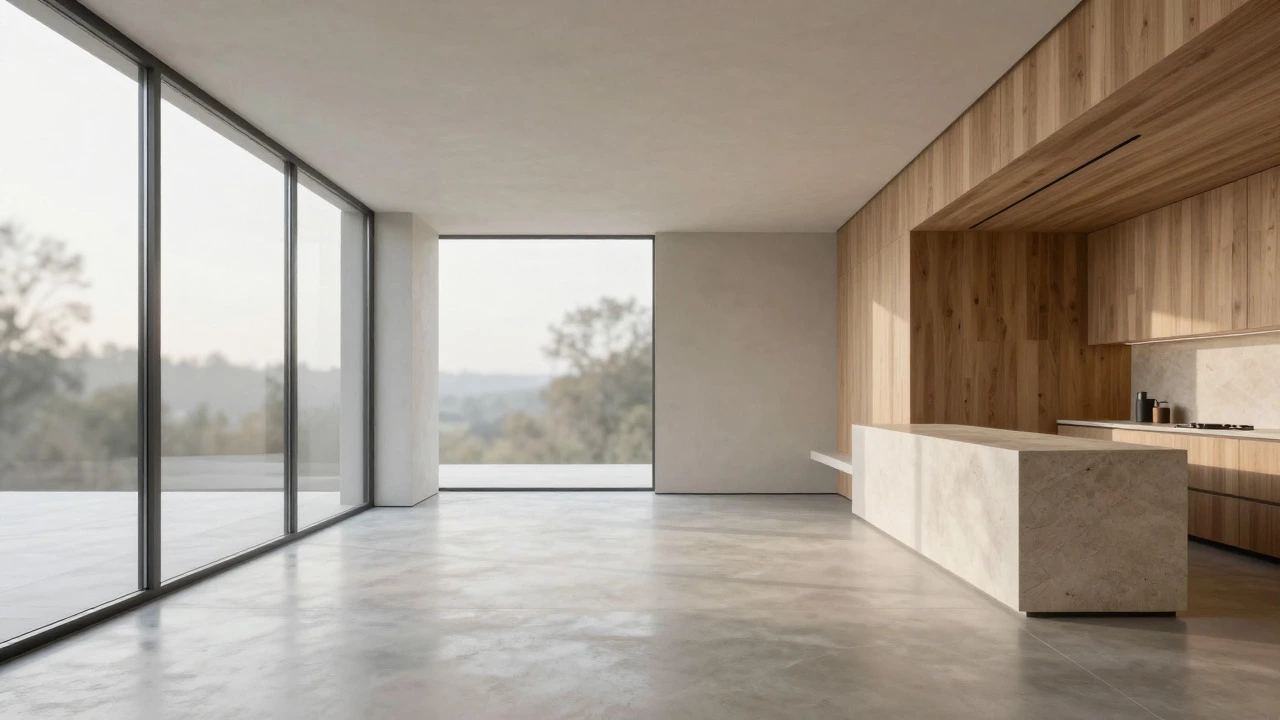
When we talk about what sells most in 2026, one style stands out above the rest: Modern Minimalist design. This approach strips away unnecessary ornamentation, focusing instead on clean lines, open floor plans, and natural light. Buyers aren’t just buying square footage; they’re buying a lifestyle characterized by simplicity and clarity.
Why does this style resonate so deeply? Post-pandemic living habits have redefined how people use their homes. Remote work requires dedicated but unobtrusive spaces. Families want communal areas that encourage interaction rather than isolation. Modern minimalist homes deliver this through seamless transitions between kitchen, dining, and living zones. The absence of cluttered corridors and wasted space makes these properties feel larger and more efficient.
Key features that drive sales include:
- Floor-to-ceiling windows that blur indoor-outdoor boundaries
- Neutral color palettes with high-quality materials like stone and wood
- Built-in storage solutions that maintain visual calm
- Energy-efficient systems integrated into the architecture
Data from major real estate platforms shows that listings tagged as "modern" or "contemporary" receive 30% more views than traditional counterparts in urban and suburban markets. This isn’t just hype-it reflects a genuine shift in consumer behavior toward streamlined, low-maintenance living environments.
Traditional Charm vs. Contemporary Appeal
While modern minimalism leads in volume, it doesn’t mean traditional styles are dead. Colonial Revival and Victorian homes still hold significant appeal, particularly among older demographics and those seeking character-rich neighborhoods. However, their sale dynamics differ significantly.
Traditional homes often require more time on the market because they attract a narrower pool of buyers. Many potential purchasers are deterred by outdated layouts, smaller rooms, and higher maintenance costs associated with older construction methods. When these properties do sell, it’s usually after substantial renovations that blend historic charm with modern conveniences-a hybrid approach known as "adaptive reuse."
Consider the case of a 1920s Craftsman bungalow in Seattle. Originally priced below market average due to its dated interior, it sold within two weeks after the owners installed smart home technology, updated the kitchen with quartz countertops, and preserved original hardwood floors. This example illustrates a critical point: authenticity matters, but functionality wins.
| Style | Avg. Days on Market | Price Premium (%) | Buyer Demographic |
|---|---|---|---|
| Modern Minimalist | 18 days | +12% | Millennials, Young Professionals |
| Traditional Colonial | 45 days | +5% | Empty Nesters, Families |
| Ranch Style | 32 days | +3% | Retirees, First-Time Buyers |
| Mid-Century Modern | 25 days | +8% | Design Enthusiasts, Investors |
The Role of Open Floor Plans
Regardless of the overarching architectural style, one feature consistently boosts saleability: the open floor plan. This layout removes walls between key living areas, creating a sense of spaciousness and flow. It’s no coincidence that modern minimalist homes almost always feature this design element.
Buyers love open plans because they adapt easily to various needs. A large family can entertain guests while keeping an eye on children playing nearby. A remote worker can set up a desk in the corner without feeling isolated. Even pets benefit from the freedom of movement.
However, there’s a catch. Not all open plans are created equal. Poorly executed designs can lead to noise pollution, lack of privacy, and inefficient heating/cooling distribution. Successful implementations balance openness with strategic zoning-using changes in ceiling height, flooring material, or furniture arrangement to define distinct functional areas.
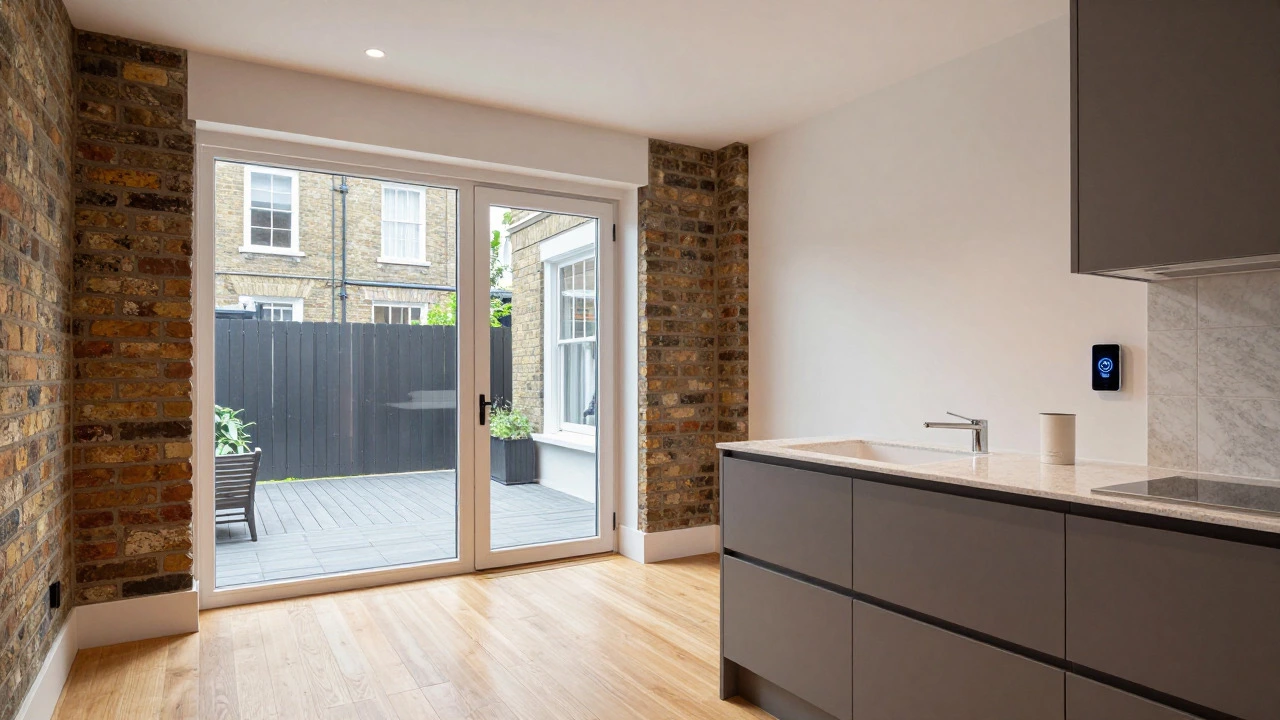
For instance, a recent renovation project in London transformed a cramped Victorian terrace into a bright, airy home by removing non-load-bearing walls and installing sliding glass doors leading to a backyard patio. The result? A 20% increase in estimated value and multiple offers within the first week of listing.
Sustainability as a Selling Point
In 2026, sustainability is no longer a niche concern-it’s a mainstream expectation. Buyers increasingly view eco-friendly features as essential rather than optional. Homes equipped with solar panels, heat pumps, rainwater harvesting systems, and superior insulation command higher prices and sell faster than conventional alternatives.
This trend aligns perfectly with modern interior design principles. Sustainable materials like reclaimed wood, bamboo flooring, and recycled glass countertops not only reduce environmental impact but also add unique aesthetic value. These elements create warmth and texture that pure minimalism sometimes lacks.
Government incentives further amplify this effect. Tax credits for energy-efficient upgrades make green improvements financially attractive for both sellers and buyers. For example, installing a Tesla Powerwall battery system might cost £10,000 upfront but could save homeowners over £2,000 annually in electricity bills while increasing resale value by approximately 7%.
Regional Variations Matter
It’s important to note that "what sells most" varies depending on geographic location. Urban centers like New York, San Francisco, and London favor compact, high-density modern apartments with rooftop terraces and smart amenities. Suburban areas lean toward single-family homes with garages, fenced yards, and school district proximity.
Rural regions tell a different story entirely. Here, rustic cabins, farmhouses, and cottages thrive due to their connection with nature and affordability relative to city equivalents. Each region has its own cultural context influencing buyer priorities.
Take Texas versus Vermont. In Austin, sleek mid-century modern homes with outdoor kitchens dominate listings. Meanwhile, Burlington sees strong demand for renovated barn conversions featuring exposed beams and stone fireplaces. Understanding local nuances ensures better alignment between property offerings and target audiences.
How to Maximize Your Property’s Appeal
If you’re preparing to sell, consider these actionable steps based on current market insights:
- Declutter ruthlessly. Remove excess furniture and personal items to highlight space and light.
- Update lighting fixtures. Replace outdated lamps with LED recessed lights or pendant shades.
- Refresh paint colors. Stick to whites, grays, and soft blues-colors proven to broaden appeal.
- Invest in curb appeal. Landscaping, fresh mulch, and a new front door can boost first impressions significantly.
- Highlight tech integration. Showcase smart thermostats, security cameras, and automated blinds during showings.
Remember, small changes yield big returns. A professional stager once reported helping a client achieve a full-price offer after spending just $500 on new cabinet hardware and window treatments. Perception shapes reality in real estate.
Future Trends to Watch
Looking ahead, several emerging trends will likely influence which house styles continue to perform well:
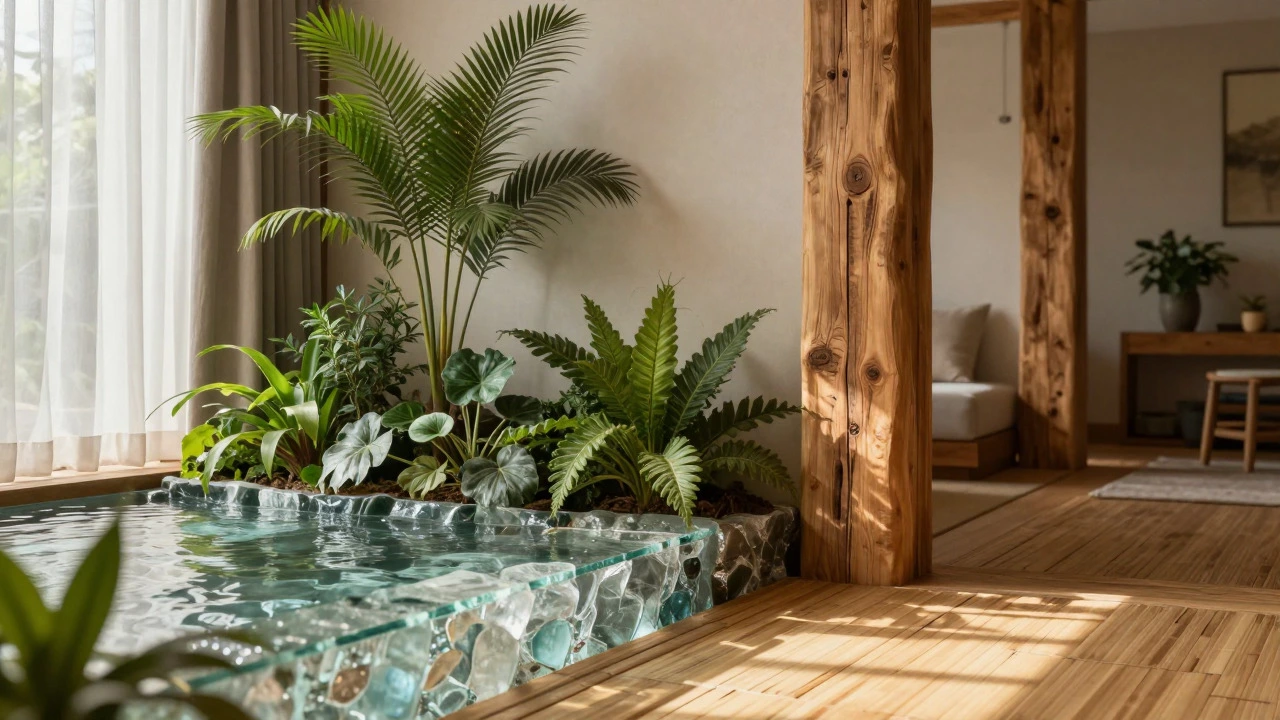
- Biophilic Design: Incorporating plants, water features, and natural textures to improve mental health and wellbeing.
- Modular Construction: Prefabricated sections allowing quicker builds and reduced waste.
- Flexible Spaces: Rooms designed to serve multiple purposes (e.g., guest room doubling as office).
- Hyperlocal Materials: Using locally sourced stone, timber, and clay to support communities and cut carbon footprints.
These developments suggest that future best-selling homes won’t just look good-they’ll feel alive, responsive, and deeply connected to their surroundings.
Which house style sells fastest in 2026?
Modern minimalist homes currently sell the fastest, averaging around 18 days on the market. Their emphasis on open spaces, natural light, and low maintenance appeals strongly to younger buyers and professionals seeking convenience and aesthetic clarity.
Do traditional homes still have value?
Yes, traditional homes retain strong value, especially when updated with modern amenities. Styles like Colonial Revival and Craftsman attract specific demographics who appreciate historical character combined with contemporary comfort. Proper renovation can significantly enhance their marketability.
Is an open floor plan necessary for quick sales?
Not strictly necessary, but highly beneficial. Open floor plans increase perceived space and flexibility, making them popular across many architectural styles. If structural changes aren’t feasible, strategic furniture placement and consistent flooring can mimic similar effects.
How much does sustainability affect home sales?
Sustainability features can boost resale value by 5-10% and reduce time on market. Energy-efficient appliances, solar panels, and superior insulation are increasingly viewed as standard expectations rather than luxury additions, particularly among environmentally conscious buyers.
Should I renovate before selling my older home?
Absolutely. Targeted renovations focusing on kitchens, bathrooms, and exterior appearance offer the highest ROI. Prioritize updates that align with modern tastes-such as neutral tones, stainless steel appliances, and improved lighting-to maximize broad buyer appeal.