Home Construction Material Selector
Select your primary concerns below to see which construction material (Concrete, Wood, Masonry, or Steel) is recommended for your project.
Recommended Primary Material
Material Name
Reasoning will appear here.
Comparison Snapshot
| Material | Durability | Cost Factor | Best For |
|---|
You walk into a house, and you rarely think about what it’s made of. You notice the paint color, the layout, maybe the creaky floorboards. But underneath the drywall and behind the siding lies a massive global industry decision that dictates cost, durability, and safety. If you’re planning a build or just curious about why your neighbor’s brick house stands while the timber-frame next door feels different, you need to know the answer to one big question: what is the most widely used home construction material?
The short answer isn’t as simple as picking one item from a hardware store shelf. It depends on where you are in the world and what part of the house you’re looking at. However, if we look at sheer volume and global adoption, Concrete is the most consumed construction material on Earth after water. But for residential framing in North America? That’s Wood, specifically Lumber.
Why Concrete Dominates the Global Stage
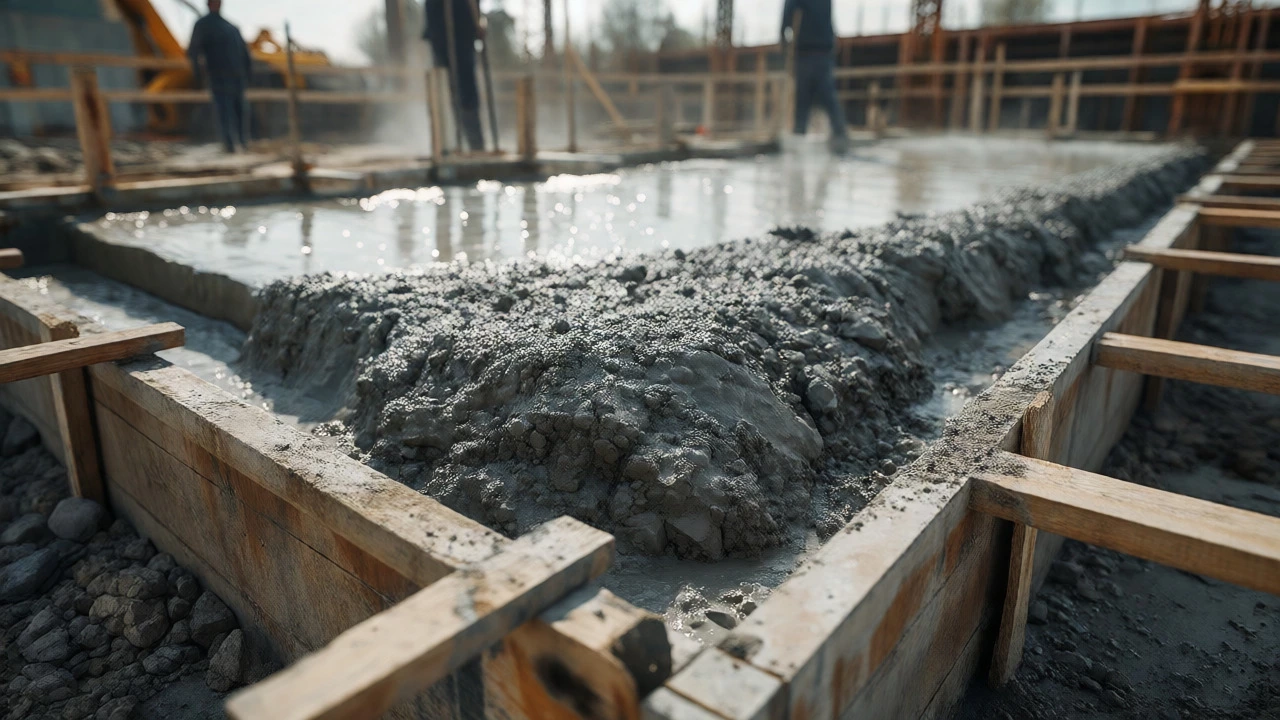
Let’s start with the heavyweight champion. Concrete isn’t just a material; it’s a chemical reaction. When you mix cement, water, sand, and gravel (aggregate), you get a paste that hardens over time. This process, known as hydration, creates a stone-like substance that is incredibly strong under compression.
Why do builders love it? Because it lasts. In many parts of Europe, Asia, and South America, concrete block or poured concrete forms the primary structure of homes. It doesn’t rot, it doesn’t burn, and termites don’t eat it. According to data from the World Cement Association, the construction sector accounts for roughly 80% of cement demand globally. That’s billions of tons annually.
But here’s the catch: concrete is brittle. It cracks if you pull it apart (tension). That’s why you’ll almost always see it paired with steel rebar. This combination, called reinforced concrete, allows buildings to flex slightly without snapping. If you live in a high-rise apartment in London or New York, you’re likely standing on concrete slabs supported by steel beams.
Wood Framing: The North American Standard
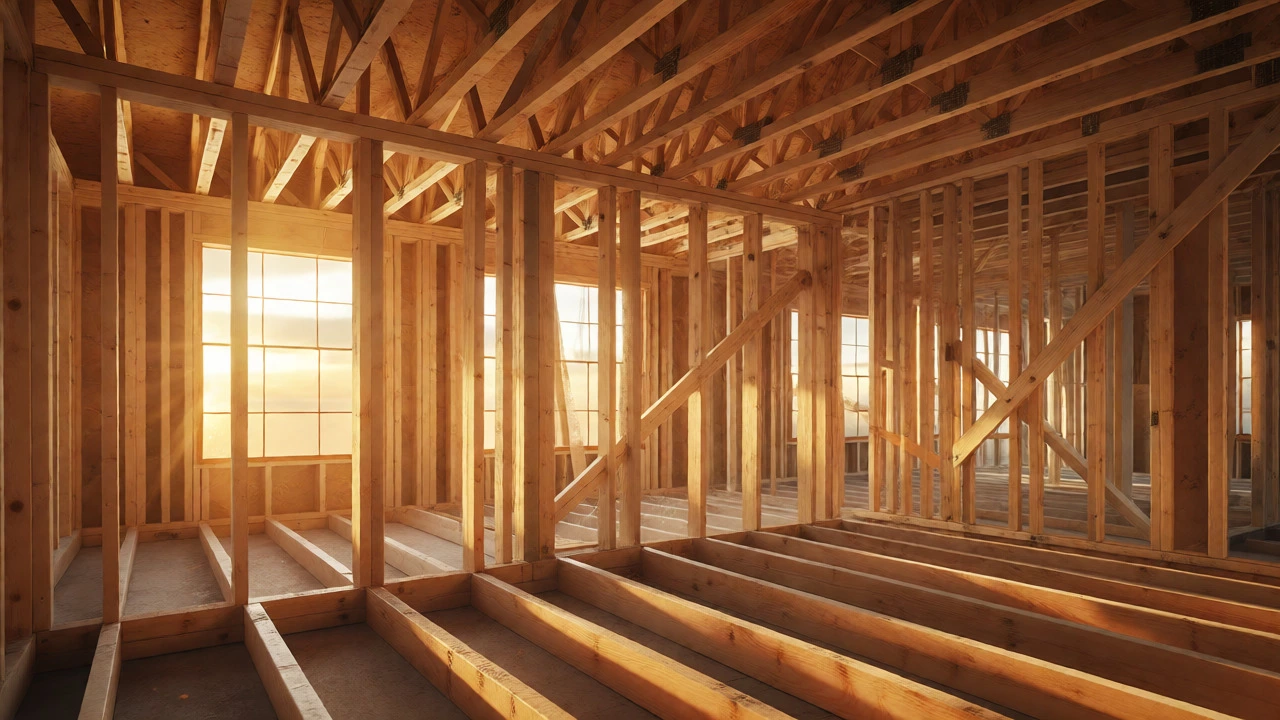
If you drive through suburbia in the United States or Canada, you aren’t seeing concrete boxes. You’re seeing wood frames. While concrete wins globally by tonnage, wood is arguably the most common material for single-family detached homes in wealthy, forest-rich nations.
Why wood? Speed and cost. A skilled crew can frame a two-story house in a week using dimensional lumber like 2x4s and 2x6s. Compare that to pouring concrete foundations and walls, which require formwork, curing time, and heavy machinery. Wood is also easier to modify. Want to move a wall? Cut some studs. Moving a concrete wall? You need a diamond saw and a lot of dust.
However, wood has enemies: moisture, fire, and pests. In humid climates like Florida, wood framing requires rigorous treatment against mold and termites. And let’s be honest, no homeowner wants their house to burn down because a spark hit a dry pine stud. That’s why fire codes are so strict regarding wood structures.
Masonry: Brick and Stone’s Enduring Legacy
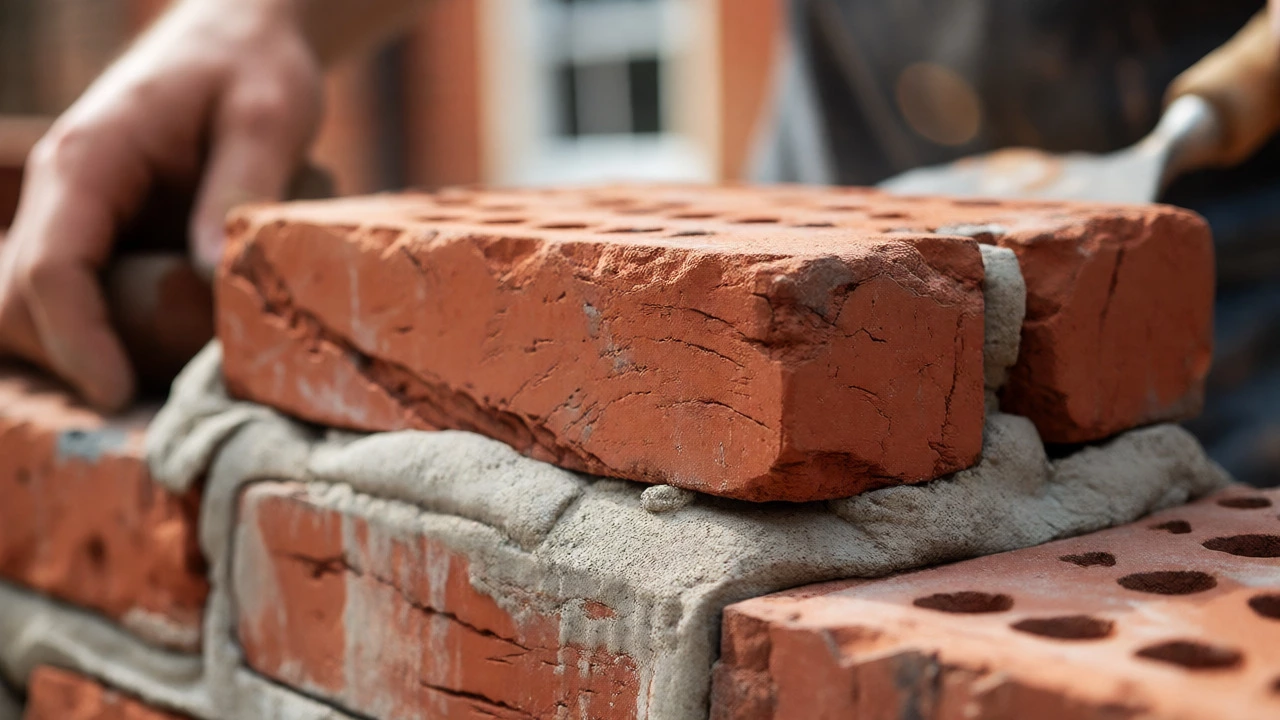
Before concrete became cheap, there was brick. For centuries, fired clay bricks have been the gold standard for exterior walls. They offer excellent thermal mass-meaning they absorb heat during the day and release it at night, keeping homes cooler in summer and warmer in winter.
In the UK, where I live, brick veneer is ubiquitous. You might think your house is solid brick, but often it’s a thin layer of brick attached to a wood or steel frame. This is called "brick veneer." It gives the aesthetic and weather resistance of masonry without the structural weight and cost of solid load-bearing brick walls.
Solid masonry construction is still popular in the Mediterranean and parts of Latin America. These houses feel substantial. You can hear the difference when you knock on a wall-it sounds dense and hollow compared to the thud of drywall over wood studs. Masonry is durable, low-maintenance, and provides great sound insulation. But it’s labor-intensive. Laying bricks is slow work, requiring skilled masons who command higher wages.
| Material | Primary Use Case | Durability | Cost Factor | Regional Popularity |
|---|---|---|---|---|
| Concrete | Foundations, Slabs, High-rises | Very High (100+ years) | Medium-High (Labor & Equipment) | Global (Asia, Europe, S. America) |
| Wood (Lumber) | Framing, Roof Trusses, Interior Walls | Moderate (50-75 years w/ maintenance) | Low-Medium (Fast installation) | North America, Scandinavia |
| Brick/Masonry | Exterior Veneer, Load-bearing walls | High (50-100 years) | High (Skilled Labor) | UK, Southern Europe, Australia |
| Steel | Structural Frames, Cladding | Very High | High (Material Cost) | Urban Centers, Commercial Resi |
Steel: The Modern Challenger
Steel is getting more attention in residential construction, especially in areas prone to earthquakes or hurricanes. Unlike wood, steel doesn’t warp, shrink, or split. It’s also impervious to termites. In places like Japan and California, steel framing is becoming a viable alternative to wood.
Light-gauge steel framing looks similar to wood framing but uses galvanized steel studs. It’s lighter than concrete and stronger than wood. The downside? Thermal bridging. Steel conducts heat and cold much faster than wood, which can make a house harder to insulate effectively unless you use advanced techniques like continuous exterior insulation.
Also, steel costs fluctuate wildly based on global markets. When steel prices spike, building a steel-framed home becomes significantly more expensive than a wood one. That volatility keeps many suburban developers sticking to lumber.
How Location Dictates Your Choice
You can’t separate materials from geography. Here’s a quick rule of thumb for choosing the right material for your project:
- Forest-Rich Regions (USA, Canada, Sweden): Wood framing is king. Supply chains are optimized, and local carpenters are abundant.
- Seismic Zones (Japan, Chile, California): Flexible materials like wood or ductile steel are preferred. Rigid unreinforced masonry can shatter in earthquakes.
- Hot/Humid Climates (Florida, Southeast Asia): Concrete block or stucco-over-block resists moisture and pests better than untreated wood.
- Cold Climates (Northern Europe, Canada): Insulation matters more than the frame material. Wood frames allow for thick cavity insulation, making them energy-efficient if built correctly.
Climate change is also shifting these trends. As wildfires become more common in the West, homeowners are moving away from wood siding toward fiber-cement or metal cladding, even if the frame remains wood. In flood-prone areas, elevated concrete pilings are replacing traditional basements.
Emerging Alternatives Worth Watching
The industry isn’t stuck in the past. Two new contenders are gaining traction:
- Cross-Laminated Timber (CLT): Think of this as super-plywood. Large panels of layered wood are glued together to create strong, fire-resistant structural elements. CLT is being used for mid-rise apartment buildings, offering a sustainable alternative to concrete and steel.
- Insulated Concrete Forms (ICFs): These are hollow foam blocks stacked like Lego bricks and filled with concrete. Once cured, you have a highly insulated, extremely strong wall system. ICFs are growing in popularity among custom home builders who want energy efficiency without sacrificing durability.
Neither of these will replace concrete or wood overnight, but they represent where innovation is happening: sustainability and energy performance.
Practical Tips for Homeowners
So, what does this mean for you? If you’re buying an existing home, knowing the primary material helps you anticipate maintenance needs.
If you’re buying a wood-frame house:
- Check the roof flashing and gutters. Water intrusion is the #1 killer of wood structures.
- Look for signs of termite damage or mud tubes near the foundation.
- Ensure the attic is well-ventilated to prevent mold growth in wooden rafters.
If you’re buying a concrete or masonry home:
- Inspect for cracks. Hairline cracks are normal; wide cracks may indicate settlement issues.
- Check the sealant around windows and doors. Concrete moves slightly with temperature changes, and failed seals lead to leaks.
- Verify that any renovations didn’t compromise structural integrity, as cutting into concrete or brick is difficult to reverse.
Understanding the bones of your home empowers you to make smarter repair decisions. You wouldn’t use wood glue on a cracked concrete slab, and you shouldn’t ignore a leaking pipe in a wood frame.
Is concrete stronger than wood for home construction?
Yes, concrete is significantly stronger in compression than wood. However, wood has better tensile strength relative to its weight. This is why reinforced concrete (concrete + steel) is used for foundations and large structures, while wood is sufficient for lightweight residential framing. Neither is universally "stronger"; they excel in different types of stress.
Which is cheaper: wood frame or concrete block construction?
In regions with abundant timber, such as North America, wood framing is generally cheaper due to lower labor costs and faster construction times. In regions like Europe or Asia, where labor is often less expensive than materials, or where timber is scarce, concrete block construction can be more cost-effective. Always compare local contractor bids.
Do concrete houses last longer than wood houses?
Generally, yes. A properly maintained concrete structure can last 100 years or more with minimal degradation. Wood structures typically last 50-75 years before significant repairs or replacement of framing members are needed, primarily due to rot, insect damage, or fire risk. However, interior finishes in both types of homes usually need updating every 20-30 years.
What is the most environmentally friendly home construction material?
Wood is often cited as the most eco-friendly option because trees absorb carbon dioxide as they grow, and sustainably harvested timber stores that carbon in your home. Concrete production, however, generates significant CO2 emissions (cement manufacturing alone accounts for ~8% of global emissions). Emerging materials like bamboo and hempcrete are also gaining favor for their low environmental impact.
Can I convert a wood-frame house to concrete?
You cannot easily convert the entire structure. Replacing wood studs with concrete columns is possible but complex and expensive. Usually, homeowners choose concrete for new additions or specific rooms (like bathrooms or kitchens) rather than converting the whole house. Retrofitting existing wood frames with spray foam insulation can mimic some energy benefits of concrete without the structural overhaul.