Flooring Cost Calculator
Calculate Your Flooring Costs
Get instant estimates for budget-friendly flooring options based on your room size
When you’re remodeling a room or building from scratch, flooring often eats up a big chunk of the budget. But you don’t need to spend thousands to get something that looks good, lasts long, and feels solid underfoot. The most reasonably priced flooring today isn’t just cheap-it’s smart, durable, and surprisingly stylish. If you’re looking to save without sacrificing quality, here’s what actually works in real homes right now.
Vinyl Plank Flooring Is the New Standard for Budget-Friendly Floors
Vinyl plank flooring, especially rigid core luxury vinyl (LVF), is the most popular choice for homeowners who want affordability without looking like they cut corners. It costs between £15 and £30 per square meter installed, depending on thickness and brand. That’s less than half the price of solid hardwood and even cheaper than many laminate options.
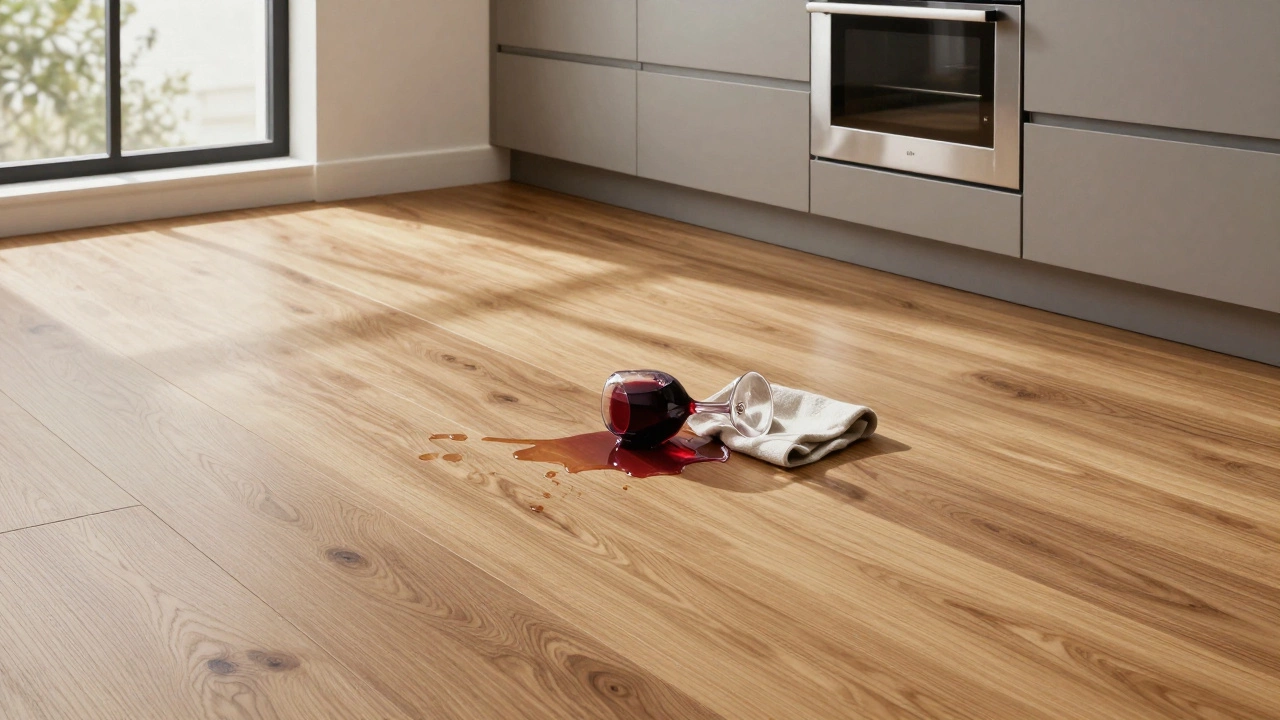
What makes it stand out? It’s waterproof. Spill a glass of wine? Mop it up. Have kids or pets? No problem. It won’t swell, warp, or stain. Realistic wood grain textures and embossed finishes make it hard to tell from real wood-even up close. Brands like Amtico, Karndean, and Forbo offer premium-looking planks that mimic oak, walnut, and even reclaimed timber.
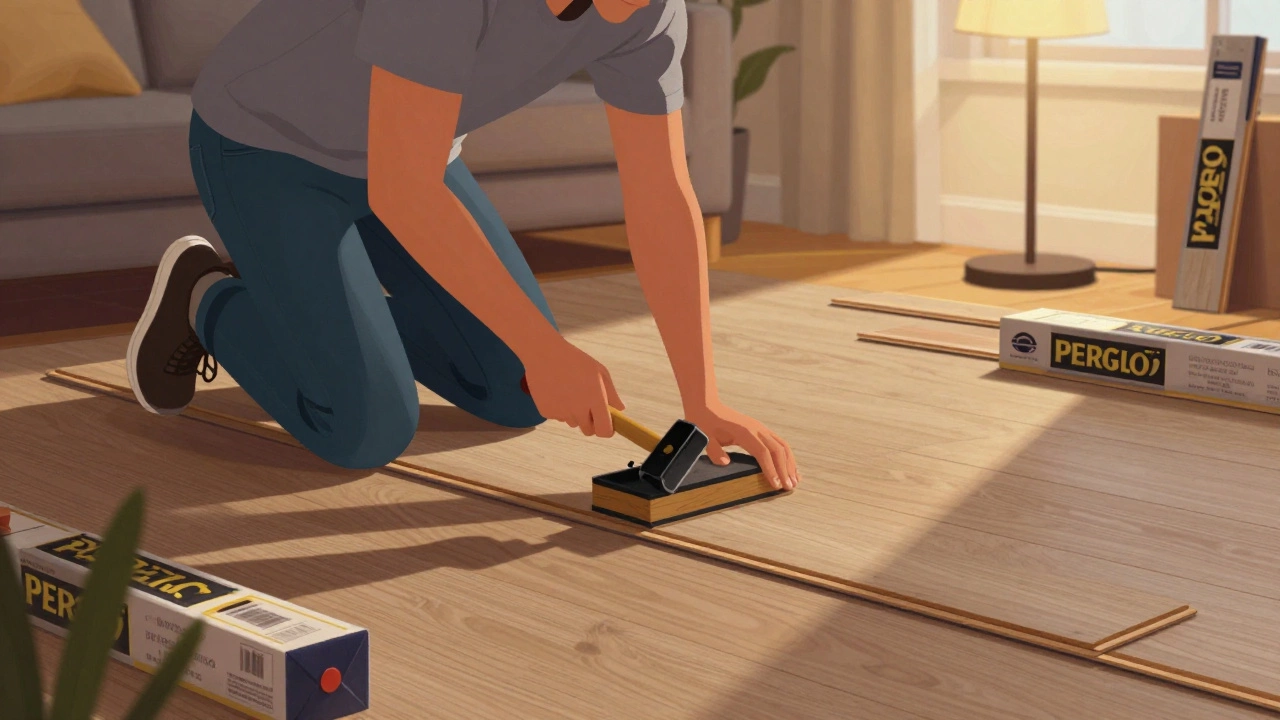
It’s also easy to install. Most vinyl planks use a click-lock system. If you’re handy with a tape measure and a saw, you can lay it yourself over existing tile, plywood, or concrete. That cuts labor costs dramatically. In London, where professional installers charge £25-£40 per hour, doing it yourself can save you hundreds.
Laminate Flooring Still Holds Its Own
Laminate’s been around for decades, but it’s not outdated. Modern laminate flooring costs £10-£25 per square meter installed. It’s made of high-density fiberboard with a printed image layer and a protective wear layer on top. It’s not waterproof like vinyl, but newer versions have improved moisture resistance-enough for kitchens and hallways if spills are cleaned up fast.
It’s a great pick if you want the look of hardwood without the maintenance. You get scratch-resistant surfaces, realistic grain patterns, and even textured finishes that mimic hand-scraped wood. Brands like Pergo, Quick-Step, and Tarkett offer 20-year warranties on residential use. That’s longer than some solid wood floors.
The downside? Once it’s damaged, you can’t sand or refinish it. A deep gouge or water bubble means replacing the whole plank. But since it’s so cheap to buy, swapping out a few planks isn’t a big deal.
Engineered Wood: A Middle Ground
If you love real wood but can’t afford solid oak, engineered wood is your best bet. It costs £25-£50 per square meter installed. It’s made of a thin top layer of real hardwood bonded to plywood or HDF core. That makes it more stable than solid wood in homes with underfloor heating or humidity changes-common in UK homes.
You can sand and refinish engineered wood once or twice, depending on the top layer thickness. That extends its life. It also adds real value to your home. Buyers notice it. It feels warmer underfoot than vinyl or laminate, and it holds up well in high-traffic areas like hallways and living rooms.
It’s not the cheapest, but if you want to upgrade from vinyl without going full hardwood, it’s the most reasonable middle option.
Tile Flooring: Cheaper Than You Think
Ceramic and porcelain tile used to be seen as cold and expensive. But prices have dropped. Basic 30x30 cm porcelain tiles now cost as little as £8 per square meter. Add a simple grid layout and basic adhesive, and installed costs come in around £20-£30 per square meter.
Tile is the most durable option you can buy. It won’t scratch, dent, or fade. It’s ideal for kitchens, bathrooms, and entryways. And because it’s non-porous, it doesn’t harbor mold or allergens-great for allergy sufferers.
The trick? Avoid fancy patterns or large-format tiles. Stick to standard sizes and simple layouts. Skip expensive underfloor heating unless you already have it. And choose a matte finish to hide dirt and reduce slip risk.
Carpet: Still a Viable Budget Option
Carpet might seem old-fashioned, but it’s still one of the most affordable flooring types. Basic nylon or polyester carpet with a 10mm underlay costs £10-£20 per square meter installed. It’s soft, warm, and quiet-perfect for bedrooms and living rooms.
Modern carpets are much better than the shaggy, stain-prone ones from the 90s. Stain-resistant treatments, tighter weaves, and better padding mean they last 8-12 years with normal use. Brands like Carpetright and B&Q offer 10-year warranties on their mid-range lines.
Just avoid cheap polypropylene carpet in high-traffic areas. It flattens fast and looks worn out in under two years. Stick with nylon or solution-dyed polyester for longevity.
What to Avoid
Some flooring looks cheap and stays cheap. Avoid:
- Thin laminate under £8/m²-it’s prone to chipping and swelling
- Peel-and-stick vinyl tiles-they lift at the edges and look patchy after a year
- Reclaimed wood sold as “budget hardwood”-it often needs sanding, sealing, and patching, adding hidden costs
- Overpriced “designer” vinyl-if it’s over £40/m², you’re paying for branding, not performance
These might save you money upfront, but they cost more in the long run through repairs, replacements, or poor resale value.
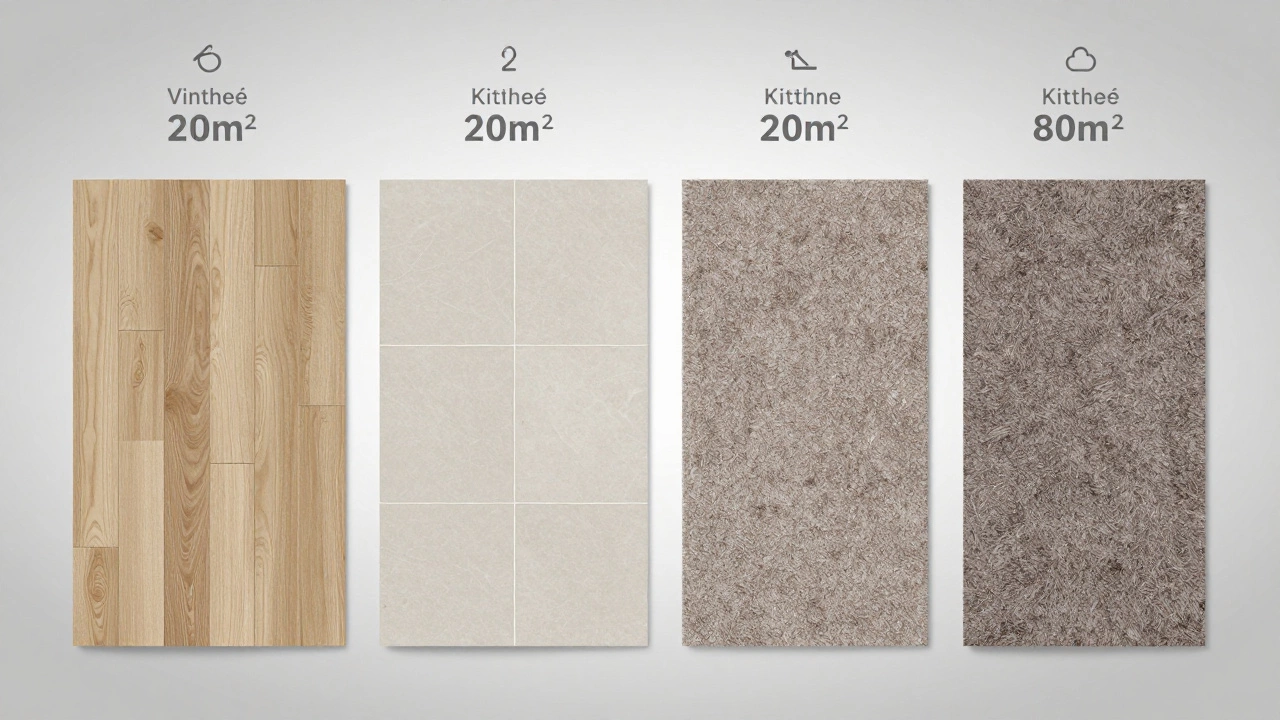
Real-World Example: A 20m² Kitchen Floor
Let’s say you’re redoing a 20-square-meter kitchen in a London flat. Here’s what each option costs:
| Flooring Type | Cost per m² | Total Cost (20m²) | Expected Lifespan |
|---|---|---|---|
| Vinyl Plank | £22 | £440 | 15-25 years |
| Laminate | £18 | £360 | 10-15 years |
| Engineered Wood | £40 | £800 | 20-30 years |
| Porcelain Tile | £28 | £560 | 30+ years |
| Carpet | £16 | £320 | 8-12 years |
For most people, vinyl plank hits the sweet spot: low upfront cost, high durability, and easy maintenance. Laminate wins if you’re on a tighter budget and don’t mind replacing it sooner. Tile lasts the longest but requires more skill to install. Carpet is cheapest but only works in low-traffic areas.
Pro Tips to Save Even More
- Buy end-of-line stock. Flooring retailers often discount discontinued patterns by 30-50%. Check B&Q, Screwfix, and local independent flooring warehouses.
- Install during off-season. November to February is slow for contractors. You might get 10-15% off labor.
- Use existing subfloor. If your current floor is flat and dry, you can often install new flooring right over it-no removal needed.
- Buy extra. Get 10% more than your measured area. You’ll need it for cuts, mistakes, and future repairs.
There’s no single ‘best’ budget flooring. It depends on your room, your lifestyle, and how long you plan to stay. But if you want the best balance of price, performance, and appearance in 2026, vinyl plank flooring is the smartest choice for most homeowners.
What is the cheapest flooring option overall?
The cheapest flooring option is basic carpet, starting at £10 per square meter installed. But if you need durability and water resistance, laminate flooring is the most affordable long-term choice at £10-£18 per square meter. Vinyl plank is slightly more expensive but lasts longer and performs better in wet areas like kitchens and bathrooms.
Is vinyl plank flooring really worth it?
Yes, for most homes. Vinyl plank flooring costs less than half of real wood, lasts 15-25 years, is completely waterproof, and looks indistinguishable from real timber. It’s ideal for families, pet owners, and anyone who wants low maintenance. Many homeowners who switch from laminate to vinyl say they wish they’d done it sooner.
Can I install new flooring over old flooring?
You can install vinyl plank, laminate, and carpet over most existing floors-tile, hardwood, or concrete-as long as the surface is flat, dry, and clean. Avoid installing over damaged or uneven subfloors. Always check manufacturer guidelines. Some warranties require removing old flooring, so read the fine print.
Does cheap flooring affect home value?
It can. Very low-end, thin vinyl or peel-and-stick tiles look temporary and may turn off buyers. But mid-range vinyl plank, laminate, or engineered wood improve resale value because they look finished and durable. In London, buyers expect functional, modern flooring. You don’t need hardwood, but you do need something that looks intentional and well-maintained.
Where should I buy flooring in the UK?
For best prices, shop at B&Q, Screwfix, or local independent flooring suppliers. National chains often have better deals on end-of-line stock than small showrooms. Online retailers like Flooring Direct or Carpetright offer free samples, which you should always order before buying. Avoid buying from general home improvement stores without checking the warranty or return policy.
Next Steps: What to Do Now
Start by measuring your room. Get a rough idea of how much square meterage you need. Then order free samples of vinyl plank and laminate from two different brands. Lay them on the floor in your room. See how they look in morning light and evening lamp glow. Walk on them with shoes and bare feet. Ask yourself: does this feel like home?
Don’t rush. The right floor doesn’t just save money-it makes your space better every day for years to come.