Home Repair Cost Estimator
Repair Type Selection
Estimated Repair Costs
Select options above to see estimated repair costs.
There’s a myth that the most expensive home repair is a fancy kitchen remodel or a luxury bathroom upgrade. But if you’ve ever dealt with a real, hidden problem in an older house, you know the truth: it’s almost never what you see. It’s what’s underneath.
Foundation Repair Is the Silent Budget Killer
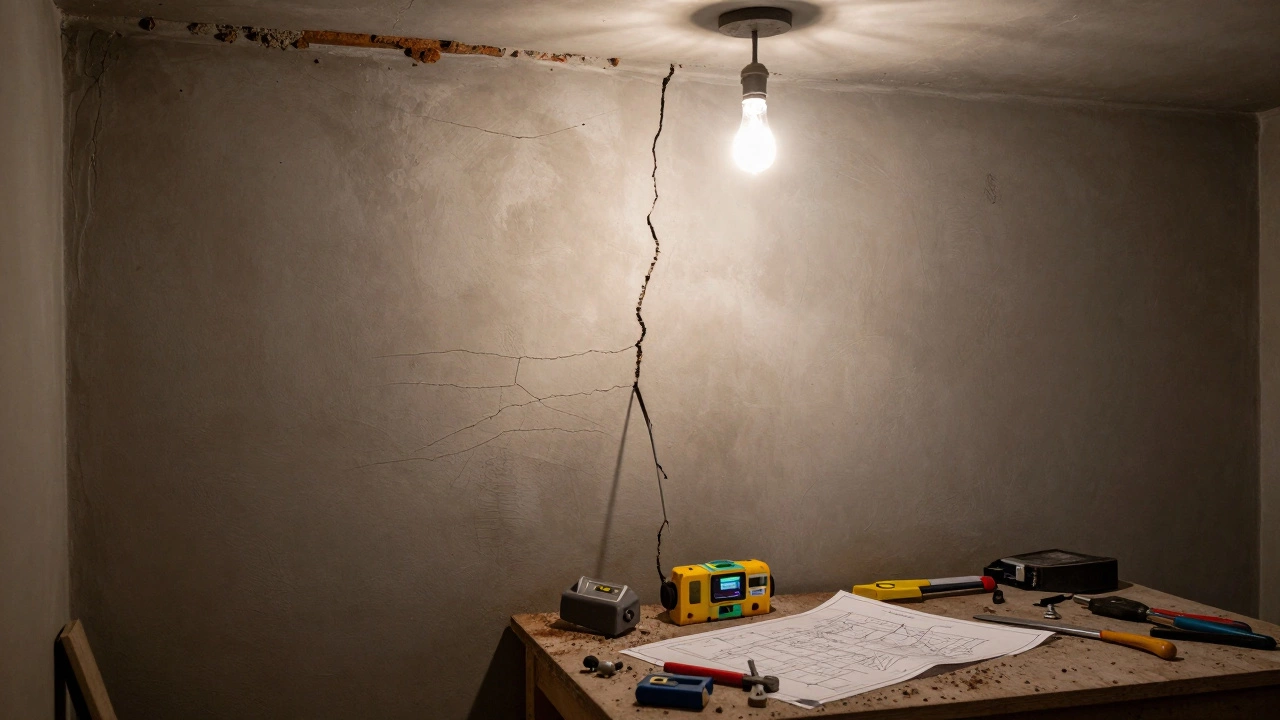
The foundation is the backbone of your house. When it cracks, settles, or shifts, everything else starts to break. Walls crack. Doors stick. Floors slope. And by the time you notice, the damage is already deep - sometimes years in the making.
In London, where many homes were built before 1950 on clay soil, foundation issues are common. Clay expands when wet and shrinks when dry. That constant movement stresses the concrete and brick beneath your house. A small crack in the basement wall might look like a minor nuisance. But if it’s caused by uneven settling, you’re looking at underpinning - a full structural fix.
Underpinning costs between £15,000 and £40,000 depending on the size of the house and how far down you need to go. That’s not a repair. That’s rebuilding part of your home from the ground up. And it’s not something you can DIY. You need structural engineers, specialist contractors, and often council approval. No other home issue carries that kind of price tag or complexity.
Why Roof Repairs Can Be Nearly as Bad
A leaking roof sounds bad, but it’s usually fixable. A full roof replacement? That’s another story.
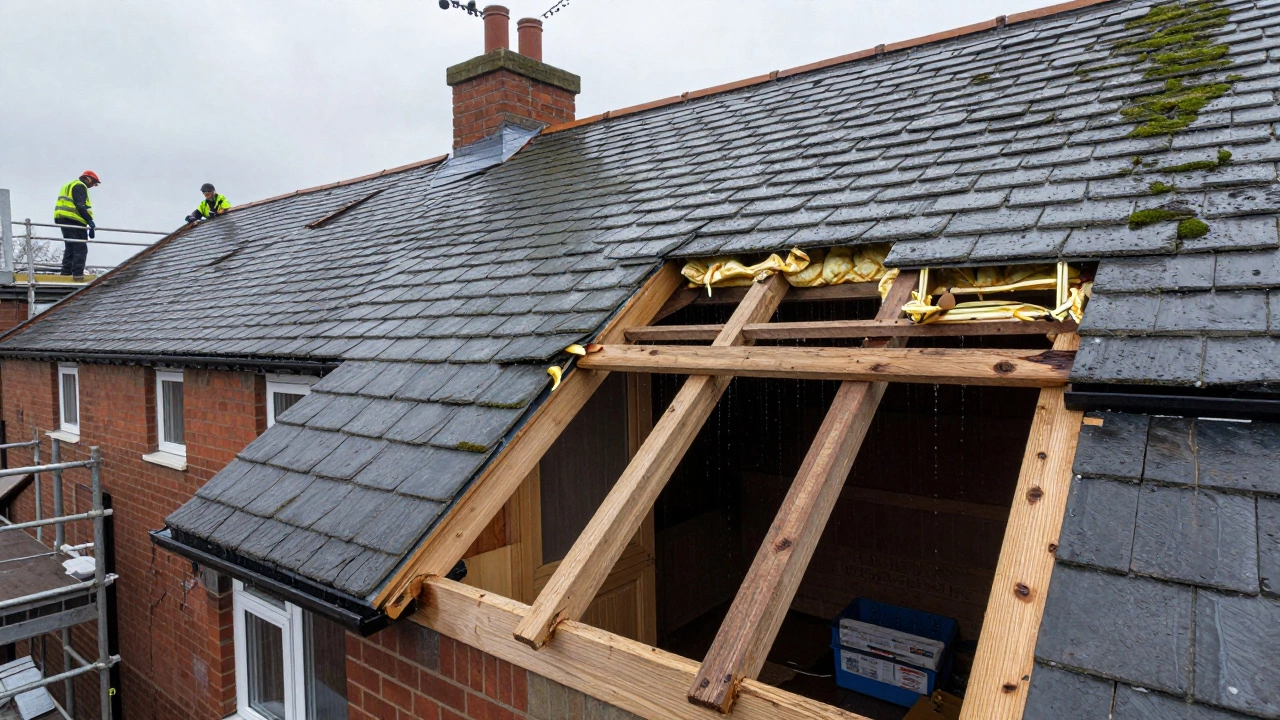
In the UK, most homes have tiled or slate roofs. Replacing one on a standard three-bedroom terraced house costs between £7,000 and £15,000. But here’s the catch: if water has been leaking for months, you’re not just replacing tiles. You’re replacing rotten roof timbers, soaked insulation, and possibly damaged ceiling joists. That adds another £3,000 to £8,000.
And if your house has a flat roof - common in modern extensions - the problem gets worse. Flat roofs fail faster. They collect water, and the membranes crack. Replacing a flat roof on a 10m x 5m extension can cost £6,000 alone. And if the insulation underneath is wet, you’ve got to pull it all out. Moisture in insulation doesn’t dry out. It just rots.
Plumbing Is Sneaky - and Costly
Everyone knows a burst pipe is expensive. But the real cost isn’t the pipe itself. It’s what’s behind the walls.
Older homes in the UK often have lead or cast iron pipes. These corrode over time. When they leak, they don’t just drip. They flood your walls, insulation, and flooring. You might not notice until the plaster starts peeling or the floorboards sag.
Replacing all the plumbing in a 1930s semi-detached house can cost £8,000 to £12,000. That includes tearing out walls, replacing pipes under the floor, installing new copper or PEX lines, and reconnecting everything to the main supply. And if your water tank is in the loft - which it likely is - you’ll need to reinforce the floor to hold the weight of a new tank.
And don’t forget the drainpipes. If your main sewer line is blocked or collapsed - common in areas with tree roots - you’re looking at £3,000 to £10,000 just to dig it up and replace it. That’s not a plumber’s job. That’s a civil engineering project.
Electrical Systems Are a Hidden Time Bomb
Old wiring is dangerous. And upgrading it isn’t just about adding more sockets.
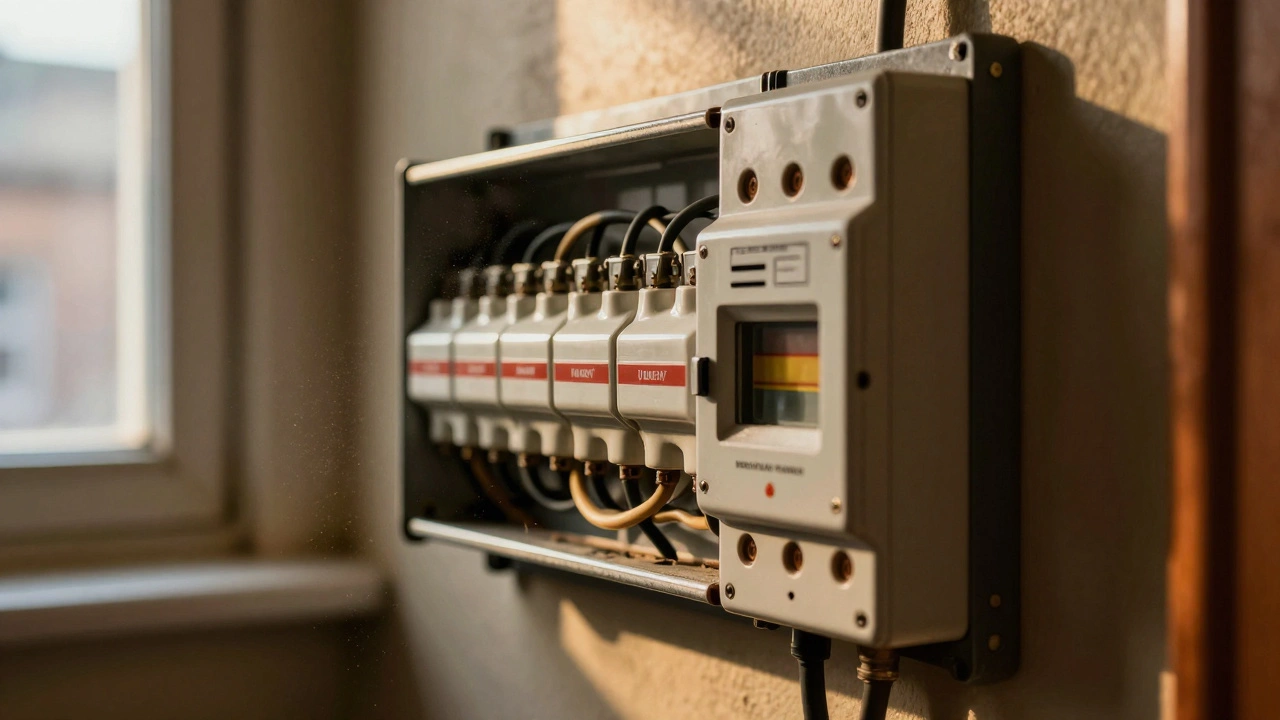
Houses built before 1960 often have rubber-insulated cables. These dry out, crack, and become brittle. In the 1970s, many homes got “two-core and earth” systems - no proper grounding. Today’s safety standards require a full rewire with 1.5mm or 2.5mm twin and earth cable, RCD protection, and proper zoning.
A full rewire in a three-bedroom house costs £4,000 to £8,000. But if your consumer unit is outdated - like a fuse box with ceramic fuses - you’ll need to replace that too. And if your house has aluminium wiring (common in the 1970s), you’ll need special connectors and possibly rewiring of every outlet. That adds another £1,500 to £3,000.
And here’s the kicker: if you’re selling your home, buyers will walk away if the electrical system doesn’t meet current regulations. A surveyor will flag it. Your mortgage lender might refuse the loan. So you don’t just fix it for safety. You fix it to sell.
Why Other Repairs Don’t Compare
Let’s be clear: replacing a boiler, fixing a leaky bathroom, or installing new flooring are expensive. But they’re predictable.
A new boiler? £2,500 to £4,500. A full bathroom refit? £5,000 to £10,000. New kitchen cabinets? £8,000 to £15,000. These are planned projects. You know the cost upfront. You get quotes. You pick a contractor. You schedule it.
But foundation, roof, plumbing, and electrical issues? They’re emergencies. They happen when you’re not ready. And they spiral. A small leak turns into dry rot. A cracked wall turns into a structural survey. A fuse box failure turns into a full rewire because the insurer won’t cover it.
And none of these come with warranties that last. A new kitchen might last 20 years. A properly done foundation repair? It’s supposed to last the life of the house. But if it’s done poorly? You’re back to square one in five years.
How to Spot Trouble Before It Costs You Everything
You don’t have to wait for disaster. Here’s what to check every year:
- Walls: Look for diagonal cracks wider than 3mm, especially near windows or doors. Vertical cracks are usually normal. Diagonal ones aren’t.
- Doors and windows: If they stick or won’t close properly, the frame might be shifting.
- Floors: Walk through rooms. Do you feel a slope? Use a spirit level. Even a 5mm drop over 3 meters is a red flag.
- Roof: Check for missing tiles, moss buildup, or sagging sections. Look in the attic for water stains or damp patches.
- Plumbing: Listen for gurgling drains. Check under sinks for dampness. Test water pressure - a sudden drop can mean a leak or blockage.
- Electrical: Do lights flicker? Do breakers trip often? Smell burning near outlets? That’s not normal.
Get a professional survey before you buy any house over 30 years old. A basic homebuyer’s survey costs £500 to £1,000. It’s cheap compared to a £30,000 surprise.
What You Can Do Right Now
If you own an older home:
- Take photos of any cracks, damp patches, or sticking doors. Track them over time.
- Check your insurance policy. Does it cover subsidence or flood damage? Many don’t unless you’ve added it.
- Get a damp and timber survey if you live in a Victorian or Edwardian house. They’re cheap and can catch rot before it spreads.
- Don’t ignore small issues. A dripping tap might be fine. But a dripping pipe behind a wall? That’s a disaster waiting to happen.
Fixing your house isn’t about making it look nice. It’s about keeping it safe, dry, and structurally sound. The most expensive thing to fix isn’t the thing you see. It’s the thing you didn’t know was broken until it was too late.
Is foundation repair covered by home insurance?
Most standard home insurance policies in the UK don’t cover foundation repair unless it’s caused by a sudden event like a burst pipe or flood. Subsidence - the slow sinking of the ground under your house - is often excluded unless you’ve paid for additional cover. Even then, there’s usually a high excess, sometimes £1,000 or more. Always check your policy wording and ask your insurer for a written explanation of what’s covered.
Can I fix a cracked foundation myself?
No. Small surface cracks can be filled with epoxy or sealant, but that’s only cosmetic. If the crack is wider than 3mm, runs diagonally, or is getting bigger, it’s a structural issue. DIY fixes won’t stop the movement. They’ll just hide it until the problem gets worse. Only a structural engineer can assess the root cause and recommend the right fix - underpinning, piling, or grouting. Trying to fix it yourself could make it worse and void your insurance.
How long does a roof replacement last?
A properly installed tile or slate roof in the UK should last 50 to 100 years. But that depends on the quality of materials, installation, and maintenance. Flat roofs last much less - 10 to 20 years if well-maintained. Moss, debris, and poor drainage can cut that in half. Regular inspections every two years can extend the life of any roof.
Why is rewiring a house so expensive?
Rewiring isn’t just swapping wires. It’s tearing open walls and ceilings to run new cables through existing spaces. You need to disconnect everything, protect the property from dust and debris, install new consumer units, add RCDs and circuit breakers, and reconnect every socket, light, and appliance. Electricians charge by the day, and it takes 5 to 10 days for a typical home. Labour costs make up 70% of the total. Plus, you need to comply with Part P building regulations, which means certification and inspection.
What’s the cheapest way to avoid expensive repairs?
Prevention. Clean gutters twice a year. Fix leaks immediately. Check for damp in basements and under floors. Don’t ignore small cracks or sticking doors. Get a professional survey before buying an older home. And keep a maintenance log - record when you replaced the boiler, repaired the roof, or checked the electrics. That record can save you thousands when you sell.
Knowing what to watch for won’t make your house perfect. But it will keep you from being blindsided. The most expensive repairs aren’t the ones you plan for. They’re the ones you ignore.