Loft Conversion Cost Calculator
Estimate Your Loft Conversion Costs
Cost Estimate
Cost Breakdown
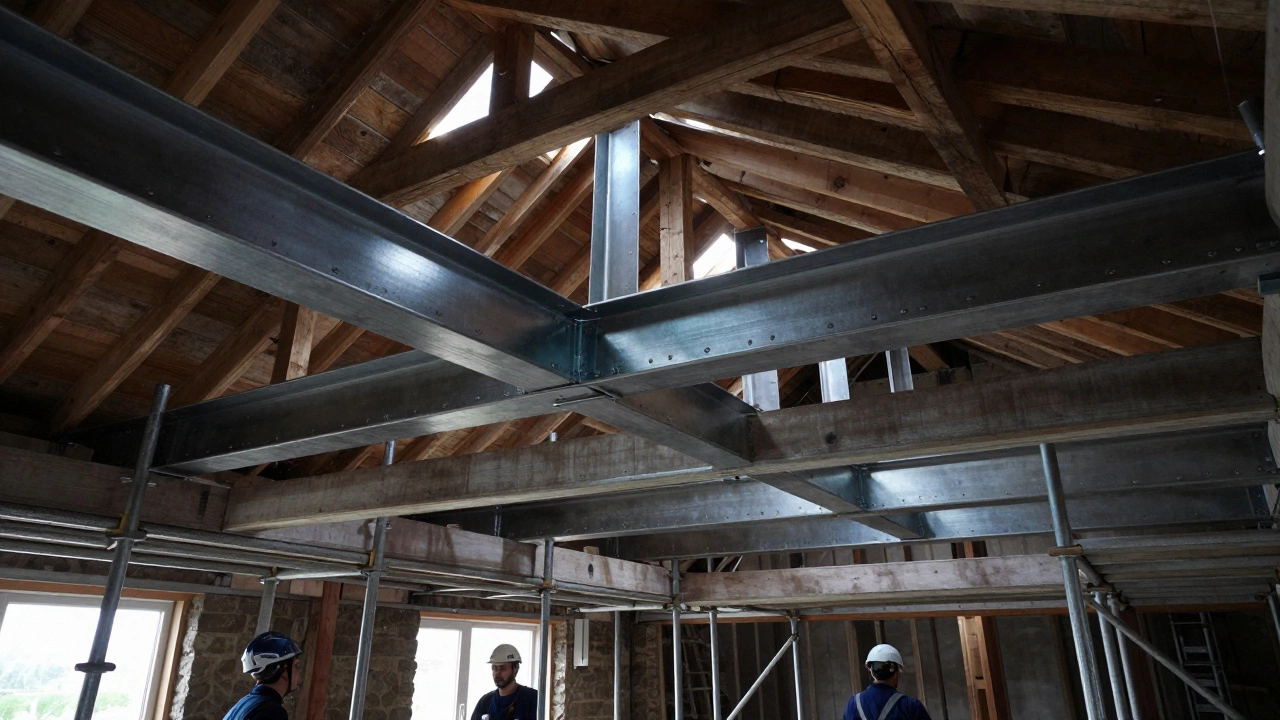
The most expensive part of any loft conversion is structural work. This includes reinforced joists, steel beams (RSJs), and engineering assessments. In a typical £50,000 conversion, structural work accounts for nearly half the budget.
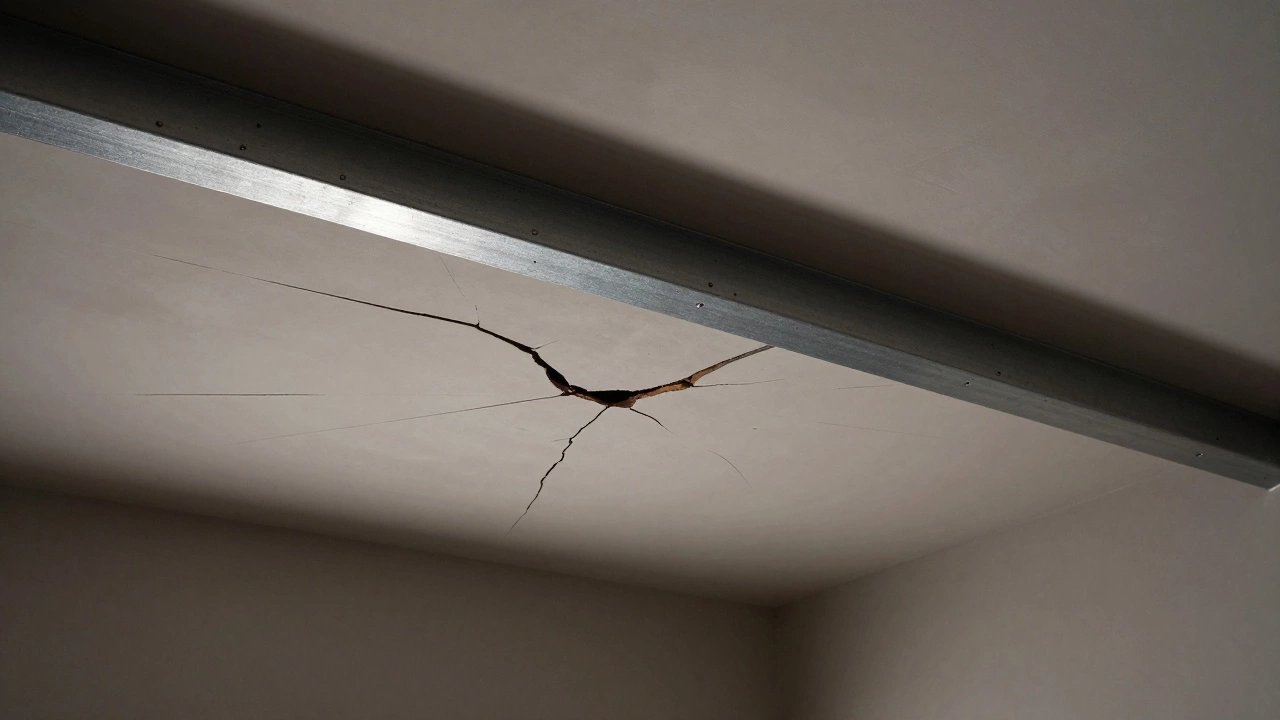
Never cut corners on structural work. Poorly installed beams or inadequate reinforcement can lead to serious safety issues, ceiling cracks, and costly repairs later. This is not a DIY project - always hire certified structural engineers.
When you think about turning your attic into a usable space, you’re probably imagining a bright, airy bedroom or a cozy home office. But the reality? The cost of a loft conversion can hit you harder than you expect. And while many people assume the biggest expense is the new staircase or the fancy windows, the real money sink is something most homeowners never see coming: structural work.
Why Structural Work Costs So Much
Most lofts in UK homes-especially those built before the 1960s-weren’t designed to hold extra weight. The original rafters, floor joists, and roof trusses were built for storage, not people, furniture, or bathrooms. That means before you can even think about wallpaper or lighting, you need to reinforce the entire structure.This isn’t just adding a few beams. It’s often a full structural redesign. You might need to install steel beams (RSJs) to support the new floor and roof load. These beams can be 5 to 7 meters long and have to be custom-fitted. Installation requires scaffolding, crane access, and certified structural engineers to sign off. In London, just the steel and installation for one major beam can run £3,000 to £6,000. Add in the engineer’s survey, building control fees, and the extra labor to modify the existing roof, and you’re already looking at £8,000-£12,000 before you’ve touched a single wall.
Compare that to the cost of a new staircase-usually £2,000 to £5,000-and you start to see why structural work eats up nearly half the budget in a typical £50,000 loft conversion.
What Else Drives Up the Cost
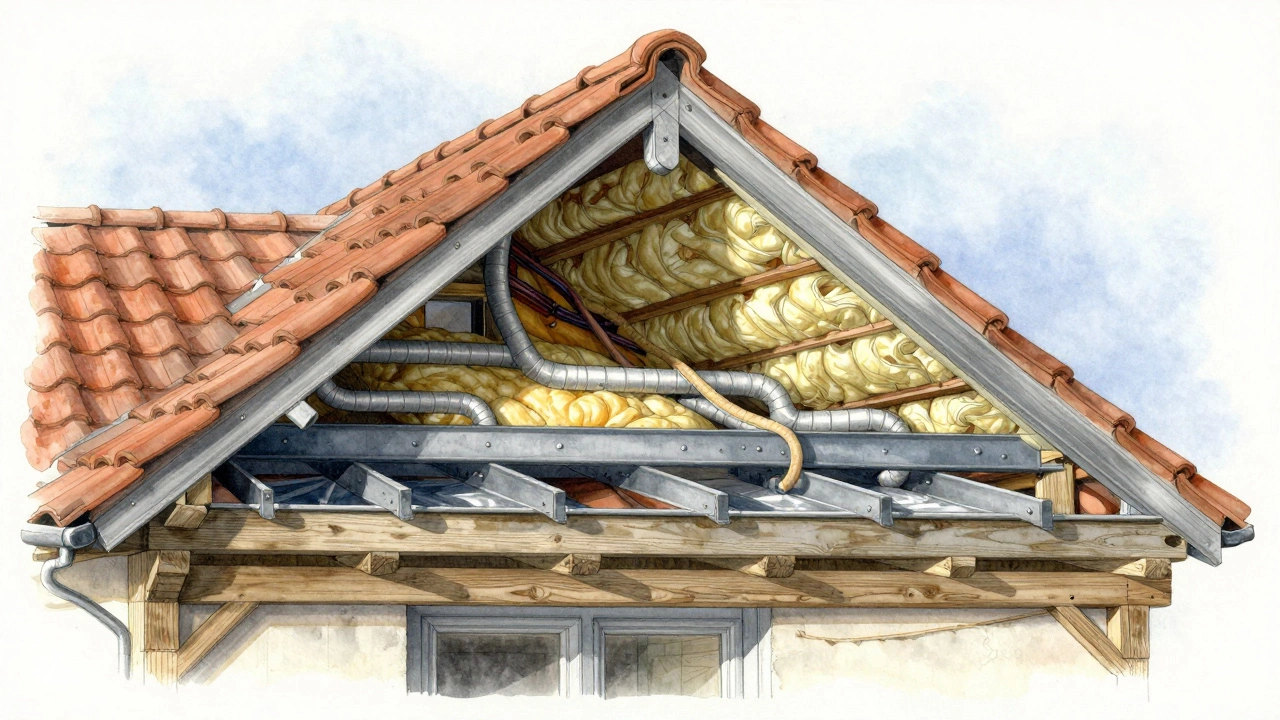
Structural work isn’t the only expensive part, but it’s the one you can’t skip. Other big-ticket items pile on top of it:- Roof modifications-If you want dormer windows or a mansard roof to add headroom, you’re changing the entire roofline. This means new rafters, waterproofing, insulation, and possibly retiling. A simple dormer can add £8,000-£15,000.
- Insulation and soundproofing-UK building regulations now demand high-performance insulation (like mineral wool or rigid foam boards) to meet energy efficiency standards. Add acoustic insulation between floors to stop noise from traveling down, and you’re looking at £2,000-£4,000 just for materials and labor.
- Plumbing and electrics-If you’re adding a bathroom or moving outlets, you’re dealing with complex routing. Running pipes through an old roof space without damaging existing wiring or insulation is a nightmare. Expect £4,000-£7,000 for professional plumbing and rewiring.
- Windows and natural light-Rooflights and Velux windows aren’t cheap. High-quality, thermally broken units with built-in blinds can cost £1,000-£2,000 each. Three good windows? That’s £5,000 right there.
These aren’t optional extras. They’re required by law and by common sense. Skip insulation, and your loft will be freezing in winter and boiling in summer. Skip proper wiring, and you risk fire. Skip building control approval, and you’ll have trouble selling the house later.
Where People Try to Cut Costs (And Why It Backfires)
A lot of homeowners try to save money by doing parts of the job themselves. Maybe you think you can install the flooring or paint the walls. That’s fine-but don’t touch the structure, the roof, or the plumbing.I’ve seen too many cases where someone tries to save £5,000 by hiring a local builder who isn’t qualified for structural work. A few months later, the ceiling cracks, the stairs creak dangerously, or water leaks through the roof. The fix? A full redo, plus damage to the rooms below. That £5,000 saved becomes £20,000 lost.
Another trap? Choosing cheap windows or insulation. Low-quality materials might look fine at first, but they’ll sag, condense, or lose effectiveness in under five years. In a loft, where temperature swings are extreme, you pay twice for cheap fixes.
What You Actually Get for Your Money
A well-done loft conversion adds real value. In London, a properly permitted and insulated loft conversion can increase your home’s value by 20% to 25%. That means if your house is worth £600,000, you could gain £120,000-£150,000 in equity. Even after spending £50,000 on the conversion, you’re still ahead.But that value only comes if everything is done right. A half-baked conversion with dodgy insulation and crooked stairs won’t impress buyers-it’ll scare them off. That’s why the most expensive part isn’t just the costliest-it’s the most critical.
How to Plan for the Real Costs
Don’t just look at quotes from builders. Ask for a breakdown. A good contractor will itemize:- Structural steel and installation
- Roof modifications
- Insulation and vapor barriers
- Plumbing and drainage
- Electrical rewiring
- Windows and rooflights
- Staircase
- Building control and planning fees
- Waste removal and site cleanup
Then add 15%-20% for unexpected issues. Old houses hide surprises: rotting timber, asbestos insulation, or outdated wiring that needs full replacement. Budgeting for surprises isn’t being paranoid-it’s being smart.
Also, check if your project needs planning permission. In London, many loft conversions fall under permitted development-but not if you’re extending the roofline, live in a conservation area, or have a listed building. Skip this step, and you could be forced to tear it all down.
Bottom Line: It’s Not What You See, It’s What You Can’t See
The most expensive part of a loft conversion isn’t the fancy fixtures or the designer lighting. It’s the hidden work-the steel beams, the reinforced joists, the waterproof membranes under the tiles, the insulation packed between rafters. These are the things that keep your loft safe, warm, and legal.If you’re planning a conversion, don’t fall for the illusion of cheap quotes. The cheapest builder isn’t the best one. The one who explains the structural work clearly, shows you engineering drawings, and gives you a detailed breakdown? That’s the one to hire.
Your loft isn’t just extra space. It’s an investment. And like any good investment, it’s worth doing right-starting with the parts you can’t see.
Is a loft conversion worth the cost?
Yes, in most cases. In London, a well-executed loft conversion typically adds 20%-25% to your home’s value. For a £600,000 house, that’s £120,000-£150,000 in added equity. Even after spending £50,000-£70,000 on the conversion, you still come out ahead. Plus, you gain usable space without moving or extending outward.
Can I do the structural work myself to save money?
No. Structural work requires certified engineers, approved materials, and building control sign-off. DIY structural changes are illegal and dangerous. A poorly installed steel beam can lead to collapse. Insurance won’t cover damage from unapproved work. Always hire a qualified structural engineer and licensed builder.
How long does a loft conversion take?
Most conversions take 8 to 12 weeks from start to finish. Structural work alone can take 3-4 weeks. Weather delays, especially for roof work, can add time. Planning permission and building control inspections can add another 2-4 weeks if not handled early. Plan for delays.
Do I need planning permission for a loft conversion?
It depends. In most cases, loft conversions fall under permitted development in England-unless you’re extending the roofline, live in a conservation area, or your home is listed. Even then, you still need building regulations approval. Always check with your local council before starting work.
What’s the average cost of a loft conversion in London?
In 2026, the average cost ranges from £50,000 to £80,000, depending on size, finishes, and complexity. A basic dormer conversion with standard finishes starts around £50,000. A high-end conversion with a bathroom, premium windows, underfloor heating, and custom joinery can easily hit £70,000-£80,000.