Kitchen Remodel Budget Estimator
Estimated Allocation
Visual Distribution
You’ve probably seen those glossy magazine spreads where a kitchen makeover looks like a simple swap of paint and handles. Then you get your first quote from a contractor in London, and the number makes you choke on your tea. Why does moving one wall cost more than buying a used car? The answer usually hides behind three letters: C-A-B.
Cabinets are consistently the single most expensive component of any kitchen remodel, typically accounting for 25% to 40% of the total project budget. Unlike appliances or flooring, which have relatively fixed market prices, cabinets involve custom labour, material sourcing, and complex installation logistics that drive costs up significantly. But knowing this fact alone won’t save your wallet. You need to understand why they cost so much and what else sneaks into the bill.
The Big Three: Cabinets, Countertops, and Labour
When you break down a standard £15,000 to £30,000 mid-range kitchen refurbishment, the money doesn’t disappear into thin air. It concentrates in specific areas. If you strip away the decor, the structural changes, and the plumbing, three categories dominate the invoice.
First, as mentioned, cabinetry. This isn’t just about wood. It’s about hardware, soft-close mechanisms, interior fittings, and the sheer volume of materials needed to cover every square inch of storage space. A high-end bespoke unit can easily cost £2,000 per linear metre. Compare that to a flat-pack option at £300, and you see the gap widening fast.
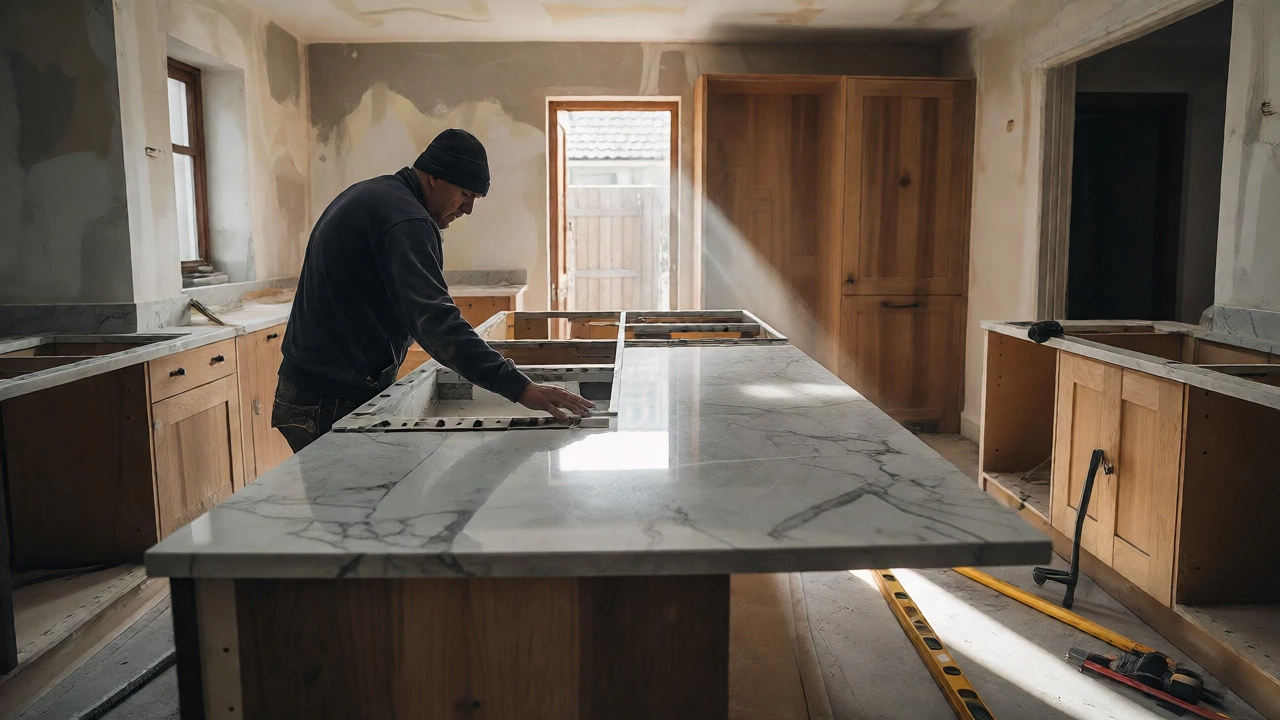
Second, countertops are the second-largest expense, often representing 10% to 15% of the budget. Whether you choose quartz, granite, or butcher block, the price is driven by material rarity, slab size, and fabrication complexity. You pay for the stone itself, but also for the skilled mason who cuts it without cracking it and installs it seamlessly against your new cabinets.
Third, and often underestimated, is labour. In the UK construction sector, skilled tradespeople command premium rates due to high demand and strict regulatory standards. Labour costs can range from £200 to £400 per day per trade. When you factor in plumbers, electricians, tilers, and joiners working over several weeks, the cumulative hours add up faster than the material costs themselves.
Why Cabinets Eat Up Your Budget
It feels counterintuitive, right? A fridge is a machine with electronics; surely it should cost more than a box made of wood? Here is the reality: appliances are mass-produced. They benefit from economies of scale. A Samsung fridge is identical whether it’s sold in Manchester or Milan. Cabinets, however, are rarely identical. Even semi-custom options require precise measurements and adjustments to fit uneven walls, around pipes, or under sloped ceilings.
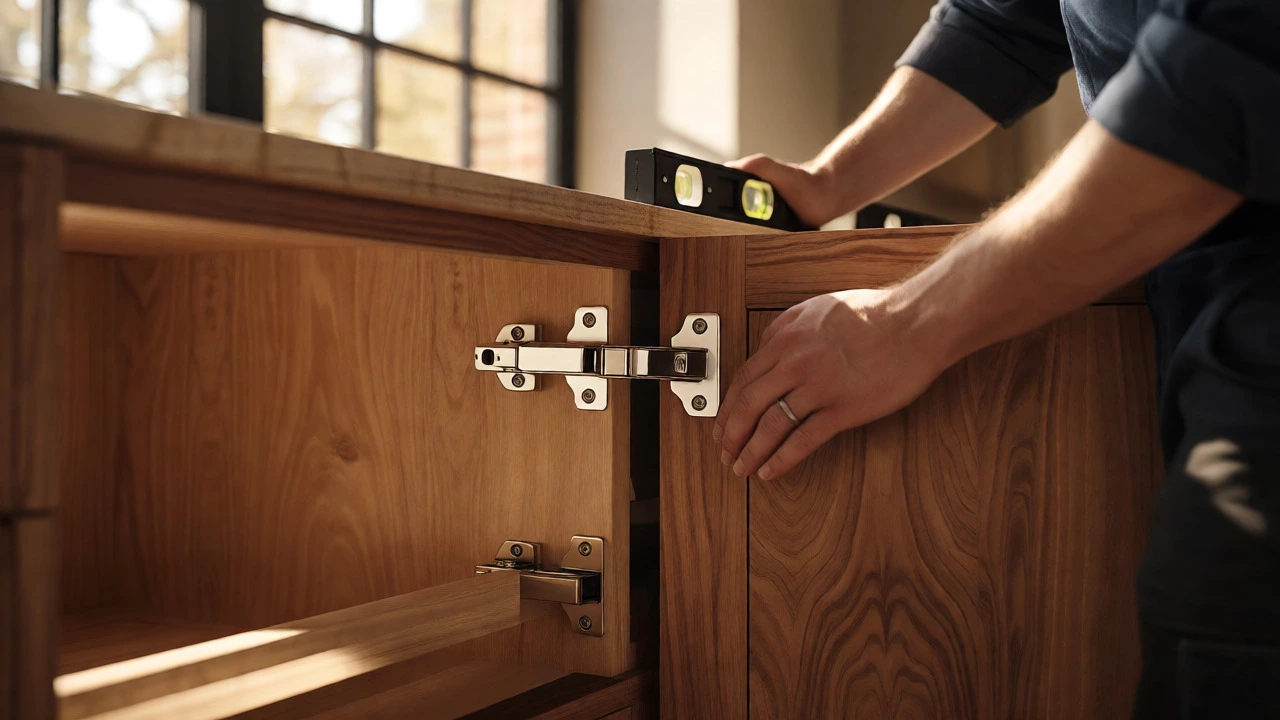
Consider the hidden components inside the box. Cheap cabinets use particleboard shelves and plastic hinges that sag after two years. High-end units use plywood cores, dovetail joints, and Blum or Hettich hardware that lasts decades. You aren’t just paying for the visible door front; you’re paying for the engineering that keeps your plates from crashing onto the floor when you open the drawer too hard.
Furthermore, installation is tricky. If your kitchen layout involves an island, you’re dealing with electrical wiring under the floor, plumbing connections for sinks, and ventilation ducts for hoods. Misalignments here mean re-ordering parts, which adds lead time and cost. One mistake in measurement can render a £1,500 cabinet useless.
Appliances vs. Fixtures: Where the Money Goes
Many homeowners try to save by splurging on a fancy range cooker while skimping on the sink tap. This is a classic mistake. While a top-tier range cooker (like a La Cornue or AGA) can cost upwards of £5,000, it is a one-time purchase. A poorly chosen faucet might seem cheap at £50, but if it leaks or breaks in six months, you’re calling a plumber again. However, in terms of raw sticker price, integrated appliances often surprise people.
Integrated fridges, dishwashers, and ovens hide behind cabinet doors. This creates a seamless look but requires precise cabinetry dimensions. If you buy the appliances first, you lock yourself into specific cabinet sizes. If you order cabinets first, you risk finding appliances that don’t fit. This coordination failure leads to change orders-extra charges for modifying plans mid-project.
Let’s look at typical UK price ranges for key elements in a mid-to-high spec kitchen:
| Component | Average Cost Range (£) | % of Total Budget | Primary Cost Driver |
|---|---|---|---|
| Cabinetry & Storage | £4,000 - £12,000 | 25-40% | Customisation & Material Quality |
| Countertops | £1,500 - £4,500 | 10-15% | Stone Type & Fabrication |
| Labour & Installation | £3,000 - £8,000 | 20-30% | Trade Rates & Project Duration |
| Appliances | £2,000 - £6,000 | 10-15% | Brand & Integration Level |
| Flooring | £1,000 - £3,000 | 5-10% | Material Choice & Area Size |
| Lighting & Electrical | £500 - £2,000 | 5-10% | Fixture Quality & Wiring Changes |
Structural Changes: The Hidden Cost Multiplier
If you’re keeping the footprint of your kitchen exactly the same, you avoid the biggest financial pitfall: moving water and gas lines. Plumbing and electrical work are notoriously expensive because they require certified professionals to comply with Building Regulations. Moving a sink two metres to the left isn’t just about cutting a hole in the counter; it’s about rerouting waste pipes, ensuring proper fall gradients, and potentially lifting floorboards.
Open-plan conversions take this to another level. Removing a load-bearing wall requires steel beams (RSJs), structural engineer calculations, and local council approval. This single decision can add £5,000 to £10,000 to your bill before you even pick a colour scheme. Is it worth it? For many, yes, because it increases property value. But if you’re on a tight budget, keep the wet zones where they are.
How to Control Costs Without Ruining the Look
You don’t need to spend £50,000 to get a beautiful kitchen. You just need to be strategic about where you spend. Here is how smart homeowners manage their budgets:
- Mix Custom and Stock: Use stock cabinets for tall pantry units or less visible corners. Spend the extra cash on the main run of base units where daily wear and tear happens.
- Refinish Instead of Replace: If your current cabinet boxes are solid wood and in good condition, consider replacing only the doors and fronts. This saves 50% of the cabinet cost and reduces waste.
- Prioritise High-Touch Areas: Invest in quality faucets and handles. These are touched dozens of times a day. Cheap taps feel flimsy and leak; expensive ones feel substantial and last longer.
- DIY the Easy Stuff: Painting walls, installing shelving, or laying click-lock vinyl flooring can be done by competent DIYers. Save the professional labour for anything involving electricity, water, or heavy stone.
Another trick is timing. Kitchens are seasonal businesses. January and February are slow periods for showrooms. Ask for end-of-line models or clearance deals on discontinued colours. You might snag a premium brand at a discount simply because the shade is no longer in fashion.
The Long-Term Value Perspective
Think beyond the immediate cost. A cheap laminate countertop might save you £1,000 today, but if it stains or chips within three years, you’ll replace it. Quartz, while pricier upfront, resists stains and scratches, maintaining its look for decades. Similarly, investing in energy-efficient appliances reduces running costs. An old fridge might cost you £50 a year in electricity; a new A-rated model might cut that to £20. Over ten years, that’s £300 saved, offsetting part of the purchase price.
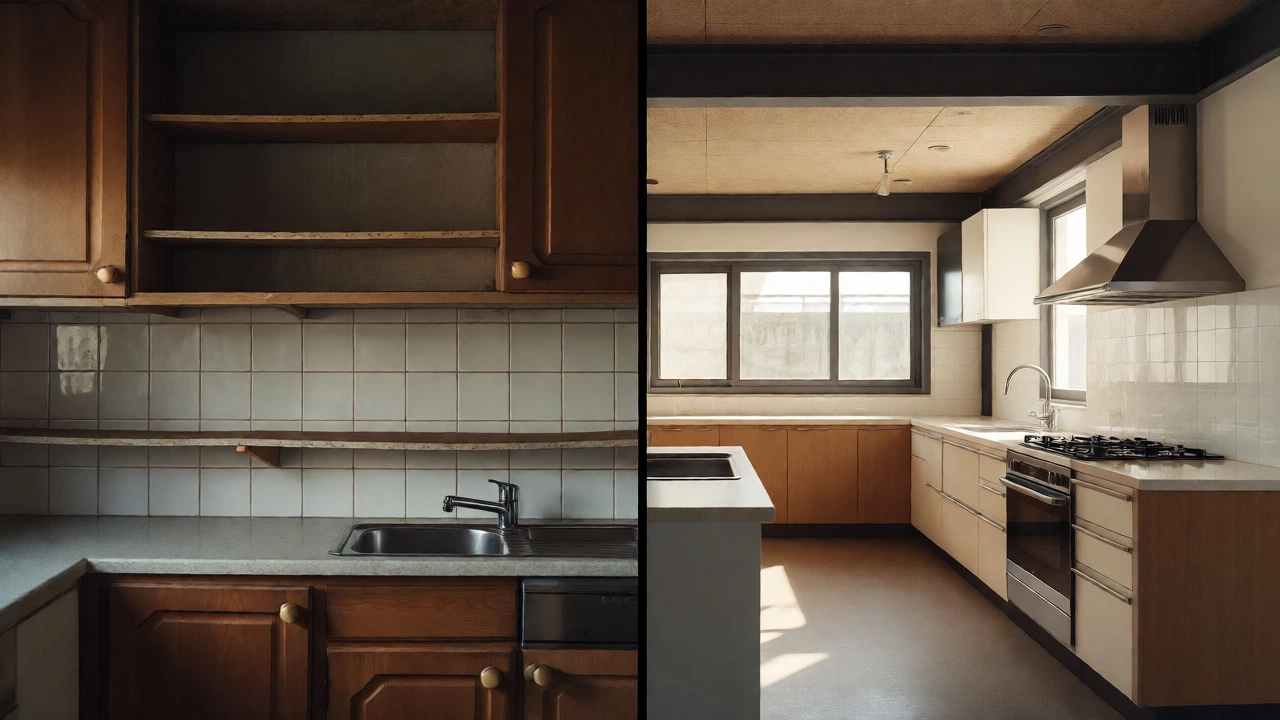
Resale value plays a role too. Estate agents in London often cite kitchens as the primary selling point of a home. A dated, dark kitchen with broken hinges drags down offers. A bright, modern, functional kitchen-even if modestly priced-can add 5-10% to your property’s market value. So, spending more on durable, timeless designs isn’t just an expense; it’s an investment.
Are custom cabinets really worth the extra cost?
Yes, if you have irregular spaces or want maximum storage efficiency. Custom cabinets fit perfectly around odd angles and allow for specialised internal fittings (like pull-out bins or spice racks) that stock units lack. They also tend to use higher-quality materials that withstand daily use better than mass-produced alternatives.
Can I install my own kitchen to save money?
You can install flat-pack cabinets if you are handy with tools, but connecting plumbing and electrics usually requires qualified professionals to meet safety regulations and warranty requirements. Incorrect installation can lead to leaks or electrical faults, costing more in repairs later.
Which countertop material is the most cost-effective?
Laminate is the cheapest upfront, but it has a shorter lifespan. Quartz offers the best balance of durability, hygiene, and long-term value, though it costs more initially. Granite is mid-range but requires sealing. For a rental property, laminate works well; for a family home, quartz is often the smarter financial choice over ten years.
Does removing a wall always increase kitchen costs?
Yes, significantly. Removing a load-bearing wall requires structural support (steel beams), engineering surveys, and building control inspections. This adds both material costs for the steel and labour costs for the heavy lifting and temporary supports during construction.
How much should I budget for lighting?
Allocate 5-10% of your total budget. Good lighting involves layered sources: ambient ceiling lights, task lighting under cabinets, and accent lighting for islands. LED strips and smart controls add convenience and energy savings, making them a worthwhile addition despite the initial outlay.