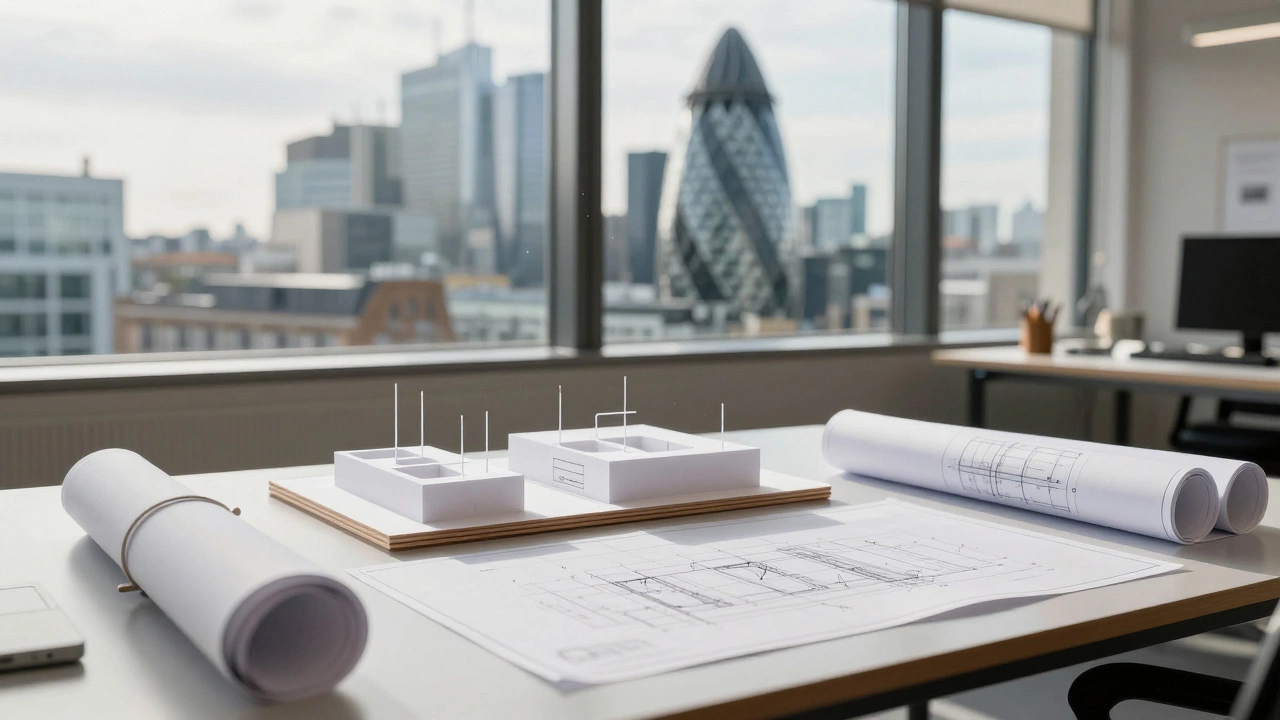
Architectural Services Cost Estimator
Estimated Architect's Fee
Based on industry standards (5% - 15%)
This estimate covers core phases: Pre-design, Schematic Design, Design Development, Construction Documents, and Construction Administration. Actual fees may vary based on specific site conditions and consultant costs. Always consult a licensed architect for a formal quote.
Enter your construction budget to see the estimated cost of professional architectural services.
Have you ever looked at a stunning building and wondered who actually made it happen? It wasn't just the builders swinging hammers. Before a single brick is laid, a complex process of planning, designing, and legal maneuvering takes place. This is the realm of architectural services, which are professional services provided by licensed architects to plan, design, and oversee the construction of buildings and structures. Many people confuse these with interior design or general engineering, but the scope is much broader and legally distinct.
If you are thinking about building a home, renovating an office, or even just curious about how cities are shaped, understanding what architects actually do is crucial. You aren't just paying for pretty drawings; you are investing in safety, compliance, functionality, and value. Let’s break down exactly what these services entail, from the initial sketch to the final handover.
The Core Phases of Architectural Work
Architectural work isn't a single task; it is a lifecycle. Most firms follow a standard set of phases, often referred to as the RIBA Plan of Work in the UK or similar stages in other regions. Understanding these stages helps you know where your money goes and what deliverables to expect.
- Pre-Design and Feasibility: This is the "can we do this?" phase. The architect analyzes the site, checks zoning laws, and assesses budget constraints. They might perform a site analysis to look at sun exposure, wind patterns, and access roads.
- Schematic Design: Here, ideas take shape. You get rough sketches and massing models. It’s about getting the proportions right. Does the kitchen feel too small? Is the roofline too steep?
- Design Development: The concepts become specific. Materials are selected, structural systems are chosen, and mechanical/electrical/plumbing (MEP) strategies are integrated.
- Construction Documents: These are the technical blueprints. Every dimension, material specification, and detail is documented so contractors can bid accurately and build correctly.
- Bidding and Negotiation: Contractors review the documents and submit prices. The architect helps you evaluate these bids.
- Construction Administration: The architect visits the site to ensure the builder follows the plans. They answer questions and approve changes if necessary.
Why You Need a Licensed Professional
You might wonder if you can skip the architect and hire a draftsman or engineer directly. While possible for simple sheds, it is risky for anything substantial. An architect holds a professional license, which means they have undergone rigorous education, internship, and examination processes. In London and across the UK, architects are regulated by the Royal Institute of British Architects (RIBA). This ensures they adhere to strict ethical and professional standards.
The primary reason to hire an architect is liability and expertise. If a wall collapses because it was designed incorrectly, the architect carries professional indemnity insurance. A non-licensed designer does not. Furthermore, architects understand the interplay between aesthetics and function. They don’t just make things look good; they ensure the building works for its users over decades.
| Role | Primary Focus | Licensing Required? | Handles Building Regulations? |
|---|---|---|---|
| Architect | Overall design, structure, safety, and compliance | Yes (ARB/RIBA in UK) | Yes |
| Draftsman | Technical drawing and detailing | No (usually certified) | Often assists, but doesn't lead |
| Interior Designer | Space planning, finishes, furniture, lighting | No (voluntary registration) | No (unless structural changes) |
Key Components of Architectural Services
When you sign a contract for architectural services, you are buying a suite of specific outputs. Here is what typically falls under this umbrella:
- Space Planning: Optimizing the layout to maximize usability. For example, ensuring a hospital has efficient flow between wards, or a home has natural light in key living areas.
- Building Code Compliance: Navigating the labyrinth of local laws. In the UK, this includes meeting Building Regulations for fire safety, insulation, accessibility, and ventilation. Getting this wrong can lead to costly fines or being forced to demolish work.
- Sustainability Consulting: Modern architecture heavily emphasizes energy efficiency. Architects integrate passive design strategies, recommend sustainable materials like cross-laminated timber, and model energy usage to meet targets like BREEAM or LEED certifications.
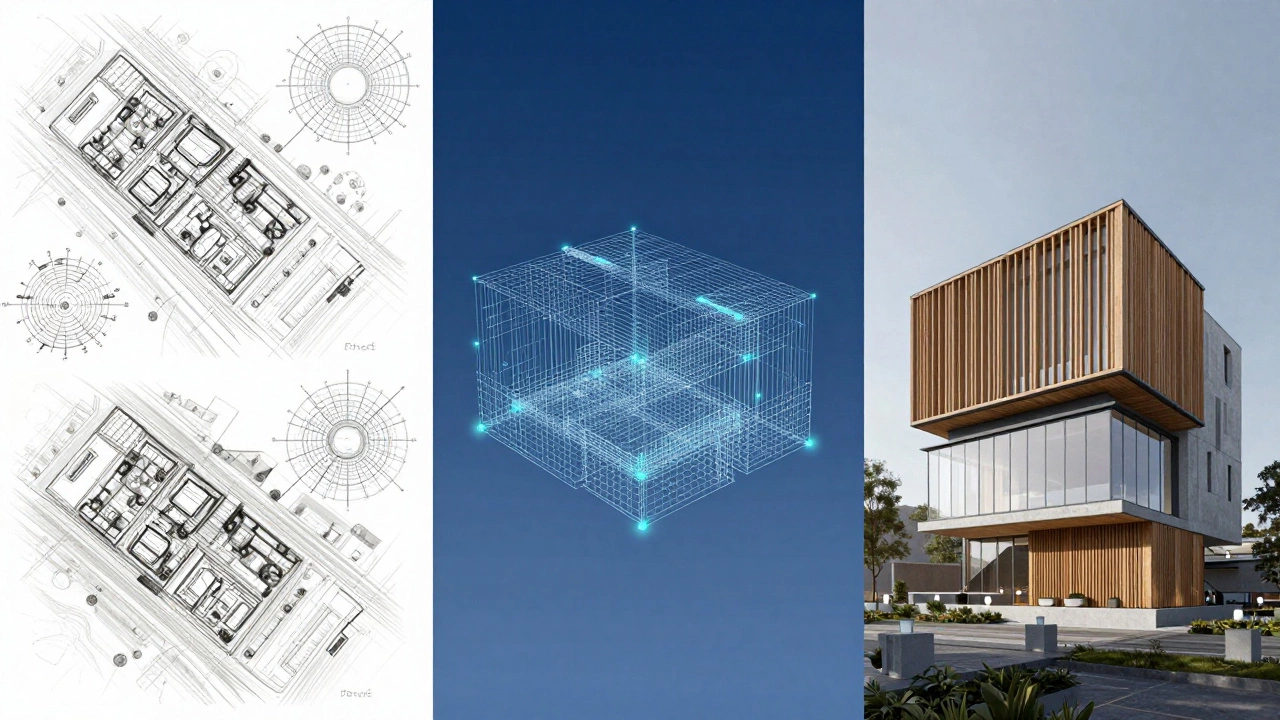
- 3D Visualization and BIM: Using tools like Revit or AutoCAD to create Building Information Models. These digital twins allow stakeholders to see the project in 3D before construction begins, reducing errors.
Costs and Value Proposition
A common question is: "How much do architectural services cost?" Fees vary widely based on project complexity, location, and the firm's reputation. In the UK, fees typically range from 5% to 15% of the total construction cost. For a £500,000 house extension, that’s £25,000 to £75,000.
It feels expensive until you consider the alternative. Poor design leads to inefficient spaces, higher energy bills, and lower resale value. An architect acts as your advocate during construction, preventing costly mistakes by the contractor. Studies show that professionally designed homes sell for significantly more than those without architectural input, often recouping the design fee through increased property value.
Common Misconceptions About Architects
There are plenty of myths surrounding the profession. Let’s clear them up.
Myth 1: Architects only care about looks.
Reality: Form follows function. An architect must solve problems related to gravity, weather, human behavior, and budget. A beautiful building that leaks rain or traps heat is a failed design.
Myth 2: You need an architect only for new builds.
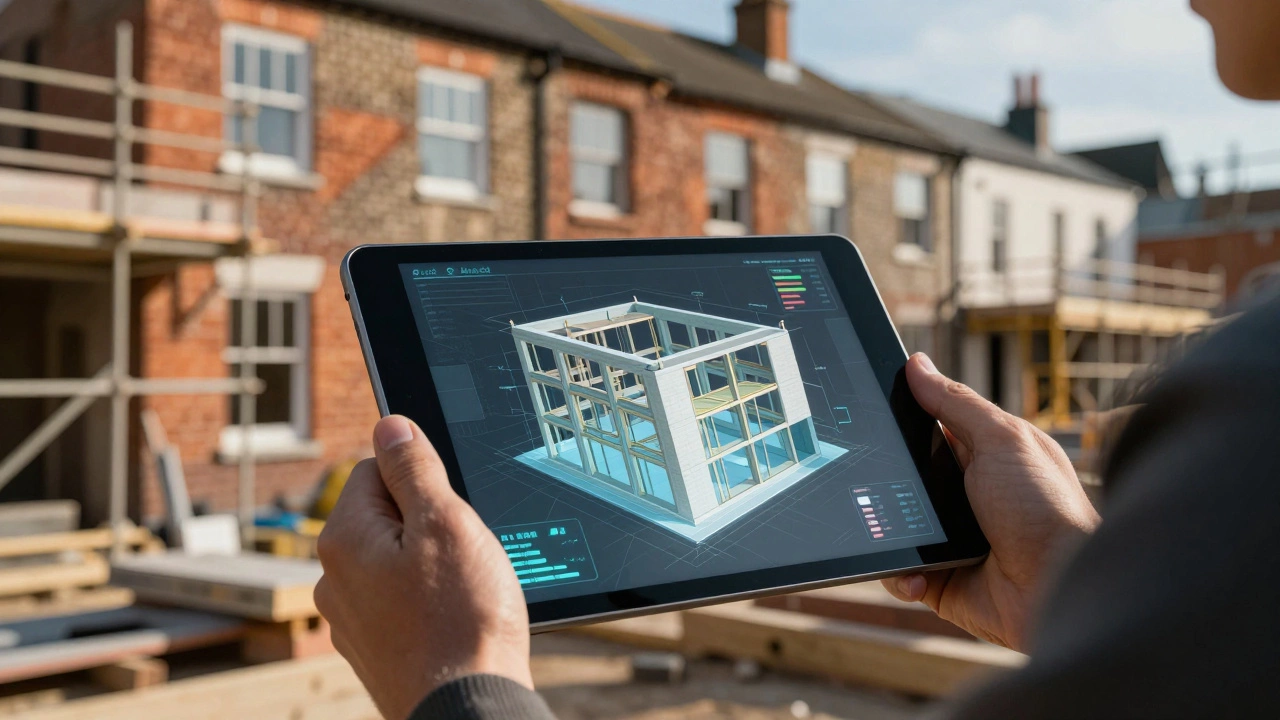
Reality: Renovation and adaptive reuse are huge parts of the industry. Converting an old warehouse into apartments requires deep knowledge of structural integrity and heritage conservation rules.
Myth 3: Architects are too slow.
Reality: Good design takes time, but delays are usually caused by client indecision or permit bottlenecks, not the design process itself. Clear communication speeds everything up.
Choosing the Right Architect for Your Project
Not all architects are the same. Some specialize in residential homes, others in high-rise commercial towers, and some in landscape integration. When selecting a firm, look at their portfolio. Do they have experience with projects similar to yours? Ask about their approach to sustainability and technology. Do they use BIM? How do they handle change orders during construction?
In London, given the density and historical context, finding an architect familiar with Conservation Areas and listed building consent is vital. They will know how to navigate the specific requirements of the local council, whether it’s Camden, Kensington, or Hackney.
Do I need an architect for a home renovation?
For minor cosmetic changes, no. However, if you are removing load-bearing walls, changing the roof structure, or extending the footprint of the house, you likely need an architect. They ensure the work complies with Building Regulations and planning permission laws, which is critical for safety and future resale.
What is the difference between an architect and an interior designer?
An architect focuses on the structure, shell, and overall spatial organization of a building. They deal with foundations, roofs, and exterior walls. An interior designer focuses on the inside environment-furniture, color schemes, lighting fixtures, and soft furnishings. While their roles can overlap, especially in space planning, architects are licensed to handle structural changes and regulatory compliance.
How long does the architectural design process take?
It varies by project size. A simple residential extension might take 3-6 months from concept to construction documents. A large commercial building could take 12-24 months. Factors include the complexity of the design, the speed of client feedback, and the timeline for obtaining planning permissions from local authorities.
Can an architect help me save money on construction?
Yes. While hiring an architect is an upfront cost, they can optimize material usage, suggest cost-effective alternatives, and prevent expensive errors during construction. Their detailed construction documents reduce ambiguity for contractors, leading to more accurate bids and fewer unexpected costs later.
What is BIM and why is it important?
BIM stands for Building Information Modeling. It is a digital representation of the physical and functional characteristics of a facility. Unlike traditional 2D drawings, BIM creates a 3D model that contains data about every component (e.g., pipe diameter, window U-value). This allows for clash detection (finding errors before building) and better lifecycle management of the building.