House Material Longevity Estimator
Select a primary structural or exterior material to view its estimated lifespan, maintenance requirements, and potential failure points.
Please select a material from the list
Detailed analysis will appear here.
Imagine your great-great-grandchildren walking through your living room. What would they be standing on? What would be holding up the roof above their heads? Most homeowners worry about energy bills or curb appeal, but few stop to ask: what material will actually outlive me?
The answer isn't as simple as picking the hardest rock you can find. Durability in construction is a mix of material strength, resistance to environmental decay, and how well different components work together. A house built with concrete might last centuries, but if the rebar inside rusts because the concrete wasn't sealed right, that structure fails long before the cement does. So, when we talk about the longest lasting material to build a house, we're looking for materials that resist rot, fire, pests, and time itself.
Concrete and Stone: The Heavyweights of History
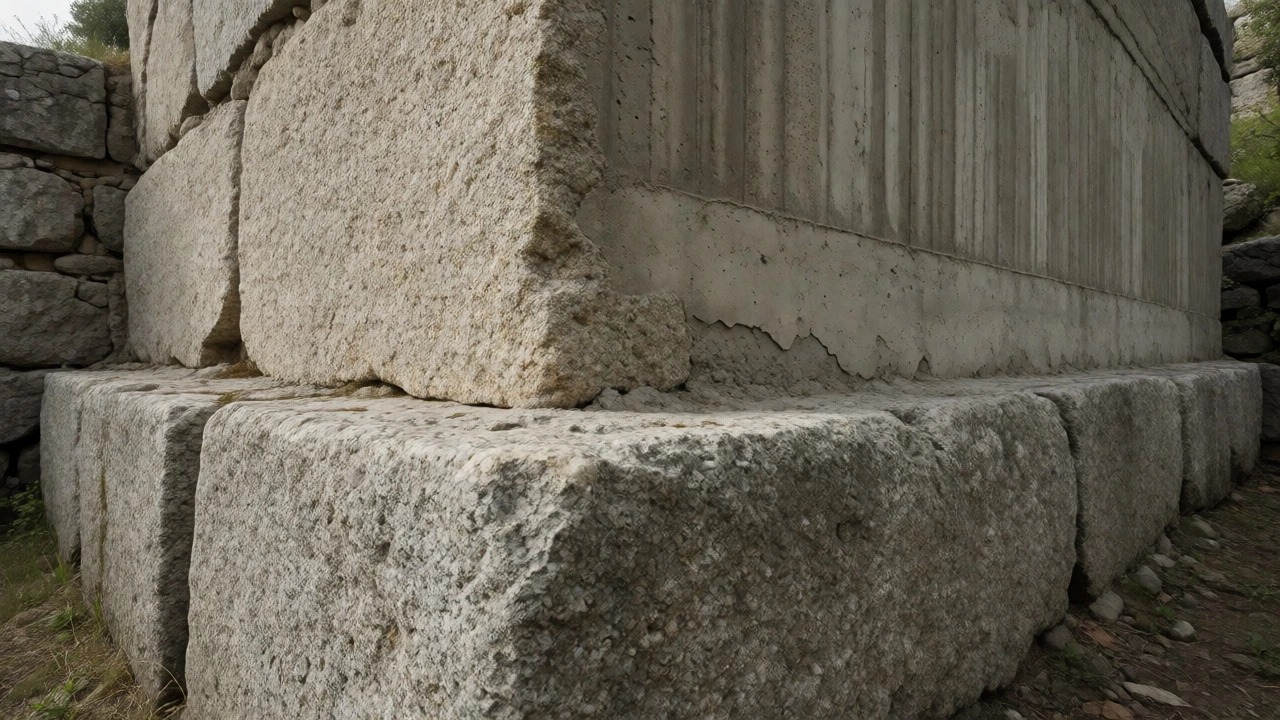
If you look at the oldest structures still standing today-like the Pantheon in Rome-you'll see one common theme: massive amounts of stone and unreinforced concrete. These materials don't rot, they don't burn, and termites couldn't care less about them. But for modern residential housing, pure stone is rare due to cost and labor intensity. That's where reinforced concrete comes in.
Reinforced Concrete is a composite material combining concrete's compressive strength with steel's tensile strength. When properly mixed and cured, it can last 100 years or more without significant structural degradation. However, the Achilles' heel is water intrusion. If water reaches the steel rebar, it causes expansion and cracking, leading to spalling (where chunks of concrete break off). To maximize lifespan, builders use high-quality sealants and ensure proper drainage away from the foundation.
Natural stone, such as granite or limestone, offers even greater longevity. A stone wall can literally last thousands of years. The catch? It’s heavy, expensive, and requires skilled masons. For most homeowners, stone is used for accents or foundations rather than entire walls, unless budget allows for true masonry construction.
Brick: The Old Reliable
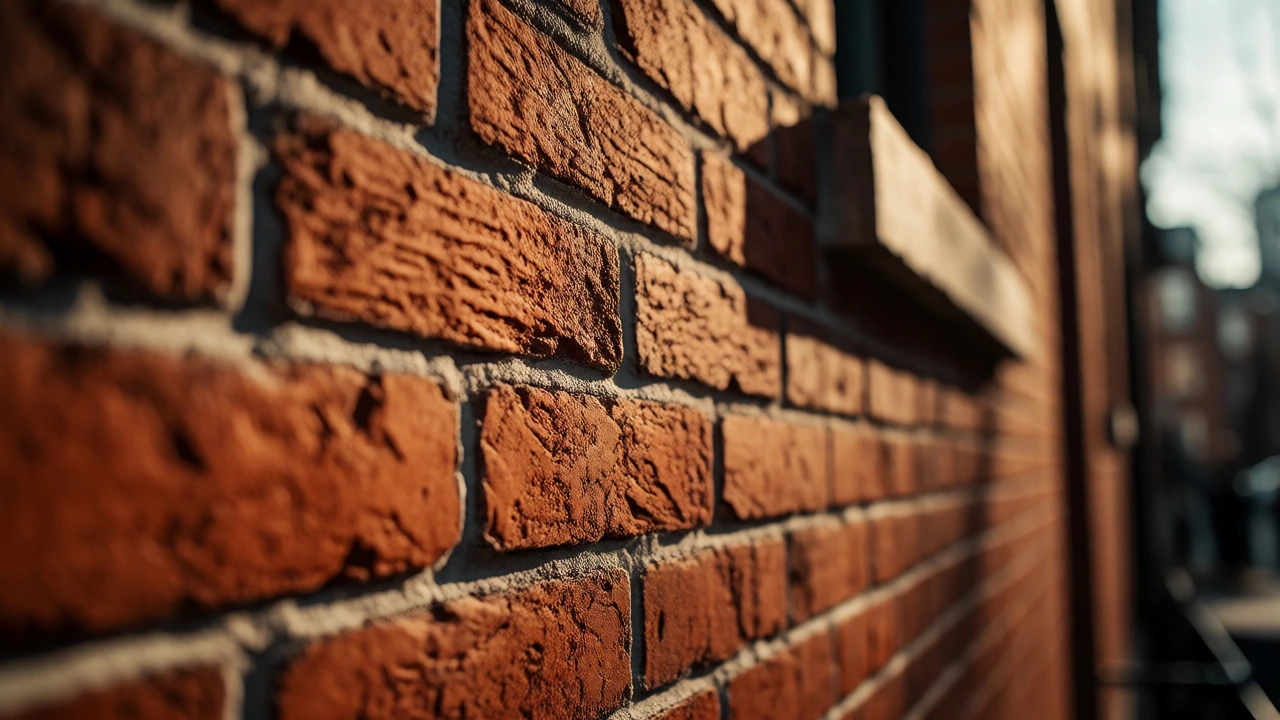
Before concrete took over, brick was the gold standard for durable homes. Why? Because fired clay bricks are essentially ceramic glass-they’re incredibly hard and resistant to weather. A well-maintained brick home can easily stand for 150 to 200 years. Think about the brownstones in New York City or the historic districts in Boston; many have been standing since the 1800s.
However, bricks aren't perfect. The mortar between them is often weaker than the brick itself. Over decades, freeze-thaw cycles can cause this mortar to crumble-a process called spalling. This doesn't mean the house falls down; it just means you need to repoint the mortar every 50-75 years. Compared to wood siding that needs replacing every 20 years, brick is a low-maintenance marathon runner.
Steel Framing: Strength in Skeletal Form
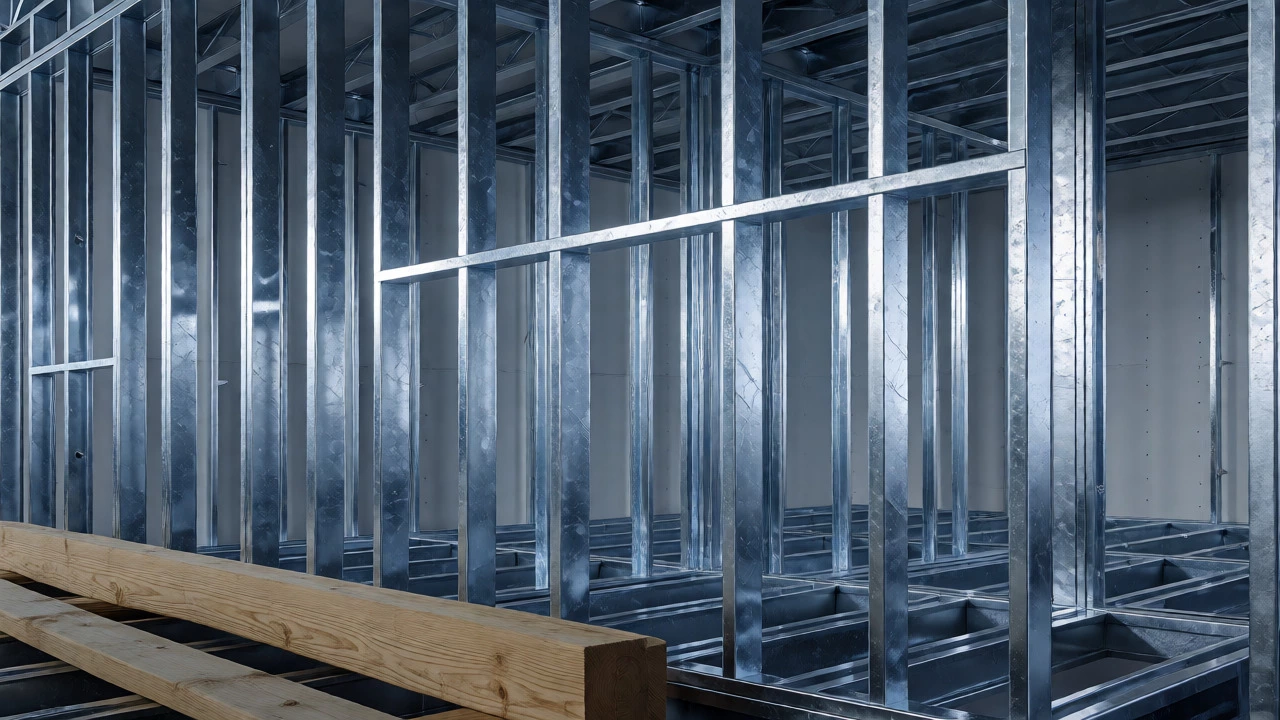
While not visible once drywall goes up, the skeleton of your house matters most. Traditional wood framing is prone to rot, mold, and termite damage. Enter Steel Framing. Steel studs and beams do not warp, shrink, or rot. They are impervious to termites and won't burn. In fact, steel-framed houses are often rated to withstand higher wind loads and seismic activity than their wood counterparts.
The main threat to steel is corrosion. If left unprotected, steel rusts. Modern galvanized steel frames are coated with zinc to prevent this, extending their life significantly. In coastal areas with salt air, stainless steel or heavily coated alloys are preferred. While steel conducts heat (creating thermal bridges), modern insulation techniques mitigate this. From a purely structural standpoint, steel outlasts wood by a wide margin.
Treated Wood and Engineered Lumber
You can't ignore wood-it’s beautiful, renewable, and easy to work with. But raw wood rots. To make it last, we treat it. Pressure-treated lumber uses chemicals like copper azole to repel insects and fungi. This treated wood can last 30-50 years in ground contact conditions, much longer than untreated pine.
Then there are engineered products like cross-laminated timber (CLT) and laminated veneer lumber (LVL). These materials are stronger and more dimensionally stable than solid sawn lumber. They resist warping and twisting, which keeps the building envelope tight. A tightly sealed envelope prevents moisture ingress, which is the primary killer of wooden structures. So while wood isn't the longest-lasting material in its raw form, modern engineering extends its viability to match some masonry lifespans.
Comparison of Lifespan and Maintenance
Choosing the right material depends on your climate, budget, and willingness to perform maintenance. Here’s a breakdown of how these materials stack up against each other.
| Material | Expected Structural Lifespan | Maintenance Needs | Primary Threat |
|---|---|---|---|
| Natural Stone | 500+ years | Low (Mortar repair) | Foundation settling |
| Brick | 150-200 years | Medium (Repointing) | Mortar degradation |
| Reinforced Concrete | 100+ years | Low (Sealing cracks) | Rebar corrosion |
| Galvanized Steel | 100+ years | Low (Rust inspection) | Corrosion in salt air |
| Pressure-Treated Wood | 50-75 years | High (Paint/Stain) | Moisture/Rot |
| Vinyl Siding | 20-40 years | Low (Cleaning) | UV fading/Brittleness |
Climate Matters More Than You Think
A material that lasts forever in Arizona might fail quickly in Florida. Humidity, temperature swings, and soil composition change the equation entirely.
- Wet Climates: Avoid untreated wood. Prioritize brick, stone, or vinyl. Ensure excellent drainage around the foundation to prevent hydrostatic pressure from cracking concrete.
- Cold Climates: Freeze-thaw cycles destroy porous materials. Dense concrete and high-quality brick fare better here. Insulation becomes critical to keep pipes from bursting, which can flood and rot wooden floors.
- Coastal Areas: Salt spray accelerates corrosion. Standard steel may rust faster. Use stainless steel hardware, fiber-cement siding instead of vinyl (which gets brittle), and concrete mixes designed for marine environments.
- Dry Climates: Termites are the enemy. Steel and masonry shine here. Wood is viable if kept dry and treated, but UV exposure degrades exterior finishes quickly.
The Hidden Factor: Workmanship
You could buy the best granite blocks in the world, but if the foundation is poured poorly, the house will crack within five years. Material quality is only half the battle. Proper detailing-how windows are flashed, how roofs overlap, how gutters direct water-is what determines if a 100-year material actually lasts 100 years.
For example, a brick wall is durable, but if the weep holes (small openings at the bottom of brick walls) are blocked, water gets trapped behind the brick. This leads to internal mold and structural weakening. No amount of brick quality fixes bad detailing. Always prioritize contractors who specialize in the specific material you choose.
Cost vs. Longevity: Is It Worth It?
Building with stone or steel costs more upfront. Brick is mid-range. Wood is cheapest. But consider the total cost of ownership over 50 years.
A wood-sided house might need siding replaced twice ($15k each time) plus painting every 5 years. A brick house needs almost no exterior maintenance besides occasional cleaning. Over half a century, the brick house often saves money despite the higher initial price tag. Plus, homes made of durable materials often hold their resale value better because buyers perceive them as lower risk.
Is concrete really longer lasting than steel?
Not necessarily. Both can last over 100 years, but they fail differently. Concrete fails when water corrodes the internal steel reinforcement, causing cracks. Steel fails when surface coating wears off and rust compromises structural integrity. In wet climates, properly maintained steel framing often outperforms concrete foundations if drainage is poor.
Do brick houses last longer than wood houses?
Yes, generally. The brick veneer itself can last centuries. However, the structural frame behind the brick (often wood or steel) dictates the actual lifespan. If the wood frame rots, the brick facade remains but the house is unsafe. Therefore, a brick-over-steel home lasts longer than a brick-over-wood home.
What is the most durable roofing material?
Slate and metal roofs are the top contenders. Slate tiles can last 100-200 years but are extremely heavy and expensive. Metal roofs (especially copper or aluminum) last 50-70 years and are lighter. Asphalt shingles, the most common type, only last 15-25 years.
Can I mix materials to increase longevity?
Absolutely. This is actually recommended. Use a concrete slab foundation, steel or pressure-treated wood framing, and brick or fiber-cement siding. This hybrid approach balances cost, structural strength, and aesthetic appeal while maximizing resistance to specific local threats like termites or humidity.
Does insulation affect the lifespan of the house?
Indirectly, yes. Good insulation regulates temperature and reduces condensation inside walls. Condensation leads to mold and rot, especially in wooden structures. By keeping the interior environment stable, insulation protects the structural materials from moisture-related decay.