Find Your Perfect Wallpaper Match
Answer a few questions about your space and preferences to get personalized wallpaper recommendations based on 2026's hottest trends.
What type of room are you decorating?
Walk into any high-end interior design studio in London right now, and you’ll notice something missing: the sterile, all-white minimalism that dominated the last decade. In its place? Walls with personality. Walls that tell a story. If you’ve been putting off updating your home because you’re worried about committing to paint colors that might feel dated by next year, you’re looking at the wrong solution. Wallpaper is back, and it’s not just for accent walls anymore.
The question isn’t whether wallpaper is trending-it’s which direction the trend is taking. By mid-2026, the market has shifted dramatically from flat, printed patterns to tactile, sustainable, and highly personalized surfaces. We are seeing a move away from mass-produced vinyl rolls toward materials that feel like art installations. Whether you are renovating a Victorian terrace or refreshing a modern apartment, understanding these shifts can save you from making expensive mistakes.
The Rise of Tactile and Textured Surfaces
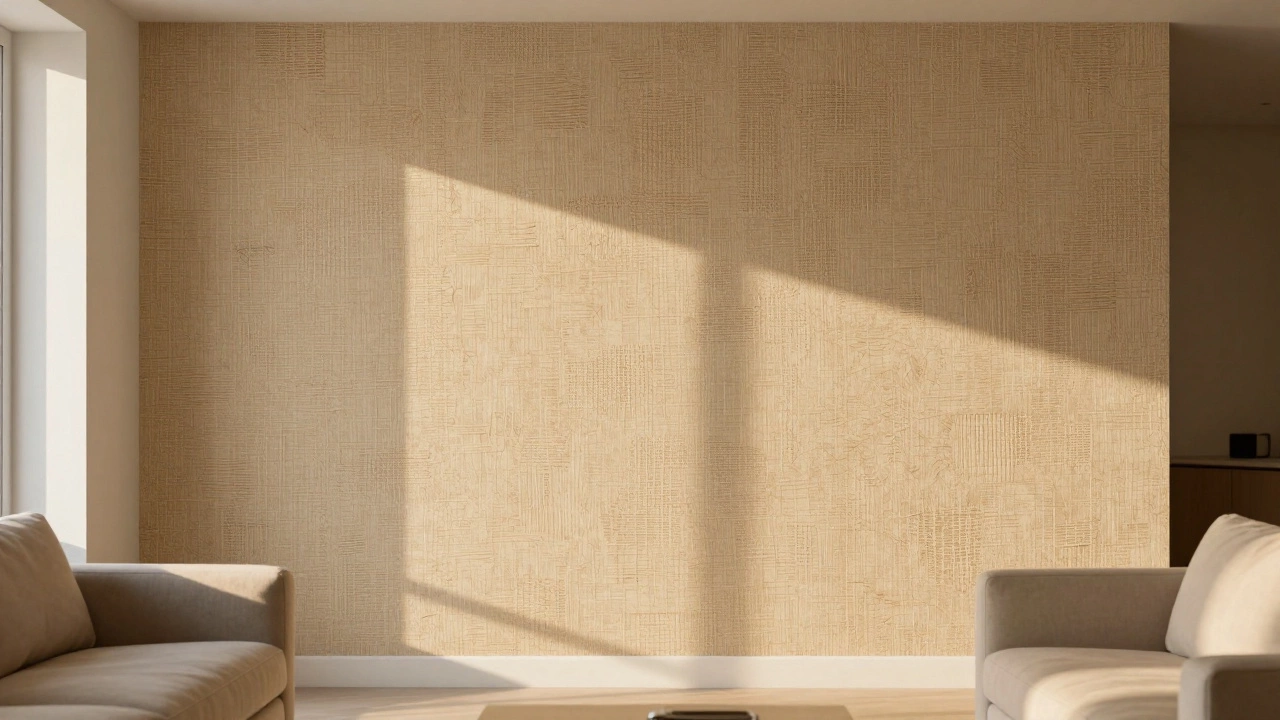
The biggest shift in wallpaper trends for 2026 is the demand for texture. Homeowners are tired of screens; they want surfaces they can touch. This isn’t just about aesthetics; it’s about sensory experience. A smooth wall reflects light uniformly, but a textured wall catches shadows, creating depth and movement as the sun moves across the room.
Beyond natural fibers, 3D embossed wallpapers are gaining traction. These aren’t the cheap foam panels of the 1970s. Modern embossing uses advanced printing techniques to create subtle, geometric reliefs-think honeycomb structures, linen weaves, or abstract topographic maps. When paired with matte finishes, these textures absorb light rather than reflecting it, which helps reduce glare in rooms with large windows. If you live in a city apartment with limited space, using textured wallpaper on one wall can make the room feel larger by adding visual interest without clutter.
- Linen and Silk Effects: Non-woven wallpapers that mimic the sheen of silk or the roughness of linen are popular for bedrooms and dining areas. They add luxury without the cost of real fabric.
- Cork and Wood Veneers: Thin slices of cork or wood applied directly to walls are being used as wallpaper alternatives. They provide acoustic insulation and a warm, natural aesthetic perfect for home offices.
- Concrete and Plaster Looks: For industrial-loft styles, wallpapers that replicate the imperfections of Venetian plaster or raw concrete allow renters to achieve the look without permanent structural changes.
Sustainability as a Non-Negotiable Standard
In 2026, asking “Is this eco-friendly?” is no longer optional. Consumers are increasingly aware of the environmental impact of their home choices. The old days of PVC-heavy vinyl wallpapers are fading fast. The latest fashion demands transparency in sourcing and production.
Non-woven wallpaper has become the industry standard for sustainability. Unlike traditional paper-backed vinyl, non-woven wallpapers are made from a mix of natural and synthetic fibers that are breathable and easier to remove. This means less damage to the underlying plaster when you decide to change the look again. Look for certifications like GreenGuard Gold or FSC (Forest Stewardship Council) labels. These ensure that the materials are free from volatile organic compounds (VOCs), which is crucial for indoor air quality, especially in homes with children or pets.
We are also seeing a surge in recycled material wallpapers. Some brands are using post-consumer plastic waste to create durable, water-resistant wallpapers suitable for kitchens and bathrooms. Others are utilizing agricultural waste, such as banana leaves or pineapple fibers, to create unique, biodegradable patterns. While these options may come at a slightly higher price point, the longevity and ethical appeal justify the investment for many homeowners.
| Type | Material Source | Durability | Best Use Case |
|---|---|---|---|
| Non-Woven | Mix of natural/synthetic fibers | High | Living rooms, bedrooms |
| Recycled Plastic | Post-consumer PET bottles | Very High | Kitchens, bathrooms |
| Natural Fiber (Grasscloth) | Jute, Sisal, Cotton | Medium | Low-traffic areas, studies |
| Foam-Free Vinyl | PVC-free polymers | High | Hallways, high-traffic zones |
Digital Printing and Hyper-Personalization
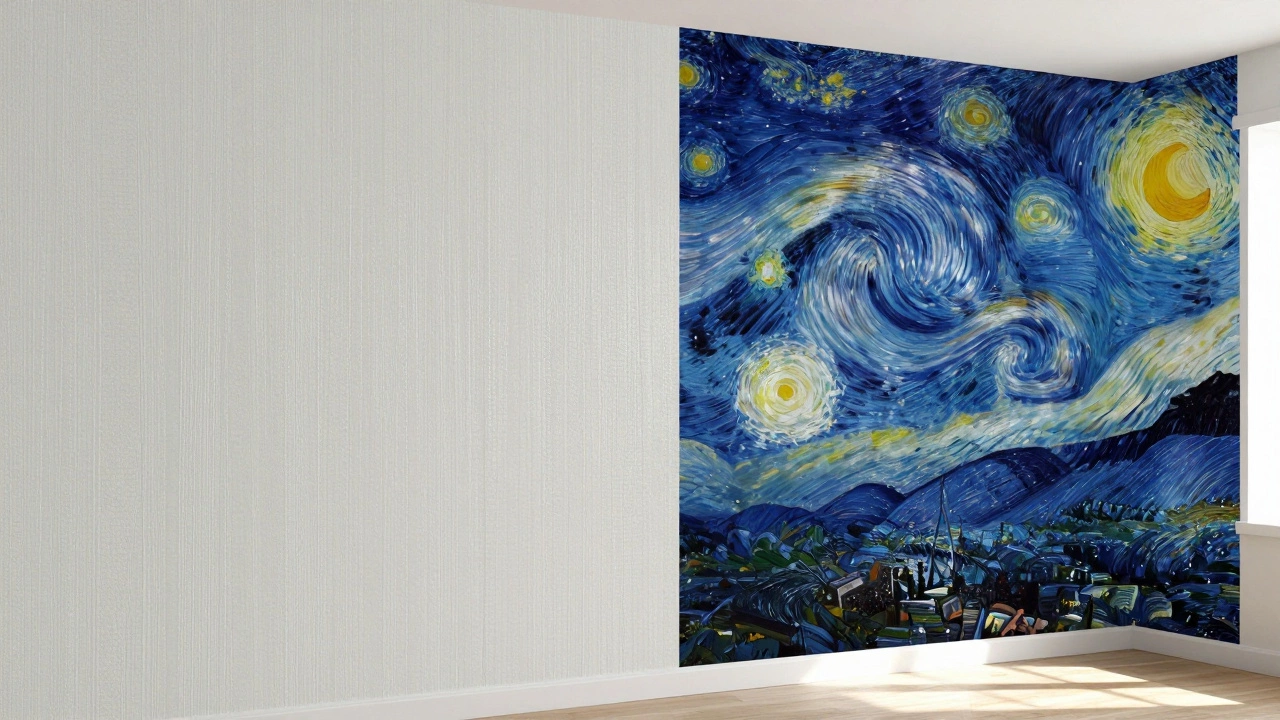
Technology has democratized custom wallpaper. Ten years ago, having a custom mural designed and printed was a luxury reserved for hotels and high-net-worth individuals. Today, digital printing allows anyone to upload an image, a photograph, or an original artwork and have it printed on high-quality wallpaper within days.
This trend aligns perfectly with the desire for personalization. People are moving away from generic floral repeats found in big-box stores. Instead, they are choosing custom murals that reflect their travels, hobbies, or family history. Imagine a living room featuring a scaled-down version of a painting from the National Gallery, or a child’s bedroom covered in a map of the stars on the night they were born.
Digital printing also enables seamless pattern matching that was previously difficult with traditional block printing. This means complex designs can flow continuously across corners and around door frames without visible breaks. For those who love bold statements, this technology allows for larger scale prints that truly transform a room’s perception of space. A ceiling printed with a sky motif, for instance, can make a low-ceilinged room feel infinitely taller.
Maximalism and Bold Color Palettes
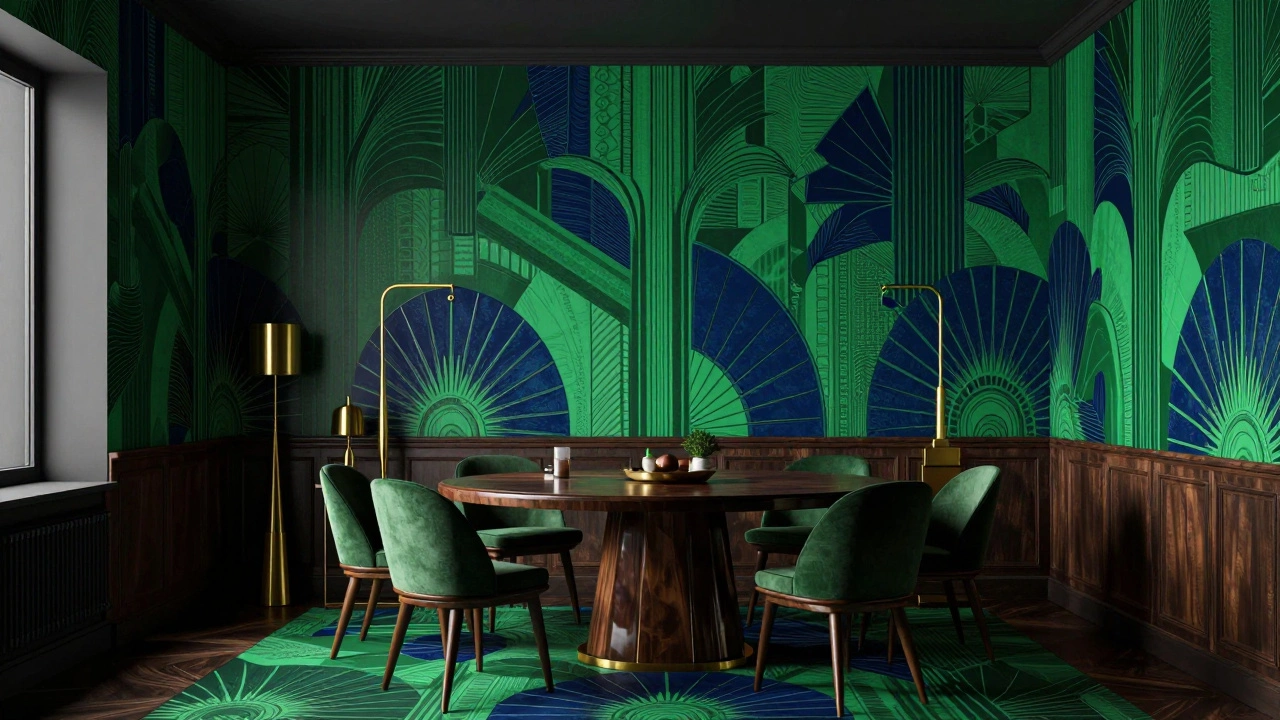
If minimalism was the rule of the 2010s, maximalism is the rebellion of the 2020s. The latest fashion in wallpaper embraces color, contrast, and complexity. We are seeing a return to deep, moody hues: emerald greens, navy blues, burgundy, and charcoal grays. These colors create intimate, cocoon-like atmospheres that are particularly appealing in urban environments where outside noise is constant.
Patterns are also getting bolder. Art Deco revival patterns are huge in 2026. Think geometric shapes, sunbursts, and streamlined forms inspired by the 1920s and 30s. These patterns work well in entryways and powder rooms, providing a dramatic first impression. Another rising star is the botanical jungle trend, but with a twist. Instead of delicate, pastel florals, we are seeing lush, oversized tropical leaves in saturated greens and teals. This brings nature indoors in a way that feels vibrant and alive.
Don’t be afraid to mix patterns. The key to successful maximalist wallpaper use is balance. Pair a busy, large-scale botanical print with simple, solid-colored furniture. Or combine two different wallpapers in the same room-one on the lower half (wainscoting style) and another on the upper half-to create a layered, curated look.
Practical Tips for Choosing and Installing Wallpaper
Choosing the right wallpaper involves more than just picking a pretty pattern. You need to consider the room’s function, lighting, and existing furnishings. Here is a quick checklist to guide your decision:
- Assess the Room’s Light: Dark colors absorb light, so they work best in rooms with ample natural light or well-planned artificial lighting. Lighter, reflective textures can brighten up dark corridors.
- Consider Traffic Levels: For high-traffic areas like hallways and kitchens, choose washable, durable materials like non-woven or recycled plastic. Delicate grasscloths are better suited for bedrooms and formal dining rooms.
- Sample First: Never buy a full roll without testing samples. Hang them on different walls and observe how they look at various times of day. Colors shift significantly between morning sunlight and evening lamp light.
- Plan for Installation: While peel-and-stick options exist, professional installation ensures seamless alignment and proper adhesion, especially for heavy or textured wallpapers. If you are DIY-ing, invest in good tools: a sharp utility knife, a smoothing brush, and a laser level.
- Think Long-Term: Trends change, but quality lasts. Choose timeless patterns or neutral tones if you plan to sell your home soon. If you’re staying put, go bold and express your personality.
Remember, wallpaper is a commitment, but it doesn’t have to be permanent. With the rise of removable, renter-friendly options, you can experiment with trends without damaging your walls. Just ensure you follow the manufacturer’s instructions for removal to avoid peeling paint or plaster damage.
Future-Proofing Your Home Decor
As we move further into 2026, the intersection of technology and tradition will continue to shape wallpaper trends. Expect to see more integration of smart features, such as wallpapers embedded with conductive threads that can control lighting or temperature. While still niche, this represents the future of interactive home surfaces.
For now, focus on what makes your home feel like yours. Whether you choose a textured grasscloth for its calming effect, a bold Art Deco print for its drama, or a custom mural for its personal significance, the goal is to create spaces that inspire and comfort. The latest fashion in wallpaper is not just about following trends-it’s about expressing individuality through the walls that surround us every day.
What is the most popular wallpaper color for 2026?
Deep, moody colors like emerald green, navy blue, and charcoal gray are currently dominating the market. These shades create intimate, sophisticated atmospheres. However, earthy tones like terracotta and sage green remain popular for those seeking a more natural, calming vibe.
Is textured wallpaper going out of style?
No, quite the opposite. Textured wallpaper is one of the strongest trends of 2026. Materials like grasscloth, linen-effect non-wovens, and 3D embossed designs are highly sought after for their ability to add depth and sensory interest to a room.
Can I install wallpaper myself?
Yes, especially with peel-and-stick or pre-pasted options. However, for large-scale patterns, textured materials, or seamless murals, professional installation is recommended to ensure proper alignment and adhesion. Always prepare your walls properly by cleaning and priming them before application.
What is the difference between vinyl and non-woven wallpaper?
Vinyl wallpaper is typically plastic-coated, making it durable and washable but less breathable. Non-woven wallpaper is made from a mix of natural and synthetic fibers, offering better breathability, easier installation, and simpler removal without damaging the wall. Non-woven is generally considered more sustainable and modern.
How do I choose wallpaper for a small room?
Use lighter colors and smaller-scale patterns to avoid overwhelming the space. Vertical stripes can make ceilings appear higher, while horizontal stripes can widen a narrow room. Textured wallpapers in neutral tones can add interest without shrinking the perceived size of the room.
Are there eco-friendly wallpaper options available?
Yes, many brands now offer sustainable options. Look for wallpapers made from recycled materials, natural fibers like grasscloth or cotton, and those certified by organizations like GreenGuard or FSC. Non-woven wallpapers are also a greener choice due to their ease of removal and lower VOC emissions.