Bathroom Renovation Budget Calculator
Project Details
Estimated Budget Breakdown
Most people think the hardest part of a bathroom renovation is picking the right tiles or choosing between a freestanding tub and a shower. But after working on over 200 bathroom jobs, the real challenge isn’t what you see-it’s what you can’t see until it’s too late.
Plumbing Is the Silent Killer
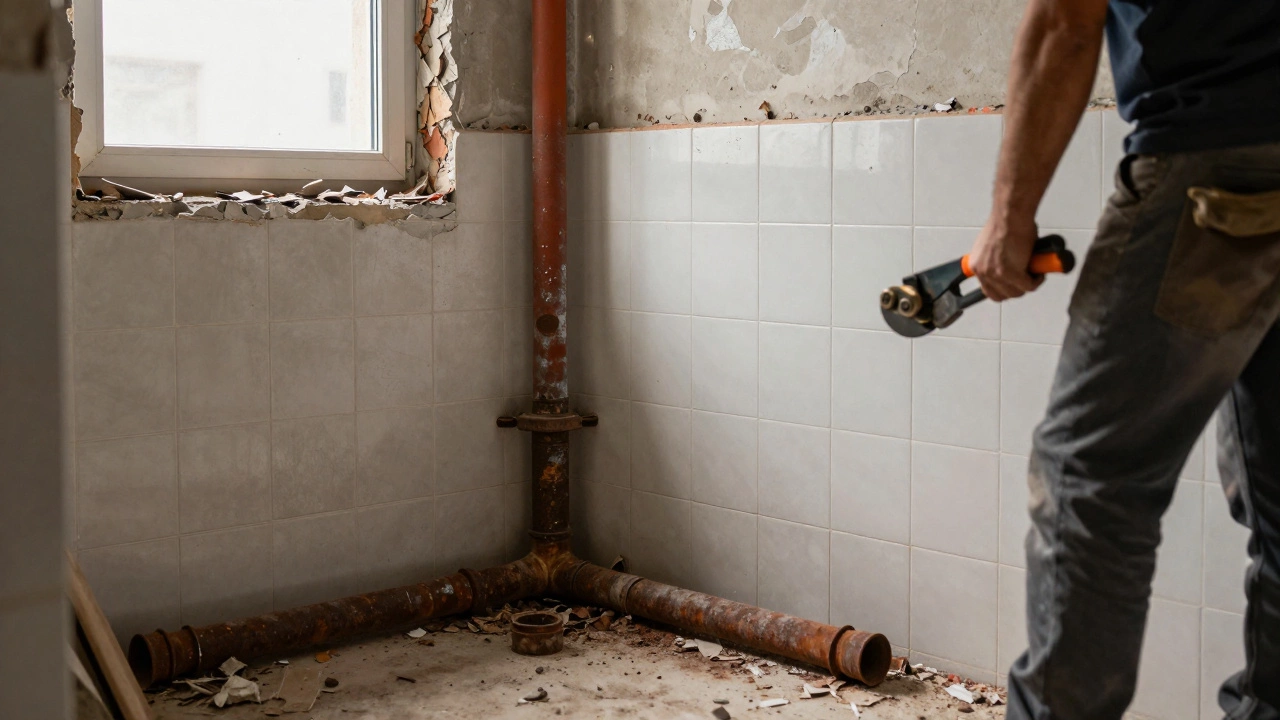
Every bathroom renovation runs into plumbing issues. It doesn’t matter if you’re updating a 1990s bathroom or gutting a 1970s one. Pipes are old, misaligned, or installed with materials that no longer meet code. You’ll find cast iron drains crumbling when you remove the old vanity. Or you’ll discover that the main waste line runs directly under the shower pan-meaning you can’t move the toilet without tearing out the floor below.
One job in Portland last year started as a simple retiling. By day three, we had to reroute the entire sewer line because the original pipe was made of Orangeburg-a tar-paper material that disintegrates after 30 years. That single change added $8,200 to the budget and pushed the timeline from two weeks to six. No one tells you this upfront because plumbers don’t know what’s behind the wall until they cut into it.
Waterproofing Is Non-Negotiable (But Almost Always Done Wrong)
Water damage is the #1 reason bathrooms fail after renovation. And it’s almost always because waterproofing was skipped, rushed, or done with the wrong materials.
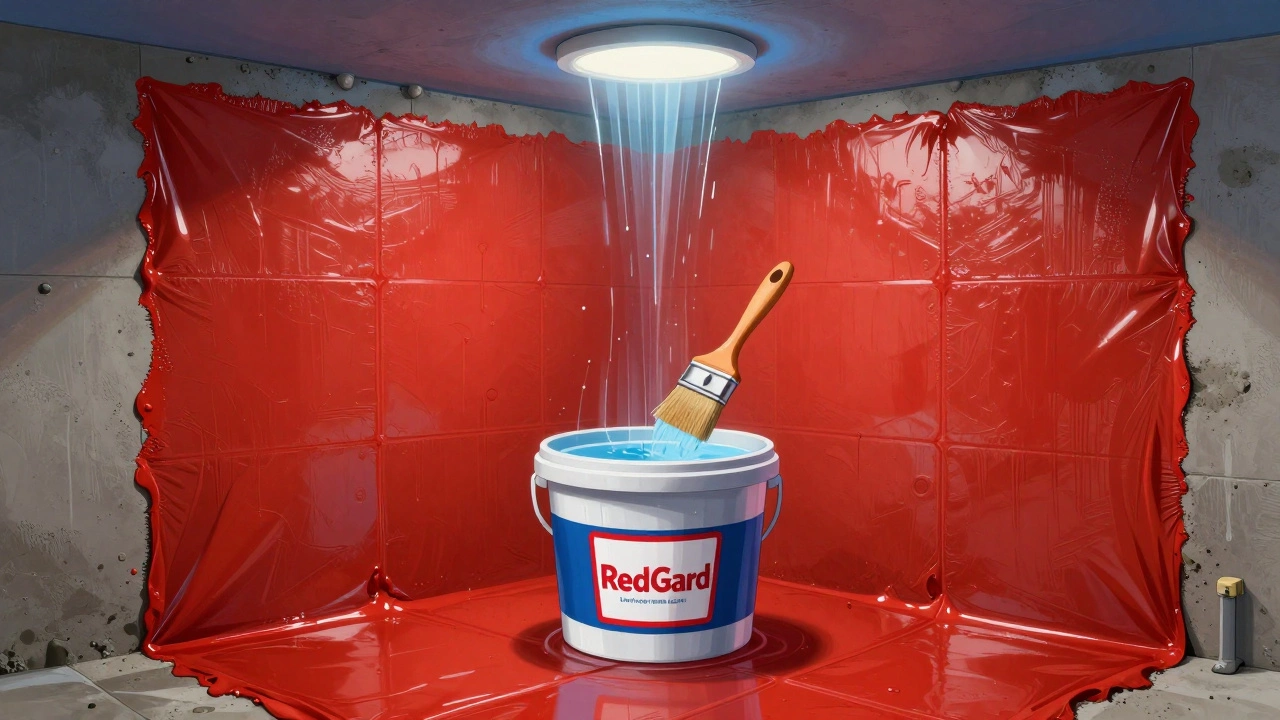
Homeowners often think a good coat of caulk around the tub is enough. It’s not. Proper waterproofing means a liquid membrane or sheet membrane applied over the entire shower floor and walls up to 72 inches. It means sloping the shower pan toward the drain at 1/4 inch per foot. It means testing the pan with a water test before tiling-filling it with water for 24 hours and checking the ceiling below.
I’ve seen too many bathrooms with beautiful tiles and cracked grout because the membrane was applied over drywall instead of cement board. Or worse-over plywood. Water seeps in, rot spreads behind the walls, and by the time you smell the mildew, the studs are gone. Fixing that costs three times what the original renovation did.
Layout Changes Are the Biggest Surprise
Everyone wants to move the toilet. Or make the shower bigger. Or put the vanity where the laundry chute used to be. But every move has a domino effect.
Moving the toilet means you’re now 18 inches from the waste stack instead of 12. That might sound small, but it means you need a new drain slope, possibly a new vent line, and maybe even a pump if the pipe runs uphill. Moving the shower? You might be blocking a load-bearing wall or cutting into a joist that supports the floor above. You can’t just shift a fixture and call it done.
One client in Austin wanted a double vanity and a walk-in shower. The original bathroom was 5x7 feet. We had to take 18 inches from the adjacent bedroom closet just to fit the plumbing. That meant rewiring the bedroom light, moving a vent duct, and patching drywall in two rooms. The project went from $18,000 to $32,000 because the layout change wasn’t mapped to the structure.
Tile Installation Is Overrated (But Still Tricky)
People stress about matching grout lines or choosing the perfect porcelain. But tile isn’t the hardest part-it’s the most visible when it’s done wrong.
The real issue is substrate prep. Tiles need a flat, stable surface. If the subfloor has even a 1/8-inch dip, the tile will crack over time. If you’re tiling over old vinyl, you need to remove it entirely-adhesive residue creates weak bonds. And if you’re tiling a shower floor, you can’t just lay tile on thinset. You need a mortar bed with a waterproof liner underneath.
I’ve pulled up tiles after six months because the installer used premixed thinset on a wooden subfloor. The wood expanded with humidity. The tile popped. Replacing it cost $4,000. The fix? A cement board underlayment, a moisture barrier, and a proper mortar bed. It takes longer. It costs more. But it lasts.
Budget Overruns Are Inevitable-But Avoidable
Most bathroom renovations go 15-30% over budget. Why? Because people don’t plan for the hidden stuff.
You budget for fixtures, tile, labor. But you don’t budget for:
- Replacing 20-year-old copper pipes that leak when moved
- Installing a new exhaust fan because the old one doesn’t meet current code
- Adding a GFCI outlet where none existed
- Removing asbestos tiles from the 1980s (yes, they’re still out there)
- Reframing a wall to fit a new door
The fix? Get a structural inspection before you sign a contract. Ask your contractor for a contingency line of at least 20% of your total budget. And never skip the demolition phase-see what’s behind the walls before you commit to any design.
Permits and Inspections Are the Hidden Timeline Killers
Many homeowners skip permits to save time and money. Big mistake.
Without a permit, you can’t legally sell your home. An inspector will catch unpermitted work during a home inspection. And if there’s a leak or flood, your insurance won’t cover it.
Permitting delays are common. Some cities take 3-4 weeks just to approve plumbing plans. Inspections can be booked weeks out. One job in Seattle was delayed 11 days because the inspector was on vacation. That’s 11 days of laborers sitting idle, storage fees piling up, and your family living in a construction zone.
Plan for delays. Apply for permits the moment you sign the contract. Don’t wait until the demo is done.
What Actually Makes a Bathroom Renovation Successful?
The hardest part isn’t the tile, the tub, or the color scheme. It’s managing the invisible work-the plumbing, the structure, the code, the moisture control. The things you can’t Google.
Here’s what works:
- Start with a full inspection-get a plumber and a structural inspector to look behind the walls before you pick a faucet.
- Build a 20% contingency into your budget. Use it for surprises, not upgrades.
- Never skip waterproofing. Use a liquid membrane like RedGard or a sheet membrane like Schluter-Ditra.
- Use cement board, not drywall, in wet areas.
- Apply for permits before you break ground.
- Choose a contractor who’s done at least 15 bathroom renovations in the last two years-not just a handyman who does "a little of everything."
If you do those six things, you’ll avoid the three most common disasters: mold behind the walls, cracked tiles, and a $10,000 surprise bill.
Is it cheaper to remodel a bathroom or build a new one?
Remodeling is almost always cheaper than building new-unless you’re adding square footage. A full bathroom remodel averages $15,000-$30,000. Building a new bathroom from scratch, including framing, plumbing, electrical, and finishing, starts at $40,000. But if your existing walls are rotting or your plumbing is outdated, remodeling can quickly approach new-build costs. The key is knowing what’s behind the walls before you start.
How long does a bathroom renovation really take?
A simple update-new vanity, faucet, and tile-takes 5 to 7 days. A full gut renovation with plumbing changes, new layout, and custom shower? Plan for 6 to 10 weeks. The biggest delays come from permit approvals, inspection backlogs, and waiting for custom fixtures. Don’t expect a 2-week turnaround unless you’re only swapping out fixtures and painting.
Should I replace the bathtub or just refinish it?
Refinishing works if the tub is structurally sound and you’re happy with the shape. But it’s a temporary fix-lasts 5 to 8 years, then chips and stains return. If you’re doing a full renovation, replacing the tub with a modern acrylic or fiberglass unit is better. New tubs are lighter, easier to install, and come with better warranties. Refinishing only makes sense if you’re on a tight budget and plan to move in under 5 years.
Can I do a bathroom renovation myself?
You can handle demolition, painting, and installing a new vanity. But anything involving plumbing, electrical, waterproofing, or structural changes should be left to pros. One mistake in the shower pan or drain slope can lead to thousands in water damage. Even experienced DIYers underestimate the complexity of moisture control. If you’re not certified in waterproofing systems, don’t risk it.
What’s the most cost-effective way to update a bathroom?
Replace the vanity, faucet, lighting, and mirror. Swap out the toilet with a water-efficient model. Paint the walls. Re-caulk the tub and shower. That’s under $5,000 and gives you a fresh look without touching plumbing or structure. It’s the best ROI for a quick refresh.