Builder vs Construction Company Cost Calculator
Estimate Your Project Costs
Choose your project details to see how costs and risks compare
Project Cost Comparison
Builder Option
Planning applications, building control fees, waste removal, contingency for delays
Construction Company
Recommendation
When you’re planning a new home or a big renovation, you’ll hear two terms thrown around: builder and construction company. At first glance, they sound the same. But they’re not. Choosing the wrong one can cost you time, money, and peace of mind.
What a Builder Actually Does
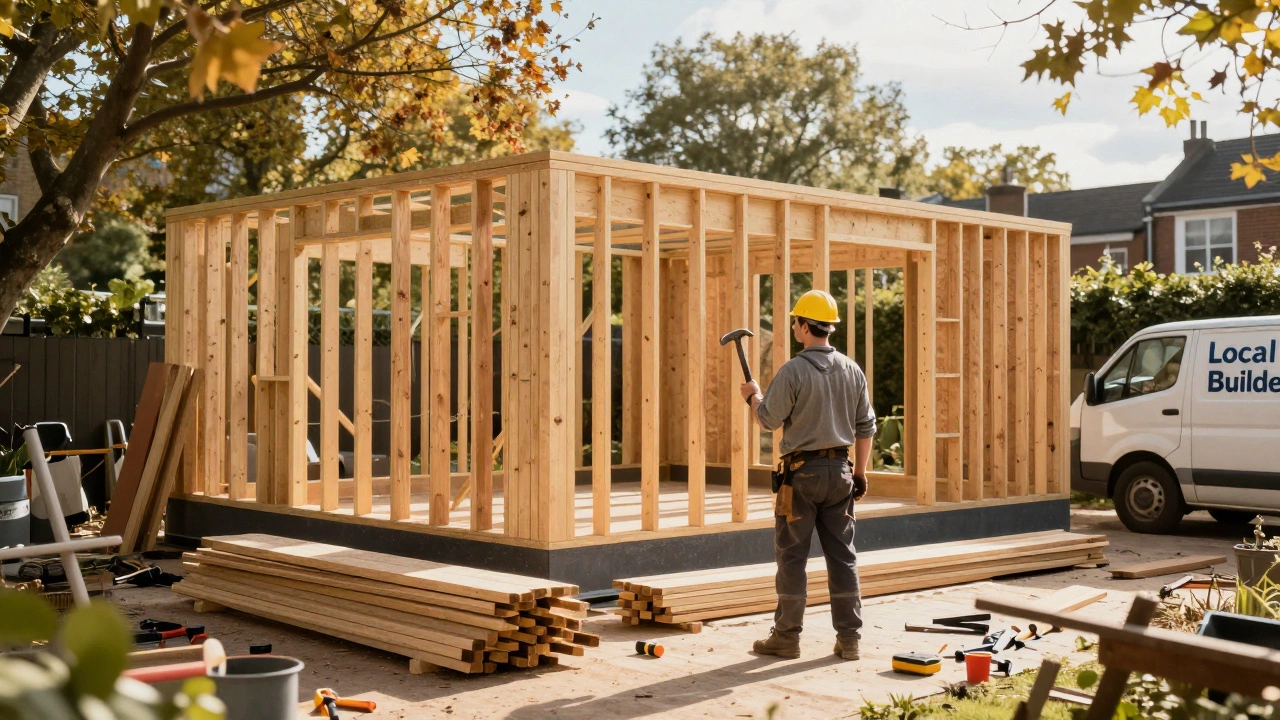
A builder is usually a single person or a small team that handles the day-to-day work of putting up a house. Think of them as the hands-on expert who shows up with tools, nails, and a truck full of lumber. They often work directly with homeowners on custom builds or smaller renovations. In the UK, many builders operate as sole traders or small partnerships. They might have a few trusted subcontractors - an electrician here, a plumber there - but they’re the ones managing the schedule, ordering materials, and making sure the roof doesn’t leak. You’ll often find them through word of mouth, local Facebook groups, or ads on Gumtree. Builders are great if you want a personal touch. You talk to the same person every day. They’ll adjust the plan on the fly if you change your mind about the kitchen layout. But that flexibility comes with risks. If they get sick, or if they take on too many jobs, your project could stall for weeks.What a Construction Company Does
A construction company is a formal business with structure. They have offices, employees, HR departments, and often a dedicated project manager for each job. They don’t just hammer nails - they handle permits, insurance, compliance, and coordination across multiple trades. In London, most construction companies specialize in either residential or commercial work. A residential construction company might manage five or six homes at once, each with its own team of supervisors. They use software to track progress, schedule inspections, and communicate with clients through portals or weekly updates. They’re more expensive than a solo builder - but you’re paying for reliability. If something goes wrong, there’s a chain of command. You don’t have to chase down the owner; you call your project manager. They carry public liability insurance, building warranties, and often work with banks for mortgage-linked projects.Scope of Work: One Job vs. Full Project
A builder typically takes on one type of job: building a single-family home, adding a conservatory, or knocking through a wall. They’re focused on execution, not planning. A construction company handles the whole lifecycle. They might start with architectural drawings, get planning permission, manage structural engineers, coordinate with the local council, and even help you choose finishes. They don’t just build - they lead. For example, if you’re building a new house on a tricky London plot with narrow access and listed building restrictions, you need a construction company. A builder might not know how to navigate the planning system or handle the structural reinforcements needed for a basement extension.Team Size and Subcontractors
A builder usually works alone or with one or two assistants. They hire subcontractors as needed - but you’re often left to verify their credentials. Did the electrician have the right certification? Was the plumber insured? You might not know until something breaks. A construction company employs its own supervisors and has a pre-vetted network of tradespeople. They don’t just pick the cheapest electrician - they pick the one who’s been on 20 jobs with them and has zero complaints. Their reputation depends on it. You also get accountability. If the tiling cracks six months later, a construction company will send someone back. A builder might be hard to reach - or worse, gone.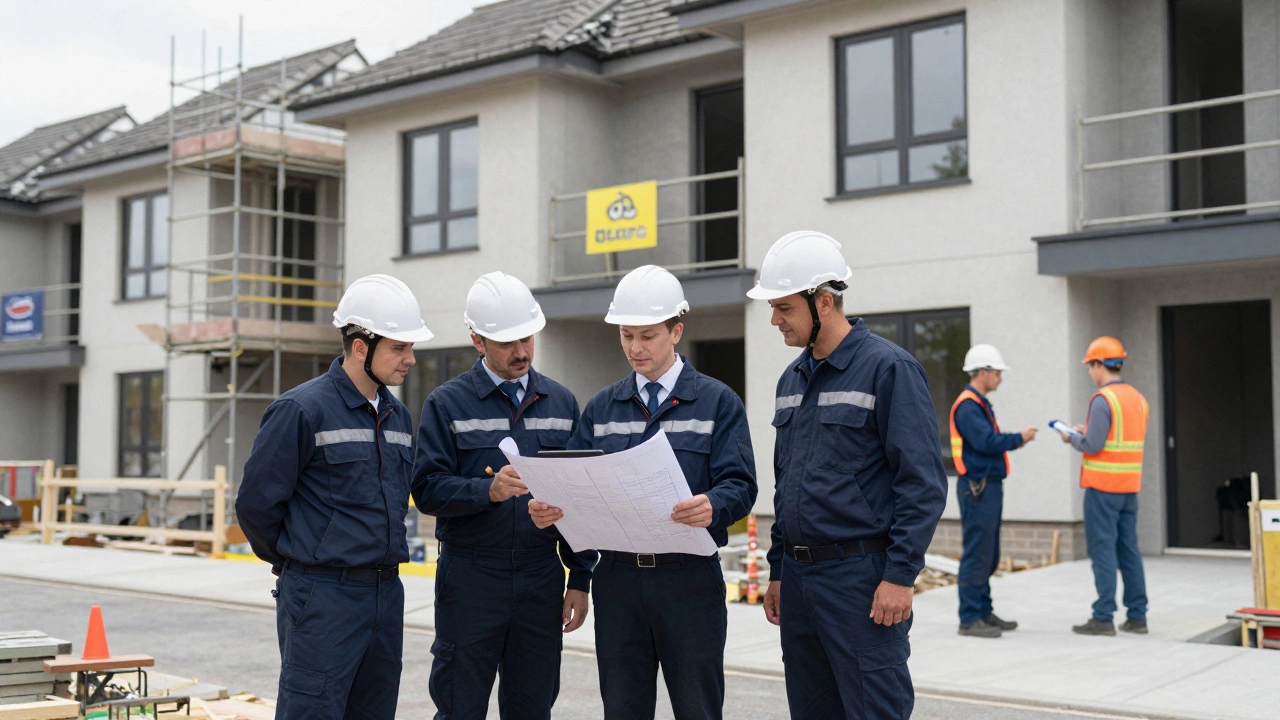
Cost: Upfront Price vs. Hidden Risks
A builder often gives you a lower upfront quote. That’s tempting. But look closer. Their quote might not include:- Planning application fees
- Building control inspections
- Waste removal
- Contingency for delays
When to Choose a Builder
Go with a builder if:- You’re doing a small project - a loft conversion, a kitchen update, or a single-room extension
- You want to be hands-on and make quick decisions
- You have a trusted recommendation from a friend or neighbour
- You’re on a tight budget and can manage paperwork yourself
When to Choose a Construction Company
Choose a construction company if:- You’re building a new home from scratch
- You’re doing a major renovation with structural changes
- You need planning permission or listed building consent
- You want a warranty that covers defects for 10 years
- You don’t have time to manage trades or chase updates

The Bottom Line
A builder is like a skilled mechanic who fixes your car in their garage. A construction company is like a dealership that handles everything - from buying the car to registering it, insuring it, and servicing it for years. If you’re just patching up your home, a builder might be perfect. But if you’re building your future - your dream house, your long-term investment - go with the company. The extra cost isn’t a burden. It’s insurance. Against delays. Against mistakes. Against stress.What to Ask Before Hiring
No matter who you pick, ask these five questions:- Can you show me proof of public liability and employer’s insurance?
- Do you handle planning applications and building control approvals?
- What’s your process if something goes wrong after completion?
- Can I see three recent projects similar to mine?
- Do you use a written contract with payment milestones?
Real Example: A London Homeowner’s Choice
In 2024, a couple in Southwark wanted to extend their Victorian terraced house. They got two quotes:- A local builder offered £85,000. Said he’d do it in 12 weeks.
- A construction company quoted £110,000. Said it would take 18 weeks.
Final Thought
It’s not about being cheap. It’s about being smart. The difference between a builder and a construction company isn’t just size - it’s responsibility. One is a tradesperson. The other is a project partner. Choose based on what you’re building - not just how much you want to spend.Can a builder do the same job as a construction company?
A builder can handle small, straightforward jobs like a kitchen extension or a loft conversion - if they’re experienced and properly insured. But for anything involving structural changes, planning permission, or multiple trades over several months, a construction company is better equipped. Builders rarely have the systems, insurance, or team to manage complex projects safely and legally.
Is a construction company always more expensive?
Yes, upfront - but not always in the long run. Builders often give lower quotes because they leave out fees like planning applications, inspections, or waste disposal. When those costs add up - and when delays happen - you end up paying more. A construction company’s price includes everything, so there are fewer surprises. You’re paying for predictability.
Do I need a contract with a builder?
Absolutely. Even if you’re working with a friend or a local tradesperson, get everything in writing. The contract should include: start and end dates, total cost, payment schedule, materials list, and what happens if work is delayed or defective. Without it, you have no legal protection.
What certifications should I look for?
Look for membership in the Federation of Master Builders (FMB) or TrustMark certification. These mean the company follows industry standards, carries insurance, and has been vetted. For construction companies, check if they’re registered with the Construction Industry Scheme (CIS). Builders should have public liability insurance of at least £2 million.
Can I switch from a builder to a construction company mid-project?
You can, but it’s messy and expensive. You’ll need to pay the original builder for work done, then hire a new company to assess the site, fix any issues, and restart the project. Most construction companies won’t take on a half-finished job unless it’s structurally sound and fully documented. It’s better to choose right from the start.