Modular Home Cost Calculator
Estimate Your Home Costs
Cost Comparison
Based on UK construction costs for 2026
Why This Matters
Modular construction saves you time, labor, and money. With 30-40% less cost than traditional building, you can save £60,000-£90,000 on a 1,500 sq ft home. The factory-controlled process reduces waste, eliminates weather delays, and improves quality control.
Building a new home doesn’t have to cost six figures. If you’re looking to cut costs without sacrificing safety or comfort, the cheapest building method right now isn’t what you might think. It’s not stick-built, not concrete block, and definitely not custom-designed luxury. The real savings come from systems that are planned, factory-made, and assembled fast. In 2026, the cheapest way to build a new home is modular construction.
Why modular beats traditional building
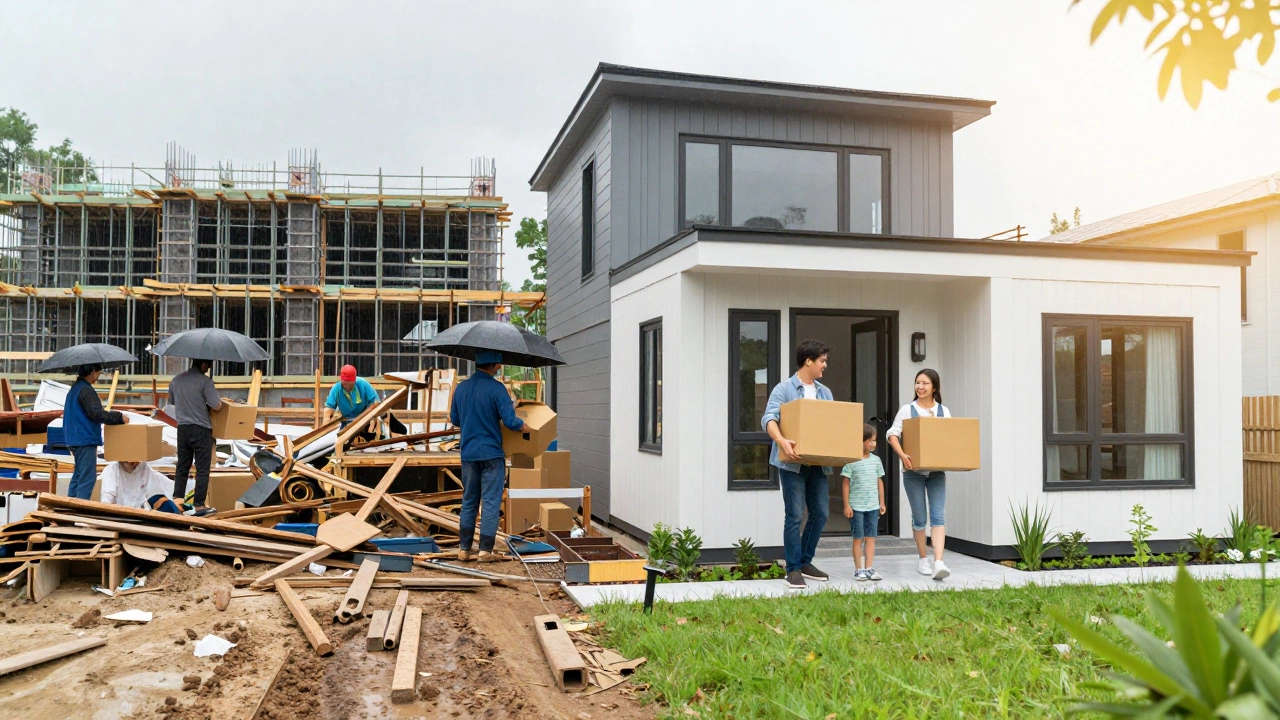
Traditional site-built homes take months. You hire a crew, wait for permits, deal with weather delays, and pay for labor every single day. Materials sit on-site, get damaged, or go up in price. By the time you’re done, you’ve paid for a lot of waiting.
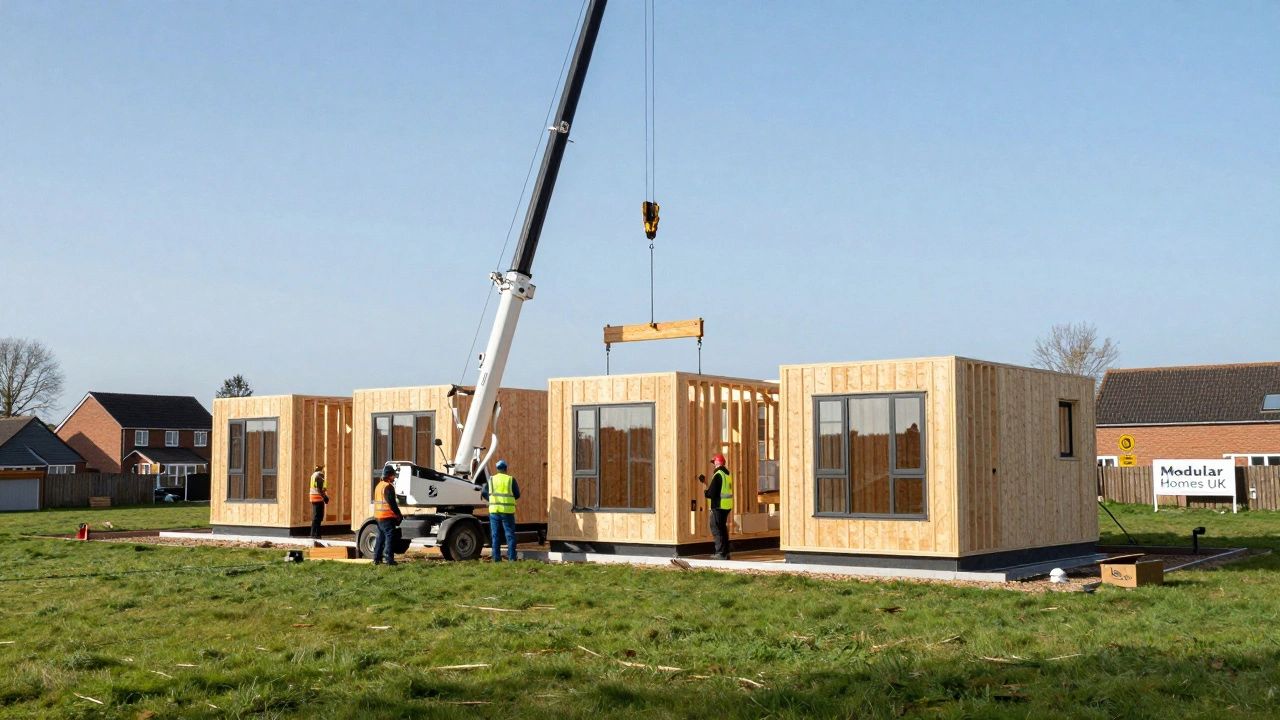
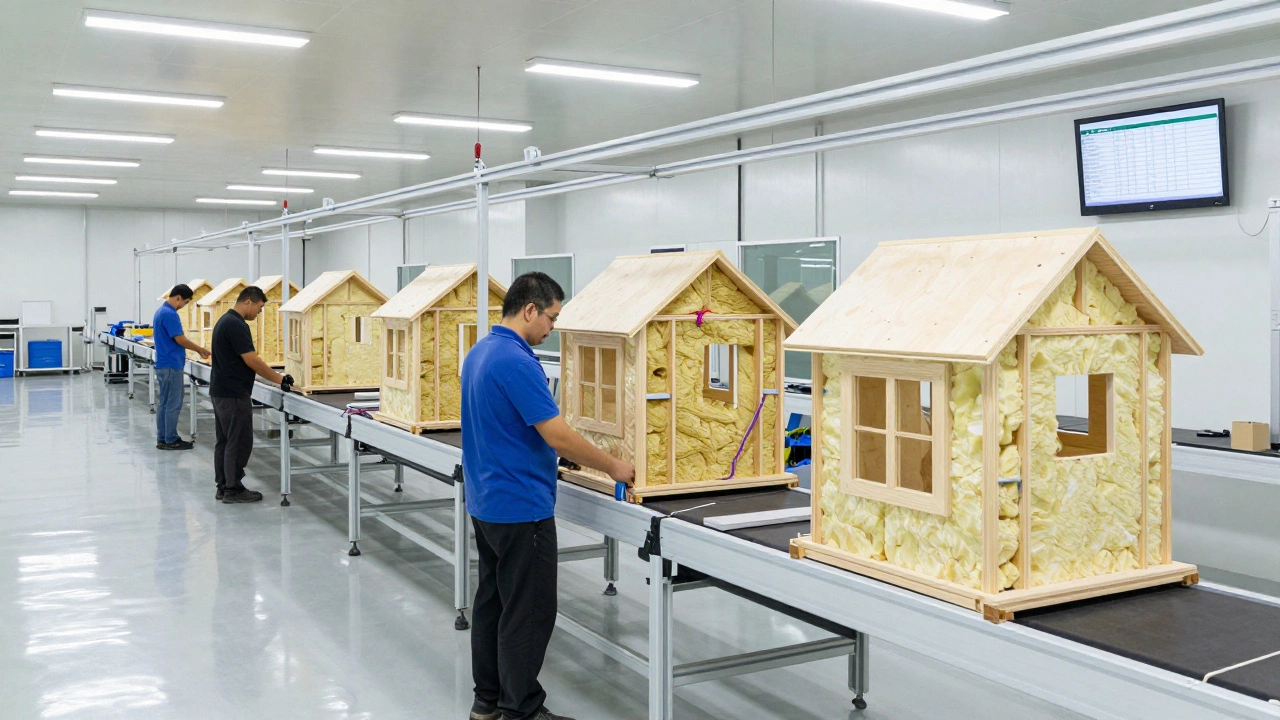
Modular homes are built in sections-like giant LEGO pieces-in a controlled factory. The same materials are used: wood framing, insulation, drywall, windows, even plumbing and wiring. But instead of being built in the rain or snow, they’re built on a production line. That means less waste, fewer mistakes, and no idle workers.
One builder in Lincolnshire told me his team built a 1,800-square-foot three-bedroom home in 14 days on-site after the modules arrived. The whole project-from foundation to move-in-took 11 weeks. A comparable stick-built home would’ve taken 6 to 8 months. That’s not just faster. It’s cheaper. Labor costs dropped by nearly 40%.
How much cheaper is it?
Let’s break it down with real numbers from 2025 data. In the UK, the average cost per square foot for a stick-built home is £180-£220. For modular, it’s £110-£150. That’s a 30-40% difference. For a 1,500 sq ft home, that’s £60,000-£90,000 saved.
Here’s what that looks like in practice:
- Stick-built 3-bed home: £270,000-£330,000
- Modular 3-bed home: £165,000-£225,000
That gap doesn’t just come from labor. Factories buy materials in bulk-steel, insulation, windows, doors-and get discounts you won’t get as a homeowner hiring a contractor. They also recycle scrap. One factory in Nottingham sends zero wood waste to landfill. That saves money and cuts environmental costs.
What about prefab and panelized homes?
You’ve probably heard of prefab homes. That’s a broad term. Modular is a type of prefab, but not all prefab is modular. Here’s the difference:
- Modular: Entire rooms or sections are built as complete units (walls, floors, ceilings, fixtures) and shipped to site. Often built to the same building codes as site-built homes.
- Panelized: Walls, floors, and roof trusses are pre-cut and shipped flat. You still assemble them on-site like a giant puzzle. Cheaper than stick-built, but not as fast or efficient as modular.
- Manufactured homes: Built on a permanent chassis, often on wheels. These are regulated differently and usually cheaper-but they’re not always allowed in all areas and can’t always be financed like regular homes.
For true cost savings and resale value, modular wins. You get a home that looks and feels like a traditional house, but with better quality control and lower overall cost.
What about timber frame construction?
Some people think timber frame is the cheapest. It’s not. While timber frame uses less material than brick and block, it’s still built on-site. You still need skilled carpenters, long lead times, and weather delays. A timber frame kit might save you £15,000-£25,000 compared to brick, but it still costs £160-£200 per sq ft. That’s higher than modular.
Timber frame is beautiful and sustainable, but it’s not the cheapest. It’s the premium option for eco-builders who want exposed beams and a rustic look. If your goal is pure cost savings, skip the timber frame and go modular.
What about using recycled or reclaimed materials?
Reclaimed bricks, salvaged timber, and second-hand windows sound like a great way to save money. And they can be-but they’re risky.
One couple in Bristol spent 18 months sourcing reclaimed materials. They saved £20,000 on materials but paid £35,000 extra in labor because everything took longer to fit. They had to modify designs on the fly. One window didn’t fit the opening. One beam was warped. They ended up spending more than if they’d bought new.
Modular builders use new, standardized materials. Everything fits. Everything is tested. That’s why they’re faster and cheaper. Reclaimed materials are great for accents-like a feature wall or a vintage door-but don’t try to build your whole house from them unless you’ve got time, patience, and a skilled team who’s done it before.
What’s the catch?
Modular isn’t magic. There are limits.
- You need a clear, level foundation. No steep slopes. No muddy fields.
- Delivery access matters. Big modules need wide roads and space for cranes.
- Design flexibility is limited compared to custom builds. You can’t have a 20-foot curved ceiling in a standard module.
- Some lenders are still wary. Not all mortgage providers treat modular homes the same as site-built ones.
But those aren’t deal-breakers. Most modular companies now offer design packages with 10-20 layout options. Foundations are straightforward. And more lenders are catching up-banks like Nationwide and Halifax now have specific modular home mortgages.
Who should choose modular?
Modular is perfect if you:
- Want to move in fast
- Have a tight budget but still want a quality home
- Don’t want to deal with daily construction chaos
- Live in an area with good road access
- Want a home that holds its value
It’s not ideal if you’re chasing a one-of-a-kind architectural masterpiece. But if you just want a safe, comfortable, modern home that doesn’t break the bank? Modular is the smartest choice in 2026.
How to get started
Start by researching UK-based modular builders. Look for ones that are members of the Prefabricated Building Association (PBA). They follow strict quality standards.
Get three quotes. Ask:
- What’s included in the price? (Foundation? Utilities? Landscaping?)
- Can I customize the layout?
- What’s the warranty?
- Do you handle permits and inspections?
Most good modular builders will send you a 3D walkthrough before you sign anything. That’s how you know you’re getting what you expect.
Final thought: It’s not about cutting corners-it’s about cutting waste
The cheapest building method isn’t the one that uses the least materials. It’s the one that wastes the least time, labor, and money. Modular construction does that better than any other method today. It’s not new. It’s just getting better. And in 2026, it’s the most practical way to build a new home without going broke.
Is modular home construction legal in the UK?
Yes, modular homes are fully legal in the UK. They must meet the same Building Regulations (Part L for energy, Part B for fire safety, etc.) as site-built homes. Many are even built to higher standards because factories have stricter quality control. Local councils approve them the same way-they just inspect the foundation and final assembly.
Can you get a mortgage for a modular home?
Absolutely. Major UK lenders like Barclays, Santander, and Nationwide offer mortgages for modular homes, as long as they meet Building Regulations and are fixed to a permanent foundation. Some lenders even offer better rates because modular homes are less likely to have construction defects.
Do modular homes last as long as traditional homes?
Yes. Modular homes are built with the same materials and often stronger connections because they’re designed to be transported. Many modular homes built in the 1980s are still standing today. With proper maintenance, a modular home should last 50-100 years-just like a stick-built home.
Are modular homes more energy efficient?
Typically, yes. Factory-built homes have tighter seals, better insulation, and fewer air leaks because they’re assembled in a controlled environment. Many modular builders now include A-rated windows, underfloor heating, and solar-ready roofs as standard. That means lower bills and better EPC ratings.
Can I add an extension to a modular home later?
Yes. Modular homes are built to standard structural codes, so adding an extension is no different than adding one to a traditional home. Just make sure the foundation and framing can support the new load. Many modular companies offer expansion packages designed to match the original build.