
Architectural Service Cost Calculator
Calculate Your Architectural Fees
Architectural services typically range from 8-15% of your total construction budget. This calculator helps you understand the investment needed for a complete architectural service.
Estimated Architectural Fees
Full ServiceWhen people think of hiring an architect, they often picture blueprints and fancy sketches. But a full architectural service is way more than that. It’s a complete end-to-end process that turns your idea of a space into a real, buildable, legal, and beautiful structure. Whether you’re building a new home, renovating an old one, or launching a small commercial project, understanding what a full architectural service includes can save you time, money, and stress.
What’s Included in a Full Architectural Service?
A full architectural service isn’t a checklist of tasks-it’s a workflow that moves with your project. It starts long before the first brick is laid and doesn’t end when the keys are handed over. Most firms break this down into six standard stages, following the RIBA Plan of Work (used widely in the UK and adopted globally).
- Stage 1: Strategic Definition - This is where you and the architect sit down and figure out what you actually need. Not just "I want a bigger kitchen," but "I need a kitchen that can handle weekly dinner parties, has space for a home office nook, and connects to the garden." The architect helps you clarify goals, set a realistic budget, and identify constraints like planning rules or site limitations.
- Stage 2: Preparation and Brief - The architect turns your ideas into a formal project brief. This document becomes the rulebook for the whole project. It includes room sizes, materials you prefer, accessibility needs, sustainability targets, and even how you want to use the space seasonally. This stage prevents costly changes later.
- Stage 3: Concept Design - Here, the architect creates the first visual ideas. These aren’t final drawings-they’re sketches, 3D models, and mood boards. You’ll see how light flows through rooms, how the building sits on the land, and how it relates to neighbors. This is your chance to say "yes" or "no" before spending thousands on detailed plans.
- Stage 4: Developed Design - Once you approve the concept, the architect digs into the details. Window types, insulation levels, structural beams, plumbing routes-all get locked in. They coordinate with structural engineers, MEP (mechanical, electrical, plumbing) consultants, and sustainability specialists to make sure everything works together. This stage produces the technical drawings used for planning permission.
- Stage 5: Construction Documentation - This is where the drawings become legally binding. Every nail, wire, and tile gets specified. These documents are what builders use to quote and build. They include precise dimensions, material grades, and construction methods. Without this, you’re leaving your project to guesswork.
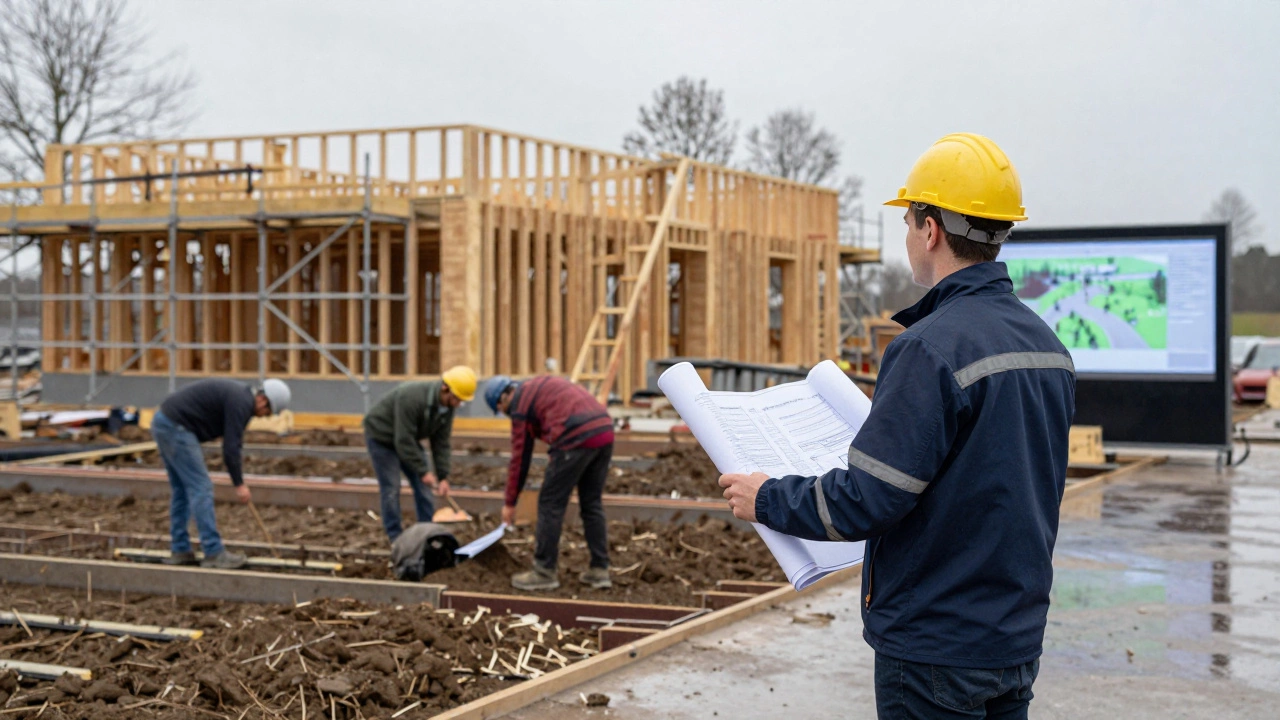
- Stage 6: Construction - The architect doesn’t disappear once the builder starts. They visit the site regularly-weekly during key phases-to make sure the work matches the plans. They review contractor submissions, answer questions, and resolve issues like a wall being built in the wrong place. They also help manage variations and sign off on payments.
Why You Can’t Skip Any Part of It
Some people try to cut costs by hiring a draftsman for drawings and handling the rest themselves. Others hire a builder who claims they can "do the architecture." But this almost always leads to problems.
Here’s what happens when you skip stages:
- Skip Strategic Definition? You end up with a house that doesn’t fit your life. A 4-bedroom home for a couple who rarely have guests. A kitchen that looks great but has no storage.
- Skip Developed Design? You get planning refusal because the design doesn’t meet local height or setback rules. Or worse-you get approved, then realize the roof slope will cause water to pool.
- Skip Construction Documentation? Builders give wildly different quotes because no one knows what’s required. You pay more in change orders than you saved upfront.
- Skip Construction Phase? Mistakes go unnoticed. A plumber installs pipes that conflict with structural beams. Insulation is stuffed in wrong. The builder uses cheaper materials than specified. You don’t find out until you’re living with it.
A full architectural service acts as your insurance policy. It’s not about luxury-it’s about avoiding disasters.
Who Needs a Full Architectural Service?
You might think this is only for big projects or wealthy clients. But that’s not true.
Here’s who benefits most:
- Homeowners doing major renovations - Especially if you’re adding a second story, knocking down load-bearing walls, or extending into the garden. Planning rules are strict, and structural changes need expert input.
- First-time developers - If you’re buying a plot and building from scratch, you’re navigating a minefield of permits, fees, and technical requirements. An architect guides you through it.
- Property investors - A well-designed rental property isn’t just about looks. It’s about maximizing space, minimizing maintenance, and meeting tenant expectations. Architects help you build for return, not just aesthetics.
- Owners of listed or historic buildings - Altering these requires special permissions. Only architects experienced in heritage work know how to balance modern needs with legal protections.
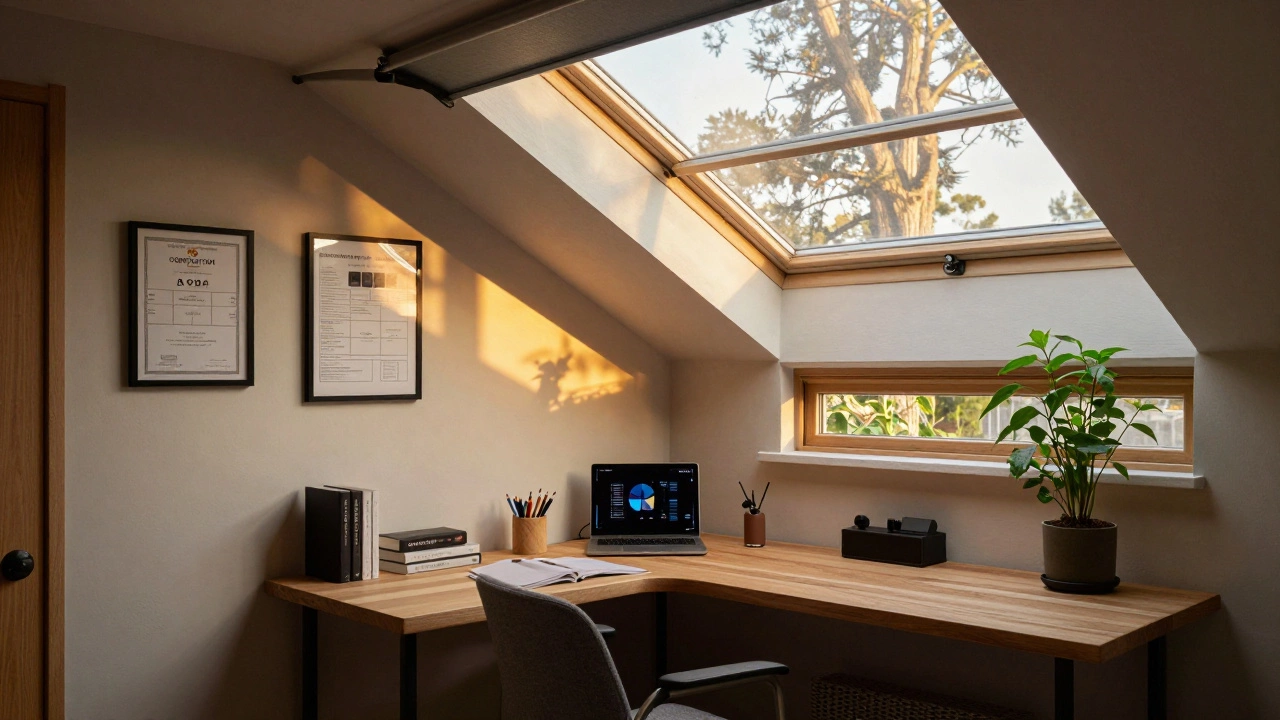
Even if your project seems small-like converting a garage into a home office-a full service ensures it’s done right. One client in South London turned a 20m² garage into a quiet workspace with underfloor heating, acoustic insulation, and a skylight. The architect handled everything from planning permission to final sign-off. The project cost £45,000 but added £70,000 to the home’s value.
How Much Does It Cost?
Costs vary by project size, location, and complexity. In London, fees for a full architectural service typically range from 8% to 15% of the total construction budget.
For a £250,000 home extension:
- Architect fee: £20,000-£37,500
- What you get: Full design, planning application, construction drawings, site visits, and contractor coordination
Some firms charge hourly, others fixed fees. Always ask for a written fee schedule. Avoid firms that offer "free initial consultations" if they push you into expensive add-ons later.
Remember: the cheapest architect isn’t always the best. The most expensive isn’t always the right fit. Look for someone who listens, explains clearly, and has experience with projects like yours.
What to Look for in an Architect
Not all architects are the same. Here’s what to check:
- Registration - Make sure they’re registered with the Architects Registration Board (ARB) in the UK. You can verify this online.
- Experience - Ask for three recent projects similar to yours. Visit them if you can.
- Communication - Do they reply within 48 hours? Do they explain things in plain language?
- Team - Will you be working directly with the lead architect, or handed off to a junior? Ask who will be on-site.
- Software - Modern architects use BIM (Building Information Modeling). This creates a 3D digital twin of your project. It catches clashes between systems before construction starts.
Ask for references. Don’t just take their word for it. Call past clients and ask: "Did the architect help you avoid surprises? Were they responsive when issues came up? Would you hire them again?"
What Happens After Construction?
Many people think the architect’s job ends when the builder leaves. But a full service often includes a post-construction review.
This might include:
- A walkthrough with you to note any snags or defects
- Helping you get a completion certificate from the local authority
- Providing operation manuals for systems like heating, ventilation, or smart home tech
- Advising on maintenance schedules
These final steps matter. A poorly installed window can leak in six months. A boiler not properly commissioned can waste 30% more energy. An architect ensures your investment lasts.
Common Myths About Full Architectural Services
Let’s clear up a few misunderstandings:
- Myth: "I don’t need an architect if I have a good builder."
Truth: Builders are experts in construction-not design. They follow plans. They don’t create them. Without a clear design, even the best builder can’t fix a bad layout.
- Myth: "Architects just make things look pretty."
Truth: Aesthetics are part of it, but 80% of an architect’s work is solving problems: drainage, sunlight, ventilation, structural loads, fire safety, accessibility.
- Myth: "It’s too expensive for a small project."
Truth: Small projects often need more attention. A £15,000 bathroom renovation can still need structural changes, waterproofing details, and planning approval. An architect prevents costly mistakes that cost ten times more to fix.
Final Thoughts
A full architectural service isn’t a luxury. It’s a smart investment. It’s the difference between a house that works for you and one that fights you every day. It’s the reason some homes last 50 years with minimal issues, while others need major repairs after five.
If you’re thinking about building or renovating, don’t wait until you’re stuck with a bad design. Talk to an architect early-even if you’re just exploring ideas. The best architects don’t just build buildings. They build better lives.
Is a full architectural service only for new builds?
No. Full architectural services are just as valuable for renovations, extensions, and conversions. Whether you’re turning a garage into a studio, adding a second floor, or updating a listed building, an architect ensures the changes are structurally sound, legally compliant, and tailored to your needs.
Can I hire an architect for just the design phase?
Yes, many architects offer phased services. You can hire them only for concept design and planning drawings, then manage the build yourself. But this increases your risk. Without ongoing oversight during construction, mistakes are harder to catch and fix.
How long does a full architectural service take?
It depends on the project. A small extension might take 4-6 months from brief to construction start. Larger projects can take 12-18 months. Construction itself usually adds another 6-12 months. The architect’s role lasts the entire timeline.
Do I need to hire a separate structural engineer?
No. A full architectural service includes coordinating with structural engineers, surveyors, and other specialists. The architect manages them as part of the team. You don’t need to hire them separately unless you’re doing a highly unusual project.
What’s the difference between an architect and a designer?
Interior designers focus on finishes, furniture, and aesthetics. Architects handle the entire structure: layout, safety, structure, legal compliance, and construction. A designer can’t legally sign off on structural changes or planning applications. Architects can.
If you’re considering a project, start with a consultation-not a contractor. The right architect will help you see possibilities you didn’t know existed-and avoid the pitfalls you didn’t know were there.