Luxury Flooring Project Estimator
Room Dimensions & Specifications
Select Luxury Material
Installation Pattern
*Complex patterns like herringbone increase labor time by approximately 50%.
Total Estimated Budget
Includes materials, complex labor, and heating adjustments.
- Square Footage: 400 sq ft
- Material Tier: European White Oak
- Pattern Multiplier: x1.0
The Foundation of a Luxury Home
When you step into a mansion or a truly high-end apartment, the first thing that strikes you isn't always the chandelier. It's the floor. It anchors the space, absorbs light, and dictates how the room feels underfoot. Many homeowners assume "luxury" means expensive materials, but true luxury in flooring comes down to three things: rarity, longevity, and performance.
If you are planning a renovation or building a custom home in 2026, picking the wrong material can undermine millions of dollars in decor. Cheap finishes peel, stone gets porous, and engineered wood delaminates. To get it right, you need to understand what defines the top tier of residential construction.
Key Takeaways
- European White Oak remains the industry standard for neutral, timeless luxury looks.
- Natural Stone like Travertine and Limestone offers texture but requires significant sealing maintenance.
- Luxury Vinyl Plank (LVP) has evolved to mimic wood perfectly, offering water resistance without compromising aesthetics.
- Radiant Heating is now expected in over 70% of high-end projects, influencing material thickness choices.
- Bespoke Patterns like chevron and herringbone add architectural value beyond simple straight planks.
The Reign of Hardwood in 2026
Hardwood Flooring isn't going anywhere. Despite advancements in synthetic technology, real wood commands a psychological premium that mimics nothing else. However, the type of wood matters immensely in high-end circles. You rarely see pine or red oak in luxury listings anymore. They are too common, too prone to denting, and too variable in grain patterns.
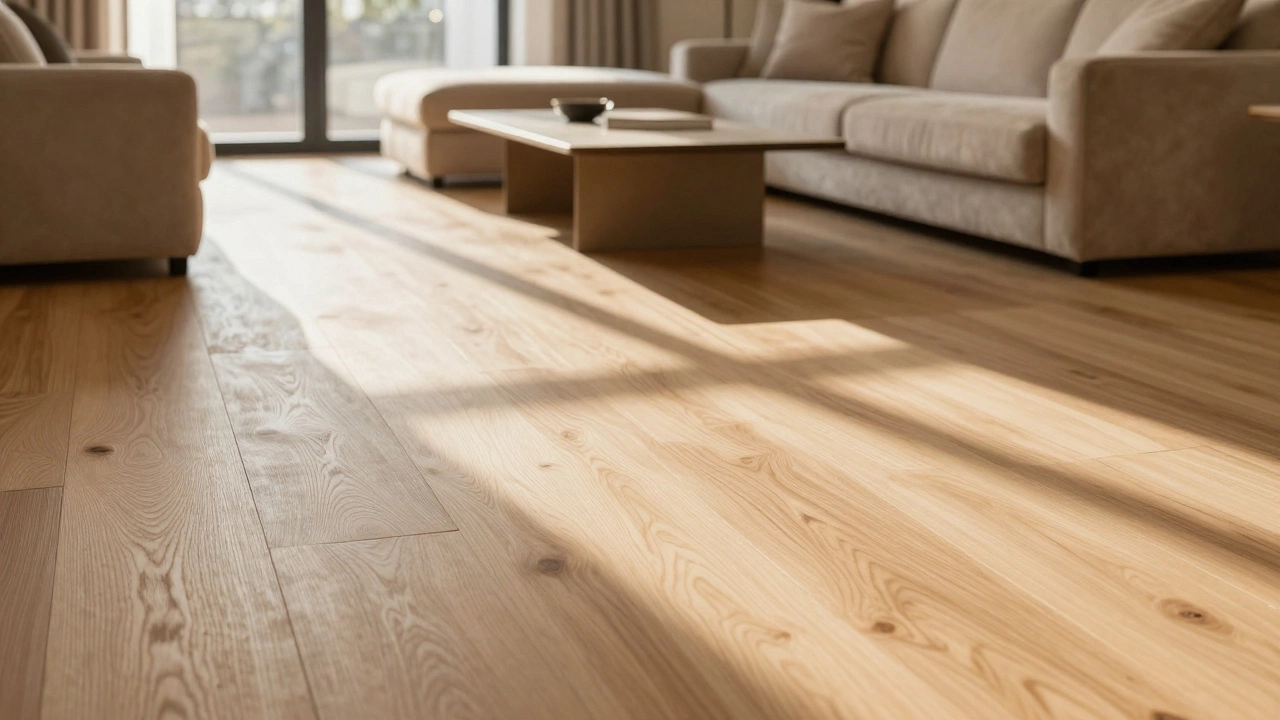
The heavyweight champion of luxury flooring is European White Oak. This species offers tight grain, pale tones, and exceptional stability against humidity changes compared to domestic American Oak. In 2026, the trend is wide-plank installations-boards measuring 8 to 10 inches wide rather than the standard 3 to 5 inches. This reduces seam count, creating a seamless visual flow that makes rooms appear larger.
If you crave warmth, Walnut Flooring provides rich, dark chocolate undertones. It is softer than oak, meaning it scratches easier, which adds character but requires more care. Another contender is Exotic Hardwoods such as Wenge or Blackheart Sando. These species come from sustainable plantations, avoiding tropical deforestation issues, yet provide unique textures and density ratings superior to standard domestic woods.
| Wood Type | Janka Hardness | Cost Range ($/sq ft) | Best For |
|---|---|---|---|
| European White Oak | 1,360 lbs | $8 - $15 | Main Living Areas, Modern Design |
| Black Walnut | 1,010 lbs | $12 - $22 | Bedrooms, Studies, Warmth |
| Hickory | 1,820 lbs | $9 - $16 | High-Traffic Entryways |
| White Ash | 1,320 lbs | $10 - $18 | Contemporary Spaces, Distressed Looks |
Stability is often overlooked. When buying solid wood, you must consider moisture content. In humid climates, Engineered Hardwood is the smarter choice. Unlike solid wood, engineered planks consist of layers cross-laid to prevent warping. Top-tier brands offer wear layers thick enough to be refinished multiple times, matching the lifespan of solid plank while resisting subfloor movement.
The Power of Natural Stone and Porcelain
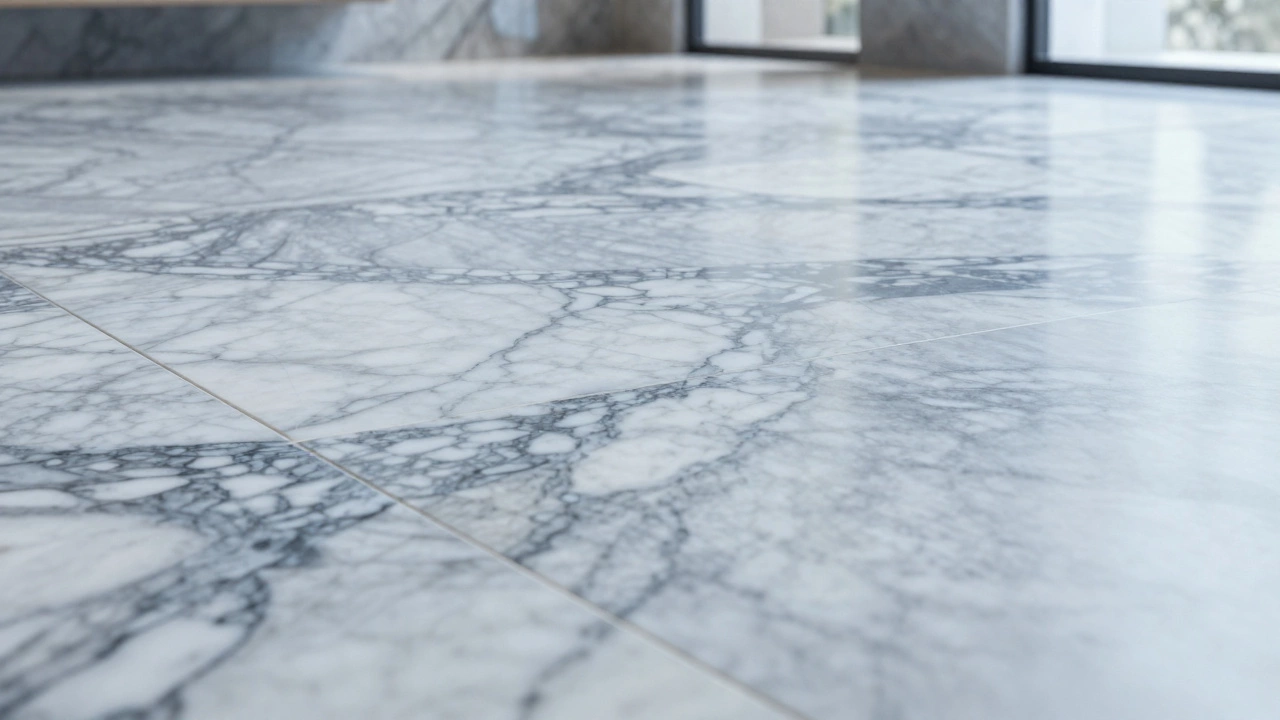
While wood brings warmth, stone brings drama. High-end builders frequently turn to Natural Stone Tiles for bathrooms, entry foyers, and sunken living areas. Materials like Marble, Travertine, and Slate possess unique veining that cannot be replicated digitally. Marble offers a cool touch and high reflectivity, perfect for amplifying natural light in large atriums.
However, stone is porous. Without a rigorous sealing schedule, wine, oil, or acidic spills etch the surface permanently. This is why many discerning designers now opt for full-body porcelain slabs. These tiles are fired at extreme temperatures, making the color run through the entire thickness of the slab, not just a printed layer. They mimic the look of Carrara marble but resist scratching and staining entirely.
In terms of sizing, high-end applications favor oversized formats. Standard 12x12 inch tiles are considered outdated in luxury specifications. Instead, you'll see 24x48 inch slabs laid diagonally or linearly with minimal grout lines. Some ultra-luxury designs use rectified edges with gaps so thin they resemble polished concrete floors.
Technology Integration and Comfort Systems
A modern luxury home isn't complete without integrated comfort systems. Radiant Floor Heating has graduated from a bathroom luxury to a whole-home expectation. About 75% of custom builds in the current market feature hydronic heating beneath the flooring system.
This impacts material selection significantly. Wood expands and contracts with heat, so moisture-resistant Acacia or stabilized engineered wood works best here. For stone, thermal conductivity is crucial; dense granite heats slowly compared to limestone. You also have to factor in the height increase; adding heating elements raises the finished floor by half an inch or more, affecting door clearances and threshold transitions.
Acoustics also play a role in 2026 luxury standards. Open-concept homes suffer from echo. Soft surfaces absorb sound, but hard floors amplify it. To mitigate this without losing the luxury floor look, builders utilize cork underlayment between the subfloor and the finish material. This dampens footfall noise, preventing the house from sounding like a hollow drum when you walk across it.
Surface Finishes and Customization
The finish determines how the floor ages. Years ago, polyurethane was king. Now, Oil Finishes dominate the high-end sector. Oil penetrates the wood fibers rather than sitting on top. It highlights the natural grain and allows the wood to breathe. When a scratch occurs, you simply spot-treat that area rather than refinishing the whole room.
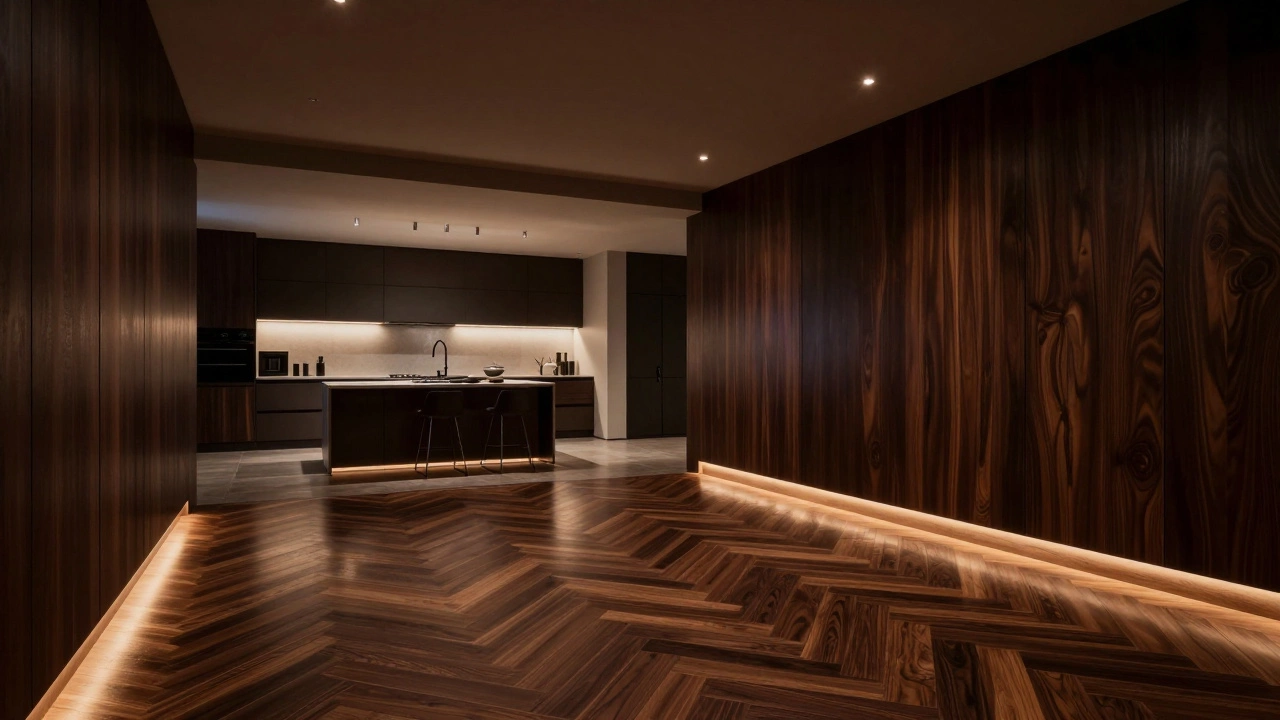
Herringbone and Chevron Patterns remain the gold standard for geometric layouts. While installation costs double compared to straight lay, the visual impact is exponential. Herringbone aligns the ends of boards at right angles, creating a zigzag pattern. Chevron cuts the ends of the boards at an angle so they meet perfectly in a point. The complexity signals craftsmanship, distinguishing a custom home from a production build.
Custom hand-scraping is another differentiator. Rather than a machine-distressed look, artisans use knives to remove wax from high spots, creating a patina that looks decades old. This technique hides future scratches effectively because the surface already has variation and texture.
Choosing Based on Lifestyle and Maintenance
Luxury shouldn't require professional cleaning crews twice a week. Durability is part of the value proposition. If you have pets, avoid matte oil finishes which show scuff marks instantly. Go for UV-cured finishes that create a harder barrier. If your home is coastal, avoid soft woods; salt air degrades untreated timber. Choose aluminum-oxide treated laminates or ceramic-impregnated hardwoods designed for aggressive environments.
Lighting direction affects wood selection. North-facing rooms benefit from warm-toned woods like Red Oak or Maple to counteract the cool blue ambient light. South-facing rooms handle cooler tones like Gray Oak well without feeling cavernous. Always bring physical samples home. What looks beige on a showroom rack might look orange under your specific LED track lighting.
Cost Analysis and Investment Value
Investing in premium flooring has distinct ROI advantages during resale. Real estate appraisals recognize quality improvements. Replacing cheap carpet with hardwood in older neighborhoods can increase property value significantly faster than cosmetic paint jobs. However, diminishing returns exist. Spending $25 per square foot on walnut yields less return than spending $12 on high-grade oak, simply because buyers perceive walnut as niche preference.
Installation labor typically accounts for 30% of total project costs. Hiring experienced installers who specialize in floating floors versus glue-down methods ensures warranty compliance. Many manufacturers void warranties if the floor is installed incorrectly regarding expansion gaps near walls.
What is the most durable flooring for a luxury home?
The most durable option is Porcelain Tile designed to mimic natural stone. It resists scratches, stains, and moisture better than any wood or vinyl alternative. For wooden luxury, Hard Maple or White Oak are preferred due to their high Janka hardness ratings.
Is radiant heating compatible with hardwood floors?
Yes, but you must use engineered wood. Solid wood tends to crack under temperature fluctuations. Ensure the heating system is installed beneath a moisture barrier to protect the wood structure from excess humidity spikes.
How much does luxury flooring installation cost per square foot?
Material costs for premium hardwood range from $10 to $25 per sq ft. With installation labor, expect to pay between $20 and $40 per square foot depending on complexity and location. Pattern laying like herringbone increases labor costs significantly.
Do I need to acclimate my flooring before installation?
Absolutely. You must store the planks in the installation room for at least 72 hours (longer for exotic species). This allows the wood to adjust to your home's temperature and humidity levels, preventing gaps or buckling after installation.
What is the difference between oil finish and water-based urethane?
Oil finishes penetrate deep and look more natural but require annual re-application. Water-based urethane sits on top, creating a tough plastic shield that is easy to clean but shows scratches differently. Choose based on your willingness to perform maintenance.
Final Thoughts on Selection Strategy
Your decision process starts with lifestyle, not aesthetics. If you host parties weekly, prioritize stain-resistant porcelain. If you work from home, prioritize acoustic dampening with thick carpets or cork-backed hardwood. In a high-end home, the floor is the canvas. Everything else sits on top. Pick the foundation that will outlast trends, ensuring the space feels grounded and intentional long after the novelty of new decor wears off.