Commercial Use Checker
Is This Space Commercial?
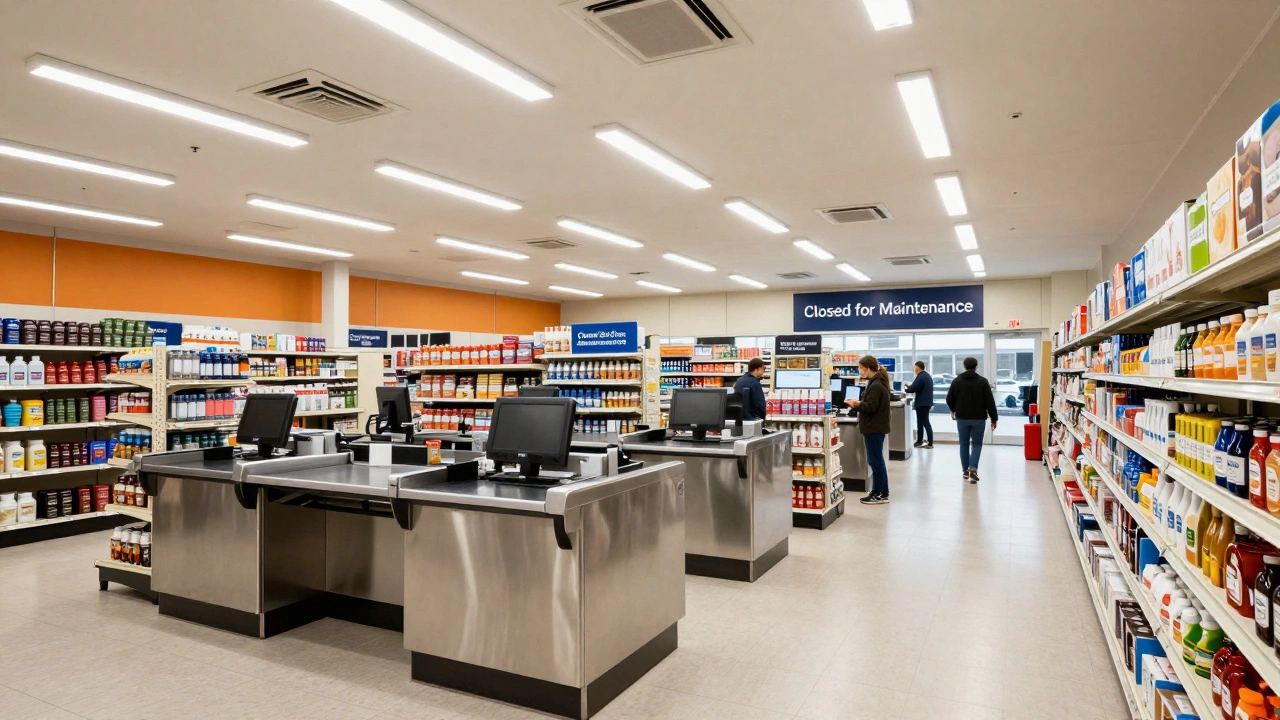
When you walk into a retail store, an office tower, or a warehouse, you’re not just seeing a building-you’re seeing a machine designed for business. Commercial construction isn’t about comfort or curb appeal. It’s about function, efficiency, and return on investment. But what exactly defines something as commercial in the world of building and development?
It’s About How the Space Is Used, Not What It Looks Like
A building isn’t commercial because it has glass walls or a sleek lobby. It’s commercial because it’s built to generate income. That’s the core definition. Whether it’s a 50,000-square-foot distribution center in Birmingham or a three-story medical clinic in Manchester, the purpose is the same: to support business activity. This is different from residential construction, where the goal is to provide shelter and livability for families.
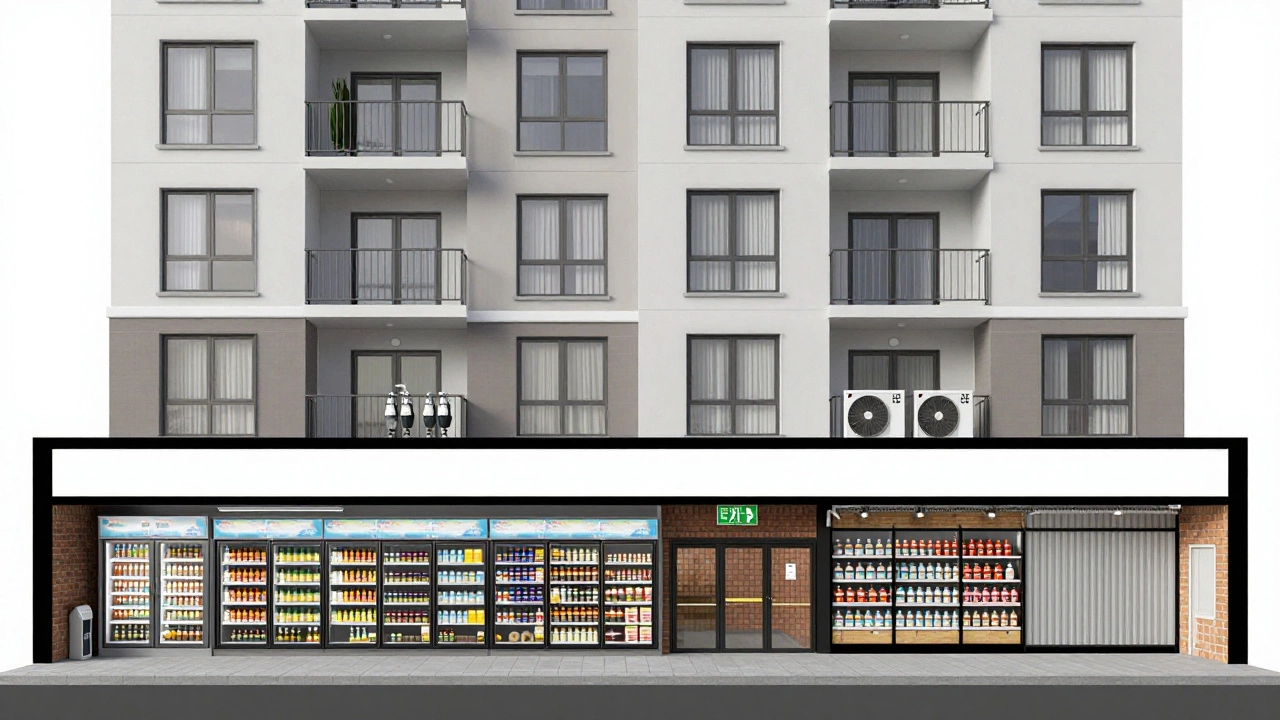
Think about a building with apartments on the top floor and a grocery store on the ground floor. The grocery store is commercial. The apartments are residential. Even though they’re in the same structure, they’re legally and functionally separate. Zoning laws treat them differently. Fire codes are stricter for the store. Electrical loads are higher. The HVAC system isn’t designed for comfort-it’s designed for constant foot traffic and refrigeration needs.
Commercial Construction Follows Different Rules
The building codes that govern commercial spaces are not the same as those for homes. In the UK, commercial buildings must meet Part M of the Building Regulations for accessibility, which requires wider doorways, ramps, and accessible restrooms-often mandatory even for small retail units. Residential buildings don’t need this level of access unless they’re multi-occupancy housing.
Fire safety is another big differentiator. Commercial buildings must have sprinkler systems, emergency lighting, multiple exit routes, and fire-rated walls between tenant spaces. A small office in a converted house might get away with just smoke alarms. A commercial office in a new build needs a full fire suppression system certified by a building control officer. The cost difference isn’t just in materials-it’s in design complexity and ongoing compliance.
Financing and Ownership Are Structured Differently
When you buy a house, you get a mortgage based on your personal income and credit score. When you build a commercial property, lenders look at the projected cash flow. They don’t care how much you earn personally-they care if the tenant can pay rent. A retail space leased to a national chain like Boots or Starbucks has a much easier time securing financing than a standalone house, even if the house is worth more.
Commercial properties are often owned by investors, property companies, or REITs (Real Estate Investment Trusts). These entities don’t live in the building. They don’t care about paint colors or hardwood floors. They care about occupancy rates, lease lengths, and operating expenses. A 10-year lease with a credit-rated tenant can make a building worth 30% more than one with a month-to-month renter.
Design Priorities Are Business-Driven
Residential design focuses on warmth, personalization, and emotional comfort. Commercial design focuses on efficiency, durability, and scalability. A restaurant kitchen needs stainless steel countertops, heavy-duty ventilation, and drainage systems that can handle gallons of grease every day. A retail store needs flexible floor plans so layouts can change seasonally. An office needs modular furniture, high-speed internet conduits, and soundproofing for private calls.
Even lighting is different. In a home, you might use dimmable LED bulbs for ambiance. In a commercial space, you use high-CRI fluorescent or LED panels that reduce eye strain during 10-hour shifts. The goal isn’t to make the space feel cozy-it’s to make people work faster, safer, and longer.
Commercial Spaces Have Higher Operational Demands
A residential property might need a plumber once a year. A commercial building can need maintenance daily. HVAC systems run 16 hours a day in retail spaces. Elevators in office towers get 500+ trips daily. Restrooms see hundreds of users. That means materials have to last longer. Flooring can’t be hardwood-it’s commercial-grade vinyl or epoxy. Walls can’t be painted with standard emulsion-they need washable, mold-resistant coatings.
Energy use is another major factor. A typical UK home uses about 12,000 kWh of gas and electricity a year. A small retail unit can use 80,000 kWh. A warehouse might use 200,000 kWh. That’s why commercial buildings often include energy audits, solar panels, and smart meters. It’s not just about being green-it’s about cutting costs that eat into profit margins.
Legal and Insurance Requirements Are Stricter
Commercial properties carry liability insurance that covers customers, employees, and third parties. If someone slips in your store, you’re on the hook for medical bills and lost wages. That’s not a risk you face in your own home. Commercial builders must also carry public liability insurance, employer’s liability insurance, and often professional indemnity insurance if they’re involved in design.
Permits for commercial construction are more complex too. You need planning permission, building control approval, fire safety certification, and sometimes environmental impact assessments. A single commercial project can involve 10+ different authorities. Residential projects rarely need more than two.

It’s Not About Size-It’s About Intent
You might assume that only big buildings count as commercial. But a 200-square-foot kiosk in a train station is commercial. A mobile coffee cart with a business license is commercial. A pop-up shop rented for two weeks during the holiday season? Still commercial. The size doesn’t matter. The intent does.
Conversely, a 10,000-square-foot building can be residential if it’s a student dormitory or a care home. Those are classified as residential under UK planning law because they serve people, not commerce. The distinction isn’t about square footage-it’s about whether the space is designed to produce revenue through services, sales, or rentals.
What Happens When the Line Gets Blurred?
Hybrid buildings are becoming more common. Think of a co-working space in a former factory, or a boutique hotel above a café. These blur the lines between commercial and residential use. But even then, the law still requires separation. The café needs a commercial kitchen permit. The hotel rooms need residential fire safety standards. The building may have to be split into two legal units with separate utilities and access points.
Some property owners try to cut corners-turning a residential unit into an Airbnb without a change of use permit. That’s risky. Local councils are cracking down. Fines can run into tens of thousands of pounds. Insurance can be voided. And if something goes wrong-say, a fire in an unapproved commercial kitchen-the owner can be held personally liable.
Commercial Construction Is a Business Tool
At its heart, commercial construction isn’t about architecture. It’s about economics. Every decision-from the type of insulation to the width of a corridor-is made to support a business model. It’s about maximizing tenant satisfaction to keep rent paid, minimizing operating costs to boost profit, and ensuring compliance to avoid shutdowns.
If you’re thinking about investing in commercial property, or starting a business that needs space, remember this: the building isn’t just a place to operate. It’s a piece of equipment. And like any machine, it has to be built right to perform. Get the definition wrong, and you’re not just wasting money-you’re risking your entire operation.
Is a restaurant always considered commercial construction?
Yes, any building designed and used for food service with paying customers is classified as commercial construction. This includes cafes, food trucks with permanent permits, and fine-dining restaurants. Even if it’s a small space, it must meet commercial building codes for ventilation, grease traps, fire suppression, and accessibility.
Can a home office be considered commercial?
Not unless it’s legally registered as a business use. A home office used by an employee working remotely is still residential. But if you run a consulting business from your garage and have clients coming in regularly, you may need to apply for a change of use permit. Local councils can require commercial-grade flooring, fire doors, and separate utility meters if the space is deemed to be operating commercially.
What’s the biggest mistake people make when starting a commercial project?
Underestimating compliance costs. Many assume that because a space looks empty, it’s easy to convert. But commercial buildings require permits, inspections, fire safety systems, accessibility upgrades, and energy assessments-all of which add 15-30% to the budget. Skipping these leads to delays, fines, or even being forced to shut down after opening.
Do commercial buildings need to be energy efficient?
Yes, under the UK’s Energy Performance of Buildings Directive, all commercial buildings over 50 square meters must have an EPC (Energy Performance Certificate). New builds must meet stricter standards, and landlords can’t legally rent out a property with an EPC rating below E as of 2025. Many tenants now require B or A ratings before signing leases.
How do I know if my building is zoned for commercial use?
Check your local council’s planning portal. Search for your property address and look for the ‘planning use class’. In England, commercial uses fall under Class E (commercial, business, and service). If your building is listed as Class C3 (residential), you’ll need formal permission to change it to commercial. Don’t rely on what’s next door-each property is assessed individually.