Sofa Color Space Impact Calculator
Your Room & Sofa Details
Quick Tips
- ✓ Light colors reflect more light
- ✓ Low contrast expands space
- ✓ Smooth textures reduce bulk
- ✓ Slim legs create floating effect
- ⚠ Dark sofas shrink small rooms
- ✗ Heavy textures add visual weight
Analysis Results
Calculating...
-
-
Expert Recommendations
Detailed Breakdown
| Factor | Impact | Score |
|---|
You walk into your living room and immediately feel the walls closing in. You want to buy a new sofa is a large upholstered seat for more than one person, but you’re terrified that it will swallow up the remaining floor space. It’s a common dilemma, especially if you live in a compact London flat or any home with limited square footage. The good news? The right color choice can trick the eye into seeing more space than actually exists.
The short answer is: lighter colors generally make rooms look bigger. But it’s not just about picking white. It involves understanding how light reflects, how contrast works, and how furniture blends with its surroundings. Let’s break down exactly which shades work best and why.
Why Light Colors Expand Space
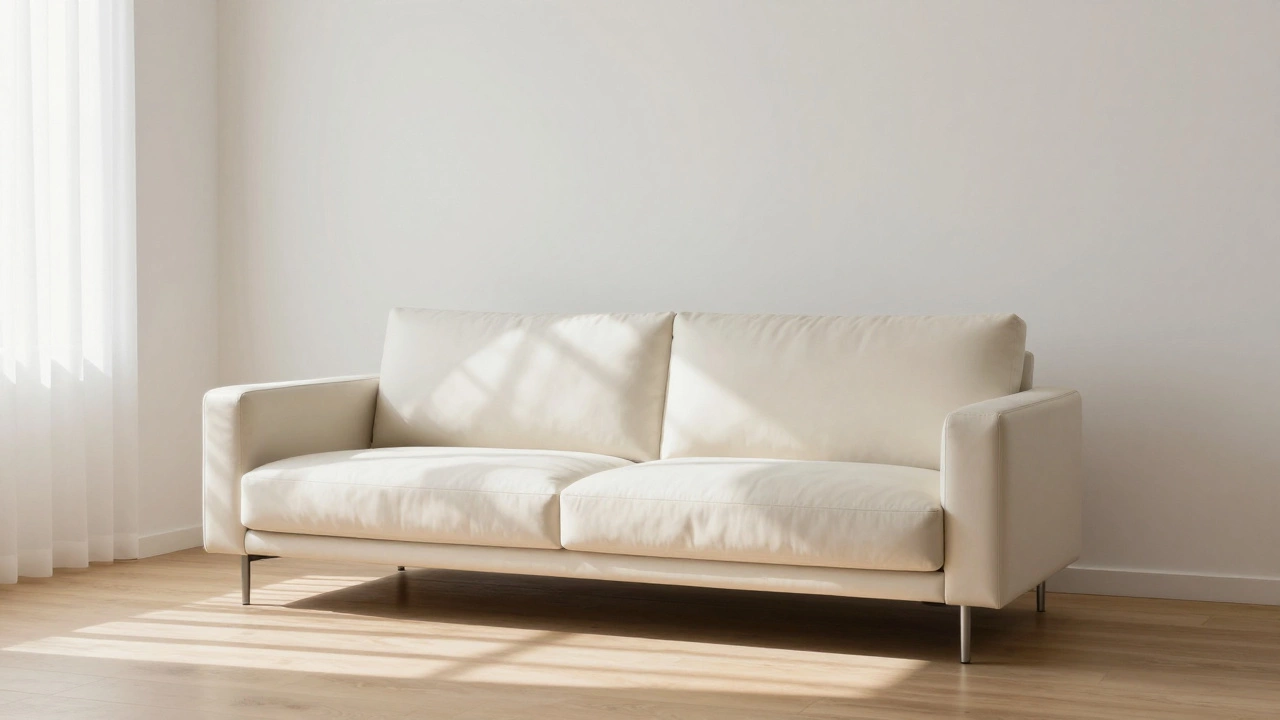
Think of your room like a canvas. Dark colors absorb light, making objects appear heavier and closer to the viewer. Light colors reflect light, pushing boundaries outward. When you choose a light-colored sofa, it acts as a mirror for ambient light, bouncing it around the room and reducing visual weight.
This isn’t just guesswork; it’s basic physics applied to interior design. A cream or beige sofa doesn’t cast a heavy shadow against the wall. Instead, it merges with the surrounding tones, creating a seamless flow. If your walls are off-white and your sofa is ivory, the boundary between them blurs. Your brain stops registering the sofa as a distinct, bulky object and starts seeing it as part of the background.
- White: Reflects the most light, creating maximum openness.
- Cream/Ivory: Warmer than white, adds coziness while maintaining brightness.
- Light Grey: Modern and neutral, pairs well with almost any decor style.
- Pastel Blues/Greens: Soft hues that recede visually without feeling sterile.
The Power of Low Contrast
Color alone isn’t enough. The relationship between your sofa and its environment matters just as much. High contrast creates definition, which is great for highlighting features but terrible for expanding space. If you put a dark charcoal sofa in a room with pale yellow walls, the sofa becomes a focal point. It stands out, demanding attention and emphasizing its size.
To make a room look bigger, aim for low contrast. This means choosing a sofa color that is similar in tone to your walls, floor, and curtains. Imagine painting a fence post the same color as the fence-it disappears. Do the same with your furniture. A light grey sofa on a light oak floor with soft grey walls creates a monochromatic scheme that stretches the perceived dimensions of the room.
| Color Category | Visual Effect | Best For |
|---|---|---|
| Light Neutrals (White, Cream) | Expands space significantly | Small rooms, low natural light |
| Medium Tones (Taupe, Beige) | Balanced, warm appearance | Medium-sized rooms, cozy vibes |
| Dark Colors (Navy, Charcoal) | Constricts space, adds weight | Large rooms, high ceilings |
| Bright Colors (Red, Orange) | Advances forward, draws eye | Focal points, accent walls |
Texture Matters More Than You Think
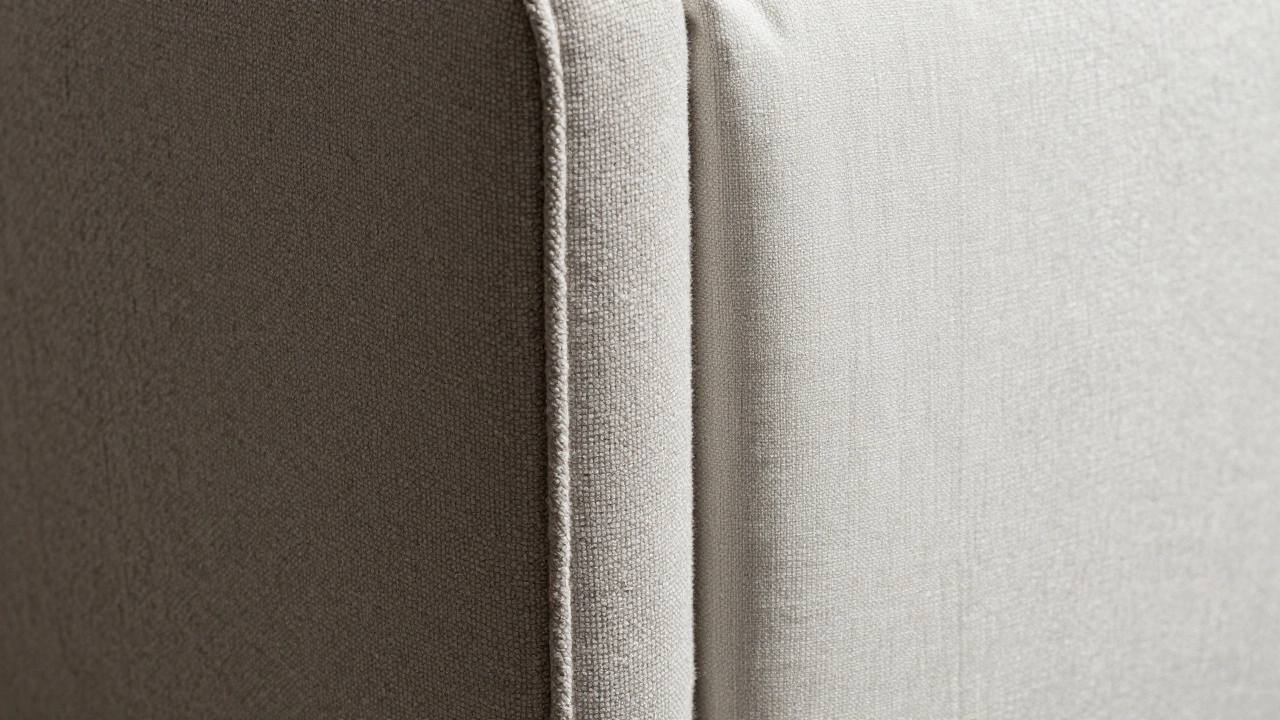
Even if you pick the perfect light shade, texture can ruin the effect. Heavy, nubby fabrics like bouclé or thick velvet add visual bulk. They catch shadows and create depth, which makes the sofa look larger. For a streamlined look, opt for smooth, flat weaves. Linen, cotton blends, and microfiber have a sleek finish that doesn’t interrupt the light flow.
Consider the legs of the sofa too. Chunky, wooden legs anchor the piece to the floor, making it look grounded and substantial. Slim, metal legs or elevated designs allow light to pass underneath, creating an illusion of floating. This airy quality contributes significantly to the feeling of spaciousness.
Strategic Use of Accent Colors
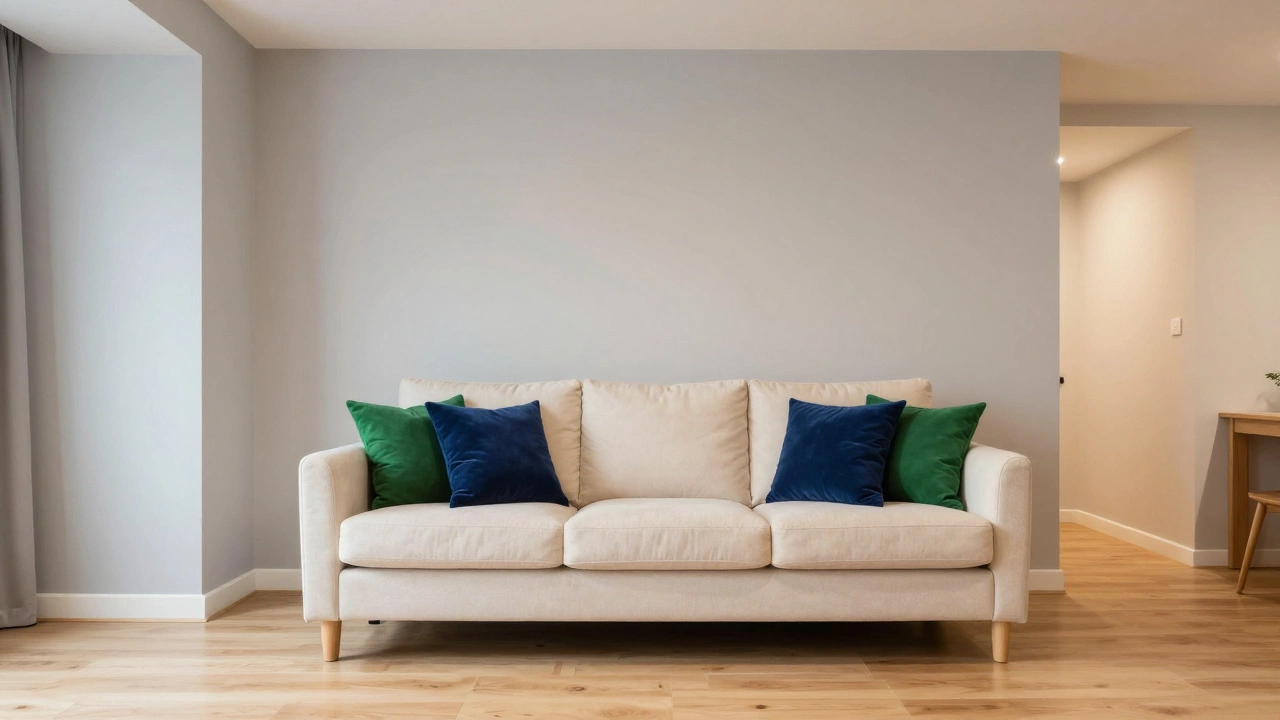
A completely monochromatic room can feel sterile. You don’t have to sacrifice personality for space. The key is keeping the main body of the sofa light and using accessories for color. Throw pillows, blankets, and even sofa cushions are removable padded supports for seating comfort offer a chance to introduce bold hues without overwhelming the room.
If you love deep blues or rich greens, use them in small doses. A few vibrant cushions on a cream sofa add interest without shrinking the space. You can swap them out seasonally, changing the mood without committing to a permanent, space-consuming color choice.
Natural Light Considerations
How much sunlight enters your room dictates your color strategy. In a north-facing room with little natural light, a pure white sofa might look cold or highlight dust and stains too easily. Here, warm neutrals like oatmeal or soft taupe work better. They still reflect available light but add warmth that prevents the space from feeling clinical.
In south-facing rooms bathed in sun, you have more freedom. Bright whites and cool greys thrive here because the abundant light keeps them looking fresh and clean. Always test fabric samples in your actual room at different times of day before buying. What looks perfect in a showroom under fluorescent lights might look dull in your living room.
Common Mistakes to Avoid
Many people try to hide a small room by going dark, thinking it will blend everything together. This rarely works. Dark sofas in small spaces create a cave-like effect, making the room feel cramped and closed in. Another mistake is ignoring the scale of the pattern. Large floral prints or bold stripes on a sofa draw attention to the furniture itself, emphasizing its size. Solid colors or subtle textures are safer bets for maximizing perceived space.
Also, avoid matching the sofa exactly to the carpet if the carpet is dark. This creates a heavy base that anchors the room downward. Instead, keep the floor area light and open. Light wood floors or pale area rugs complement a light sofa beautifully, enhancing the airy feel.
Final Thoughts on Choosing Your Sofa
Making a room look bigger isn’t about magic-it’s about smart choices. Prioritize light, reflective colors. Keep contrast low. Choose smooth textures and slender legs. Use accessories for pops of color. These steps transform a cramped living area into a bright, inviting space where you actually want to spend time. Remember, the goal is comfort and flow, not just aesthetics. A light-colored sofa invites relaxation and opens up your world, one cushion at a time.
Does a white sofa really make a room look bigger?
Yes, a white sofa reflects the most light, reducing visual weight and blending with light walls to expand perceived space. However, consider maintenance and potential staining in high-traffic areas.
What is the best sofa color for a small, dark room?
Warm light neutrals like cream, oatmeal, or soft beige work best. They reflect limited light while adding warmth, preventing the room from feeling cold or sterile.
Can I use a dark sofa in a small room?
It’s challenging. Dark sofas absorb light and emphasize bulk. If you must, pair it with very light walls and flooring to create contrast that pushes the boundaries outward, but expect the sofa to stand out prominently.
How do sofa cushions affect the size perception?
Bulkier cushions add volume. Slim, firm cushions maintain a streamlined silhouette. Using removable cushions allows you to adjust the look and clean them easily, keeping the sofa looking crisp and less cluttered.
Should my sofa match my walls exactly?
Not exactly, but they should be close in tone. A slight variation adds depth without breaking the visual flow. Monochromatic schemes with subtle differences are ideal for expanding space.