Roofing Service Cost Estimator
Project Details
Estimated Cost Breakdown
Total Estimated Range
| Cost Component | Estimate |
|---|
Recommendation Based on Selection:
Enter your project details to generate a cost estimate.
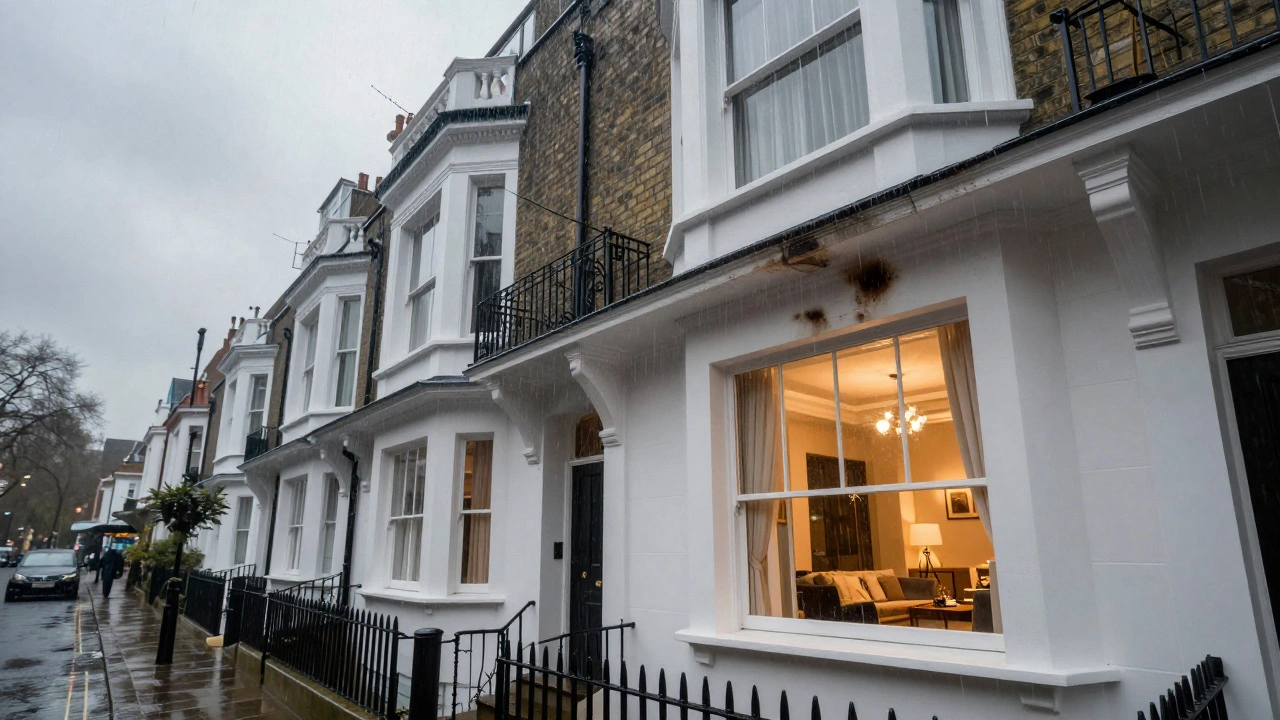
Imagine waking up on a rainy Tuesday in London, only to find a dark stain spreading across your living room ceiling. Your heart sinks. That’s the moment most homeowners realize they need roofing services, but by then, it might be too late for a simple fix. Most people think of a roof as just shingles or tiles sitting on top of their house. In reality, it is a complex system of waterproofing, insulation, ventilation, and structural support that protects everything inside from the elements.
Understanding what roofing services actually entail can save you thousands of pounds and prevent catastrophic damage. It isn’t just about slapping on new materials when the old ones fall off. It involves inspection, strategic planning, specialized labor, and ongoing maintenance. Whether you are dealing with a leaky flat roof in Kensington or a slate roof in Surrey, knowing the scope of these services helps you hire the right professionals and avoid being overcharged for work you don’t need.
The Core Components of Professional Roofing Services
When you call a professional roofer, you aren’t just hiring someone to climb a ladder. You are engaging a service provider who manages three distinct phases of your roof’s lifecycle: installation, repair, and maintenance. Each phase requires different skills, tools, and materials.
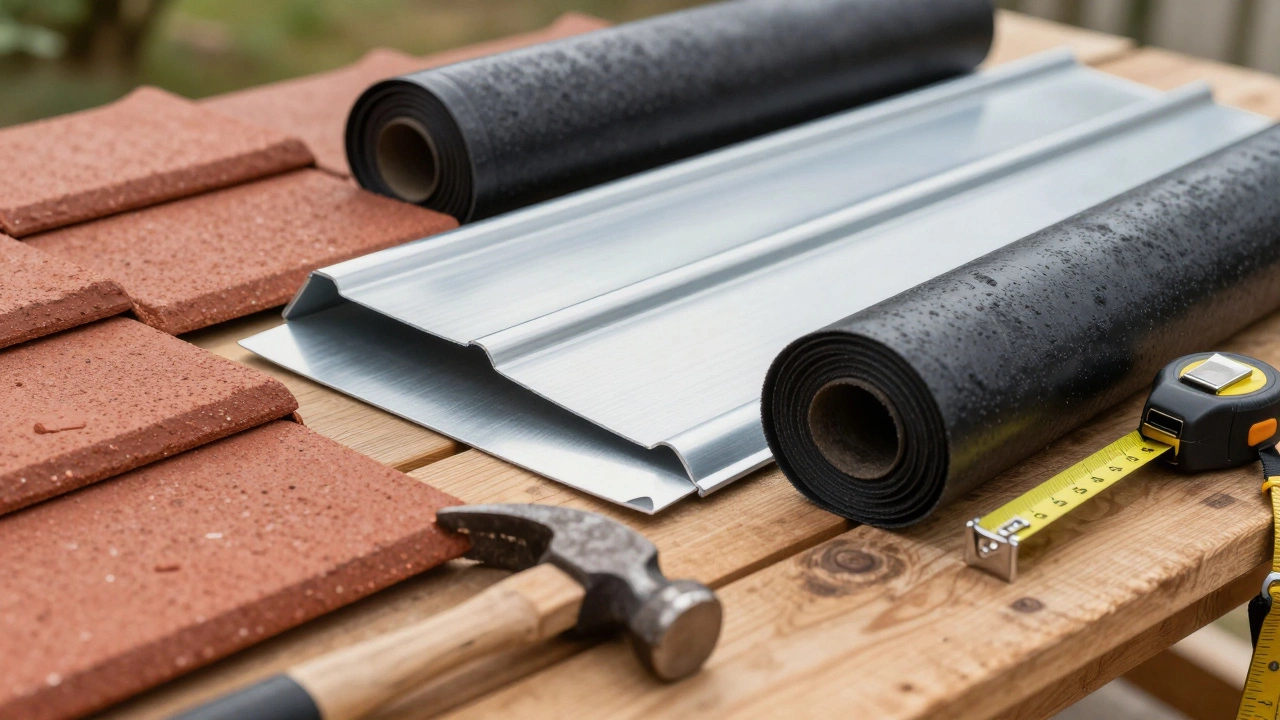
Roof Installation is the process of constructing a new roof or completely replacing an existing one. This is the most expensive and invasive service. It involves stripping away old layers, inspecting the decking (the wooden structure underneath), and installing new underlayment, flashing, and final covering materials like asphalt shingles, clay tiles, or metal sheets. For example, installing a modern insulated metal roof in the UK requires precise calculations for thermal efficiency to meet current building regulations.
Roof Repair is targeted intervention to fix specific damages without replacing the entire structure. This could mean sealing a cracked chimney flash, replacing a few broken tiles after a storm, or fixing a sagging gutter. Repairs are critical because small issues, like a loose nail or a tiny crack in a sealant, can lead to major water infiltration if ignored. A common scenario in older Victorian homes involves repairing lead flashing around chimneys, which expands and contracts with temperature changes, eventually cracking.
Roof Maintenance is routine care designed to extend the lifespan of the roof and prevent emergencies. Think of it like changing the oil in your car. It includes clearing debris from gutters, checking for moss growth, trimming overhanging tree branches, and inspecting seals around vents and skylights. Regular maintenance is often overlooked, yet it is the most cost-effective way to protect your home.
| Service Type | Primary Goal | Average Frequency | Cost Range (UK) |
|---|---|---|---|
| Installation | New construction or full replacement | Every 20-50 years | £5,000 - £15,000+ |
| Repair | Fix specific damage or leaks | As needed | £100 - £1,000 |
| Maintenance | Preventative care and cleaning | Annually or bi-annually | £150 - £400 |
Why Proper Inspection Is the First Step
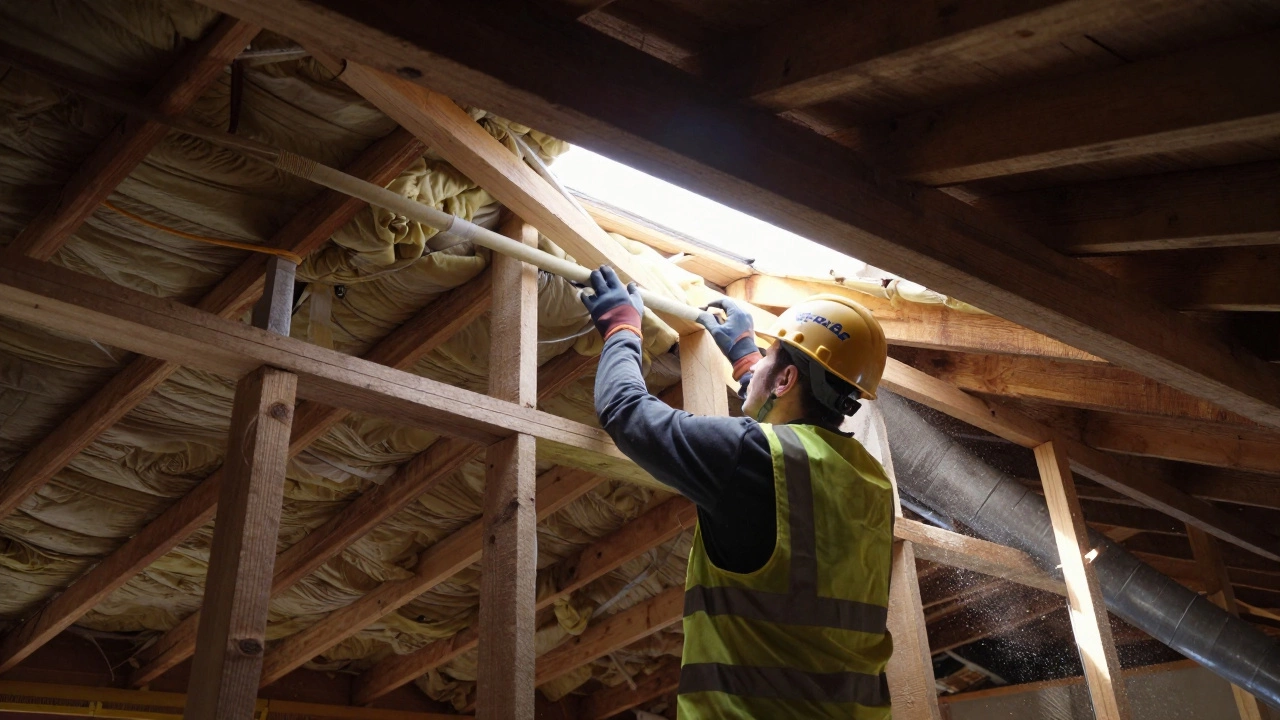
Before any hammer swings or shingles are lifted, a reputable roofing service will perform a thorough inspection. This is not a casual look from the ground with binoculars. A proper inspection involves accessing the attic space and climbing onto the roof to assess its condition. Inspectors look for signs of water damage, rotting wood, inadequate ventilation, and missing fasteners.
In the UK, where weather patterns can shift rapidly from dry spells to heavy downpours, understanding the state of your roof is vital. An inspector will check the integrity of the underlayment, which is the waterproof barrier beneath the visible tiles. If this layer fails, water can seep into the rafters, leading to mold growth and structural weakness. They also examine the flashing, the metal strips used to direct water away from joints and penetrations like chimneys and vents. Poorly installed flashing is one of the most common causes of leaks in residential homes.
During this phase, the contractor should provide you with a detailed report. This document outlines the current condition of your roof, identifies immediate risks, and suggests a timeline for necessary repairs or replacements. Without this step, you risk paying for unnecessary work or ignoring critical issues that could worsen quickly.
Choosing the Right Materials for Your Climate
One of the key decisions in roofing services is selecting the appropriate material. The "best" material depends heavily on your location, budget, and the architectural style of your home. In London and much of England, traditional materials like clay tiles and slate have been used for centuries due to their durability and aesthetic appeal. However, modern alternatives offer different benefits.
Asphalt Shingles are popular for their affordability and ease of installation. They come in various colors and styles, mimicking more expensive materials. While they may not last as long as slate, they are lightweight and easy to repair. On the other hand, Metal Roofing has gained traction for its longevity and energy efficiency. Metal roofs reflect solar radiant heat, which can reduce cooling costs in the summer. They are also highly resistant to wind, fire, and pests.
For flat roofs, commonly found on extensions or commercial buildings, EPDM Rubber or GRP (Glass Reinforced Plastic) are standard choices. These materials provide seamless waterproofing, which is crucial since flat roofs do not shed water as effectively as pitched roofs. Choosing the wrong material for your roof type can lead to premature failure and costly rework.
The Importance of Ventilation and Insulation
Many homeowners overlook the hidden aspects of roofing services: ventilation and insulation. These components work together to regulate the temperature and moisture levels within your attic space. Proper ventilation allows hot air and moisture to escape, preventing condensation that can rot wood and degrade insulation. Without adequate airflow, your roof deck can become damp, leading to mold and mildew growth.
Insulation, meanwhile, keeps your home warm in winter and cool in summer. When combined with good ventilation, it reduces the strain on your heating and cooling systems, lowering energy bills. A well-insulated roof also prevents ice dams in colder climates, although this is less of a concern in milder parts of the UK. Still, maintaining consistent indoor temperatures year-round improves comfort and reduces wear on your HVAC system.
Rooftop installations often include ridge vents, soffit vents, and gable vents to create a continuous flow of air. During a roofing service upgrade, ensuring these elements are correctly sized and placed is essential for long-term performance. Ignoring ventilation can void warranties on new roofing materials, as manufacturers require proper airflow to guarantee their products.
Hiring Reliable Roofing Contractors
Finding a trustworthy roofing contractor is perhaps the most challenging part of the process. The industry has its share of unreliable operators who promise quick fixes at low prices but deliver subpar work. To avoid scams and poor craftsmanship, follow these steps:
- Check Credentials: Ensure the contractor is licensed and insured. In the UK, look for membership in recognized bodies like the National Federation of Roofing Contractors (NFRC). This indicates adherence to industry standards and ethical practices.
- Read Reviews: Look for recent reviews on independent platforms. Pay attention to comments about punctuality, cleanliness, and communication. A pattern of complaints about hidden fees or unfinished work is a red flag.
- Get Multiple Quotes: Obtain at least three detailed estimates. Compare not just the price, but the scope of work, materials specified, and warranty terms. The cheapest option is rarely the best value in the long run.
- Ask for References: A confident contractor will gladly provide contact information for past clients. Call them to ask about their experience and whether they would hire the company again.
A professional contractor will also handle permits and inspections required by local authorities. Building regulations in England and Wales have strict requirements for roof structures, especially regarding fire safety and energy efficiency. Skipping these legal steps can result in fines and difficulties when selling your property later.
Long-Term Value and Property Protection
Investing in quality roofing services is not just about fixing a leak; it is about protecting your largest asset. A well-maintained roof enhances curb appeal, increases property value, and ensures the safety of your family. Neglecting minor issues can lead to extensive interior damage, including ruined ceilings, damaged electrical wiring, and compromised structural integrity.
Moreover, modern roofing solutions contribute to sustainability. Green roofs, which incorporate vegetation, help manage stormwater runoff and reduce urban heat island effects. Solar panels integrated into roofing systems generate renewable energy, reducing reliance on the grid. As environmental concerns grow, choosing eco-friendly roofing options becomes both a practical and responsible decision.
Ultimately, understanding the meaning of roofing services empowers you to make informed decisions. By recognizing the importance of inspection, material selection, ventilation, and professional expertise, you can ensure your home remains safe, comfortable, and durable for decades to come. Don’t wait for a disaster to strike-proactive care is always cheaper and less stressful than reactive repairs.
How often should I have my roof inspected?
It is recommended to have your roof inspected at least once a year, preferably in the spring or autumn. Additionally, you should schedule an inspection after severe weather events like heavy storms, high winds, or hail. Regular inspections help identify minor issues before they become major problems.
What are the signs that I need a new roof instead of repairs?
Signs include widespread curling or missing shingles, multiple leaks throughout the house, sagging roof decks, and significant granule loss in gutters. If your roof is over 20 years old and requires frequent repairs, replacement is often more cost-effective than continuing patchwork fixes.
Do I need a permit for roof replacement in the UK?
In many cases, yes. While minor repairs usually do not require permits, full roof replacements or changes to the roof structure often need approval from local planning authorities. Your roofing contractor should handle this process, ensuring compliance with building regulations.
How long does a typical roof installation take?
For an average-sized residential home, a complete roof replacement typically takes 1 to 3 days. Factors affecting duration include the size of the roof, the complexity of the design, weather conditions, and the type of materials being installed. Larger or more intricate projects may take longer.
Can I install a new roof over an existing one?
While possible, installing a new roof over an old one is generally discouraged. It can hide underlying damage, add excessive weight to the structure, and void manufacturer warranties. Removing the old roof allows for a thorough inspection and ensures a solid foundation for the new materials.