Home Renovation ROI Calculator
Select a renovation type below to see estimated costs and potential resale value increases.
Minor Kitchen Remodel
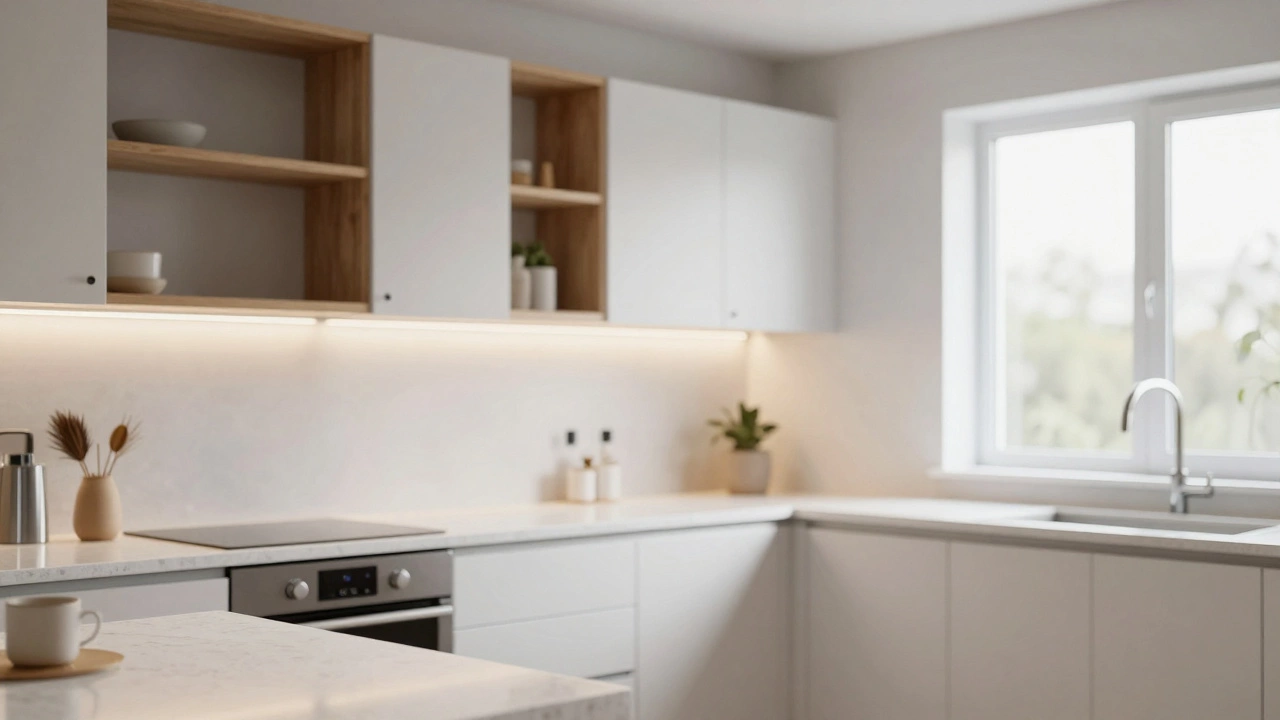
Cabinet refacing, new hardware, quartz countertops, and updated lighting.
Minor Bathroom Remodel
Updated fixtures, regrouted tiles, new vanity, and neutral paint.
Landscaping & Curb Appeal
Lawn maintenance, seasonal flowers, trimmed hedges, and fresh exterior paint.
Attic Conversion
Converting unused attic space into a bedroom or living area with added insulation.
Double-Glazed Windows
Energy-efficient windows to reduce heat loss, noise, and improve EPC rating.
New Flooring
Hardwood floors or high-quality laminate replacing worn carpet or vinyl.
Investment Analysis
Select a renovation type above to calculate potential returns.
So you’re staring at your bank account and wondering if that dream renovation is worth it. You want to upgrade your home, but you don’t want to spend money just to lose it when you sell. It’s a classic dilemma: do you renovate for joy, or do you renovate for profit? The truth is, some upgrades pay for themselves, while others are pure vanity projects that appraisers ignore.
In the current market, buyers are looking for move-in ready homes with modern functionality. They aren’t paying extra for quirky design choices; they are paying for efficiency, space, and low maintenance. If you want to know what actually adds the most money to a house, you need to look at the data, not just Pinterest boards. Here is the breakdown of the highest-returning investments you can make in your property right now.
The Kitchen: The Heart of Home Value
If there is one room that dictates the price of a home, it is the kitchen. The central hub for cooking, dining, and socializing in a residential property. A dated kitchen screams "neglect" to potential buyers. However, you do not need to gut the entire room to see a return on investment (ROI).
Major kitchen remodels often yield an ROI of around 50-60%. That means if you spend £30,000, you might only recoup £18,000 in increased home value. So, where should you put the money? Focus on high-impact, lower-cost updates. Replacing cabinet doors with shaker-style fronts, upgrading hardware, and installing quartz countertops can transform the look without breaking the bank. These changes signal quality without the massive cost of structural work.
- Cabinet Refacing: Often costs 50% less than full replacement but looks nearly identical.
- Lighting: Under-cabinet lighting and pendant lights add warmth and functionality.
- Appliances: Stainless steel remains the safest bet for resale value, even as matte black trends rise.
Remember, the goal isn't to create the most expensive kitchen in the neighborhood, but the most desirable one for the average buyer in your area. Over-improving relative to neighboring homes rarely pays off.
Bathroom Renovations: Small Spaces, Big Returns
After the kitchen, bathrooms are the second most scrutinized rooms during a viewing. A clean, modern bathroom suggests hygiene and care. While a luxury spa bath might feel amazing, it does not necessarily translate to a higher sale price. In fact, overly personalized designs can deter buyers who cannot visualize themselves using the space.
A minor bathroom remodel-updating fixtures, regrouting tiles, and replacing the vanity-typically offers an ROI of over 70%. This is one of the best bang-for-buck improvements you can make. Focus on neutral colors like white, grey, or soft beige. These shades make the room feel larger and cleaner. Avoid bold wallpaper or bright blue tiles unless you plan to live there forever.
If your home has only one bathroom, consider adding a half-bath (powder room) if space allows. Homes with two or more full baths command significantly higher prices because they reduce morning congestion. Even a small powder room near the entrance adds convenience and perceived value.
Curb Appeal: First Impressions Matter
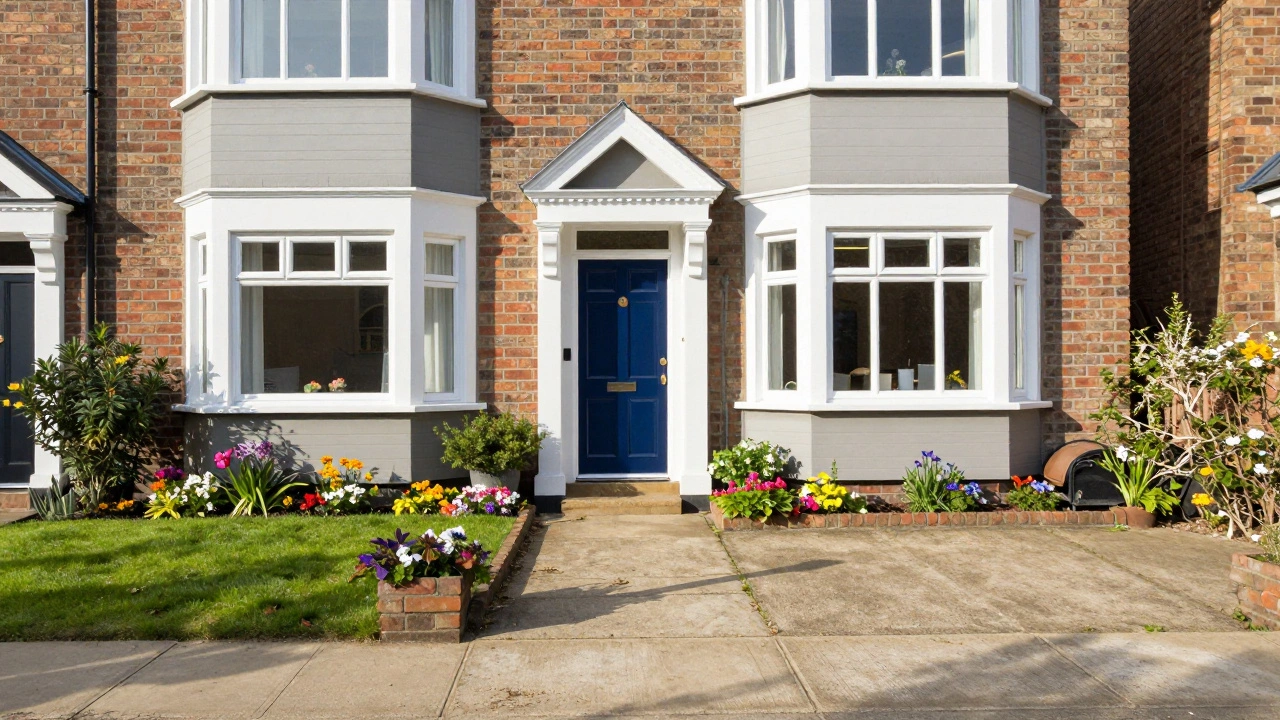
You have seconds to make a first impression, both online and in person. Curb appeal is the exterior appearance of your home, including landscaping, paint, and entryway details. Poor curb appeal causes buyers to skip your listing entirely, regardless of how beautiful the interior is.
Investing in landscaping yields an impressive ROI, often between 200% and 300%. This doesn’t mean building a water feature or planting exotic trees. It means maintaining a healthy lawn, trimming hedges, and adding seasonal flowers. A fresh coat of paint on the front door and exterior trim also works wonders. Neutral exterior colors like greys, taupes, and whites appeal to the widest audience.
Don’t overlook the driveway and walkways. Cracked concrete looks neglected. Sealing or resurfacing these areas is relatively inexpensive but makes the home look well-maintained. Clean up clutter from the porch and ensure the house number is visible. These small touches suggest that the homeowner cares about every detail.
Energy Efficiency: The Modern Buyer’s Priority
In 2026, energy efficiency is no longer a niche selling point; it is a standard expectation. Buyers are increasingly aware of rising utility costs and environmental concerns. Installing energy-efficient features can add significant value by lowering monthly bills and improving comfort.
Double-glazed windows Windows with two panes of glass separated by a spacer, designed to improve insulation and reduce noise are a top priority. They reduce heat loss, minimize condensation, and cut down on street noise. While the upfront cost is high, the long-term savings and appeal to eco-conscious buyers make them a smart investment. Similarly, upgrading your heating system to a high-efficiency boiler or heat pump can boost your home’s Energy Performance Certificate (EPC) rating, which is crucial in many markets.
Smart home technology also falls under this umbrella. Thermostats that learn your schedule and adjust heating accordingly save money and offer convenience. Security systems with remote monitoring provide peace of mind. These features are expected in mid-to-high-end properties and can differentiate your home from competitors.
Adding Square Footage: The Ultimate Value Driver
If you really want to maximize value, nothing beats adding usable living space. Converting an attic into a bedroom, finishing a basement, or extending the ground floor directly increases the square footage, which is a primary factor in property valuation.
An attic conversion is often more cost-effective than building an extension. It utilizes existing structure and rooflines, requiring less foundation work. Adding a bedroom and bathroom upstairs can change your home’s classification from a three-bedroom to a four-bedroom property, opening it up to a larger pool of buyers-families, in particular.
However, be cautious with extensions. Planning permissions can be tricky, and construction costs vary wildly. A rear extension that opens up the kitchen-living flow is highly desirable, but it must match the style of the existing home. Poorly executed extensions look tacked-on and can detract from the overall aesthetic. Always consult with an architect to ensure the addition complements the original design.
| Improvement Type | Average Cost (£) | Average Resale Value Increase (£) | ROI Percentage |
|---|---|---|---|
| Minor Kitchen Remodel | 15,000 | 9,500 | 63% |
| Minor Bathroom Remodel | 8,000 | 6,400 | 80% |
| Landscaping | 3,000 | 6,000 | 200% |
| Attic Conversion | 25,000 | 20,000 | 80% |
| New Double-Glazed Windows | 12,000 | 8,500 | 70% |
What Not to Do: Low-ROI Traps
Not all improvements add value. In fact, some can actively decrease it by alienating buyers or creating maintenance nightmares. Avoid overly personalized decor. That vibrant purple accent wall or the custom-built wine cellar might be perfect for you, but most buyers will see them as expenses they’ll have to reverse.
Swimming pools are another common trap. Unless you live in a climate where outdoor swimming is year-round, pools are seen as liabilities due to safety risks, insurance costs, and maintenance. They rarely recoup their installation cost. Similarly, high-end finishes in modest neighborhoods can hurt you. If your neighbors’ kitchens cost £10,000 and yours costs £50,000, buyers will wonder why your home is priced higher than theirs.
Stick to neutral, durable materials. Hardwood floors or high-quality laminate are better than cheap carpet. Ceramic or porcelain tiles are preferable to vinyl in wet areas. These materials last longer and appeal to a broader range of tastes.
Conclusion: Strategic Investing
Adding money to your house isn’t about spending the most; it’s about spending wisely. Focus on the big three: kitchen, bathrooms, and curb appeal. Ensure your home is energy-efficient and well-maintained. Add square footage only if it makes sense structurally and financially. By prioritizing these areas, you protect your investment and attract serious buyers willing to pay a premium for a move-in-ready home.
What is the single best thing to add value to a house?
While it depends on your specific property, updating the kitchen typically offers the highest absolute return in terms of increased sale price. However, for percentage ROI, landscaping and minor bathroom updates often outperform major renovations.
Does painting the interior add value?
Yes, fresh paint is one of the cheapest ways to refresh a home. Use neutral tones like white, light grey, or beige to make spaces feel larger and cleaner. Avoid dark or trendy colors that may not appeal to everyone.
Is it worth adding a master suite?
Converting an existing bedroom into a master suite with an en-suite bathroom can significantly boost value, especially in family homes. Privacy and convenience are key selling points for buyers.
How much does new flooring add to home value?
New flooring can add 70-80% of its cost to your home's value. Hardwood floors are generally preferred for their durability and timeless appeal, while luxury vinyl plank is a growing favorite for its affordability and water resistance.
Should I renovate before selling?
It depends on the condition of your home. If major systems (roof, HVAC, plumbing) are outdated, fix them first. Cosmetic updates like paint and decluttering are almost always worth it. Avoid large-scale renovations if you’re on a tight timeline, as they may not fully recoup costs.