🏗️ Kitchen Countertop Decision Tool
Answer three quick questions to find the countertop material that fits your kitchen's specific needs.
1 Your Budget
2 Maintenance Style
3 Primary Use
Your Top Recommendations
Detailed Comparison Chart
| Material | Durability Score | Maintenance Effort | Heat Resistance | Best For |
|---|
Walk into any high-end kitchen from the last fifty years and you will likely see one thing in common: a solid, durable surface that has survived decades of cooking, cleaning, and family life. While trends come and go-think of the bold colors or synthetic textures that dominated specific eras-certain countertop materials have remained staples because they simply work. They are functional, aesthetically pleasing, and resilient enough to handle the daily wear and tear of a busy household. If you are planning a renovation or just curious about what lasts, focusing on these proven choices is the smartest move you can make.
The Undisputed Classic: Natural Stone
Granite is a hard, crystalline igneous rock that has been used for centuries due to its extreme durability and unique veining patterns. It remains the gold standard for many homeowners because no two slabs look alike. When you choose granite, you are getting a piece of geology that formed millions of years ago. Its hardness rating typically sits between 6 and 7 on the Mohs scale, meaning it resists scratches from knives and pots better than most other natural stones. However, it is porous, which means it requires sealing every one to two years to prevent stains from wine, oil, or citrus juices. Despite this maintenance requirement, its longevity is unmatched; a properly sealed granite counter can last as long as the house itself.
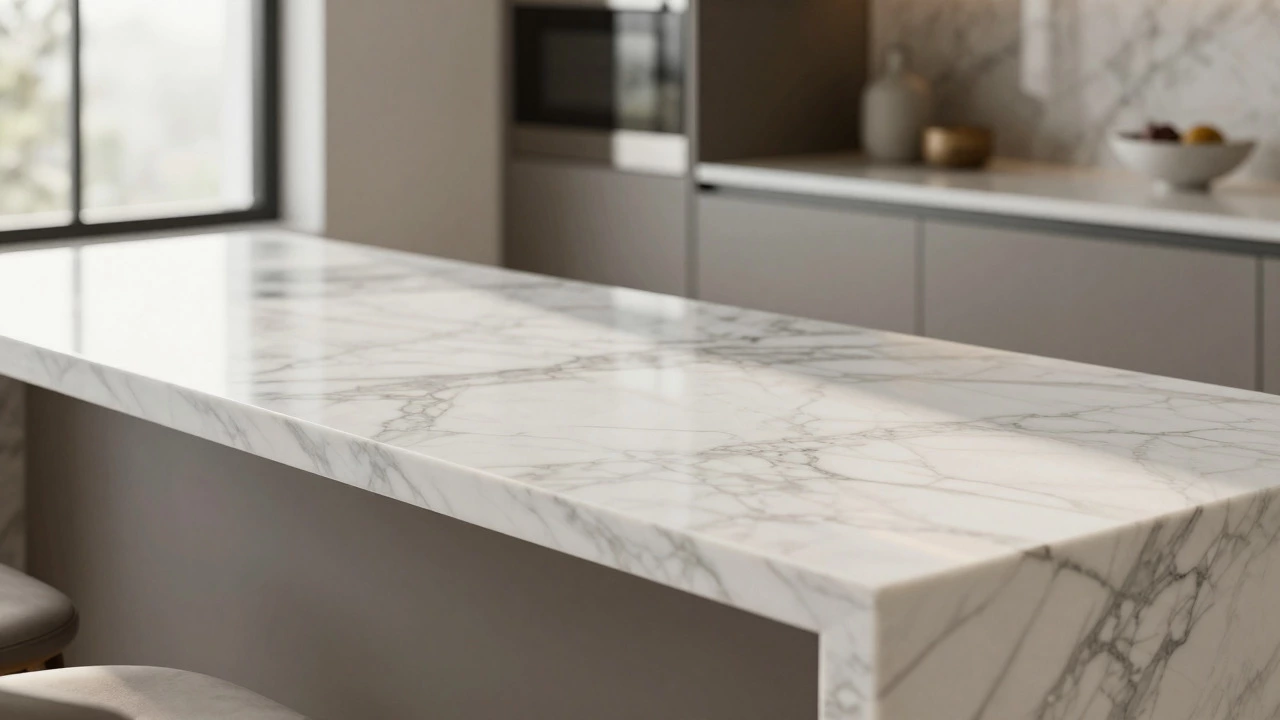
Marble is a metamorphic rock known for its elegant white background with gray or black veining, often associated with luxury and classic elegance. Unlike granite, marble is softer and more reactive. It etches easily when exposed to acidic substances like lemon juice or vinegar, leaving a dull spot on the shiny surface. This makes it less ideal for heavy-duty prep areas but perfect for decorative islands or backsplashes where beauty outweighs function. The key here is understanding the trade-off: you get unparalleled visual appeal, but you must accept that small imperfections are part of its character rather than defects.
The Modern Workhorse: Engineered Quartz
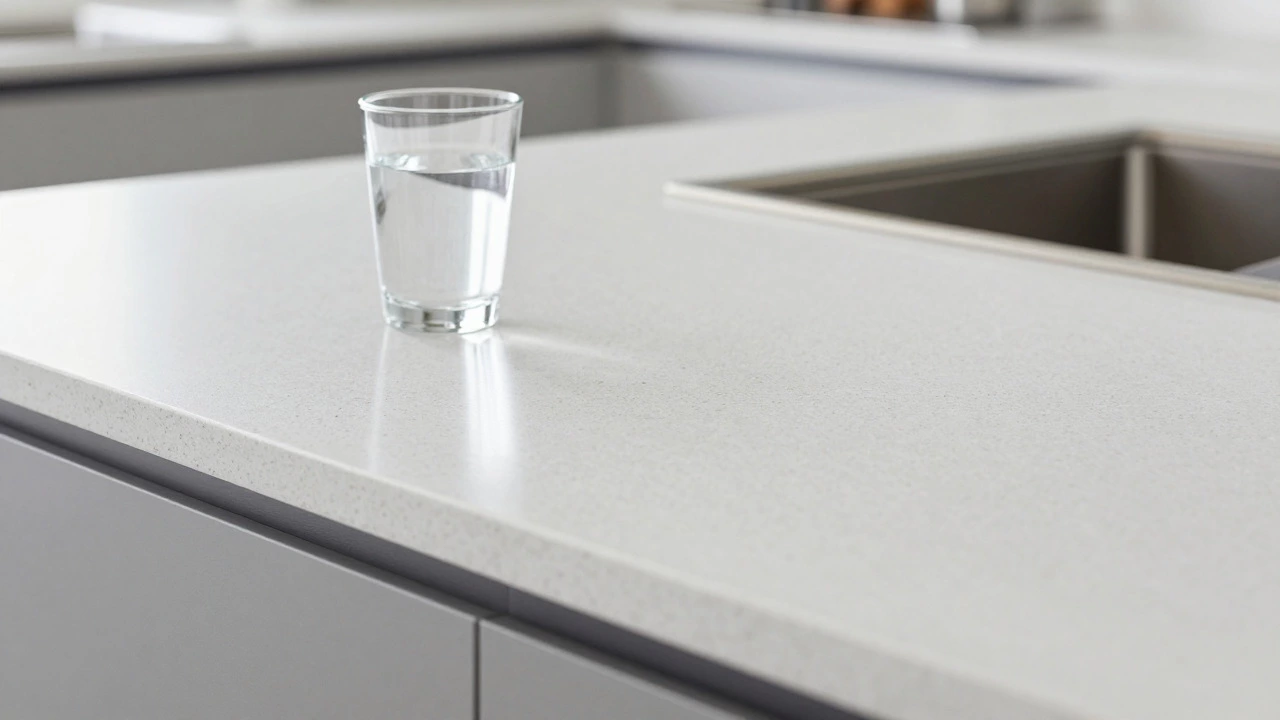
If you want the look of stone without the maintenance headaches, Quartz (specifically engineered quartz) is a composite material made by binding crushed natural quartz crystals with resin to create a non-porous, highly durable slab. First gaining popularity in the early 2000s, quartz has become the top choice for modern kitchens. Because it is non-porous, it does not need sealing. Spills sit on the surface until wiped away, making it incredibly hygienic. Brands like Caesarstone and Silestone offer thousands of patterns, from subtle speckles to dramatic marble-look designs. The downside? Heat resistance. While it handles everyday kitchen temperatures well, placing a screaming hot pot directly on it can cause discoloration or cracking over time. Always use a trivet. But for pure ease of care and consistent aesthetics, quartz is hard to beat.
Warmth and Character: Wood Surfaces
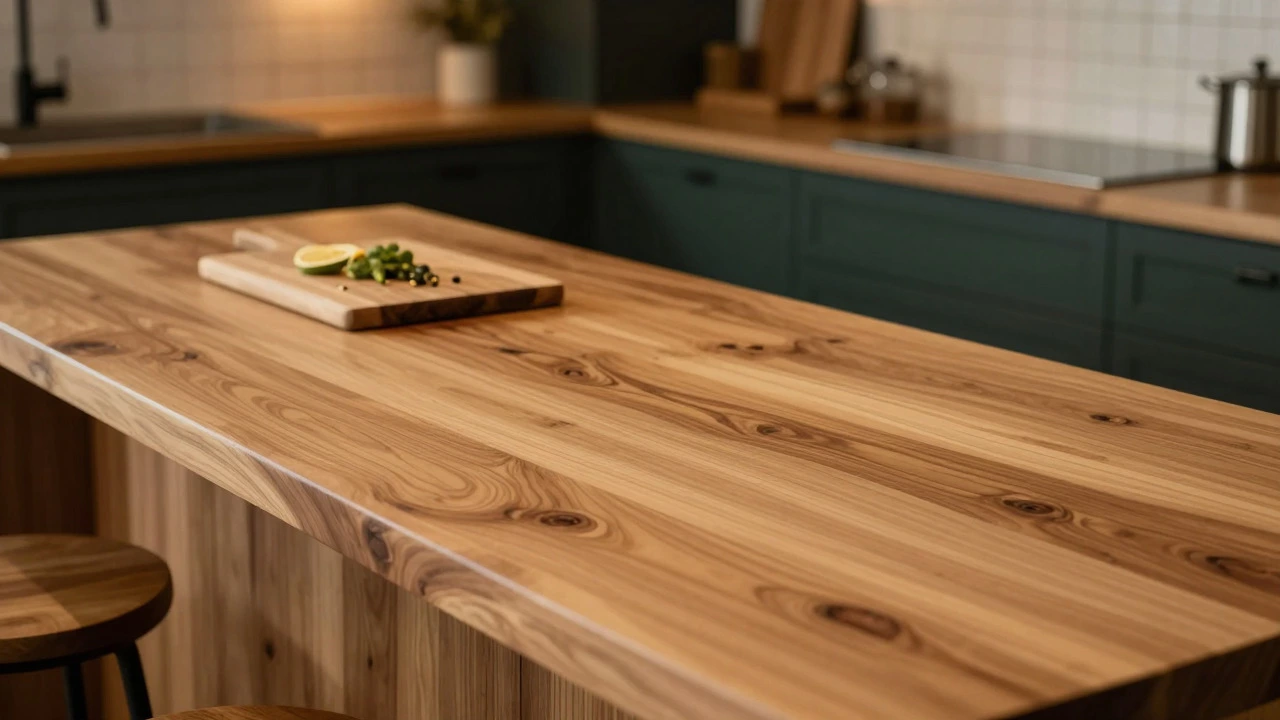
Not every countertop needs to be cold and hard. Butcher Block is a countertop made from end-grain or edge-grain wood strips glued together, offering a warm, organic aesthetic that contrasts beautifully with modern cabinetry. Typically made from maple, walnut, or oak, these surfaces bring a level of warmth that stone cannot replicate. They are also self-healing to some extent; minor scratches disappear after re-oiling. However, they require regular maintenance. You need to apply food-safe mineral oil every few months to keep the wood conditioned and protected from moisture. Water rings and knife cuts are inevitable if you are not careful. For this reason, butcher block is often used for islands or breakfast bars rather than the main perimeter counters near the sink. It is a style statement that demands respect.
Durability Meets Simplicity: Solid Surface and Laminate
For those on a tighter budget or looking for seamless integration, Solid Surface (such as Corian) is a man-made material composed of acrylic or polyester resin mixed with alumina trihydrate, known for its ability to be seamlessly joined and repaired. One of its biggest advantages is that seams can be nearly invisible, creating a continuous flow from the counter to the backsplash. Scratches can often be sanded out, restoring the original finish. It is also resistant to stains and bacteria. On the other end of the spectrum is laminate, which has evolved significantly. High-resolution laminates now mimic stone and wood so convincingly that only close inspection reveals the difference. While less durable than stone or quartz, modern laminates are affordable, easy to install, and available in virtually any color or pattern. They are the practical choice for rental properties or first-time buyers who want a fresh look without a massive investment.
Comparing the Top Contenders
To help you decide which material fits your lifestyle, here is a quick breakdown of how the major options stack up against each other.
| Material | Durability | Maintenance | Cost Range ($/sq ft) | Best For |
|---|---|---|---|---|
| Granite | High | Seal every 1-2 years | $40 - $100+ | Long-term investment, unique looks |
| Quartz | Very High | Low (wipe clean) | $50 - $150 | Bustling families, low upkeep |
| Marble | Moderate | High (seal, avoid acids) | $80 - $200+ | Decorative islands, luxury feel |
| Butcher Block | Moderate | Medium (regular oiling) | $30 - $60 | Islands, rustic/modern blends |
| Laminate | Low-Medium | Very Low | $10 - $30 | Budget renovations, rentals |
Choosing Based on Lifestyle
Your daily habits should dictate your material choice more than current trends do. Do you cook heavily? If you chop vegetables directly on the counter, granite or quartz will hold up better than marble or wood. Do you entertain frequently? A seamless solid surface or a polished quartz island makes cleanup easier and looks sophisticated under party lights. Are you working with a limited budget? Don’t shy away from laminate or even basic granite. A well-installed, clean-looking counter adds value regardless of price tag. Remember, the goal is not to chase the latest Pinterest idea, but to select a surface that complements your cabinets, flooring, and personal taste while standing the test of time.
Common Mistakes to Avoid
One frequent error is ignoring the edge profile. The way the edge of the countertop is finished-beveled, eased, or bullnose-affects both the look and the safety of the kitchen. A sharp edge might look modern but can be dangerous for children. Another mistake is mismatching the scale of the pattern. Large, dramatic veining in marble or quartz can overwhelm a small kitchen, while tiny speckles might get lost in a large open-plan space. Finally, don’t forget about lighting. Under-cabinet lighting changes how a material looks throughout the day. Dark granite can absorb light, making a kitchen feel smaller, whereas lighter quartz reflects brightness. Always view samples under different lighting conditions before committing.
Frequently Asked Questions
Which countertop material holds its value best?
Natural stone, particularly granite and marble, tends to hold value well because it is perceived as a premium, permanent feature. Buyers often view stone countertops as a sign of quality construction. However, the overall home value depends on the entire kitchen update, including cabinets and appliances.
Is quartz really better than granite?
It depends on your priorities. Quartz is easier to maintain and more consistent in appearance. Granite is harder, more heat-resistant, and offers unique natural patterns. If you hate sealing, choose quartz. If you love the uniqueness of nature and don't mind annual sealing, choose granite.
Can I put hot pans directly on quartz?
While quartz is heat-resistant to a degree, manufacturers generally recommend using trivets or hot pads for anything above 300°F (150°C). Direct contact with extremely hot cookware can cause thermal shock, leading to cracks or discoloration in the resin binder.
How often should I seal my granite countertops?
Most granites should be sealed once a year. However, some dense granites may only need sealing every two to three years. A simple water test can tell you if it’s time: if water beads up on the surface, it’s still sealed. If it darkens the stone, it’s time to reseal.
Are butcher block countertops sanitary?
Yes, provided they are maintained properly. Regular oiling keeps the wood tight and resistant to bacterial growth. Since wood has natural antimicrobial properties, it can actually be safer than some plastics if kept dry and oiled. Just ensure you wipe up spills immediately to prevent warping or staining.