Roofing Cost & Value Estimator
Estimated Analysis
Replacing a roof is one of those home expenses that can make you wince when you see the quote. Most homeowners assume they have to choose between a massive loan or a roof that leaks in three years. But here is the truth: you don't need a luxury slate roof to keep your family dry. Depending on your house's pitch and where you live, you can slash your costs by choosing materials that prioritize function over fashion.
Quick Budget Summary
- Cheapest Material: Asphalt shingles are the gold standard for low-cost, reliable roofing.
- Best Value: Metal roofing costs more upfront but lasts 40-70 years, lowering the long-term cost per year.
- Biggest Savings: Doing the demolition yourself can save you hundreds in labor fees.
- Critical Warning: Never skip the underlayment to save money; it's the only thing stopping a disaster if a shingle blows off.
Breaking Down the Cheapest Materials
When you're looking for the cheapest roofing materials, you have to look at the price per square. In the industry, a "square" is a 10x10 foot area. If you want the lowest possible entry price, you'll likely land on one of these options.
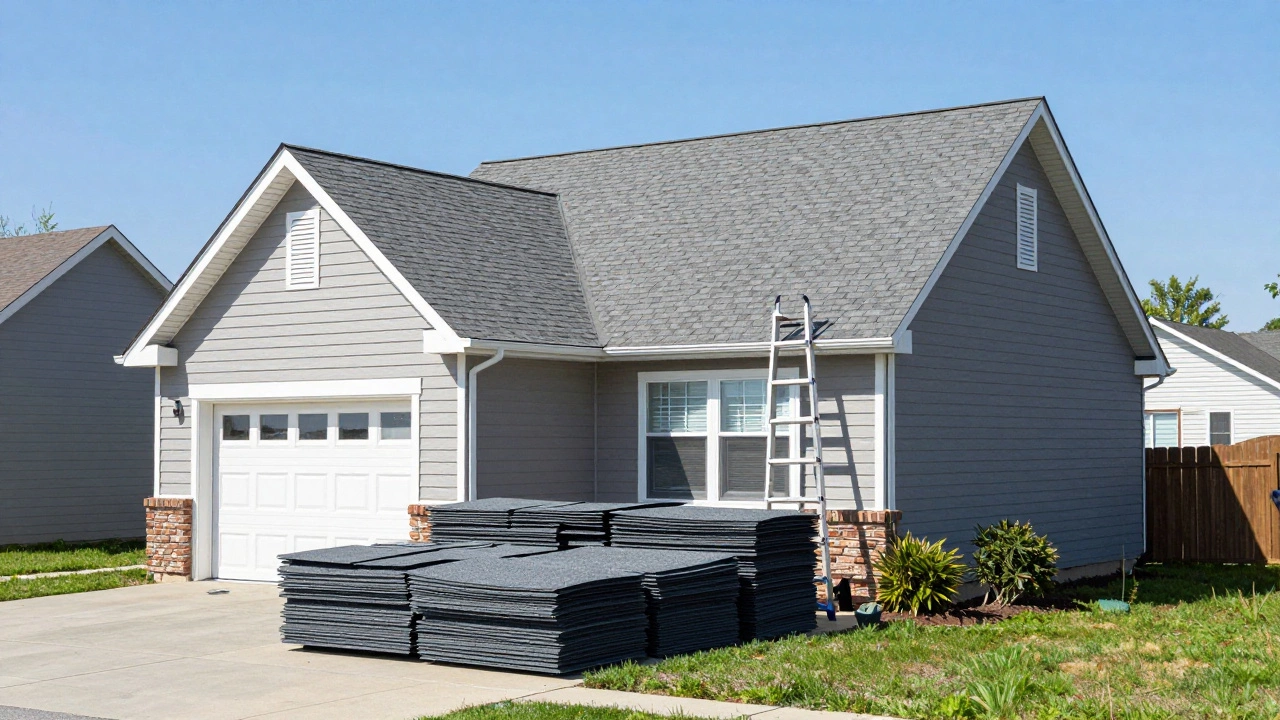
Asphalt Shingles is a composite material made of fiberglass glass mat and asphalt, coated with mineral granules for protection. These are the most common roofs in North America for a reason. They are cheap to buy, easy to transport, and almost any contractor knows how to install them. You generally have two choices: 3-tab shingles, which are the absolute cheapest but thinner, and architectural shingles, which cost slightly more but look better and last longer.
If you have a flat roof or a very low slope, you might look at EPDM Rubber, which is a synthetic rubber membrane used primarily for flat surfaces to prevent water penetration. While the material itself isn't as cheap as a bundle of shingles, it's the most affordable way to avoid the constant leaks associated with cheap felt or tar on flat roofs.
Then there is Rolled Roofing, which is a flexible, asphalt-saturated felt or fiberglass mat delivered in rolls. This is often the "emergency" or ultra-budget choice. It's incredibly cheap, but it doesn't look great and wears out quickly. Use this for sheds or porches, but be wary using it as your primary residential roof unless you're in a tight spot.
| Material | Typical Lifespan | Relative Cost | Best Use Case |
|---|---|---|---|
| 3-Tab Asphalt | 15-20 Years | $ (Lowest) | Quick fix / Low budget |
| Architectural Shingles | 25-30 Years | $$ (Moderate) | Standard residential home |
| Metal (Corrugated) | 40-70 Years | $$$ (High) | Long-term investment |
| Rolled Roofing | 5-10 Years | $ (Lowest) | Flat roofs / Outbuildings |
How to Lower Labor Costs
The material is only half the battle. In most roofing quotes, the labor is where the price skyrockets. If you're truly looking for the least expensive way to roof a house, you have to address the man-hours.
One way to save is by choosing a "roof-over." This is when a contractor installs new shingles directly over the old ones. It saves you the cost of tearing off the old material and paying for the disposal of the debris. However, you can only do this if you have one single layer of shingles. If you already have two, adding a third is too heavy and can actually damage your rafters.
Another option is the "DIY Demo." Many roofing crews charge a significant amount just to rip off the old shingles and haul them to the landfill. If you have a sturdy ladder, a crowbar, and a few helpful friends, you can handle the demolition. Just remember: roofing debris is incredibly heavy and messy. You'll need to rent a dumpster, which is a cost you must factor into your budget.
The Danger of "Too Cheap"
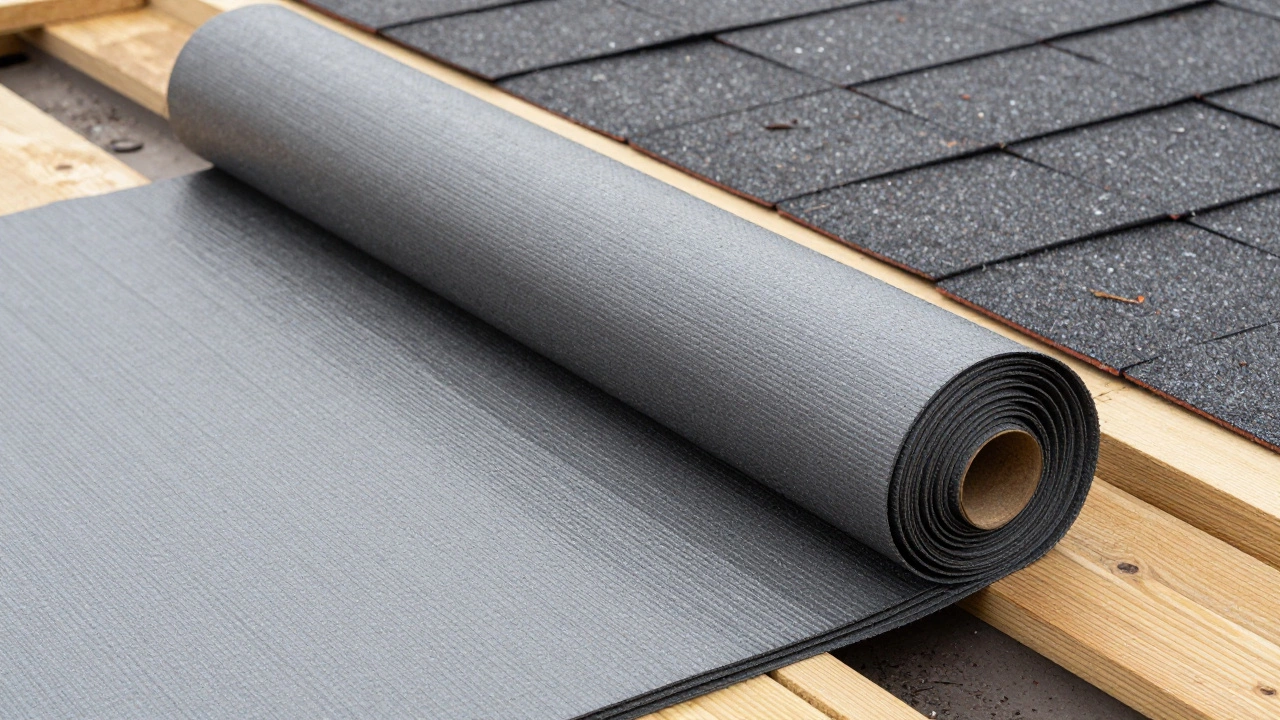
I've seen homeowners try to save $500 by skipping the Roof Underlayment, which is a water-resistant or waterproof barrier installed between the roof deck and the shingles. This is a huge mistake. The shingles are your first line of defense, but the underlayment is the actual safety net. If a storm rips a few shingles away and you have no underlayment, rainwater goes directly into your plywood and then into your ceiling. A $100 roll of synthetic underlayment is the cheapest insurance policy you'll ever buy.
Similarly, don't ignore Roof Ventilation. Proper airflow via ridge vents or soffit vents keeps the attic cool. If you save money by not venting your roof, the trapped heat will "cook" your new shingles from the inside out, cutting a 20-year roof down to 10 years. That's not saving money; that's wasting it.
Smart Timing and Sourcing
When you want to save money, timing is everything. Most roofing companies are slammed in the summer. If you can schedule your work for late autumn or early spring, you might find contractors more willing to negotiate their rates to keep their crews busy during the slow season.
Also, consider where you buy your materials. Big-box retail stores are convenient, but local wholesalers often have better bulk pricing if you're buying the whole roof at once. If you're doing the work yourself, check for "mis-ordered" stock. Sometimes a contractor orders the wrong color for a huge job and sells the leftover pallets at a 40% discount just to clear the space.
Evaluating the Long-Term Math
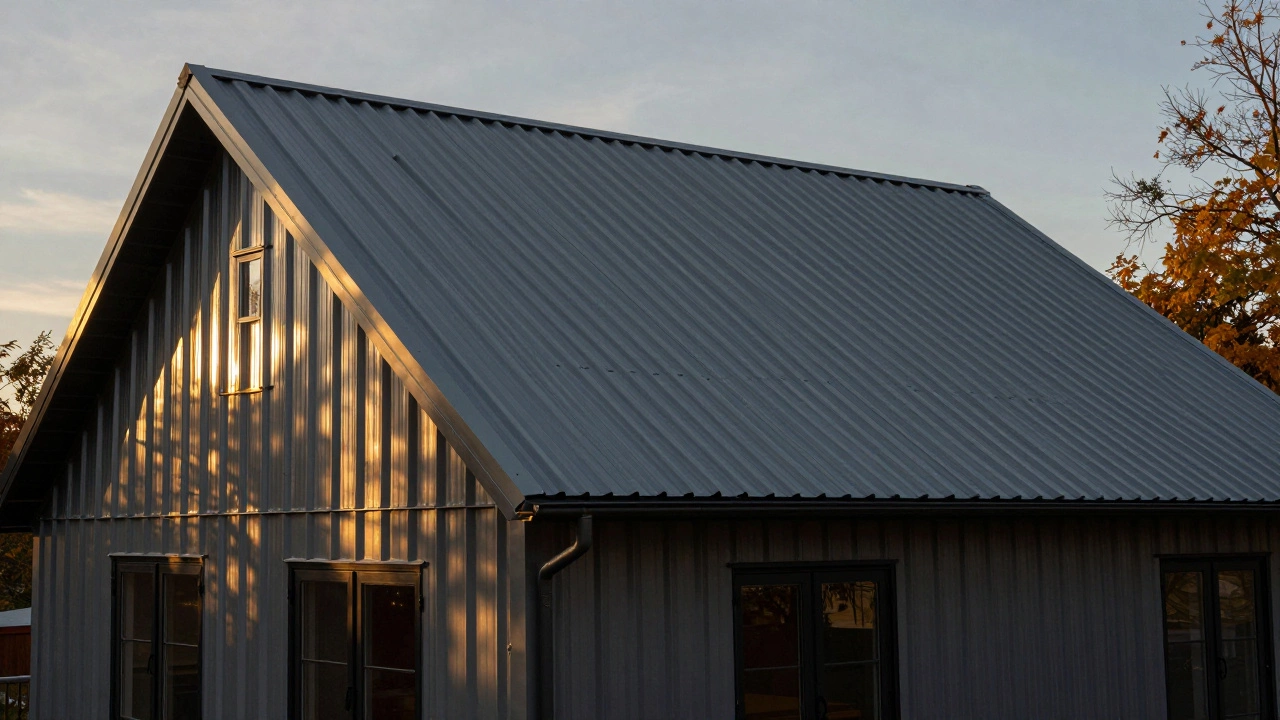
There is a difference between the *cheapest way* to roof a house today and the *most affordable way* to own a home over twenty years. This is where Metal Roofing comes into play. While a corrugated metal roof might cost twice as much as 3-tab shingles, it can last five times longer. If you spend $5,000 on shingles every 15 years, you'll spend $20,000 over 60 years. If you spend $10,000 on metal once, you've saved $10,000. If you plan on staying in the house for a decade or more, the "expensive" choice is actually the cheaper one.
Can I just patch the leaks instead of replacing the whole roof?
If your roof is just starting to fail in one or two spots, patching is a great short-term fix. However, once the granules start disappearing from the shingles across the entire surface, the material has reached the end of its life. Patching a dead roof is like putting a Band-Aid on a broken leg; it might stop the bleeding for a day, but it doesn't fix the underlying problem.
Is a DIY roof actually cheaper?
Yes, but only if you already own the tools and have the physical ability. You'll save thousands on labor, but you'll spend more on tool rentals and potentially more on materials because you'll likely make a few mistakes and waste a few bundles of shingles. More importantly, DIY roofs often void manufacturer warranties, meaning if the product fails, you're paying for the replacement yourself.
Which is cheaper: shingles or metal?
In terms of immediate cash out of pocket, shingles are significantly cheaper. They are lightweight and require less specialized equipment to install. Metal is a more expensive upfront investment due to the material cost and the need for specialized fasteners and flashing to prevent leaks at the seams.
Does the color of the roof affect the cost?
Generally, no. Standard colors like black, grey, or brown are the same price. However, some "designer" or rare colors may carry a premium. Interestingly, choosing a lighter color (like light grey or tan) can save you money on your cooling bills over time because it reflects more sunlight, though it won't change the initial installation price.
What is a 'roof-over' and is it safe?
A roof-over is when new shingles are installed over the old ones. It's safe and legal in many areas as long as you don't exceed two layers of roofing. It's the cheapest way to get a new roof because it eliminates demolition and disposal costs. The downside is that the contractor cannot inspect the roof deck for rot, so you're gambling that the wood underneath is still solid.