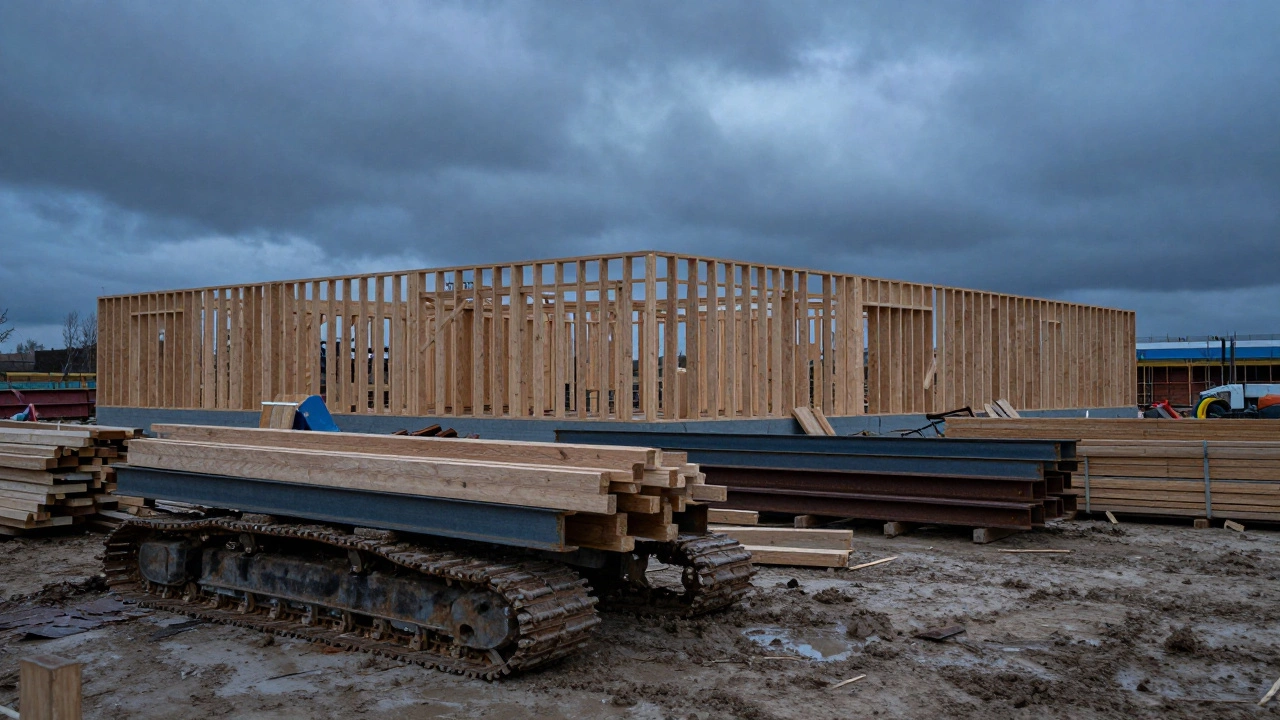
New Home Construction Cost & Risk Calculator
Project Details
Estimated Breakdown
- Base Construction $0
- Soft Costs & Fees (10%) $0
- Interest During Build $0
- Contingency Fund $0
- TOTAL ESTIMATED COST $0
Enter values to assess risk.
Enter your project details to see the hidden costs.
You’ve seen the glossy magazines. You’ve scrolled through Pinterest boards filled with sun-drenched kitchens and open-plan living spaces that look like they were designed by angels. The dream is simple: build your own home, exactly how you want it, from the ground up. But here’s the part nobody puts on the cover-building a house is messy, expensive, and often stressful.
While buying an existing home comes with its own set of headaches (leaky roofs, outdated wiring, someone else’s taste in wallpaper), constructing a new build introduces a completely different beast. It’s not just about pouring concrete; it’s about navigating bureaucracy, managing volatile supply chains, and dealing with human error at every turn. If you’re standing on the edge of this decision, you need to know what you’re signing up for before you break ground.
The Financial Black Hole
Let’s talk money first because it’s usually the biggest shock. Most people budget for the cost of materials and labor, but they forget about the hidden costs that creep up like weeds in a garden. In 2026, the volatility of material prices means your quote from six months ago might be invalid today. Lumber, steel, and copper fluctuate daily based on global trade tensions and energy costs.
Then there are the soft costs. These are the fees that don’t result in a physical wall or roof but still drain your bank account. Think architectural drawings, engineering stamps, soil tests, impact fees, and permit applications. In many jurisdictions, these can add 10% to 15% to your total project cost. And if you change your mind halfway through? That’s called a "change order," and contractors charge a premium for them because it disrupts their workflow.
| Cost Category | Description | Estimated Impact |
|---|---|---|
| Permitting & Fees | Local government charges for plan review and inspections | $2,000 - $10,000+ |
| Site Preparation | Clearing, grading, and utility connections | $5,000 - $30,000 |
| Contingency Fund | Buffer for unexpected issues (recommended 10-20%) | Variable |
| Financing Interest | Interest paid during the construction period | Significant over 12-18 months |
Don’t underestimate the financing aspect either. Construction loans are trickier than standard mortgages. You pay interest only on the amount drawn down during construction, which means your monthly payments vary wildly. Once the build is done, you have to refinance into a permanent mortgage, exposing you to potential rate hikes between the start and end of the project.
The Time Trap: Delays Are Inevitable
If you think building a house takes nine months, you’re likely optimistic. In reality, most custom builds stretch to 12-18 months, sometimes longer. Why? Because things go wrong. Always.
Weather is the first culprit. Rain stops excavation. Snow halts roofing. Extreme heat slows down concrete curing. Then there’s the supply chain. Even in 2026, getting specific fixtures, windows, or specialty tiles can take weeks or months. I’ve seen projects stall for three weeks because a single batch of bathroom vanity cabinets was delayed at the factory.
But the real time-sink is the approval process. Getting planning permission can take months depending on your local council. Once approved, every stage of construction requires inspections. If a plumber makes a mistake behind a wall, you wait for the inspector, fix it, wait again, and then proceed. Each delay pushes back the entire timeline, increasing your holding costs and prolonging the stress.
Decision Fatigue: The Mental Toll
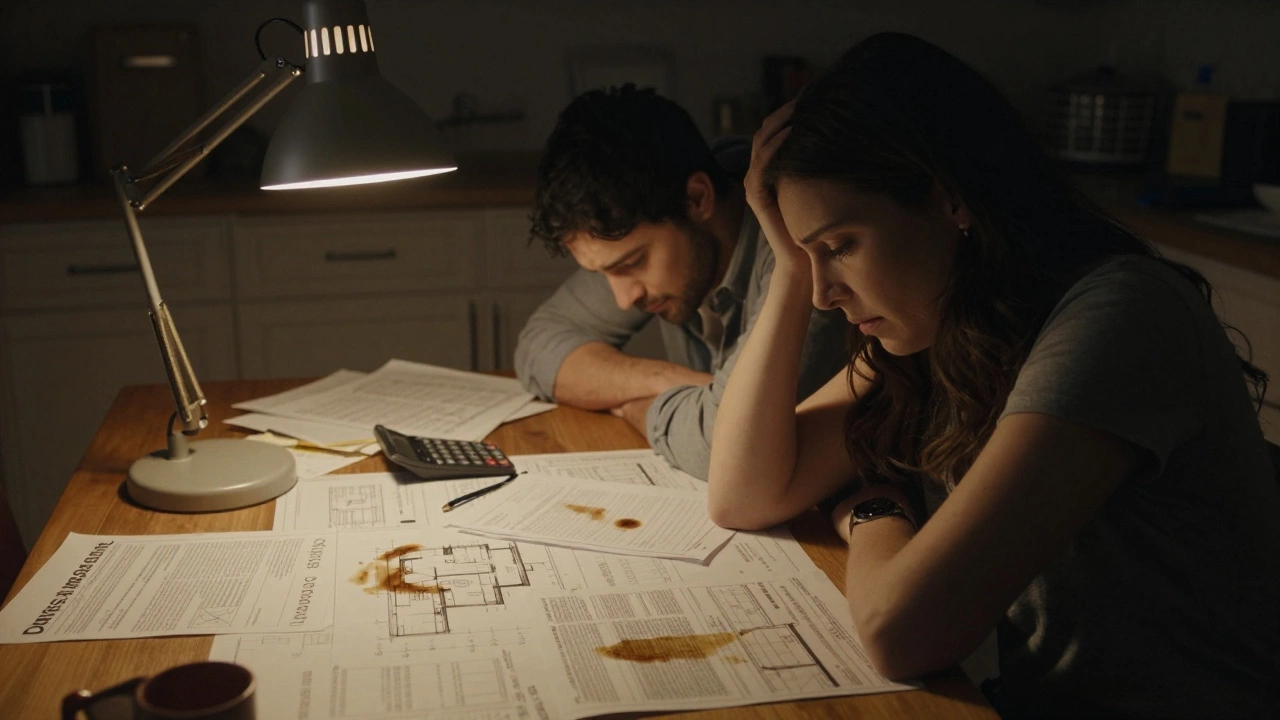
Building a house isn’t just a financial or logistical challenge; it’s a psychological one. You will make thousands of decisions. What type of insulation? Which brand of thermostat? Do we want hardwood or engineered wood? How many outlets in the kitchen?
This constant stream of choices leads to decision fatigue. By month four, you might be so exhausted that you settle for inferior options just to get it over with. Or worse, you argue with your partner over tile grout color, straining relationships that should be celebrating a new beginning. The mental load of managing a construction project is comparable to running a small business, except you’re also trying to maintain your day job and personal life.
Quality Control: Trusting Strangers
When you buy an existing home, you can see what you’re getting. With a new build, you’re trusting a team of subcontractors to do a good job. And while many are skilled professionals, not all are. You might hire a reputable general contractor, but they rely on electricians, plumbers, and carpenters who may be juggling multiple jobs.
Have you ever heard of "builder-grade" finishes? That’s the term for materials that look fine in photos but feel cheap in person. Thin cabinet doors, hollow-core interior doors, and laminate countertops that scratch easily. Unless you specify high-end materials explicitly-and pay for them-you’ll get the minimum acceptable standard. Inspecting every nail and joint is impossible for most homeowners, leaving room for shortcuts.
The Neighborhood Risk
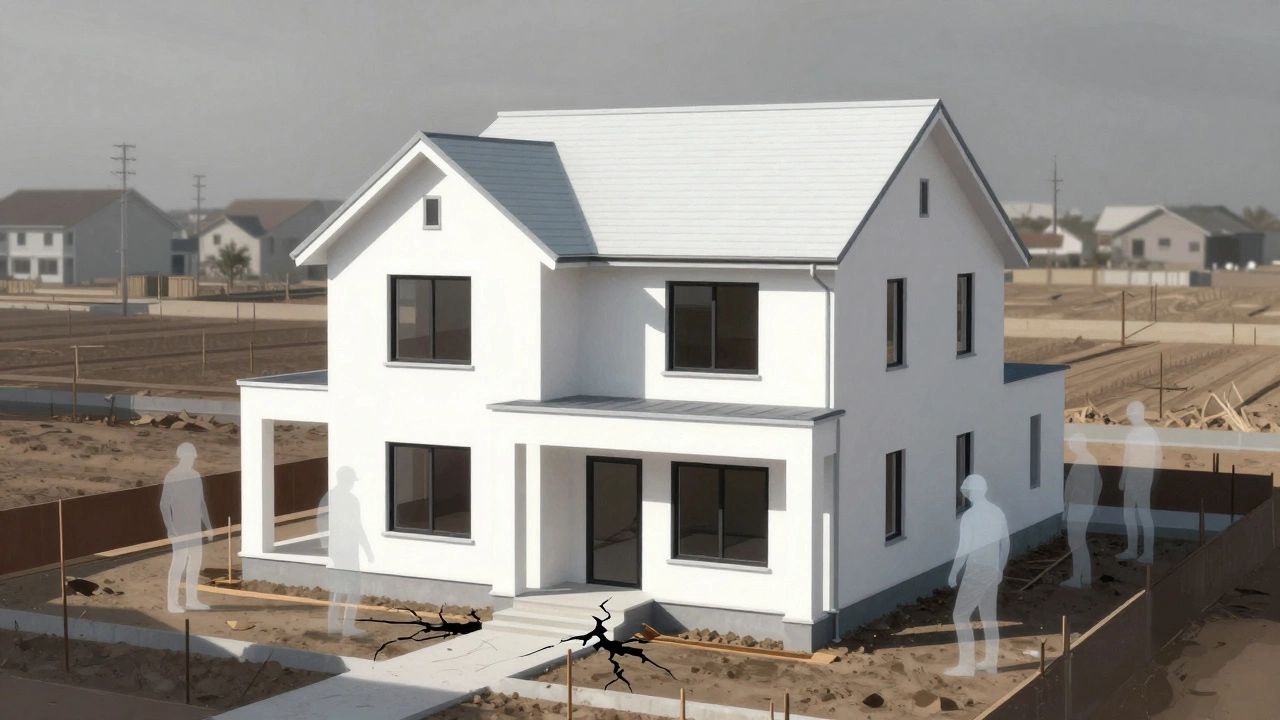
You might love the plot of land, but have you considered who will live next door? When you buy an existing home, the neighborhood is established. With a new build, especially in developing areas, you’re betting on future growth. Will the developer sell the adjacent lots to families with kids or investors looking for rental income? Will a large commercial complex be built across the street, bringing traffic and noise?
In some cases, building a new home can lower the value of surrounding properties if it’s significantly larger or more luxurious than the rest of the street. This can create friction with neighbors who feel their property values are threatened. Conversely, if the area doesn’t develop as expected, your investment could stagnate. Location is everything in real estate, but with new builds, location is still being written.
Environmental and Regulatory Hurdles
Building codes are getting stricter, which is good for safety but bad for flexibility. Energy efficiency standards, seismic requirements, and accessibility rules mean you can’t just build whatever you want. You might dream of a glass-walled modern box, but the code might require additional structural support or shading devices to meet energy targets.
Additionally, environmental regulations can halt projects unexpectedly. Discovering protected species on your land, contaminated soil, or wetlands nearby can force redesigns or even cancel the build entirely. These surprises are rare but devastating when they happen.
Is it cheaper to build a new house or buy an existing one?
It depends on your location and market conditions. In many urban areas, buying an existing home is cheaper upfront due to economies of scale and established infrastructure. However, new builds often have lower maintenance costs and better energy efficiency in the long run. Generally, custom building costs 20-30% more per square foot than buying an older home in the same area.
How much contingency fund should I keep for building a house?
Financial experts recommend keeping a contingency fund of 10-20% of your total construction budget. This covers unexpected issues like foundation problems, material price increases, or design changes. Without this buffer, you risk running out of money mid-project, which can lead to unfinished work or legal disputes.
What are the biggest causes of construction delays?
The top causes include weather interruptions, supply chain shortages for key materials, permit approval bottlenecks, and labor shortages. Poor communication between the homeowner and contractor also leads to delays as decisions are made slowly or incorrectly.
Can I manage the construction process myself without a general contractor?
Yes, this is called owner-builder construction, but it’s risky. You become responsible for scheduling trades, obtaining permits, and ensuring code compliance. While you save on contractor fees (typically 10-20%), you lose valuable time and expertise. Mistakes can be costly, and banks may refuse to lend to owner-builders without proof of experience.
Are new builds more environmentally friendly than old homes?
Generally, yes. New builds must meet current energy efficiency codes, meaning better insulation, tighter seals, and efficient HVAC systems. However, the embodied carbon in new materials (concrete, steel) is high. Retrofitting an existing home can sometimes be greener if it avoids demolition waste and preserves existing structures.