Commercial vs Residential Flooring: Key Differences You Need to Know
When it comes to flooring, commercial flooring, flooring designed for high-traffic business environments like retail stores, offices, and restaurants. Also known as heavy-duty flooring, it's built to handle constant foot traffic, heavy furniture, and long hours of use without showing wear. On the other side, residential flooring, flooring made for homes, where comfort, style, and personal taste often matter more than extreme durability. Also known as home flooring, it’s chosen for how it looks, feels underfoot, and fits your lifestyle. These aren’t just different settings—they’re different demands. A grocery store needs a floor that won’t crack when a forklift rolls over it. Your living room just needs to look good when your kids drop their cereal.
The biggest gap between commercial vs residential isn’t price—it’s purpose. Commercial spaces require flooring that meets strict fire safety codes, slip resistance standards, and wear ratings from organizations like the Floor Covering Industry Association. Residential floors? They just need to survive pets, shoes, and spilled coffee. That’s why you’ll see vinyl composition tile (VCT) in hospitals and retail chains, but not in most homes. And why engineered wood is popular in living rooms but rarely used in warehouses. The materials overlap sometimes, but the rules don’t. A floor that lasts 20 years in a home might only last 3 in a busy café. And a floor rated for 100,000 foot traffic cycles? That’s standard in commercial, but overkill for your bedroom.
Installation matters too. Commercial jobs often need to be done after hours, with minimal disruption. That means faster drying adhesives, modular tiles, or floating floors that don’t require curing time. Residential installs? You can take your time. You might spend a whole weekend laying planks while listening to music. Commercial contractors work with permits, inspections, and deadlines. Homeowners just want it done before the party. Even the warranty terms differ—commercial warranties cover heavy use and foot traffic, while residential ones focus on fading, warping, or manufacturing flaws.
What you’ll find in this collection are real examples of both worlds. Posts like What Is Type 5 Building Construction? show how commercial spaces are built to handle specific flooring loads. Others, like Timeless Flooring: Materials That Never Go Out of Style and How to Make Your House Look Expensive, dig into what makes residential choices last—and look good doing it. You’ll see why luxury vinyl plank works in both, but for totally different reasons. And you’ll learn why a floor that’s perfect for your kitchen might be a disaster in a dental office.
Whether you’re a homeowner planning a renovation or a business owner picking out floors for your shop, knowing the difference between commercial and residential flooring saves you money, time, and headaches. Don’t buy a residential floor thinking it’ll hold up in a gym. Don’t install a commercial-grade floor in your bedroom unless you’re into cold, hard surfaces and zero warmth. The right choice isn’t about being fancy—it’s about matching the job to the material. Below, you’ll find guides, cost breakdowns, and real-life comparisons that make this simple to get right.
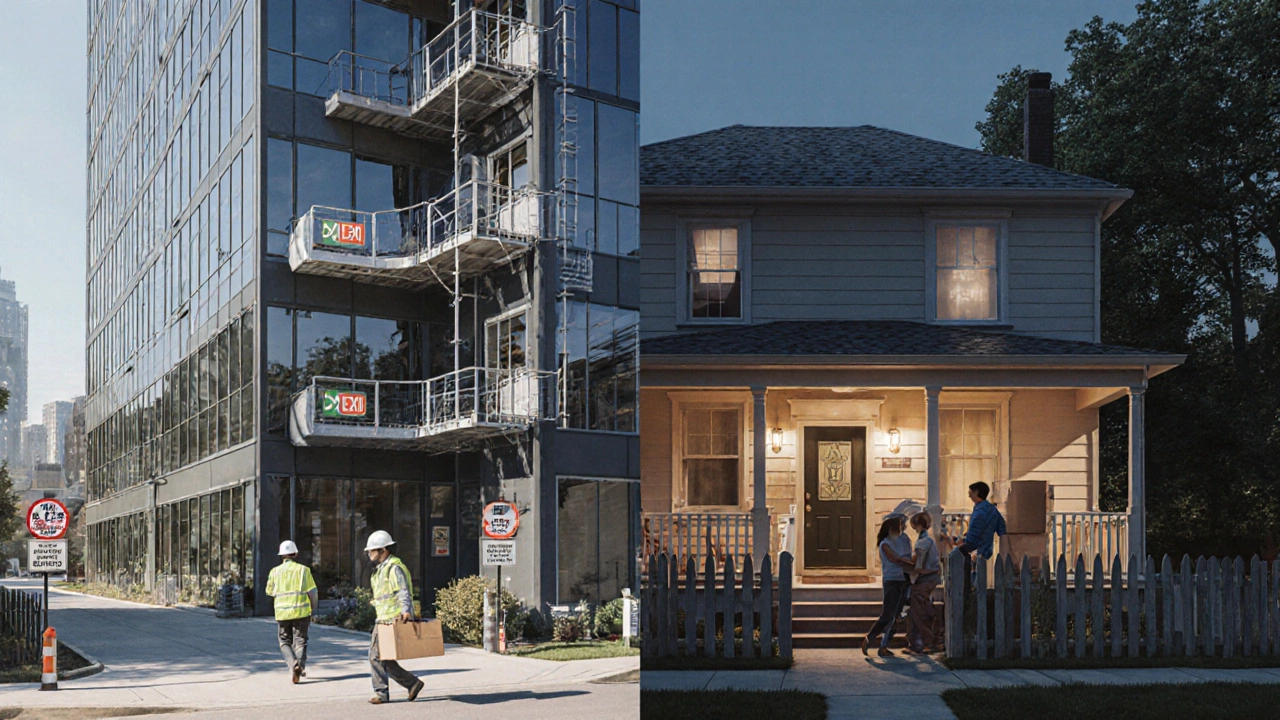
Commercial vs Residential Construction: Which Is Better for Your Project?
- Gavin Whitaker
- |
- |
- 0
Commercial and residential construction serve very different purposes. Learn the key differences in cost, timeline, financing, and risk to decide which type of building is better for your goals.
View more