Tag: commercial construction - Page 2
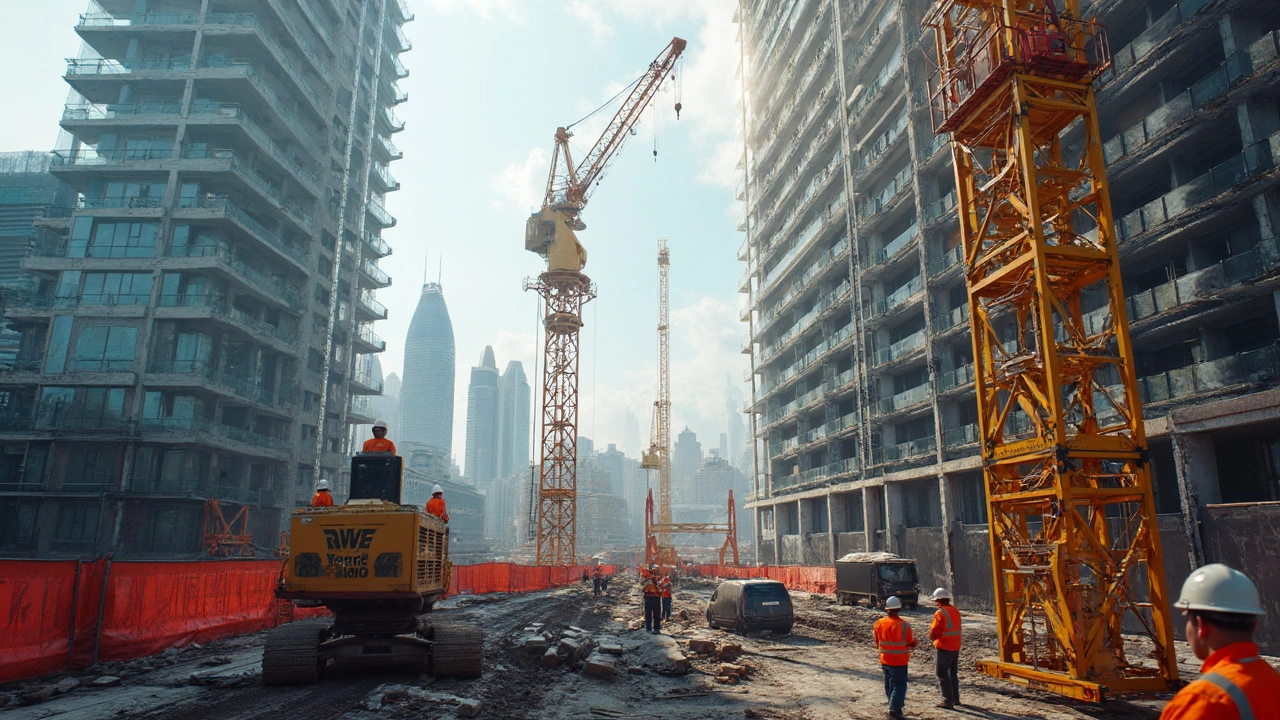
Commercial Construction: What's Covered?
- Gavin Whitaker
- |
- |
- 0
Commercial construction projects are complex, involving many moving parts. Understanding what is covered under commercial insurance is crucial for construction projects to avoid facing unexpected risks and financial setbacks. This guide explores the essential elements of commercial construction coverage, explaining necessary insurance, common exclusions, and risk management tips.
View more
Understanding the 3 4 5 Method in Commercial Construction
- Gavin Whitaker
- |
- |
- 0
The 3 4 5 method is a simple yet effective technique used in commercial construction to ensure right angles in building projects. By applying the Pythagorean theorem in a practical way, this method helps builders create perfectly squared corners, which is essential for structural integrity. This article explains how the method works, its benefits, and handy tips for applying it on-site. With a clear understanding of the process, builders can enhance both the quality and precision of their construction projects.
View more
What Type of Construction Dominates Commercial Buildings?
- Gavin Whitaker
- |
- |
- 0
Ever wondered what kind of construction methods stand behind the towering buildings in our cities? Discover the most common types of constructions used for commercial buildings, from towering skyscrapers to sprawling shopping centers. Understand the materials, techniques, and architectural styles that mold our urban landscapes. If you're curious about what makes commercial buildings stand tall and sturdy, this is your guide.
View more
Understanding What Falls Under Commercial Use in Construction
- Gavin Whitaker
- |
- |
- 0
In the realm of construction, 'commercial use' covers buildings intended for business activities, like offices, shopping centers, and industrial facilities. Understanding zoning laws and building codes is crucial for ensuring compliance and avoiding fines. This article delves into what constitutes commercial use, providing clarity on regulations, different building types, and tips for successful project navigation. Learn about the impact of zoning and how to efficiently manage commercial construction projects.
View more
Understanding Type D Construction: Essentials You Need to Know
- Gavin Whitaker
- |
- |
- 0
Type D construction is a classification that specifies particular standards and materials used in building structures. It's critical for engineers and architects in the commercial sector to distinguish Type D from other classifications for proper design and safety compliance. Understanding the nuances of Type D can mean the difference between a successful project and costly mistakes. Familiarize yourself with its defining characteristics, where it's most applicable, and some tips for optimizing your projects.
View more
Comparing Commercial and Residential Construction Projects: Key Differences Explained
- Gavin Whitaker
- |
- |
- 0
This article delves into the differences between commercial and residential construction projects, highlighting distinctive factors in scope, design, materials, and regulations. Understand how each project type caters uniquely to various needs and functions. Gain insights into the pivotal roles of budgeting and scheduling, as well as the crucial element of community impact. Practical tips are also provided for professionals navigating either landscape.
View more
Understanding Type C Construction in Commercial Projects
- Gavin Whitaker
- |
- |
- 0
Type C Construction is a classification in the building industry defining structures with lower fire-resistance levels. These buildings, often made of non-combustible materials, suit projects with less complex safety requirements. Understanding this category is crucial for developers and architects planning cost-effective and efficient commercial buildings. This article explores its characteristics, advantages, and limitations, providing insights for modern construction needs.
View more
Exploring Key Differences Between Commercial and Residential Buildings
- Gavin Whitaker
- |
- |
- 0
Understanding the difference between commercial and residential buildings is crucial for developers, architects, and investors. Commercial buildings are designed for businesses, whereas residential buildings are for homes. The structural design, regulatory requirements, and intended purposes significantly differ between the two. A clear comprehension of these differences aids in making informed decisions in construction planning and development strategies.
View more