Sofa Cushion Decision Assistant
Answer these questions to find out which upholstery type fits your life best.
Your Ideal Sofa Type
Why this choice?
Maintenance Tip
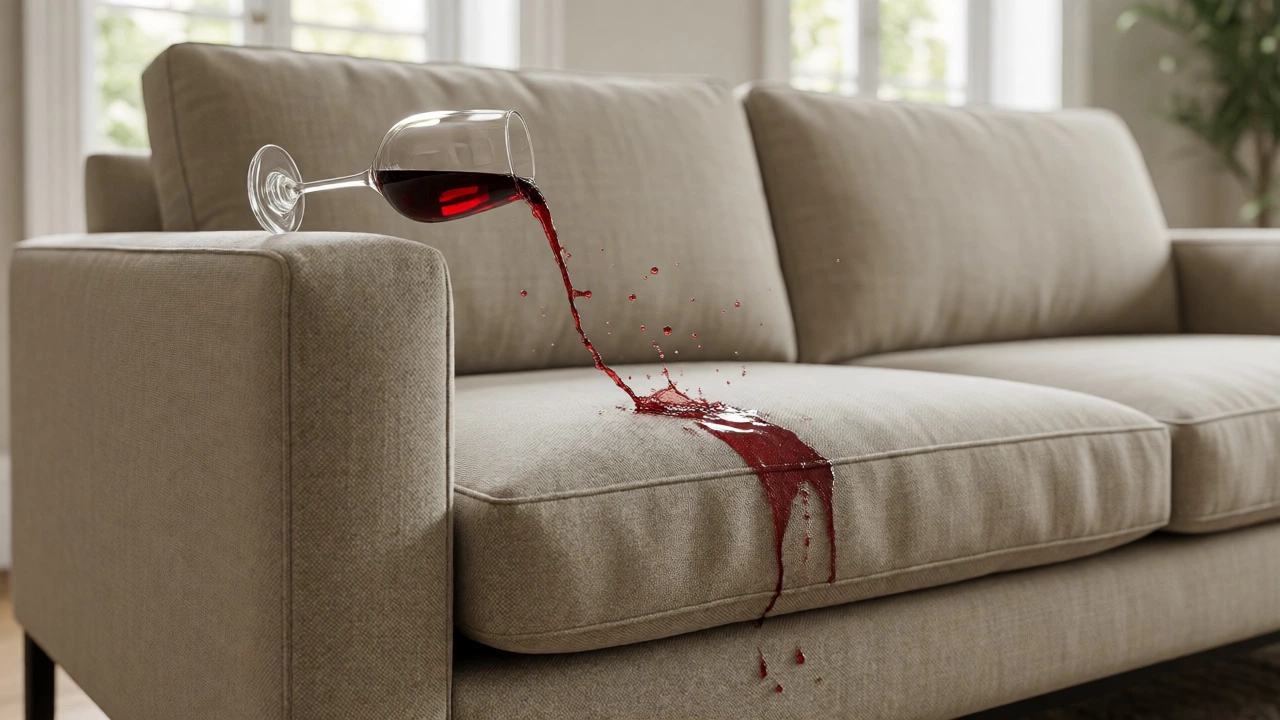
You’re sitting on your new sofa, feeling pretty good about the purchase, until you spill a glass of red wine. Panic sets in. Do you blot it? Rub it? Call a professional? If your sofa has fixed covers, you’re likely calling a cleaner. But if you have removable cushions, you might just be tossing them in the wash. This simple design choice changes everything about how you live with your furniture.
The debate over whether to buy a couch with removable or fixed upholstery isn’t just about aesthetics. It’s a decision that impacts longevity, hygiene, cost, and comfort. Many people assume removable is always better because it sounds more convenient. But is it? And are there downsides you haven’t considered?
Why Removable Cushions Matter for Longevity
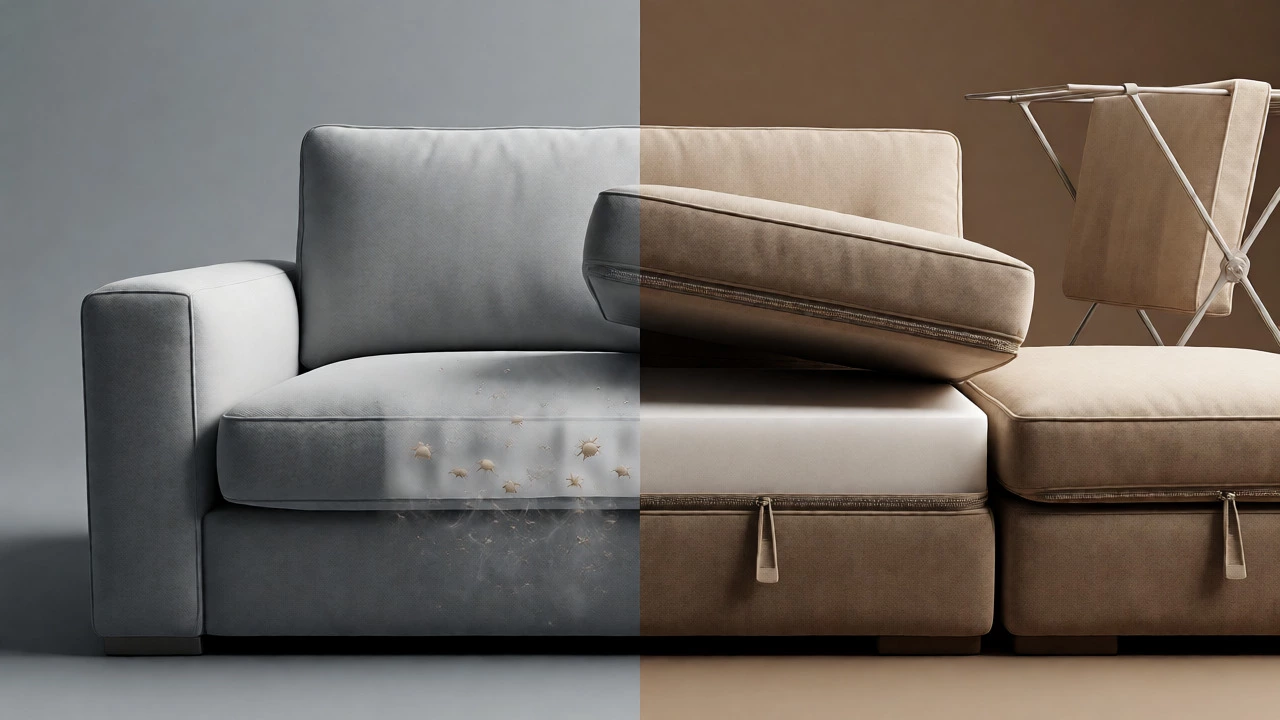
Furniture is an investment. The average quality sofa lasts between seven and ten years. That’s a long time to keep something looking fresh, especially if you have kids, pets, or a habit of eating dinner on the coffee table. Removable covers give you a reset button. When a cushion starts to sag or stain, you can often flip it, rotate it, or even replace just the foam insert without buying a whole new frame.
Fixed upholstery, by contrast, traps wear and tear. Once the fabric on a non-removable cushion wears thin or develops a permanent odor from absorbed sweat and spills, the entire piece looks tired. You can’t easily swap out the internal structure. With removable options, you maintain control over the lifespan of individual components.
| Feature | Removable Covers | Fixed Upholstery |
|---|---|---|
| Cleaning Method | Machine washable (usually) or spot clean | Professional steam clean or vacuum only |
| Repair Cost | Low (replace cover or foam) | High (reupholster entire piece) |
| Aesthetic Aging | Can refresh look by swapping covers | Wears evenly; hard to fix localized damage |
| Pet Hair Removal | Easy (shake out or lint roll) | Difficult (requires vacuuming attachments) |
The Hygiene Factor: Who Needs Removable Covers?
If you have allergies, this part is non-negotiable. Dust mites, pet dander, and mold spores accumulate deep within upholstery. Fixed covers act like a trap. You can vacuum the surface, but you can’t get inside. Removable covers allow you to launder the fabric regularly, significantly reducing allergen loads. For households with asthmatic members or severe dust allergies, the health benefit outweighs almost any aesthetic preference.
Pet owners also fall into this category. Cats shed. Dogs roll in things they shouldn’t. While no amount of washing removes every trace of dog smell forever, being able to unzip and wash a cushion cover makes a massive difference in keeping your living room smelling neutral rather than musky. Fixed upholstery absorbs odors into the foam and frame, which is much harder to treat.
The Aesthetic Trade-Off: Do They Look Worse?
Here’s where opinions diverge sharply. Design purists often argue that fixed upholstery looks sleeker. Without zippers, seams, or excess fabric bunching at the corners, the lines of the sofa appear cleaner and more tailored. Think of high-end Italian sofas-they rarely have visible zippers. The fabric is stretched taut, creating a seamless, modern silhouette.
Removable covers can sometimes look slightly looser or baggier, especially after several washes. Fabric shrinks or stretches depending on the material. If you’re aiming for a minimalist, ultra-modern look, fixed upholstery might align better with your vision. However, many contemporary brands have improved their designs. Hidden zippers, structured piping, and high-quality linens now offer removable functionality without the "slipcover" look of decades past.
Cost Implications: Upfront vs. Long-Term
Sofas with removable covers often carry a higher price tag initially. Why? Because the construction is more complex. Manufacturers need to build precise frames to accommodate inserts, source durable fabrics that withstand washing, and install high-quality zippers that won’t break after three cycles. You’re paying for engineering flexibility.
But consider the total cost of ownership. A $1,500 sofa with fixed covers might need professional cleaning twice a year at $150 per session. Over five years, that’s $1,500 in cleaning costs alone. If a stain ruins the fabric, reupholstering could cost $800-$1,200. A $1,800 sofa with removable covers might save you thousands in maintenance and replacement costs. If you have clumsy toddlers, the math heavily favors removable.
Comfort and Customization
One underrated benefit of removable cushions is adjustability. Most removable-cushion sofas come with separate seat and back cushions. This allows you to rearrange them. Prefer a firmer seat? Flip the cushion. Want deeper lumbar support? Rotate the back pillows. With fixed upholstery, the comfort level is locked in when you buy it. You can add throw pillows, but you can’t change the core seating experience.
Some modular systems take this further. Brands like IKEA and Article offer sofas where you can buy extra cushion sets. If one section gets worn down, you replace just that piece. This modularity extends the life of the furniture significantly and lets you adapt the layout as your needs change-say, adding a chaise lounge section later.

Potential Downsides of Removable Covers
It’s not all sunshine and easy laundry days. There are real drawbacks:
- Zipper Failure: Cheap zippers break. If a zipper snaps, replacing it requires sewing skills or a tailor. High-end metal zippers last longer but can scratch floors or skin.
- Fabric Shrinkage: Washing cotton or linen covers can cause shrinkage. If you wash them incorrectly, they might not fit back onto the cushion properly, leading to a sloppy appearance.
- Fit Issues: Over time, elastic bands or ties inside the covers can loosen. Cushions may slide around more than you’d like, requiring constant readjustment.
- Limited Fabric Choices: Some luxurious, delicate fabrics (like velvet or silk blends) aren’t suitable for machine washing. Removable covers made from these materials still require dry cleaning, negating some convenience benefits.
How to Choose: A Decision Framework
So, should you go removable? Use this quick checklist to decide:
- Do you have children under 10? Yes? Get removable. The mess will happen.
- Do you have shedding pets? Yes? Get removable. Your nose will thank you.
- Are you allergic to dust? Yes? Get removable. Wash weekly.
- Is your budget tight? Maybe. Check if the brand offers spare covers. If not, fixed might be cheaper upfront.
- Do you prefer a tailored, minimalist look? Then fixed might appeal more, provided you commit to regular professional cleaning.
- Will you move frequently? Removable covers are easier to transport and protect during moves.
In London, where damp weather can exacerbate mold issues in upholstered furniture, the ability to air out and wash covers is particularly valuable. Humidity gets trapped in fixed foam. Sunlight and washing kill mold spores. If you live in a ground-floor flat with limited ventilation, this factor becomes critical.
Maintenance Tips for Removable Covers
To get the most out of your investment, follow these rules:
- Check Labels First: Never assume “removable” means “machine washable.” Some require dry cleaning only. Always check the care tag.
- Zips Closed: Zip up covers before washing to prevent snagging and protect the zipper teeth.
- Air Dry Preferred: Tumble drying can shrink natural fibers. Hang dry if possible. If using a dryer, use low heat.
- Rotate Regularly: Even with washable covers, rotate cushions every month to ensure even wear on the foam.
- Vacuum Weekly: Don’t wait for stains. Vacuum between crevices to remove crumbs and hair before they embed.
Do removable sofa cushions make the sofa less comfortable?
Not necessarily. In fact, they can enhance comfort by allowing you to adjust firmness. However, poorly designed removable covers can feel loose or create uneven surfaces. Look for sofas with structured inner liners or elasticated bottoms to keep cushions in place.
Can I wash all types of removable sofa covers?
No. Always check the care label. Cotton and polyester blends are usually machine washable. Wool, silk, and certain velvets often require dry cleaning. Washing delicate fabrics incorrectly can ruin the texture and color.
Are sofas with fixed upholstery harder to clean?
Yes. Fixed upholstery relies on surface vacuuming and occasional professional steam cleaning. You cannot remove the fabric to wash it deeply, so stains and odors tend to set in faster unless treated immediately.
What is the best fabric for removable sofa covers?
Performance fabrics, such as microfiber or treated polyesters, are excellent choices. They resist stains, fade less, and withstand frequent washing. Linen is popular for its look but wrinkles easily and may shrink if not washed carefully.
Do removable covers affect the resale value of a sofa?
Generally, yes, positively. Buyers perceive removable covers as a sign of practicality and ease of maintenance. A sofa with well-maintained, cleanable covers is easier to sell second-hand than one with fixed, potentially stained upholstery.