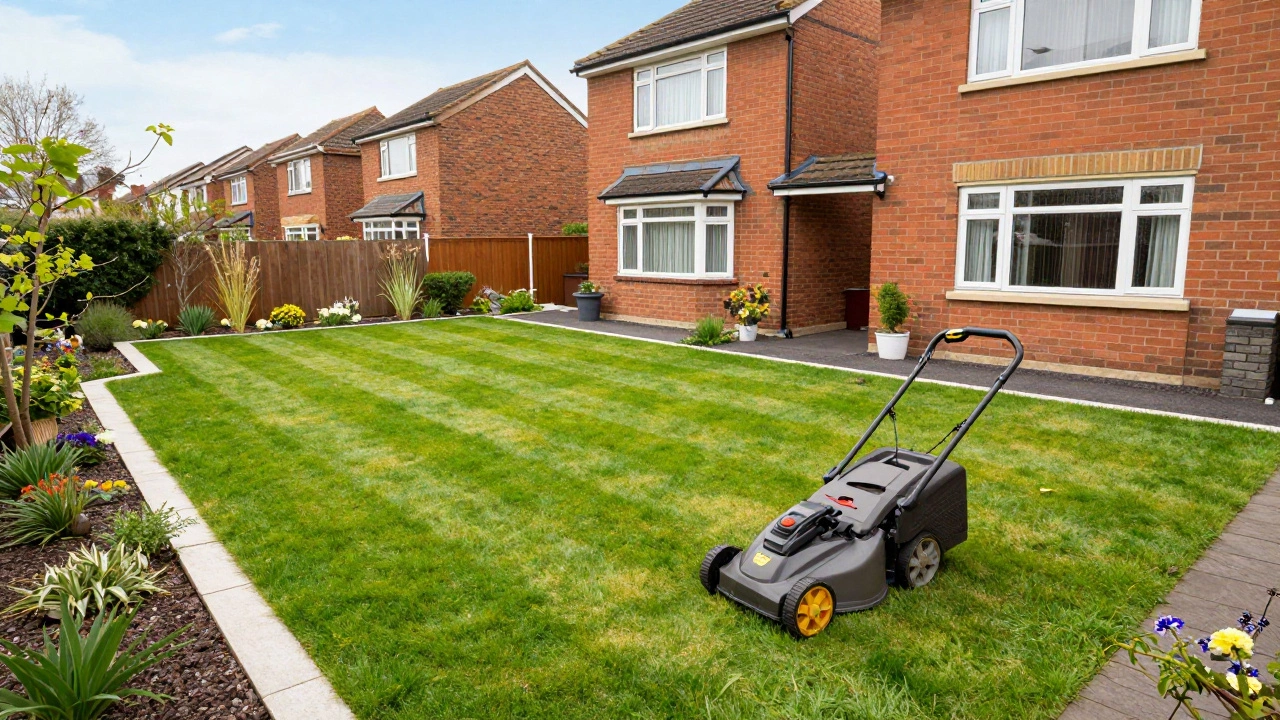
Lawn Mowing Cost Calculator UK 2026
Estimate Your Lawn Care Costs
You step out to check your garden, and that patch of green has turned into a jungle. The grass is waist-high, hiding bugs, damp patches, and maybe even a lost tennis ball from last week. You need it cut, but you’re not sure if asking for £20 is fair or if offering £100 will make you look like a sucker. Pricing for landscaping services, specifically lawn maintenance, is notoriously opaque. There is no national price list, and every quote feels like a gamble.
In London and across England in 2026, the average homeowner pays between £30 and £50 for a standard weekly mow. But that number swings wildly depending on whether you have a postage-stamp yard or a sprawling estate, and whether you hire a teenager with a push mower or a professional crew with ride-on machines. Understanding what drives these costs helps you avoid overpaying while ensuring your turf gets the attention it needs.
The Baseline: Average Lawn Mowing Prices in 2026
If you want a quick answer, here is the reality on the ground. For a typical suburban semi-detached house with a front and back lawn, most professionals charge between £35 and £45 per visit. This assumes the job takes about 30 to 45 minutes. If your property is smaller-a flat with a tiny patio garden-you might pay as little as £20 to £25. Larger properties, particularly those with over 50 square meters of grass, often see quotes jump to £60 or more.
These figures reflect the current market conditions in the UK. Fuel costs have stabilized compared to previous years, but labor rates remain high due to tight employment markets in the service sector. A solo operator using their own equipment charges less than an established company with insurance, staff, and overheads. However, the gap isn’t always huge. Many independent landscapers now charge premium rates because demand exceeds supply during peak seasons.
| Property Type | Lawn Size Estimate | Average Cost Per Visit | Frequency |
|---|---|---|---|
| Small Garden / Flat | Up to 20 sqm | £20 - £30 | Bi-weekly or Monthly |
| Semi-Detached House | 20 - 50 sqm | £35 - £45 | Weekly |
| Detached House | 50 - 100 sqm | £50 - £75 | Weekly |
| Large Estate / Commercial | 100+ sqm | £80 - £150+ | Weekly or Bi-weekly |
Why Your Quote Might Differ From the Average
Size matters, but it is only one piece of the puzzle. Several factors can push your price up or down. First, consider accessibility. If your lawn is enclosed by gates, narrow pathways, or steep slopes, the job takes longer and requires more careful maneuvering. Professionals may add a surcharge for difficult access because it increases wear on their equipment and raises safety risks.
Second, think about the condition of the grass. Is it neatly trimmed, or has it been neglected for months? Cutting long, thick grass strains mowers and takes twice as long. Some landscapers offer a "first cut" discount to win regular business, while others charge extra for initial cleanup. Always clarify this before agreeing on a price.
Third, location plays a role. In London, especially in boroughs like Kensington, Chelsea, or Richmond, prices tend to be 10-20% higher than in outer suburbs or rural areas. Higher living costs mean operators need to charge more to sustain their business. Conversely, in smaller towns outside major cities, you might find competitive rates closer to the lower end of the scale.
One-Off Visits vs. Regular Contracts
Here is where many homeowners lose money. Booking a single mow seems convenient, but it is rarely the best value. Most professionals charge a premium for one-off jobs because they cannot guarantee future income. A regular weekly or bi-weekly contract locks in a better rate and ensures consistent care for your lawn.
For example, a one-off mow might cost £50, while signing up for a six-month weekly contract could drop that same service to £35 per visit. That saves you £90 over 18 weeks. Plus, regular visits keep the grass healthy. Frequent trimming encourages dense growth, which naturally suppresses weeds. Neglecting the lawn leads to thinning patches, moss invasion, and eventually, costly reseeding or turf replacement.
If you prefer flexibility, ask about seasonal packages. Many landscapers offer spring-to-autumn contracts that pause during winter when grass growth slows significantly. This approach balances budget control with reliable service.

What’s Included in the Price?
Not all quotes are created equal. When someone says they’ll mow your lawn for £30, does that include edging? Blowing away clippings? Removing debris? These extras matter. Edging along paths and flower beds gives a polished look but adds time. Leaf blowing keeps walkways clean but requires additional fuel and equipment.
Ask for a detailed breakdown. A transparent provider will list each task separately. If they bundle everything into one vague fee, you might miss hidden limitations. For instance, some operators exclude waste removal unless specified. Leaving piles of grass clippings on your driveway isn’t exactly helpful.
Also, check if they bring their own water for cleaning tools or if they expect access to your tap. Small details like this can affect convenience and hygiene.
Hiring Independents vs. Established Companies
You have two main options: hiring an individual landscaper or contracting a registered company. Each has pros and cons.
Independent operators often charge less because they have fewer overheads. They might work out of their van, use personal tools, and handle bookings themselves. This setup allows for flexible scheduling and personalized service. However, you take on more risk. If something goes wrong-say, your fence gets damaged or the worker slips on wet grass-you may have limited recourse unless they carry public liability insurance.
Established companies provide peace of mind. They employ vetted staff, maintain insured vehicles, and follow strict health and safety protocols. Their prices are higher, reflecting these safeguards. If issues arise, there is a clear chain of responsibility. For larger properties or complex gardens, the extra cost is usually worth it.
Always verify credentials. Ask for proof of insurance and references. A quick online search can reveal reviews from past clients. Look for patterns: punctuality, quality of work, communication style. One bad review might be an outlier; multiple complaints about lateness or poor results are red flags.

DIY Alternatives: Is It Cheaper to Do It Yourself?
If you enjoy outdoor work, doing it yourself saves cash upfront. A decent push mower costs around £150-£300, and a ride-on model ranges from £800 to £2,000+. Add fuel, maintenance, and storage space, and the total investment grows quickly.
Consider your time. Mowing a medium-sized lawn takes about 45 minutes. Over a year, that adds up to nearly 40 hours. At a modest hourly wage equivalent, DIY becomes expensive when factoring in opportunity cost. Plus, improper technique can damage your lawn. Cutting too short stresses the roots, leading to brown patches and weed infiltration.
Rental options exist too. Hiring a mower for a day costs £20-£40. Useful for occasional deep cleans, but impractical for regular upkeep. Unless you view gardening as a hobby, outsourcing remains the most efficient choice for most households.
Seasonal Variations and Peak Demand
Grass grows fastest in late spring and early summer. During May through July, landscapers are busiest. Prices may rise slightly due to high demand, and booking slots fill up quickly. Planning ahead helps secure favorable rates.
In autumn, growth slows, allowing less frequent visits. Winter brings minimal activity unless you live in mild coastal regions. Smart homeowners adjust schedules accordingly, reducing frequency rather than canceling entirely. Consistent care prevents shock when spring returns.
Some providers offer off-season discounts to retain customers. Negotiate annual deals during quieter months to lock in savings for the busy period.
Tips for Getting the Best Value
Start by measuring your lawn accurately. Use a tape measure or smartphone app to calculate square meters. Share this data with potential providers to get precise quotes instead of rough estimates.
Bundle services. If you need hedge trimming, weeding, or leaf clearing, combine tasks into one package. Operators save travel time and labor coordination, passing those efficiencies onto you.
Pay reliably. Late payments frustrate small businesses and may lead to reduced priority for future bookings. Setting up direct debits or automatic transfers builds trust and sometimes earns loyalty discounts.
Communicate clearly. Specify problem areas, such as muddy spots or rocky zones, so workers prepare appropriately. Clear instructions prevent misunderstandings and rework.
How much should I pay for lawn mowing in London?
In London, expect to pay between £35 and £50 per visit for a standard residential lawn. Prices vary based on size, accessibility, and service frequency. Central boroughs may charge up to 20% more due to higher operating costs.
Is it cheaper to mow my own lawn?
Only if you already own equipment and value your time highly. Initial costs for mowers, fuel, and maintenance add up. Consider both financial and time investments before deciding. For most people, hiring professionals offers better long-term value.
Should I hire an independent landscaper or a company?
Independents often charge less but carry higher risk regarding insurance and accountability. Companies provide greater security through insured staff and formal contracts. Choose based on your comfort level with risk and the complexity of your garden.
Does regular mowing cost less than one-off visits?
Yes, significantly. Weekly or bi-weekly contracts typically reduce per-visit costs by 15-30%. Providers appreciate predictable income and pass savings to loyal customers. One-off jobs incur premiums for uncertainty and scheduling flexibility.
What questions should I ask before hiring a lawn mower?
Ask about included services (edging, cleanup), insurance coverage, reference availability, cancellation policies, and payment terms. Clarify whether quotes cover first-time cuts differently from routine maintenance. Written agreements protect both parties.