Modern Wallpaper Style Matcher
Based on current 2026 trends, find the perfect wallpaper style for your space.
Walk into a high-end boutique hotel or a sleek urban apartment today, and you’ll likely see it: a bold, textured wall that isn’t painted. It’s not the floral damask of your grandmother’s living room. It’s something sharper, cleaner, and undeniably current. If you’ve been sitting on the fence about using wallpaper, wondering if it screams "dated," you’re not alone. For decades, the interior design world treated wallpaper like a relic-a sign of poor taste or a temporary fix for peeling paint. But fast forward to mid-2026, and the narrative has flipped completely. Wallpaper isn’t just back; it’s arguably the most versatile tool in a designer’s kit.
The question isn’t really whether wallpaper is old-fashioned anymore. The real question is whether you’re using the right kind. The stigma attached to wall coverings came from specific eras and styles-think heavy vinyls with repetitive, small-scale patterns that felt suffocating. Today’s market offers materials and aesthetics that align perfectly with modern sensibilities: minimalism, maximalism, sustainability, and personalization. Let’s break down why this medium is thriving and how you can use it without looking like you stepped out of a time capsule.
The Great Shift: From Permanent Commitment to Flexible Design
One of the biggest reasons people avoided wallpaper in the past was the installation process. It required paste, perfect alignment, and professional help. Removing it was often a nightmare involving heat guns and scraping tools that could damage drywall. This friction made homeowners hesitant to take risks. They stuck to neutral paints because they were safe and easy to change.
Enter the revolution of removable wall coverings. Brands like Peel & Stick technology have democratized design. You don’t need a contractor. You don’t even need glue. These self-adhesive films are designed to be applied by anyone, anywhere. More importantly, they come off cleanly, leaving no residue behind. This shift has changed the psychology of decorating. When a design choice feels low-risk, people get creative. Landlords allow it because it’s reversible. Renters love it because it adds personality without losing their deposit. Homeowners use it as a temporary accent while they decide on permanent renovations.
This flexibility means wallpaper is no longer a ten-year commitment. It’s more like changing a throw pillow. You can swap a geometric print in your home office for a solid texture in six months if you’re bored. That adaptability is the opposite of old-fashioned; it’s responsive to how we live now.
Modern Aesthetics: What Actually Looks Current?
If you want to avoid the "old-fashioned" look, you have to understand what defines contemporary style. In 2026, the trend leans heavily towards authenticity and texture rather than flat, printed novelty. Here are the three dominant styles that are driving the conversation:
- Textural Neutrals: Think grasscloth, linen, or concrete-effect papers. These don’t have a "pattern" in the traditional sense. Instead, they add depth and shadow to a wall. A beige grasscloth paper catches light differently throughout the day, making a plain white room feel warm and expensive. It’s subtle, sophisticated, and timeless.
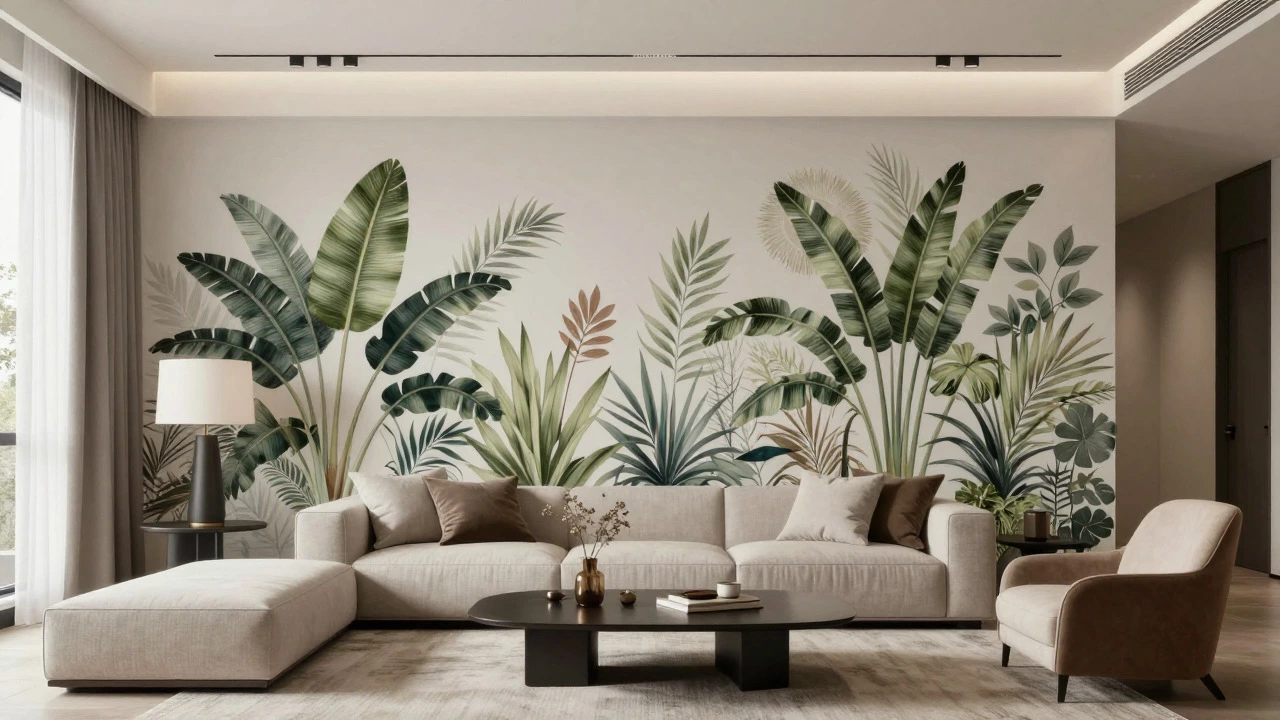
- Large-Scale Murals: Small, repeating flowers are out. Giant, immersive landscapes are in. We’re talking botanical prints that span entire walls, abstract art that looks like a painting, or cityscapes that bring the outdoors in. These act as focal points. You don’t wallpaper the whole house; you pick one feature wall and make a statement. This approach mimics gallery curation, which feels fresh and intentional.
- Geometric and Abstract Lines: Clean lines, arches, and organic shapes are huge. These designs appeal to the modern love for structure and balance. A black-and-white geometric pattern in a hallway creates movement and energy. It’s graphic, bold, and fits seamlessly with minimalist furniture.
The key takeaway here is scale and materiality. Old-fashioned wallpaper often felt flat and busy. Modern wallpaper feels tactile and spacious. If you choose a paper that looks like it has weight and dimension, you’re already ahead of the curve.
| Feature | Traditional (Often Perceived as Dated) | Modern (Current Trend) |
|---|---|---|
| Pattern Scale | Small, repetitive motifs | Large-scale murals or subtle textures |
| Material | Vinyl, heavy paper | Non-woven, grasscloth, peel-and-stick film |
| Installation | Paste-the-wall, professional only | Self-adhesive, DIY friendly |
| Usage Scope | Full rooms covered | Accent walls, half-walls, furniture |
| Lifespan Expectation | Permanent fixture | Flexible, changeable decor element |
Sustainability: The Green Factor in Wall Coverings
Let’s talk about materials. In 2026, consumers are hyper-aware of where their products come from. Cheap, mass-produced vinyl wallpapers contain PVC, a plastic that raises environmental concerns during production and disposal. Using these can feel irresponsible, not just aesthetically outdated.
The modern alternative is non-toxic, sustainable materials. Look for papers made from natural fibers like bamboo, jute, or recycled cotton. Many brands now offer water-based inks instead of solvent-based ones, reducing VOCs (volatile organic compounds) in your home. Even the backing materials have evolved. Non-woven wallpapers are breathable, meaning they allow moisture to escape from the wall, preventing mold growth. This isn’t just a marketing buzzword; it’s a health and durability feature. Choosing eco-friendly wallpaper signals that you care about quality and longevity, two traits that never go out of style.
When you buy a roll of grasscloth from a brand that sources responsibly, you’re investing in a product that ages well. Unlike cheap prints that fade or peel, natural fibers develop a patina over time. They look better with age, much like leather furniture or hardwood floors. That inherent durability combats the "throwaway culture" associated with fast fashion decor.
Beyond Walls: Unexpected Places to Use Wallpaper
If you think wallpaper only belongs on vertical surfaces, you’re missing half the fun. One of the coolest trends in recent years is using wall coverings in unexpected places. This breaks the monotony of standard decorating rules and adds a layer of surprise and delight to a space.
- Ceiling Clouds: Painting a ceiling white is the default. Papering it with a dark, moody starry night or a soft, cloud-like texture draws the eye up and makes the room feel cozier. It’s dramatic but effective.
- Furniture Makeovers: Have an ugly cabinet or a dated dresser? Covering the doors with a bold wallpaper is an instant upgrade. It’s cheaper than refinishing and infinitely more customizable. Just seal it with a clear matte varnish to protect against wear.
- Inside Bookshelves: Line the back of open shelving with a vibrant pattern. It adds color when books are moved around and gives the shelf a finished, curated look.
- Mirror Backs: Apply a thin layer of wallpaper to the back of a large mirror frame or even directly onto the glass (using a specific technique). It adds depth and reflection play that plain mirrors lack.
These applications prove that wallpaper is a material, not just a wall treatment. It’s a fabric for architecture. By expanding its use cases, you integrate it into your life in ways that feel new and inventive, not nostalgic.
How to Choose Without Regret
Even with the best intentions, picking the wrong wallpaper can feel overwhelming. Here’s a quick checklist to ensure your choice feels modern and stays that way:
- Test in the Room: Never judge a sample on a table. Hang it on the wall where it will live. Look at it in morning light, evening light, and under artificial bulbs. Colors shift dramatically depending on lighting conditions.
- Consider the Scale: Measure your wall. A giant floral print might look majestic in a grand foyer but claustrophobic in a narrow hallway. Match the pattern size to the room dimensions.
- Check the Repeat: Complex patterns require precise matching. If you’re a beginner, opt for "straight match" or "random match" patterns. They are forgiving and easier to install, reducing frustration and waste.
- Balance with Furniture: If your wallpaper is loud, keep your furniture simple. If your wallpaper is textural and neutral, you can introduce colorful sofas and rugs. Don’t compete with the wall; complement it.
- Read the Reviews: Look for feedback on ease of removal and adhesive strength. You want something that sticks well but doesn’t destroy your drywall when you’re ready to move on.
Remember, trends cycle, but good design principles endure. A well-chosen wallpaper enhances the architecture of your home. It hides imperfections, adds warmth, and expresses your personality. Is it old-fashioned? Only if you treat it like a costume from the 1970s. Treat it like a canvas for modern expression, and it will always feel current.
Will wallpaper damage my walls when I remove it?
It depends on the type. Traditional paste-applied wallpaper can tear drywall paper if removed incorrectly. However, modern peel-and-stick options are specifically engineered to remove cleanly without residue or damage. Always check the manufacturer's instructions. If you're renting, stick to removable varieties to protect your security deposit.
Is wallpaper more expensive than paint?
Generally, yes. High-quality wallpaper costs more per square foot than premium paint. However, consider the labor. If you DIY with peel-and-stick, the cost difference narrows significantly. Additionally, wallpaper lasts longer than paint in high-traffic areas and covers wall imperfections better, potentially saving money on prep work.
Can I put wallpaper over existing wallpaper?
Technically, you can, but it's risky. If the underlying layer is loose or uneven, the new paper will show every bump and seam. It also adds weight to the wall. Best practice is to strip the old wallpaper completely, repair any damage, and start with a clean, smooth surface for the best aesthetic result.
What is the most durable type of wallpaper for kitchens and bathrooms?
Look for vinyl-coated or washable non-woven wallpapers. These materials resist moisture, steam, and stains. Avoid natural fibers like grasscloth in humid environments unless they are specifically treated for wet areas, as they can mold or warp over time.
Does wallpaper make a room look smaller?
Not necessarily. Dark colors and large patterns can actually make a room feel cozy and intimate, which some people prefer. To make a small room feel larger, use light-colored, vertically oriented patterns or subtle textures. Mirrored or metallic accents in the wallpaper can also reflect light and expand the visual space.