Crack Assessment Tool
Describe the Crack
Assessment Result
Enter details about the crack to see if it is likely cosmetic or structural.
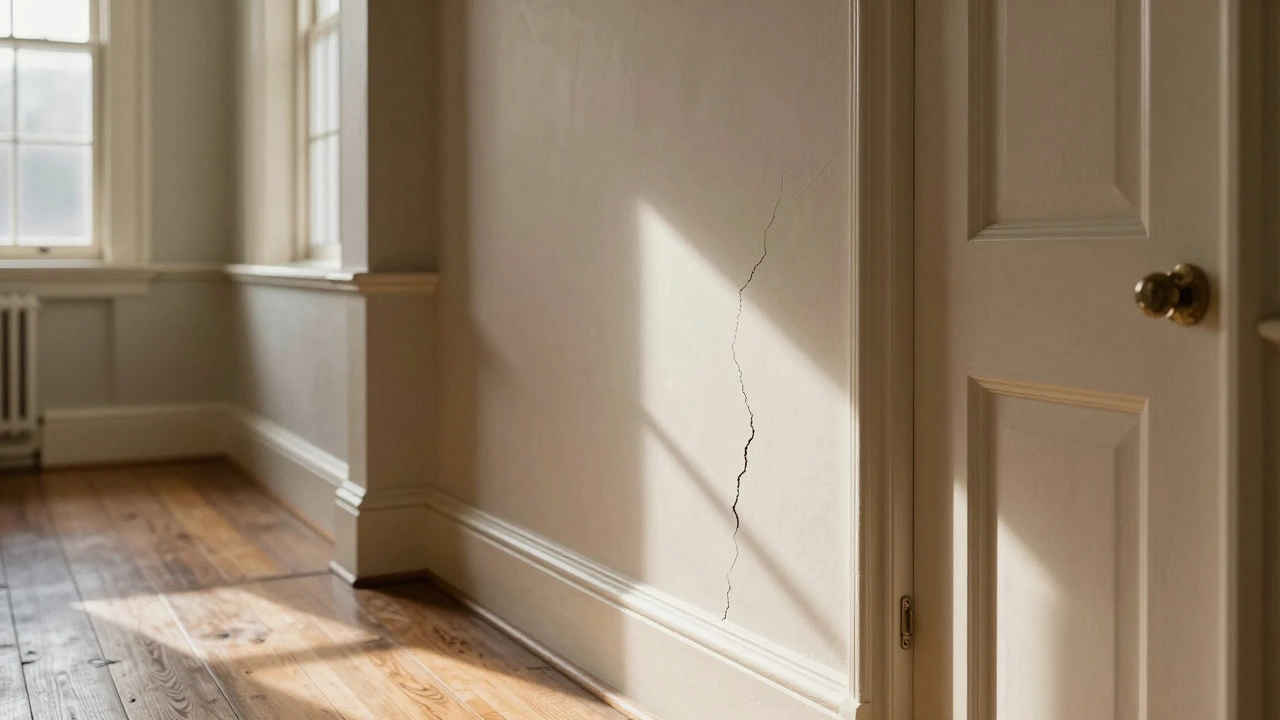
You walk into that beautiful Victorian terrace or Edwardian semi-detached home, and the price is right. The bones are good, the character is undeniable. But then you spot it: a jagged line running down the plaster in the hallway. Or maybe a thin split above the kitchen door frame. Your heart sinks. Is this house falling apart? Do you need to run?
Here is the short answer: Yes, it is completely normal for a 100-year-old house to have cracks. In fact, if you buy a century-old property in the UK without any cracks at all, you should probably be worried. Why? Because it might mean someone has covered up serious issues with thick layers of skim coat.
However, "normal" doesn't always mean "safe." The difference between a cosmetic annoyance and a structural disaster comes down to understanding what the crack looks like, where it is, and how it behaves over time. Let’s break down exactly what you need to look for so you don’t get blindsided by repair bills later.
The Science of Settling: Why Old Houses Move
To understand why your new old house is cracking, you first have to understand that houses are not static objects. They breathe, they settle, and they react to their environment. A brand-new build (a new build) is different because everything is fresh, wet, and heavy. Concrete cures, timber shrinks, and mortar dries out. This causes significant movement in the first few years.
An older house has already done most of its major settling. The ground beneath it has compacted over decades. So, when you see cracks in a 100-year-old home, it’s usually due to one of three things:
- Minor seasonal movement: Timber frames expand in damp weather and contract in dry heat. Brickwork expands slightly in summer and contracts in winter. This constant micro-movement stresses the plaster and mortar joints.
- Subsidence or Heave: This is the big fear. The ground under the foundations moves. Trees sucking up water can cause soil to shrink (subsidence), while clay soils expanding after heavy rain can push foundations up (heave).
- Past repairs or modifications: Extensions added in the 1960s or 70s often didn’t tie into the original structure correctly. These weak points show up as cracks later on.
Understanding this helps you stop panicking. Movement is natural. Damage is only bad if the movement is excessive or ongoing.
Hairline vs. Structural: How to Tell the Difference
Not all cracks are created equal. You need to know which ones you can fix yourself with a weekend afternoon and some filler, and which ones require a structural engineer and a mortgage lender’s nightmare.
| Crack Type | Appearance | Typical Cause | Action Required |
|---|---|---|---|
| Hairline Crack | Thinner than a credit card; barely visible. | Drying plaster, minor thermal expansion. | Cosmetic fill. No structural concern. |
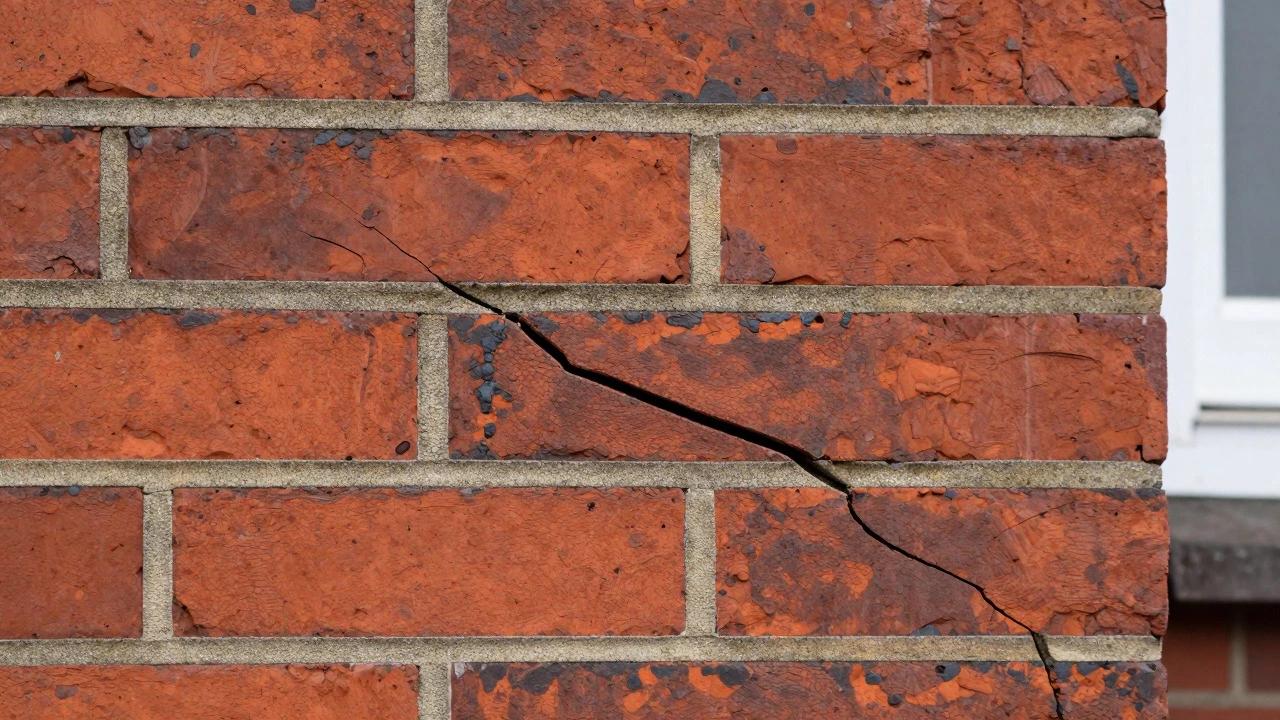
| Stair-Step Crack | Folows the mortar lines in brickwork, looking like steps. | Mortar deterioration or slight foundation shift. | Monitor. If widening, call an engineer. |
| Vertical/Diagonal Crack | Wider than 3mm; runs through bricks or mortar. | Subsidence, heave, or wall tie failure. | Investigate immediately. Potential structural issue. |
| Horizontal Crack | Runs horizontally across brickwork, often near the roof or ground. | Rainwater penetration, frost damage, or lateral pressure from soil. | Urgent. Often indicates severe structural stress. |
A hairline crack is essentially a scar. It shows the house has lived. You can patch these with flexible filler. But if you see a crack that is wider than the width of a 5p coin (roughly 3-4mm), pay attention. If it gets wider over the course of a year, that is active movement. That is when you worry.
Where Are the Cracks Located?
The location of the crack tells you a lot about what is happening inside the walls. Don't just look at the size; look at the pattern.
Cracks around doors and windows: These are extremely common in period properties. Window frames and door openings create weak points in the wall structure. As the house settles, stress concentrates here. If the crack is purely in the plaster around the frame, it’s usually cosmetic. If the brickwork itself is splitting diagonally from the corner of the window, that suggests the lintel above might be failing or the wall is moving.
Cracks in the ceiling or corners of rooms: These often indicate roof truss movement. In older homes, wooden roof structures can sag slightly over time, pulling the walls inward or outward. This creates diagonal cracks starting from the top corners of internal walls. While often not immediately dangerous, it suggests the roof structure needs checking.
External wall cracks: Look outside. If you see cracks in the external render or brickwork, especially if they align with internal cracks, the issue is likely structural. Pay special attention to the base of the walls. Cracks near the ground level can indicate issues with the damp proof course or foundation erosion.

The Tree Problem: Roots and Subsidence
If you live in London or many parts of England, you are likely sitting on clay soil. Clay is tricky. When it’s dry, it shrinks. When it’s wet, it swells. Trees love clay because it holds nutrients, but their roots act like sponges.
During a drought, large trees (oaks, willows, poplars) within 10-20 meters of your house can suck moisture out of the clay. The soil shrinks, and the house drops unevenly. This causes subsidence. You’ll see diagonal cracks stepping down from the corners of windows and doors.
Conversely, if those trees are removed, the soil may rehydrate and swell, pushing the house up. This is called heave. Both scenarios cause cracking. If you are buying an old house, check the garden. Are there massive trees nearby? If so, ask for a detailed survey specifically looking at tree root impact on foundations.
What Should You Do Next?
So, you’ve found a crack. Now what? Don’t panic, but don’t ignore it either. Here is your step-by-step plan.
- Mark it: Get a piece of paper and tape it over the crack. Draw a line across the crack on the paper. Date it. Check it every month. If the crack widens and breaks your line, the movement is active. This is critical data for insurers and engineers.
- Get a Surveyor: For a 100-year-old house, a basic HomeBuyer Report isn’t enough. You need a Full Structural Survey (formerly known as a Building Survey). A qualified RICS surveyor will identify whether the crack is historic (stable) or active (moving).
- Check Insurance: Standard home insurance covers sudden events (like a burst pipe causing a crack). It rarely covers gradual subsidence unless you have specific cover. If you suspect subsidence, notify your insurer early. Hiding it can void your policy.
- Consult a Structural Engineer: If the surveyor flags a problem, hire a structural engineer. They will calculate the load-bearing capacity and recommend fixes, such as underpinning (strengthening the foundations) or installing resin injections to stabilize the soil.
Remember, fixing a small problem now is cheaper than rebuilding a wall later. Most cracks in old houses are manageable. With proper maintenance-keeping gutters clear, managing tree roots, and repointing mortar-you can keep your century-old home standing strong for another hundred years.
How wide does a crack have to be before it's considered structural?
Generally, cracks wider than 3mm (about the thickness of a 5p coin) are considered potentially structural. However, width alone isn't the only factor. A narrow crack that is actively widening or appears in a stair-step pattern in brickwork is more concerning than a static wide crack in plaster.
Can I fix hairline cracks myself?
Yes, hairline cracks in plaster or paint are cosmetic and can be fixed DIY-style. Use a flexible filler designed for masonry or plaster. Apply it with a filling knife, smooth it off, let it dry, and sand it down before painting. Avoid rigid fillers for external cracks, as they may crack again with temperature changes.
Does home insurance cover cracks in old houses?
It depends on the cause. Insurance typically covers sudden, accidental damage (like a tree falling on the house). Gradual issues like subsidence or settlement are often excluded or require specific add-on policies. Always declare known cracks when applying for insurance, or your claim could be rejected later.
How much does it cost to repair structural cracks?
Costs vary wildly. Simple repointing or plaster repair might cost £500-£1,500. Major structural repairs like underpinning can range from £10,000 to over £50,000 depending on the severity and access required. Always get multiple quotes from certified structural engineers and builders.
Are cracks worse in London clay soil?
London clay is highly reactive, meaning it expands and contracts significantly with moisture changes. This makes houses in London particularly susceptible to subsidence during dry spells and heave during wet periods. Regular monitoring and tree management are crucial for properties on clay soil.