Build vs. Buy: Total Cost of Ownership Calculator
Scenario A: Self-Build
Scenario B: Buy Existing
Enter your project details above and click "Calculate Comparison" to see the financial breakdown.
Let’s cut through the noise. The question isn't just "can I afford it?" but "will this actually make me money in ten years?" For many homeowners in the UK, building vs buying feels like a coin flip. But when you look at the hard numbers from 2024 to 2026, the picture gets clearer. If you’re considering a custom home or a new build plot, you need to understand where your money goes and how it behaves over time.
The short answer? It depends entirely on your timeline and risk tolerance. Building offers superior long-term value retention and customization, but it carries higher upfront risks and slower liquidity. Buying an existing property is faster and often cheaper initially, but you inherit hidden defects and limited design freedom. Let’s break down the financial reality so you can decide with confidence.
The Real Cost of Building: Beyond the Sticker Price
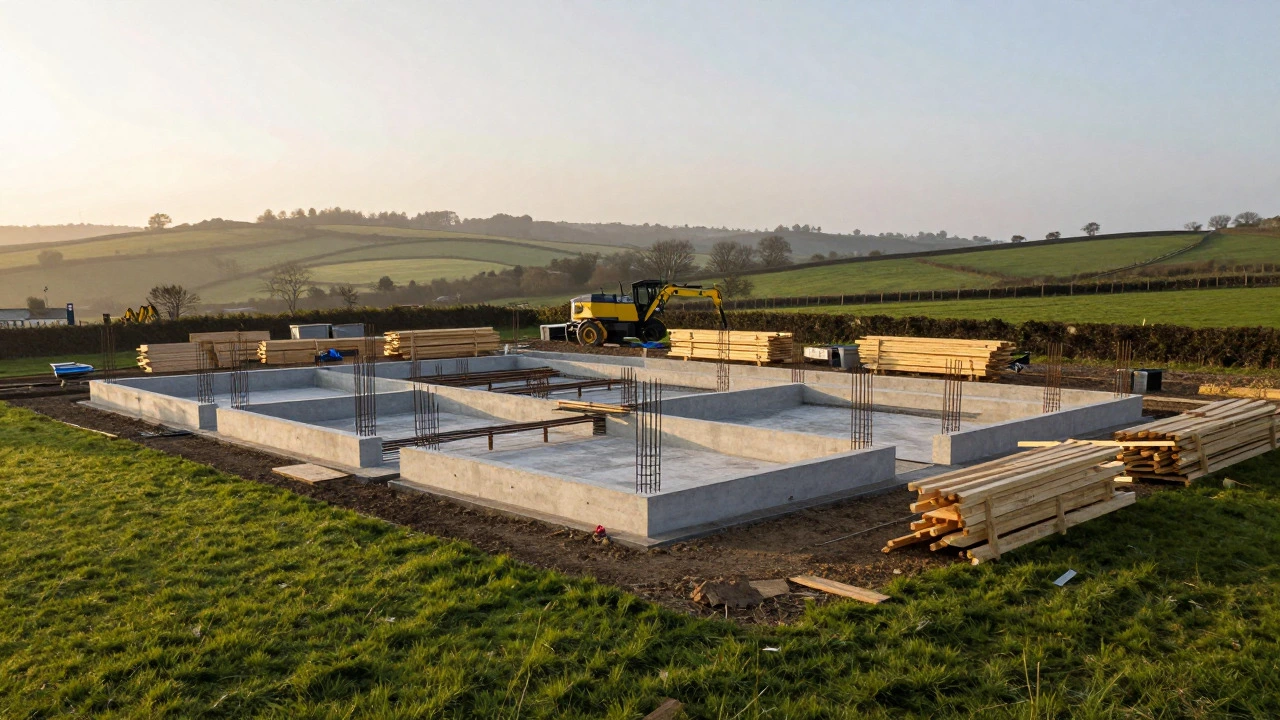
Most people underestimate the cost of construction by 15-20%. Why? Because they forget the non-construction expenses. When you hire a builder, the price tag usually covers materials and labor. It rarely includes planning fees, legal costs for land acquisition, soil surveys, architect fees, and contingency funds.
In London and the South East, land prices have skyrocketed. In regions like the North West or Midlands, land is more affordable, which shifts the balance toward building being more financially attractive. Here is what a typical budget breakdown looks like for a mid-sized detached house:
- Land Acquisition: 20-30% of total project cost (varies wildly by location).
- Construction Costs: £1,800 - £2,500 per square meter for standard quality finishes.
- Professional Fees: Architect, structural engineer, surveyor, and solicitor (approx. 10-15% of construction cost).
- Contingency Fund: Always budget 10-15% extra for unexpected issues like bad soil or weather delays.
If you are looking at a new build from a developer, the price is fixed, but you lose control. You pay a premium for their profit margin and speed. If you self-build, you save on the developer’s margin but take on the management burden. Which path saves you money? Usually, self-building is cheaper if you manage the project yourself, but it costs you hundreds of hours of your time.
Building vs Buying: The Financial Comparison
To make a smart decision, you need to compare two scenarios side-by-side. Let’s assume a target home size of 120 square meters in a semi-rural area outside major cities.
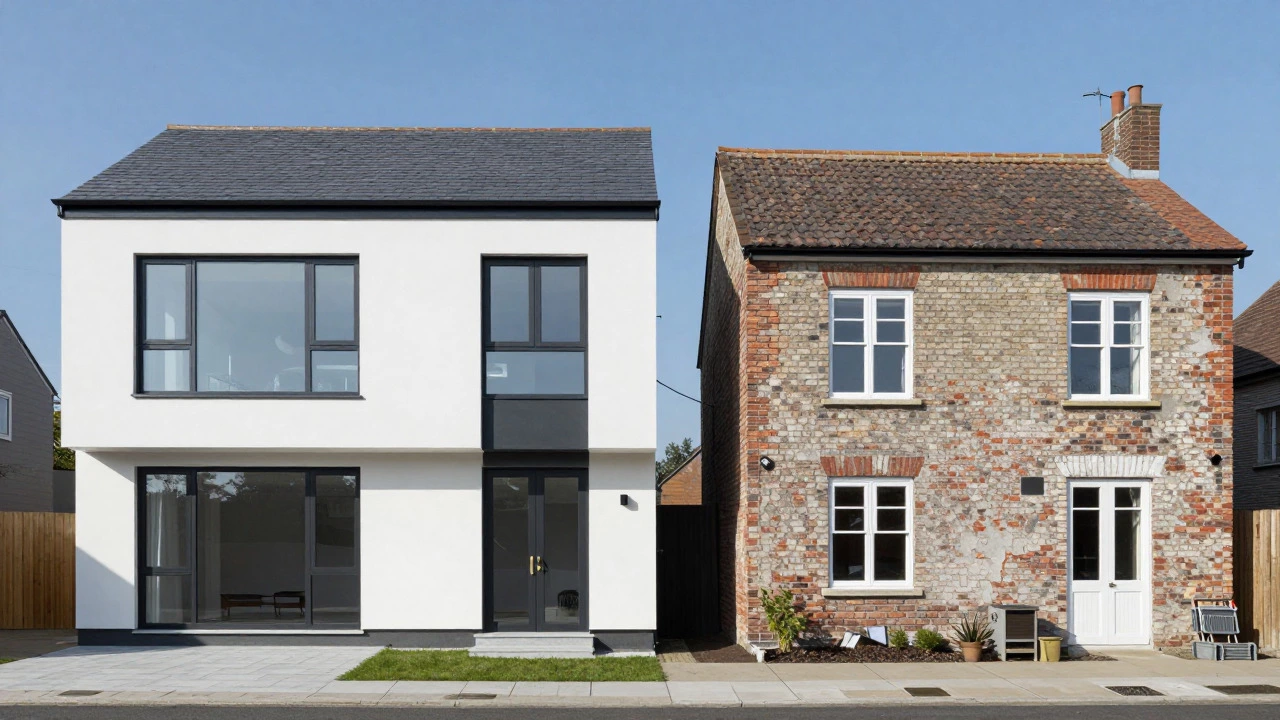
| Cost Factor | Self-Build (Custom) | Existing Property Purchase |
|---|---|---|
| Initial Outlay | High (Land + Deposit + Fees) | Medium (Deposit + Stamp Duty) |
| Time to Move In | 18-24 months | 1-3 months |
| Hidden Costs | Low (if managed well) | High (Repairs, upgrades, outdated systems) |
| Energy Efficiency | Excellent (Passivhaus standards possible) | Poor to Average (Retrofit costs apply) |
| Resale Value Potential | High (Unique features, modern spec) | Moderate (Depends on condition/location) |
| Risk Level | High (Delays, cost overruns) | Low (Survey reveals issues pre-purchase) |
Notice the trade-off. Buying is safer and faster. Building is more expensive upfront but offers better long-term performance. If you plan to stay in the home for 10+ years, the energy savings and lack of maintenance issues from a new build will likely offset the initial higher cost. If you plan to flip the property in 3-5 years, buying a fixer-upper might yield a higher return on investment due to lower entry costs.
The Hidden Financial Benefits of New Construction
It’s not just about the bricks and mortar. Modern construction standards mean that a new build has significantly lower running costs. This is a crucial financial factor that many buyers ignore.
Consider energy bills. A poorly insulated 1980s bungalow can cost upwards of £2,500 per year in heating. A well-designed new build with triple glazing, air source heat pumps, and high-grade insulation might cost only £800-£1,000 per year. Over 10 years, that’s a saving of £15,000 to £20,000. That money stays in your pocket instead of going to the utility company.
Then there’s maintenance. Old roofs leak. Old pipes burst. Old wiring fails. A new build comes with warranties-typically 10 years for structure and 2 years for fittings. During this period, most repairs are covered by the builder or warranty provider. After the warranty expires, the components are still relatively new, meaning you won’t face major replacement costs for another decade.
Finally, there is the psychological benefit of knowing exactly what you paid for. With an existing home, you’re guessing at the quality of the foundation, the age of the boiler, and the integrity of the roof. With a new build, you have documentation, specs, and guarantees. This certainty has financial value because it reduces insurance premiums and makes mortgage approvals smoother.
When Building Is NOT a Good Idea
Let’s be honest: building isn’t for everyone. There are specific scenarios where buying is the smarter financial move.
- You Need Cash Flow Now: If you have a tight monthly budget, the interest payments on a construction loan plus temporary housing costs can strain your finances. Buying an existing home consolidates your costs into one mortgage payment.
- You Are Moving Frequently: If you think you’ll leave the area in under 5 years, the transaction costs of selling a custom-built home (agent fees, legal fees) might eat up your profit. Existing homes are easier to sell quickly because they fit standard buyer expectations.
- You Lack Project Management Skills: Self-building requires you to coordinate trades, inspect work, and handle disputes. If you’re not comfortable with this, you’ll likely hire a project manager, which adds 10-15% to your costs. At that point, the cost advantage of self-building disappears.
- Market Volatility: If house prices in your area are declining, building locks in your capital at peak prices. Buying allows you to negotiate harder in a seller’s market downturn.
Financing Your Build: Loans vs. Mortgages
How you pay for the build matters as much as what you build. Traditional mortgages don’t work well for construction projects because the asset doesn’t exist yet. Instead, you use a Construction Loan is a short-term, interest-only facility that releases funds in stages as the build progresses.
Here’s how it works:
- Stage 1: You get 20-30% of the loan upon signing the contract and securing the land.
- Stage 2: Funds release after the foundation is laid and inspected.
- Stage 3: Funds release once the structure is topped out.
- Final Stage: The remaining balance is released upon completion and final inspection.
The catch? Interest rates on construction loans are often higher than standard residential mortgages. Plus, you only pay interest on the amount drawn down, not the full sum. However, once the build is complete, you refinance into a standard mortgage. This means you carry debt during the build phase without having a livable asset to rent out or live in (unless you’re living elsewhere).
Pro tip: Get quotes from at least three lenders. Some banks specialize in self-build finance and offer better terms than high-street giants. Also, consider whether you want a fixed-rate or variable-rate construction loan. Given the volatility in 2026, a fixed rate protects you from sudden hikes, while a variable rate might start lower but carries risk.
Maximizing ROI: Design Choices That Pay Off
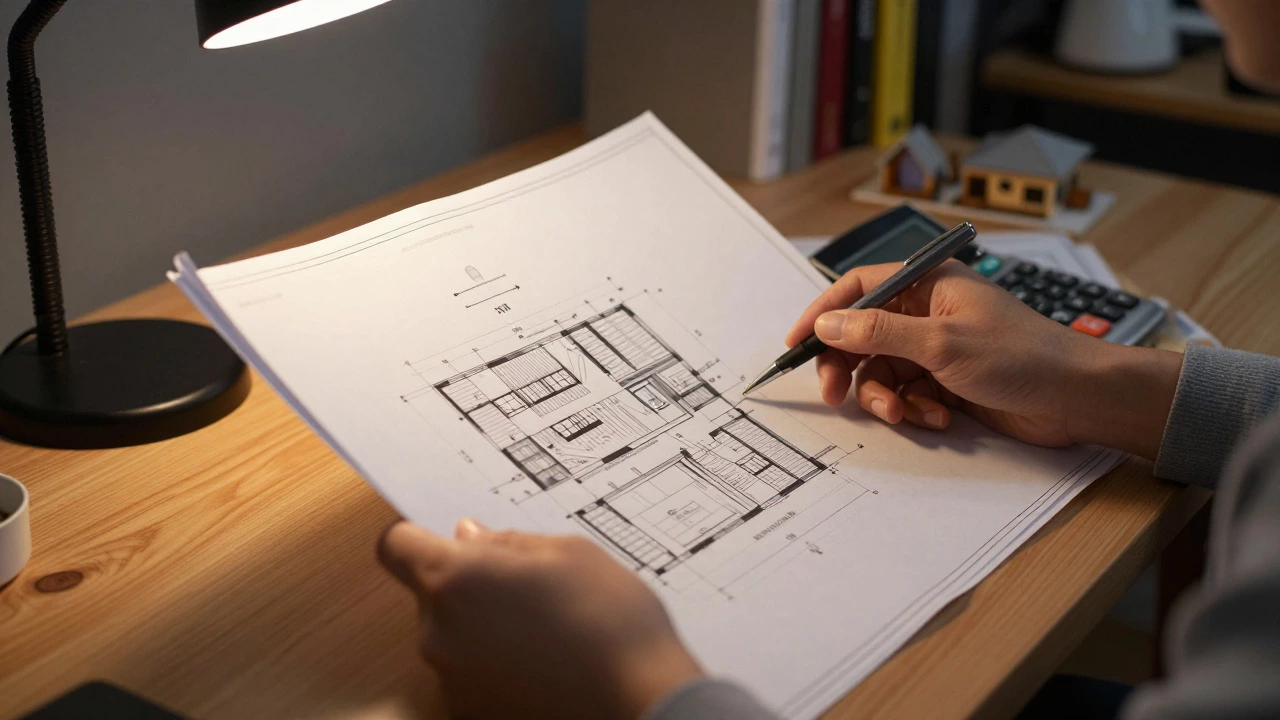
If you decide to build, every design choice should serve a financial purpose. Don’t spend on things that don’t add value. Spend on things that reduce costs or increase appeal.
Invest in:
- Insulation and Windows: These directly impact energy bills. High-performance windows and wall insulation are the best financial investments in a new build.
- Smart Home Systems: Basic automation for lighting and heating can save 10-15% on energy usage. Buyers love this feature, boosting resale value.
- Durable Materials: Slate roofs, hardwood floors, and stone countertops last longer and require less maintenance than vinyl or laminate. They also signal quality to future buyers.
Avoid:
- Excessive Customization: Unique kitchen layouts or exotic tile patterns might please you now but scare off future buyers. Stick to neutral, high-quality finishes.
- Over-Leveraging Landscaping: A beautiful garden is nice, but it depreciates quickly. Trees die, plants wilt. Focus on hardscaping (patios, paths) which holds value better.
FAQ
Is it cheaper to build a house or buy one in the UK?
Generally, self-building is 10-20% cheaper than buying a comparable new build from a developer, but more expensive than buying an existing older property. However, when you factor in hidden costs like planning fees and contingencies, the gap narrows. The real savings come from lower long-term maintenance and energy costs.
How much deposit do I need to build a house?
Lenders typically require a 20-30% deposit for construction loans. This covers the land cost and the initial stage of construction. Unlike standard mortgages, you may need to provide evidence of the land purchase contract and a detailed build schedule before approval.
What is the biggest financial risk in self-building?
Cost overruns due to poor planning or unforeseen site conditions. Bad soil, rock formations, or weather delays can add thousands to your budget. Always include a 15% contingency fund and conduct thorough ground surveys before purchasing land.
Do new builds hold their value better than old houses?
Yes, generally speaking. New builds retain value better in the first 5-10 years because they have no immediate repair needs and meet current energy standards. Older properties require significant investment to reach similar efficiency levels, which can depress their value if not addressed.
Can I live in my house while it's being built?
Usually, no. Most construction loans require the property to be habitable before moving in. You will likely need to rent or stay with family during the 18-24 month build period. Factor this temporary housing cost into your total budget.