Grasscloth Suitability Estimator
Answer the questions below to see which type of wall covering best fits your project.
Your Match:
MatchYou walk into a room, and the first thing you notice isn't the paint color or the furniture. It's the texture on the walls. For years, grasscloth wallpaper was the go-to choice for designers wanting to add depth without adding visual noise. But with minimalism evolving into "warm minimalism" and new materials hitting the market, you might be wondering: is this classic material dead, or has it just learned some new tricks?
The short answer? No, it’s not out of style. In fact, as we move through 2026, grasscloth is experiencing a quiet resurgence. But the way we use it has changed drastically. We’re no longer covering entire living rooms in beige, fibrous strips. Instead, we’re using it strategically, mixing it with modern finishes, and choosing higher-quality fibers that don’t look like they belong in a dentist’s waiting room from 1995.
| Feature | Traditional Grasscloth | Vinyl-Backed Grasscloth | Faux Textured Paint |
|---|---|---|---|
| Texture Depth | High (Natural Fiber) | Moderate (Printed/Illusion) | Low (Surface only) |
| Durability | Low (Stains easily) | Medium (Washable) | High (Scrub-resistant) |
| Cost per Roll | $80 - $150+ | $40 - $70 | $30 - $50 (Material + Labor) |
| Best For | Formal Dining, Studies | Hallways, Powder Rooms | Kitchens, High-Traffic Areas |
Why Grasscloth Is Making a Comeback
Let’s be honest: for a while, flat white walls were king. But humans are tactile creatures. We crave things we can touch and feel. This biological need drove the shift toward natural materials in interior design. Grasscloth, which is actually a type of wall covering made from natural fibers such as sisal, jute, hemp, bamboo, and paper, fits perfectly into this trend. It brings an organic warmth that synthetic fabrics and smooth paints simply cannot replicate.
In London, where I live, you see this shift clearly in high-end renovations. Designers are moving away from the sterile "showroom" look. They want spaces that feel lived-in and authentic. Grasscloth provides that immediate sense of history and craft. When you run your hand along a wall covered in real sisal or abaca, you feel the irregularities. Those imperfections are now seen as features, not flaws. It aligns with the broader cultural push toward sustainability and biophilic design-bringing the outside in.
The Mistakes That Made People Hate It
If you’re asking if it’s out of style, you’ve probably seen some bad examples. And let’s face it, there were a lot of them in the early 2000s. The problem wasn’t the material; it was the execution. Here is why many people still associate grasscloth with outdated interiors:
- The "Dentist Office" Vibe: Using cheap, uniform beige grasscloth in poorly lit rooms made spaces feel clinical and cold. It absorbed light rather than reflecting it, making small rooms feel smaller and darker.
- Poor Installation: Grasscloth is unforgiving. If the seams aren’t perfectly aligned, or if adhesive bleeds through the porous surface, it looks messy. Many DIY attempts failed because people treated it like standard vinyl paper.
- Lack of Maintenance: You cannot wipe down traditional grasscloth. A splash of red wine or a muddy handprint is permanent. For families with kids or pets, this was a nightmare.
These issues created a stigma. But ignoring the material entirely means missing out on one of the most effective tools for adding luxury to a space.
How to Use Grasscloth in 2026 Without Looking Dated
The key to keeping grasscloth fresh is restraint and contrast. You don’t need to wrap the whole house in it. Think of it as an accessory, like a silk scarf or a leather jacket, not the base layer.
Use It for Accent Walls Only
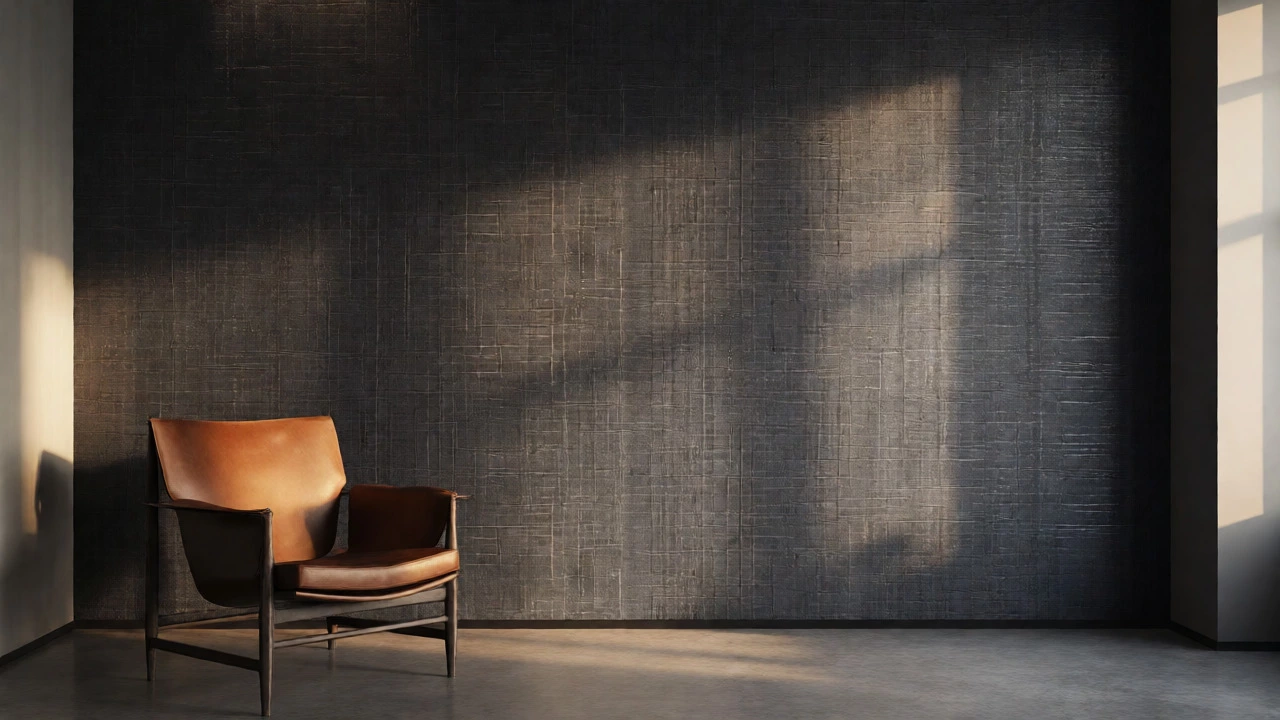
Instead of four walls of texture, choose one. A headboard wall in the bedroom or the back of a built-in bookshelf in a study creates a focal point. This allows the texture to shine without overwhelming the eye. Pair it with sleek, modern furniture. Imagine a mid-century modern chair against a rough jute wall. The contrast between the smooth wood and the coarse fiber creates visual interest.
Mix Materials
Don’t pair grasscloth with other busy patterns. Keep the rest of the room simple. Smooth plaster, polished concrete, or clean-lined cabinetry work best. If you have wooden floors, grasscloth complements them beautifully because both are natural elements. However, avoid pairing it with heavy floral drapes or ornate moldings unless you are going for a very specific maximalist aesthetic.
Choose the Right Color Palette
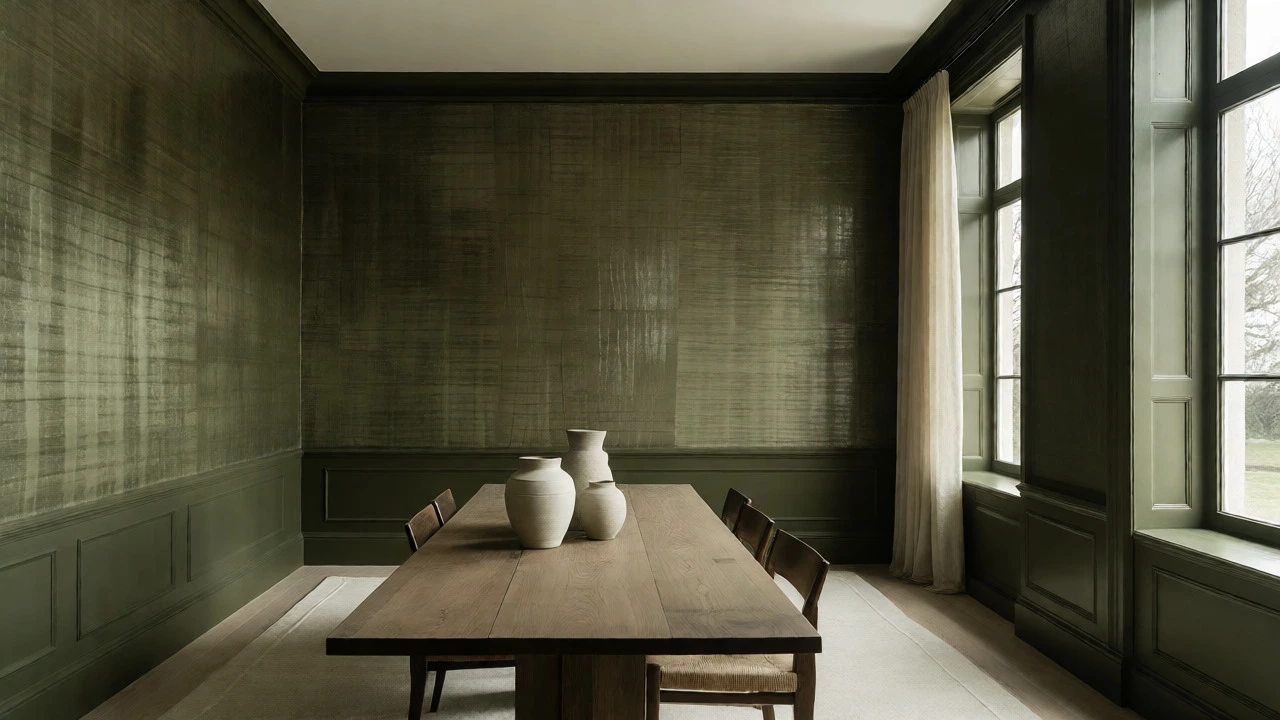
Beige is fine, but don’t stop there. In 2026, we are seeing deeper, earthier tones. Charcoal grey, deep olive green, and even black-dyed grasscloth are popular. These colors absorb light differently, creating a moody, intimate atmosphere perfect for dining rooms or media rooms. Lighter tones like oatmeal or sand still work well in coastal or Scandinavian-inspired homes, but they need plenty of natural light to prevent the room from looking dull.
Real Grasscloth vs. Faux Options: What Should You Buy?
This is where your budget and lifestyle come into play. Not all "grasscloth" wallpapers are created equal. Understanding the difference will save you headaches later.
Natural Grasscloth: This is the real deal. Fibers are woven onto a backing. Each roll is slightly different due to natural variations. It smells faintly of dried plants when installed. It is expensive and fragile. You must hire a professional installer who knows how to handle the delicate seams. Do not attempt this yourself unless you have experience.
Vinyl-Backed Grasscloth: This is a hybrid. It looks like grasscloth but has a protective vinyl coating. You can wipe it with a damp cloth. It is more durable and cheaper. However, the texture can feel plastic-y up close. It lacks the authentic irregularity of the real thing. For a hallway or powder room where traffic is high, this is often the smarter choice.
Faux Textured Wallpapers: Some newer papers mimic the look of grasscloth using embossed vinyl. They are durable and washable but lack the depth of shadow that real fibers create. Under direct lighting, the illusion breaks. Use these only if budget is your primary constraint.
Installation Tips That Save Your Sanity
If you decide to go with real grasscloth, preparation is everything. Unlike vinyl, you cannot stretch it to fit. Here is what you need to know before you start:
- Order Extra Rolls: Natural variations mean batches may differ in color. Always buy enough for your project plus 15% extra. Once a batch is gone, you might never match it again.
- Prime the Walls: Grasscloth is porous. If you paste directly onto bare drywall, the wall will suck the moisture out of the glue too fast, causing bubbles. Use a high-quality primer/sealer designed for heavy papers.
- Use Clear Paste: White wheat-based pastes can stain natural fibers. Use a clear, non-staining adhesive specifically recommended by the manufacturer. Test it on a scrap piece first.
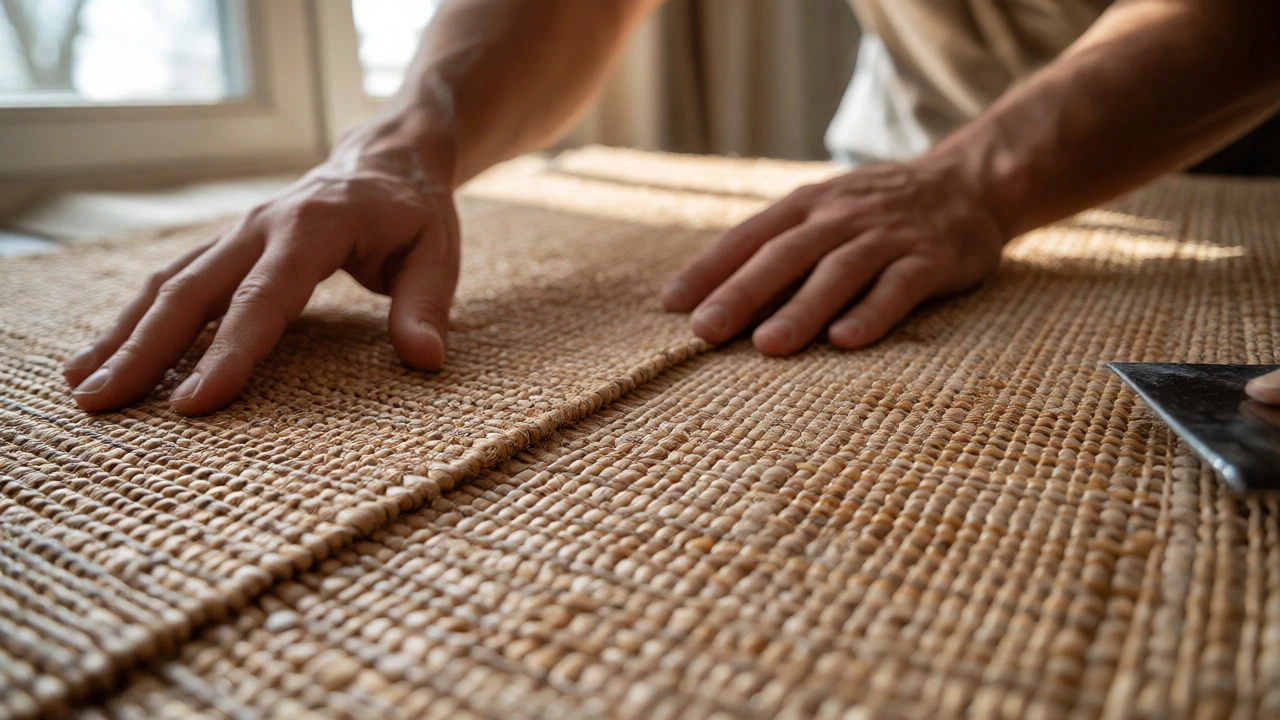
- Cut Seams Carefully: Never butt-cut grasscloth edges with a utility knife if you can help it. The fibers fray. Overlap the seams slightly and cut through both layers simultaneously with a sharp blade and a straightedge. This ensures a tight, clean joint.
Where Does Grasscloth Fit Best?
Not every room benefits from texture. Here is a quick guide to placement:
- Dining Rooms: Excellent. The texture adds sophistication and hides minor wall imperfections. It absorbs sound, making dinner conversations clearer.
- Bedrooms: Great for a cozy, enveloping feel. Avoid it above the bed if you are worried about dust accumulation.
- Studies/Libraries: Classic choice. It pairs well with dark wood shelves and leather chairs.
- Kitchens/Bathrooms: Risky. Steam and grease are enemies of natural fibers. If you must use it here, opt for vinyl-backed versions and ensure strong ventilation.
- Nurseries/Kids' Rooms: Generally avoid. Fingerprints and crayon marks are difficult to remove without damaging the fibers.
The Verdict: Is It Worth It?
Grasscloth wallpaper is not out of style; it has just matured. It is no longer a default choice for hiding ugly walls. It is a deliberate design decision used to add warmth, texture, and acoustic comfort to a space. If you embrace its limitations-like fragility and maintenance-and respect its strengths-like authenticity and depth-it remains one of the most powerful tools in an interior designer’s kit.
So, should you hang it? If you want a space that feels grounded, natural, and timeless, yes. Just do it right. Choose quality materials, hire a pro, and keep the surrounding décor simple. Let the wall speak for itself.
Can you wash grasscloth wallpaper?
Generally, no. Traditional natural grasscloth is highly porous and will stain or warp if wet. You can gently vacuum it with a brush attachment to remove dust. Vinyl-backed grasscloth alternatives can be wiped with a damp cloth, but always check the manufacturer's care instructions first.
Is grasscloth wallpaper hard to install?
Yes, it is significantly harder than standard vinyl or paper wallpaper. The material is brittle, seams show easily, and adhesive can bleed through the fibers. It requires precise cutting and careful handling. Most professionals recommend hiring an experienced installer for natural grasscloth to ensure a flawless finish.
Does grasscloth make a room look smaller?
It can, especially if you use dark colors in a room with poor lighting. Because the texture absorbs light rather than reflecting it, it can shrink the perceived size of a space. To counteract this, use lighter tones like sand or oatmeal, or limit the application to an accent wall rather than all four walls.
What is the difference between grasscloth and sisal?
Grasscloth is a broad category of wall coverings made from various natural plant fibers. Sisal is a specific type of grasscloth made from the agave plant. Sisal tends to have a coarser, more distinct weave compared to softer fibers like jute or hemp. Both fall under the grasscloth umbrella but offer different textures and durability levels.
Is grasscloth eco-friendly?
Mostly, yes. Since it is made from renewable plant resources like bamboo, hemp, and cotton, it is biodegradable and free from the volatile organic compounds (VOCs) often found in synthetic vinyl wallpapers. However, check the backing material and adhesives, as some may contain synthetic components.